

Polls find PM’s bloc far from majority, but most say Zionist opposition also falls short
ToI poll: Eisenkot-Bennett-Lapid merger yields biggest party, but doesn’t alter bloc sizes; Channel 12 poll: Even coalition voters say not enough done to help those hurt financially by war
 Add ToI as a Preferred Source on Google
If elections were held today, Prime Minister Benjamin Netanyahu’s right-wing bloc would fall far short of a majority, but the Zionist opposition would also not manage a majority, according to most of the weekly opinion polls released Thursday and Friday.
According to a survey by Zman Yisrael, The Times of Israel’s Hebrew-language sister site, if elections were held today, Netanyahu’s Likud would receive 28 of 120 Knesset seats, followed by Gadi Eisenkot’s Yashar! and former prime minister Naftali Bennett’s Bennett 2026 party, with 16 each.
Avigdor Liberman’s Yisrael Beytenu would garner 10 seats, followed by Shas and The Democrats with 9 each, United Torah Judaism with 8, Otzma Yehudit with 6, Opposition Leader Yair Lapid’s Yesh Atid and the Islamist Ra’am with 5 each, and Hadash-Ta’al and Blue and White each with 4.
The poll put the current coalition at 51 seats in total, while the Zionist opposition would receive 60 and the Arab-majority parties 9. Neither side would be able to assemble a 61-strong majority and form a government without Arab-party support.
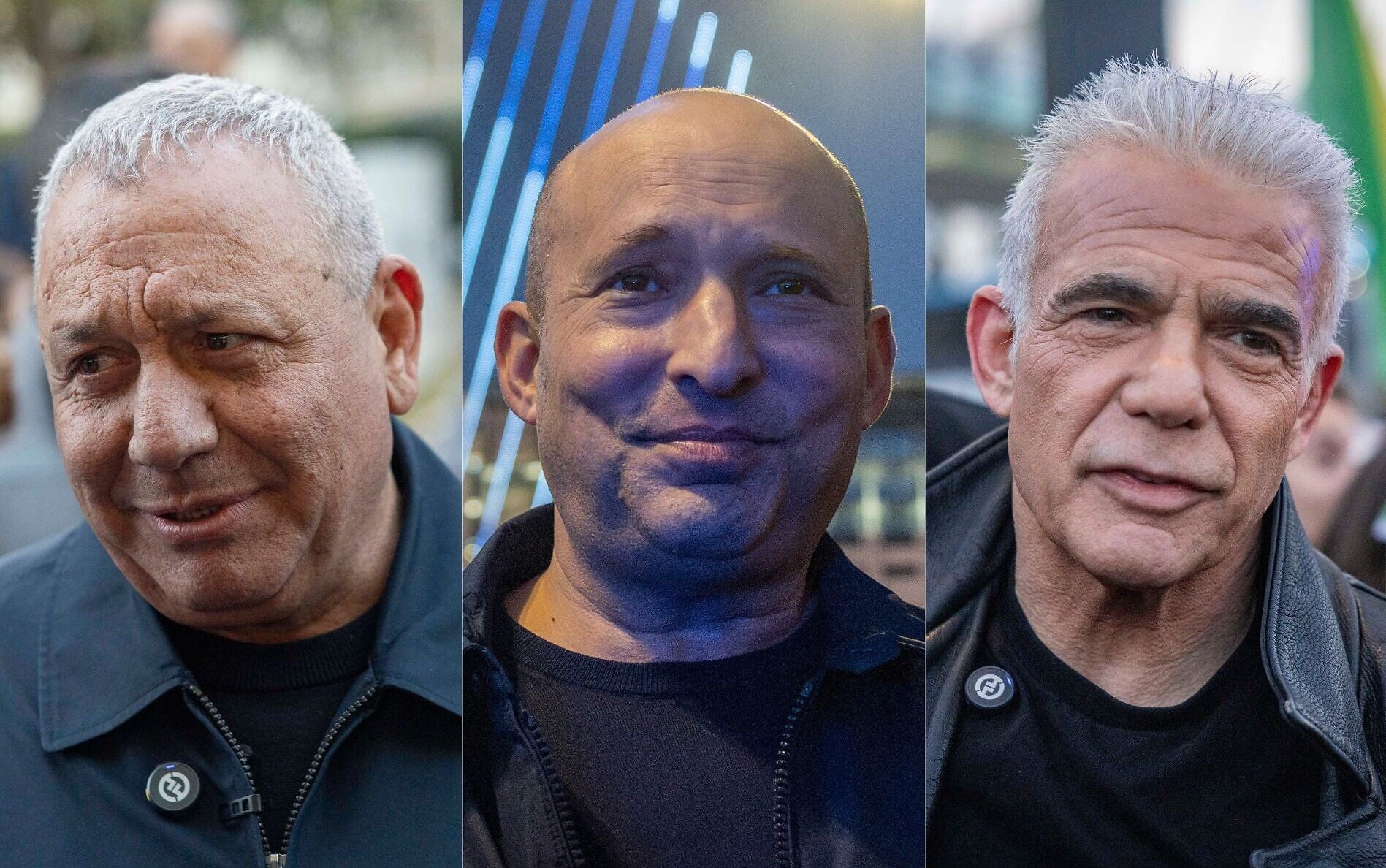
If Eisenkot, Lapid and Bennett ran together, their combined list would receive 38 seats, making it the largest faction in the Knesset, but it would not significantly change the size of the blocs, the poll found.
The poll was conducted April 15-16 by Tatika Research and Media in collaboration with the Adgenda panel, with 500 Jewish and Arab respondents. The margin of error was 4.4 percent.
According to a separate poll by the Israel Hayom daily, Likud dropped from 28 in a previous poll to 26 seats, while the coalition went from 53 to 52, a drop the paper linked to public anger over the current ceasefire with Iran. The Zionist opposition, in that poll, got 57 seats, with the remaining 11 going to Hadash-Ta’al and Ra’am.
Bennett received 20 seats, followed by Eisenkot at 14, Otzma Yehudit at 10, Shas and The Democrats at 9, Yisrael Beytenu at 8, United Torah Judaism at 7, Yesh Atid and Hadash-Ta’al at 6 each, and Ra’am at 5.
Meanwhile, a Channel 12 survey found Likud at 25, Bennett at 20 and Eisenkot at 14, while Benny Gantz’s Blue and White failed to cross the electoral threshold. Per Channel 12’s poll, the coalition would get 51 seats, and the opposition would garner 59 without the Arab parties.
A poll by the Maariv daily, however, found that the Zionist opposition bloc would in fact receive 61 seats, without needing support from any Arab parties. It was the third weekly iteration of that poll to end up with that result. According to the poll, the current coalition would win 49 seats.
Finance Minister Bezalel Smotrich’s Religious Zionism party failed to cross the electoral threshold in any of the polls.

The polls were conducted before the US’s announcement on Thursday of a ten-day ceasefire between Israel and the Hezbollah terror group in Lebanon, amid negotiations between Jerusalem and the Lebanese government.
Asked about the prospect of a truce in theoretical terms, a slim majority (51 percent) of respondents to Channel 12’s survey said they opposed one, while 29% said they supported it, and 20% said they didn’t know.
Asked whether they trusted US President Donald Trump to look out for Israel’s interests in a potential deal with Iran, 48% said they did not trust the American leader to do so, while 33% said they did, and 19% said they didn’t know.
Additionally, Channel 12 asked respondents whether the government has done enough to support those hurt financially by the war. A large majority (72%) said the government had not done enough, while only 12% said it had, and 16% said they didn’t know.
Even among coalition voters specifically, 50% said the government hadn’t done enough, while only 24% said it had, and 26% said they didn’t know.
Elections must take place by October 2026 at the latest.










The Times of Israel Community.