

Private daycares threaten to stay shuttered as ministry okays Sunday opening
Health Ministry signs on to deal that will see government-subsidized facilities reopen, but tens of thousands of toddlers under 3 could be forced to stay home
 Add ToI as a Preferred Source on Google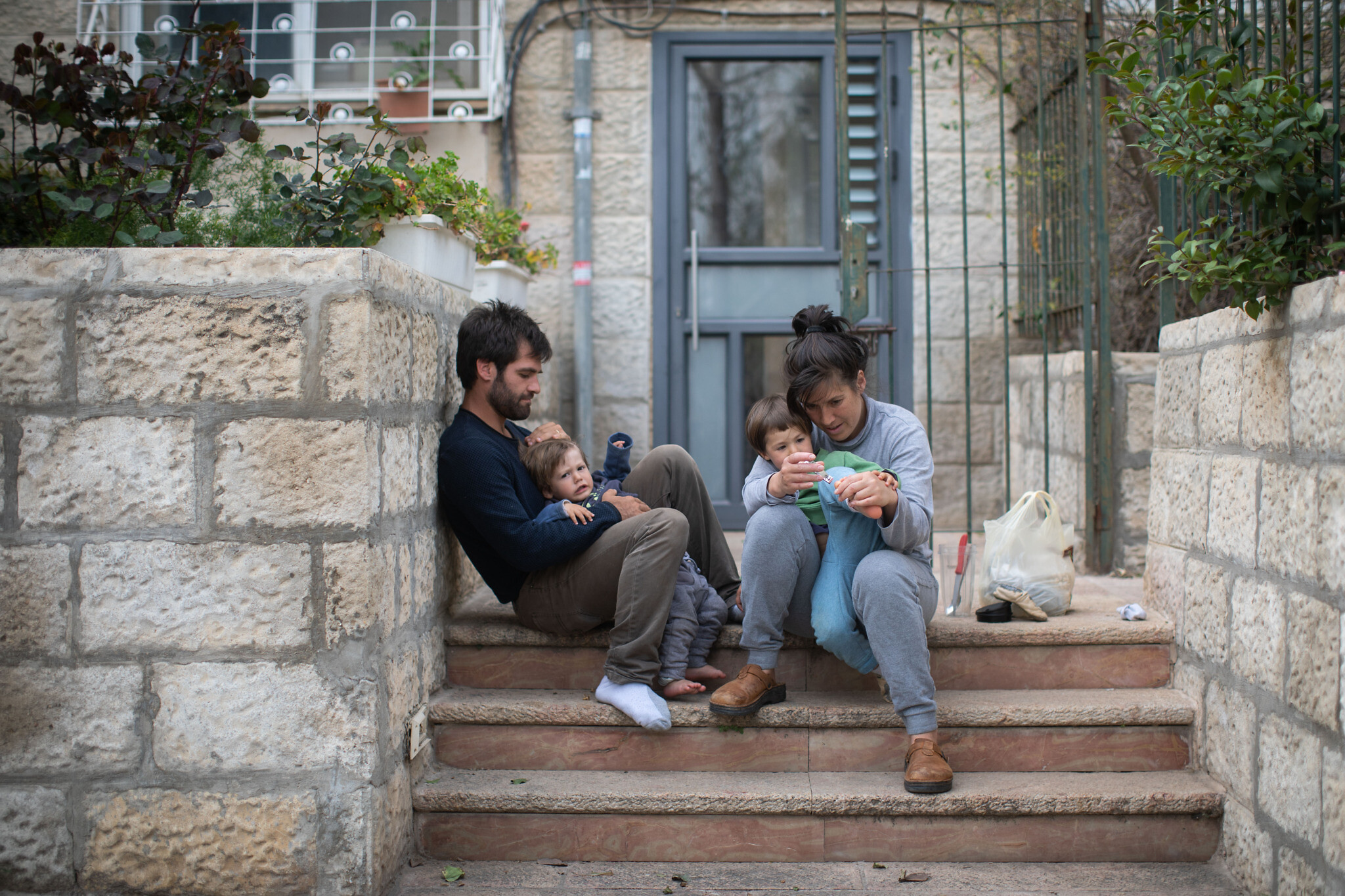
The Health Ministry on Wednesday okayed a deal under which government-supervised daycares for children up to the age of 3 will be allowed to open Sunday, albeit with caps on class sizes that may keep thousands of toddlers at home.
Private facilities, meanwhile, were threatening to remain shuttered until the government offered financial compensation for a 40-day shutdown that brought public life to a near-standstill.
Israel is in the midst of emerging from the lockdown and reopening stores, schools, kindergartens and more, as the number of new infections have appeared to slow to a mere trickle.
Under the government deal, toddlers are to be divided into groups of up to 17 children in each classroom and the subsidized daycares will operate during their usual hours on all weekdays. Children will be allowed to be moved into multi-age classes so that the limits on class size can be maintained, but will not be allowed to be shifted to a different daycare center.
Children from families suffering economic hardship and those in single-parent homes will be the first to return to the government-subsidized daycares, including those run by Wizo, Emunah and other organizations. Due to the reduction of class sizes, some 30 percent of children, may have to stay home, according to Hebrew reports.
Under the agreement, the government will bear the cost of operating the subsidized daycare in the special format. The deal was struck between organizations that run the daycare centers and the Finance, Labor and Welfare ministries. It was cleared with the Health Ministry later Wednesday.
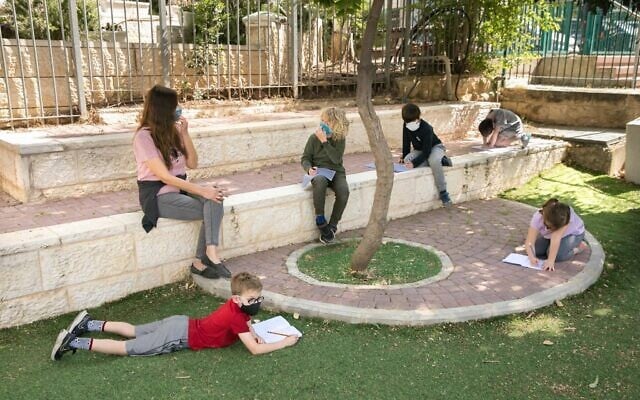
At the same time, thousands of private daycares are still shut, and their representatives are expected to meet with Treasury officials on Wednesday.
According to an umbrella group representing 4,000 private daycares of some 18,000 children, the schools won’t reopen until they receive compensation for teachers who remain in isolation or cannot resume teaching due to their health risks, as well as compensation for teachers who must quit for various reasons related to the pandemic, among other demands.
“It cannot be that 18,000 toddlers, primarily from the geographic and economic periphery of Israel are left without an educational framework and the [education] minister continues ignoring this,” a statement from the union said.
Other private daycares are considering whether to absorb the costs and reopen anyway, according to Channel 12.
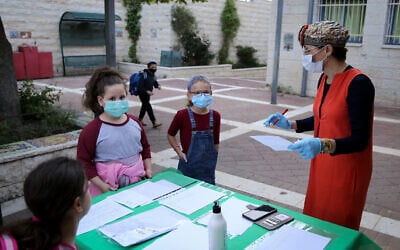
Children aged 3-6 are expected to return to kindergartens and preschools on Sunday in groups of no more than 18. The majority will attend only three days a week so that the limits can be maintained, and there won’t be afternoon programs, meaning the day will end at 2 p.m.
The children will be further divided into two permanent subgroups to operate in separate spaces in the kindergartens and courtyards.
Getting small children into daycare is seen as key to helping parents return to work as the lockdown restrictions ease.
In Israeli schools, grades 1-3 and 11-12 returned to school this week with smaller classes and strict health procedures.
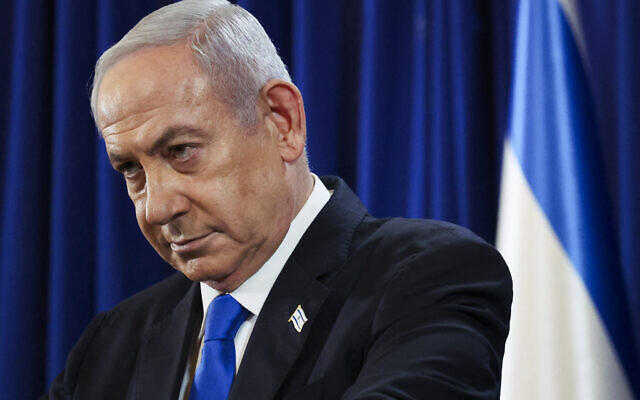
Prime Minister Benjamin Netanyahu said Monday he expects all students will return to classes by the end of the month, while universities and colleges are set to reopen on June 14. Schools will likely have to rotate attendance, as they do not have enough classroom space for all students to maintain social distancing at the same time.
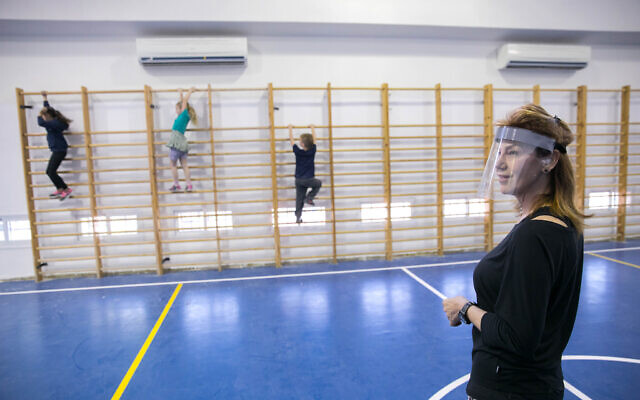
At schools, pupils were being divided into groups, each of which, under Education Ministry guidelines, was to remain together for all classes and breaks. Each group was to have dedicated bathrooms as well.
Schools were among the first institutions to shut down in mid-March, a move that was quickly followed by stricter measures that brought the economy to a virtual standstill and forced many to remain at home as the country sought to prevent a large outbreak of COVID-19.
Cabinet ministers on Monday approved a series of measures to ease many of the restrictions put in place to curb the spread of the coronavirus, among them lifting the 100-meter limit on travel from home for nonessential activities.
A number of changes to the emergency ordinances were effective immediately, such as the reopening of some businesses, while others will not come into force until later in the week.
The government also signed off on directives that certain businesses must adhere to in order to operate, with Netanyahu cautioning Monday night that should infection rates exceed certain caps, the lockdown measures could snap back.
At the same time, ministers authorized an extension of a controversial program allowing the Shin Bet security service to use sensitive personal data to track coronavirus carriers and also extended a nighttime curfew for Ramadan in Muslim-majority communities until May 10.
Only 46 new infections were confirmed Tuesday. The accumulated number of cases since the outbreak began now stands at 16,314, the Health Ministry said Wednesday morning, while the number of active cases has fallen to 5,549.







The Times of Israel Community.