

Pyrrhic victory on law banning arrests of draft dodgers could cost Netanyahu coalition at ballot box
Likud and its allies went to mat for an unpopular law meant to shield ultra-Orthodox from military conscription, losing vital support in the name of legislation that is already on its way to being struck down

 Add ToI as a Preferred Source on Google
Tal Schneider is a Political Correspondent at The Times of Israel
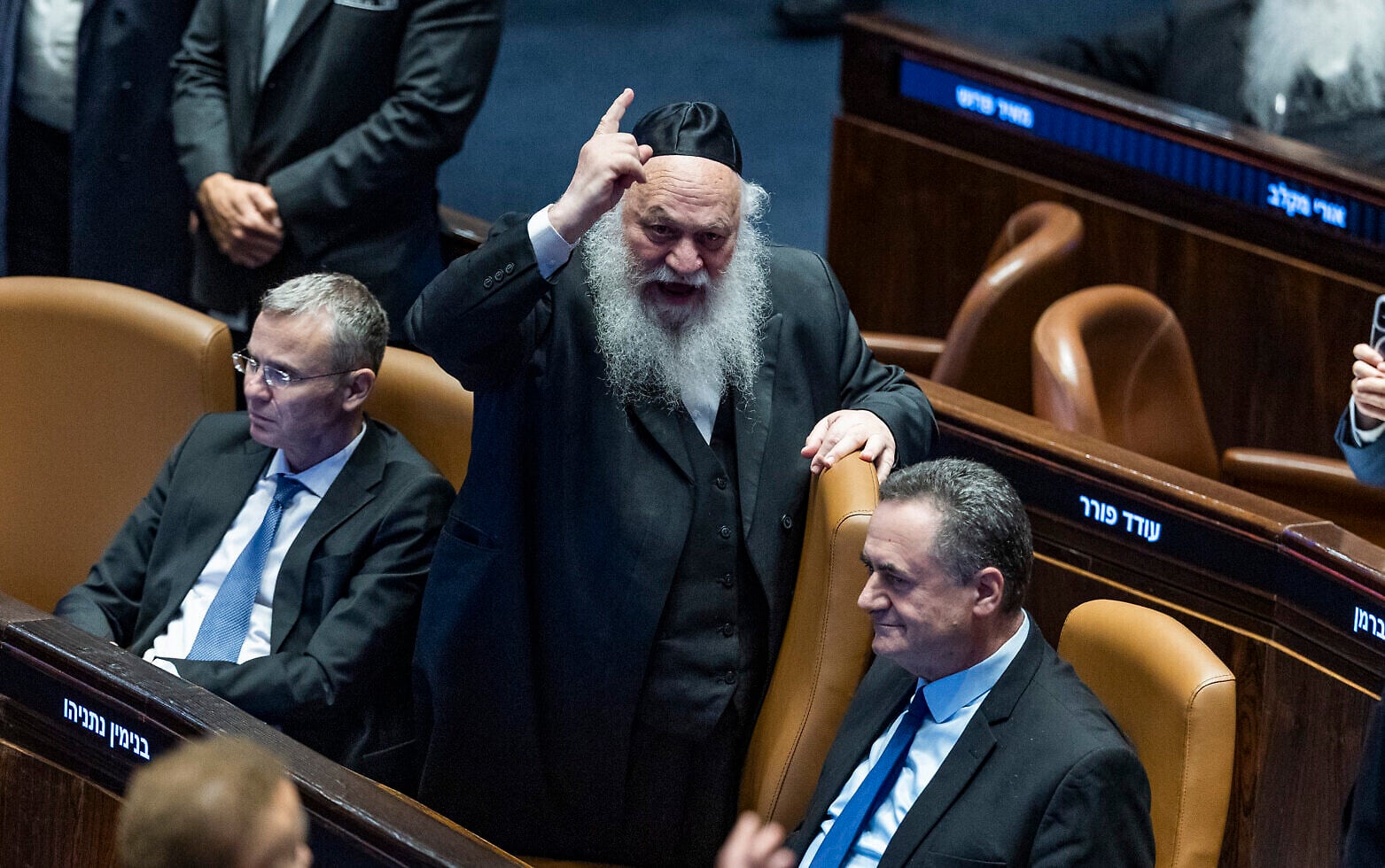
Haredim don’t serve in the IDF. They won’t share the burden of fighting for Israel’s security. Now it’s Israeli government politicians who are going to war for them.
This week’s legislation banning the arrests of Haredi draft dodgers has already left the coalition with battle scars, costing the governing alliance some of its stalwarts, tearing open new rifts, and doing significant damage to the ruling Likud party.
The coalition lawmakers who spent months taking a hard line against efforts by Prime Minister Benjamin Netanyahu and the Haredi parties to pass a law exempting the ultra-Orthodox from military service are now paying for it: some with their political future, others by simply walking away.
Absorption Minister Ofir Sofer of the Religious Zionism party built a reputation over the past year attacking draft exemptions for Haredim and coalition efforts to protect them from sanctions. When it came time to vote, he skipped the plenum session entirely. Hours later, he announced he would not run in the upcoming election.
Walking out as well, Likud MK Dan Illouz fired a parting shot at his party. “I can’t ask you to vote for a party I can no longer vote for myself,” he wrote, blaming Likud for dodging responsibility for October 7, for greenlighting draft-evasion schemes while reservists burn out, and for caving to interest groups driving up the cost of living. “This isn’t Likud anymore. It’s a party that’s been hijacked.”
Other prominent opponents of Haredi draft evasion made the same move, including former Foreign Affairs and Defense Committee chairman Yuli Edelstein and Deputy Foreign Minister Sharren Haskel.

Haskel had fought the exemption laws for months while still serving in government — but as the Knesset broke for the election recess, she fired off a blistering resignation letter to Foreign Minister Gideon Sa’ar.
By Wednesday, she’d already announced the creation of a new party, though there’s little to suggest it will clear the electoral threshold.
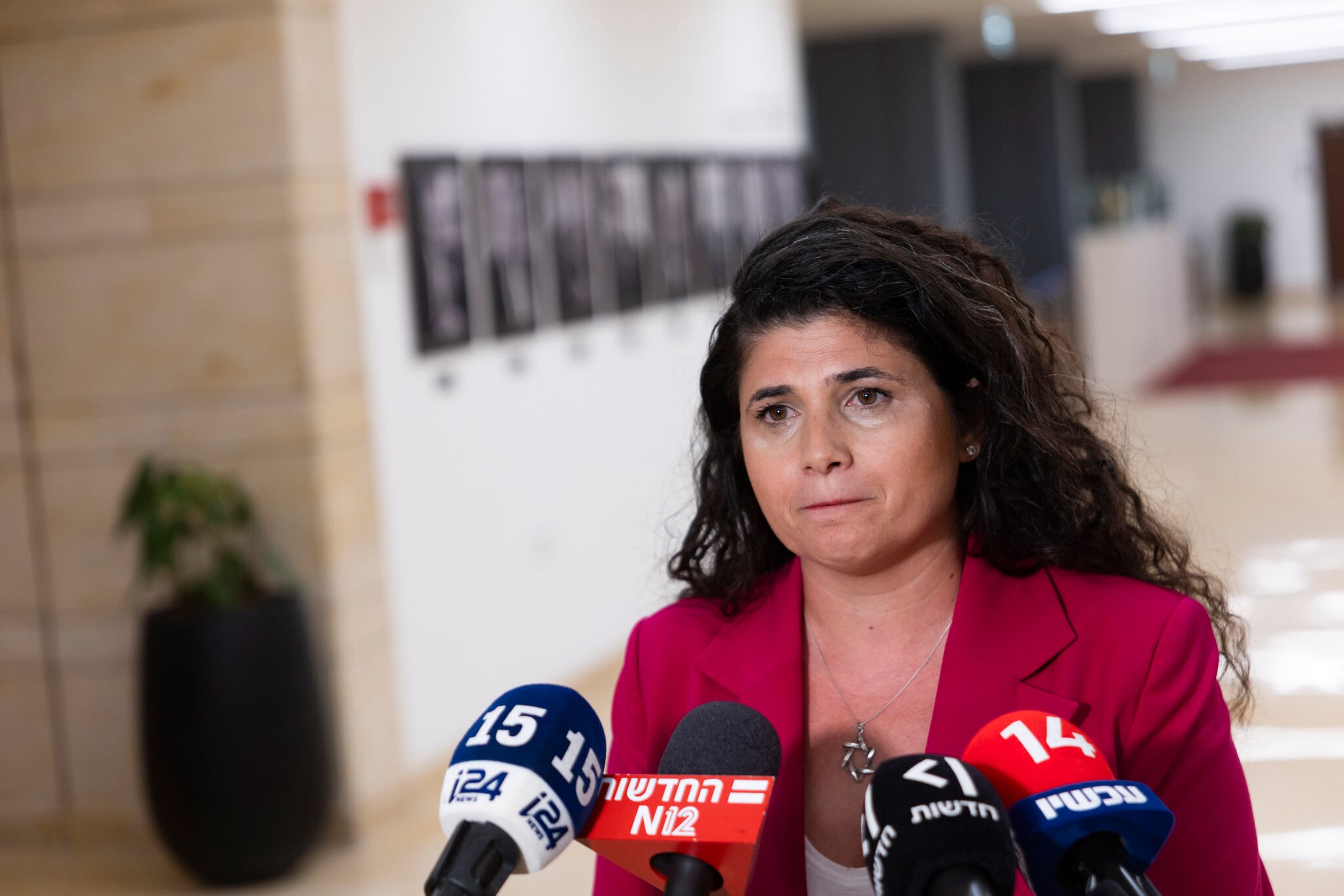
Religious Zionism’s Moshe Solomon voted against both the Basic Law on Torah study and the arrest-freeze law, and still hasn’t said what comes next for him politically.
There may also yet be fallout for the coalition lawmakers who had blasted draft-dodging and exemption legislation only to ultimately fold and vote with the coalition. Among those to fall in line were Eli Dallal, Moshe Saada and Michal Woldiger.
The damage goes beyond the fortunes of individual politicians. Every poll released this week showed Likud sliding hard — from roughly 25-26 seats a few weeks ago to just 21-22.
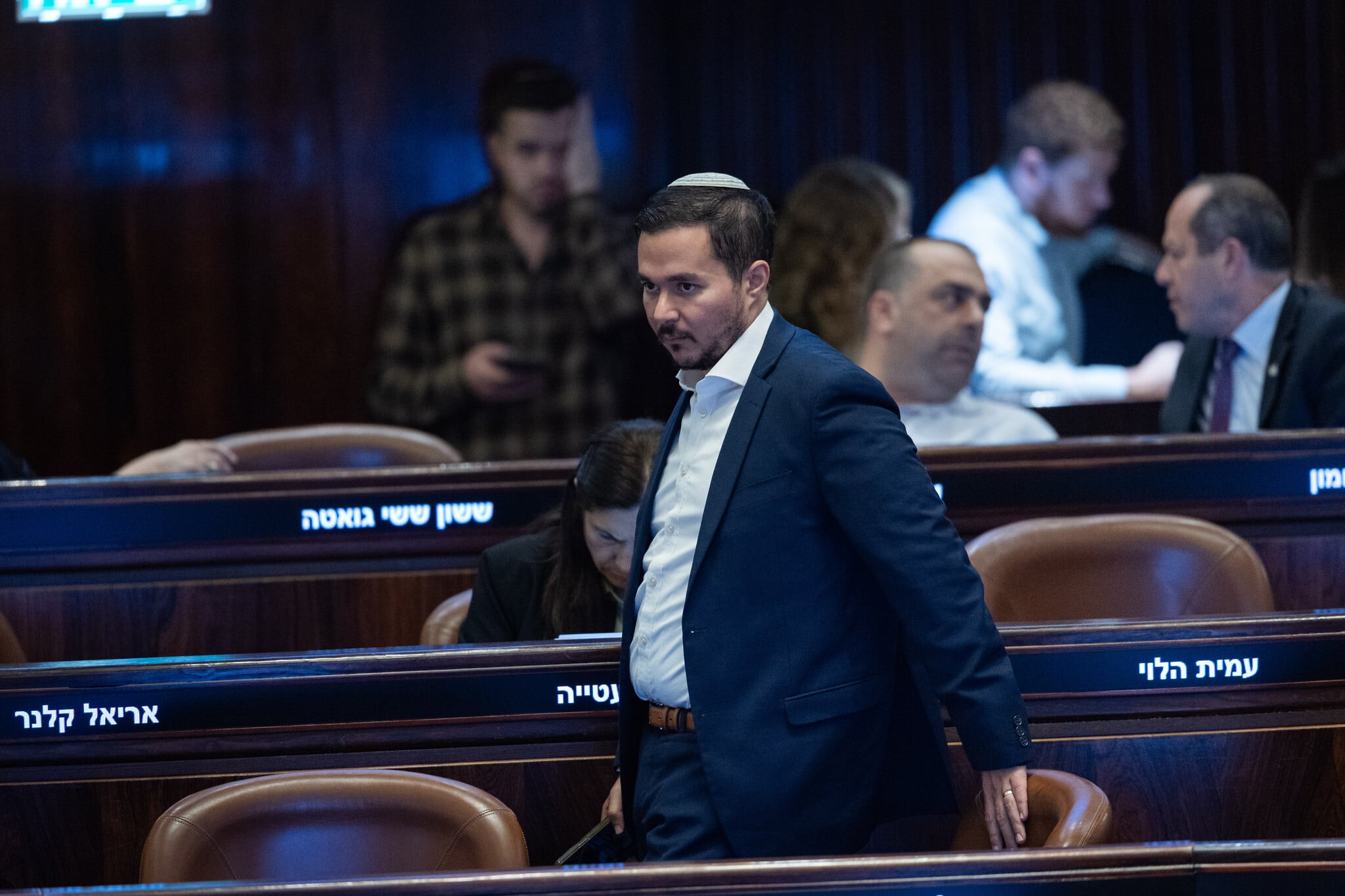
Even Shas isn’t safe: polling now has it dropping from its current 11 seats to just seven, as religious voters who serve — or whose families serve — struggle to stomach a party protecting draft dodgers in wartime.
The political impact has filtered down to the local level as well. This week, mayors and council heads from across the country, including senior Likud figures, signed a blistering letter calling the law “a severe blow to national resilience and the cohesion of Israeli society” that “should never have come into being.”
Signatories included Haim Bibas, who heads the Federation of Local Authorities umbrella group, the heads of the Merhavim and Sdot Negev regional councils, and the mayor of Or Yehuda — all Likud officials.

None of this should have been a surprise. A law that freezes arrests for one community while denying that protection to everyone else obligated to serve was always going to be a losing proposition. Within 24 hours of being passed, the High Court had put a freeze on implementing the law until it can hold a hearing for an interim injunction while it considers whether to strike down the law altogether.
Which means Likud may end up eating the entire political cost without banking any of the benefit. The coalition burned days of floor time and hours of committee work to pass a law so problematic that it could not even stand for a single day, and, odds are, never will. The Haredi parties pushed Likud to the brink to get this law, and what they got in return was public fury, a withered coalition and a few hours with legislation that will likely soon be completely gutted.
As the election approaches, Netanyahu and the coalition are likely to try diverting the public’s attention by lodging complaints against the judiciary, or by continuing to sling mud against political challenger Gadi Eisenkot for being willing to entertain entering a coalition with Arab parties.
But the anger over the exemptions runs deep, and if Eisenkot and fellow challenger Naftali Bennett want to make the Haredi draft the defining issue of the campaign, they’ll have little trouble keeping it in the headlines.








The Times of Israel Community.