

Regional ‘burka ban’ up for vote in Switzerland
St. Gallen expected to follow example of southern canton of Ticino, where 2016 law attempted to ban full face-covering Muslim veil
 Add ToI as a Preferred Source on Google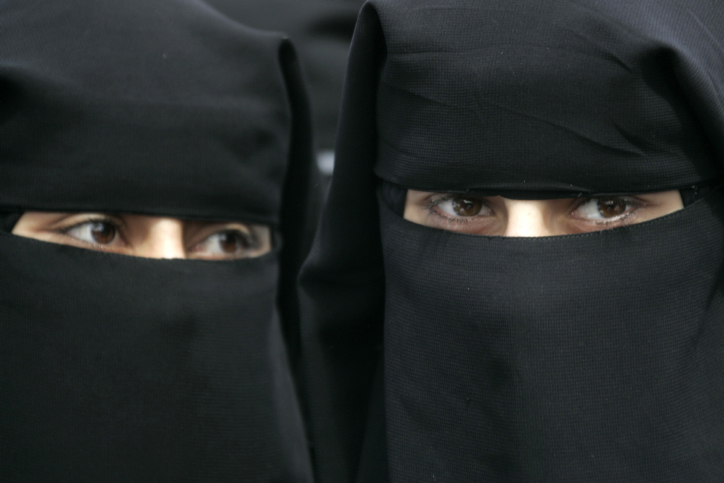
GENEVA, Switzerland (AFP) — A second Swiss canton will vote Sunday on whether to introduce a regional “burka ban,” a controversial law that would prohibit all face-covering garments in public spaces.
The ballot in northeastern St. Gallen is to be held as voters across the country also determine whether a moratorium on genetically modified crops should become a full-out ban.
St. Gallen is expected to follow the example of the southern canton of Ticino, where a law was introduced two years ago which appeared to be aimed at burkas and other Muslim veils.
A text stipulating that “any person who renders themselves unrecognizable by covering their face in a public space, and thus endangers public security or social and religious peace will be fined” was adopted by lawmakers in St. Gallen late last year.
That law passed the regional parliament with support from the populist right and center parties — but the issue is being put to the people after the Green Party and Young Socialists demanded a referendum.
The text, first drafted following uproar in the canton over a girl who wore a full-face veil to school, is problematic, according to Fredy Fassler, a socialist in charge of security and justice in St. Gallen.
It does not define when a woman wearing a burka constitutes a danger, and critics “worry the sanctions will be unpredictable and arbitrary,” he told daily newspaper Le Temps.
Switzerland’s government last year opposed an initiative aimed at creating a nationwide burka ban, saying it should be up to the regions to determine if such measures are appropriate.
All Swiss voters will eventually cast ballots on the issue after the populist right-wing Swiss People’s Party gathered the 100,000 signatures needed to put any subject to a referendum as part of Switzerland’s famous direct democratic system.




The Times of Israel Community.