

Religious Zionism MK says Haredi draft bill needs changes before party can back it
Moshe Solomon calls for fixes to close loopholes such as clause allowing recruitment targets to be lowered, says party united in demands, but source indicates coalition faction likely to fold

 Add ToI as a Preferred Source on Google
Sam Sokol is a former political correspondent at The Times of Israel. He was previously a reporter for the Jerusalem Post, Jewish Telegraphic Agency and Haaretz. He is the author of "Putin’s Hybrid War and the Jews"
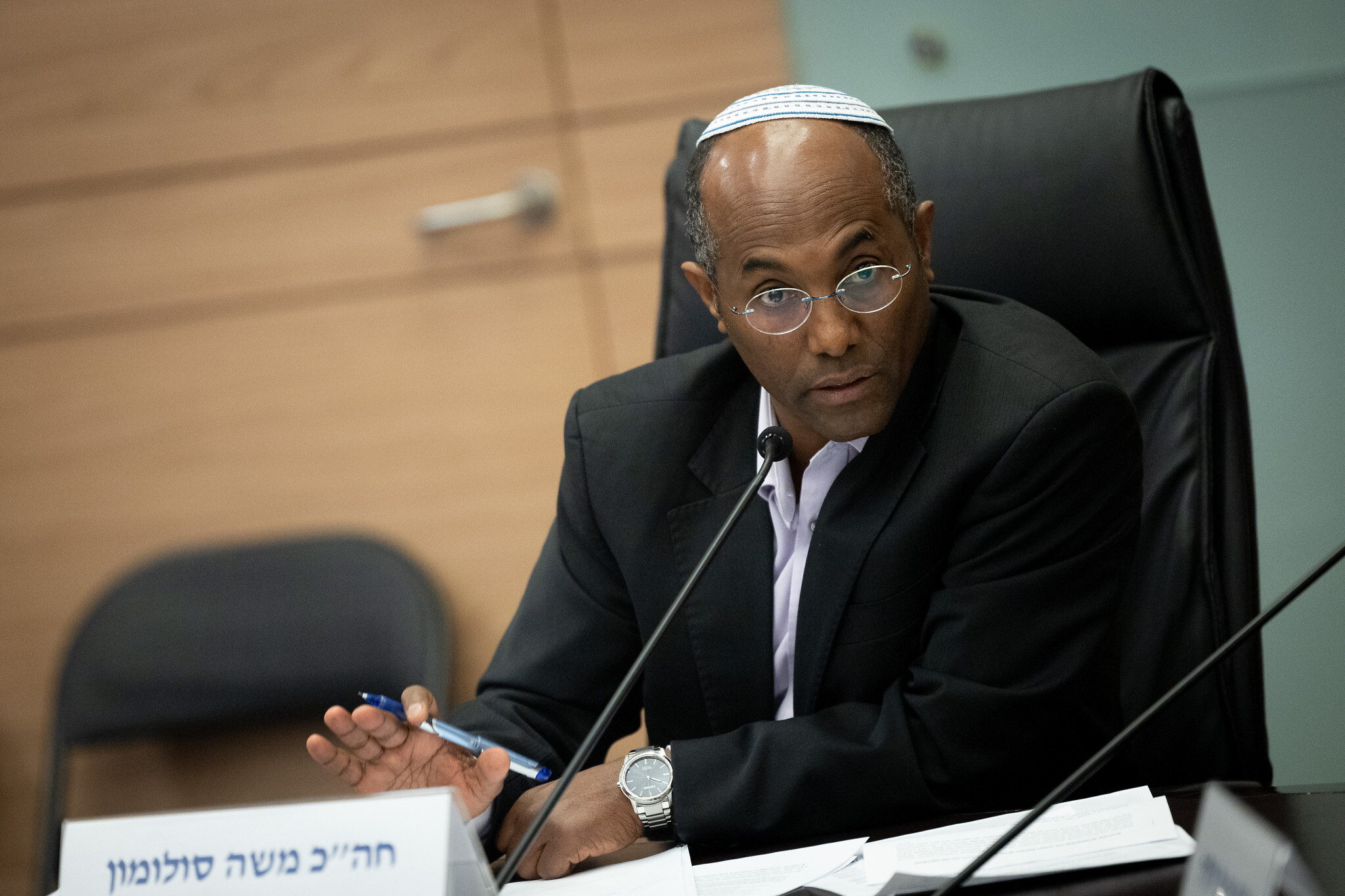
The current version of the government’s bill regulating ultra-Orthodox conscription has “many holes” and is “not good enough,” Religious Zionism MK Moshe Solomon said this week, warning that unless substantial amendments are made, his party will find itself unable to support the controversial legislation.
“Our goal is to amend every single clause to ensure that, in the end, we can recruit Haredim and they can take part in the great merit of serving in the Israel Defense Forces,” the nationalist lawmaker told The Times of Israel in a telephone interview on Tuesday.
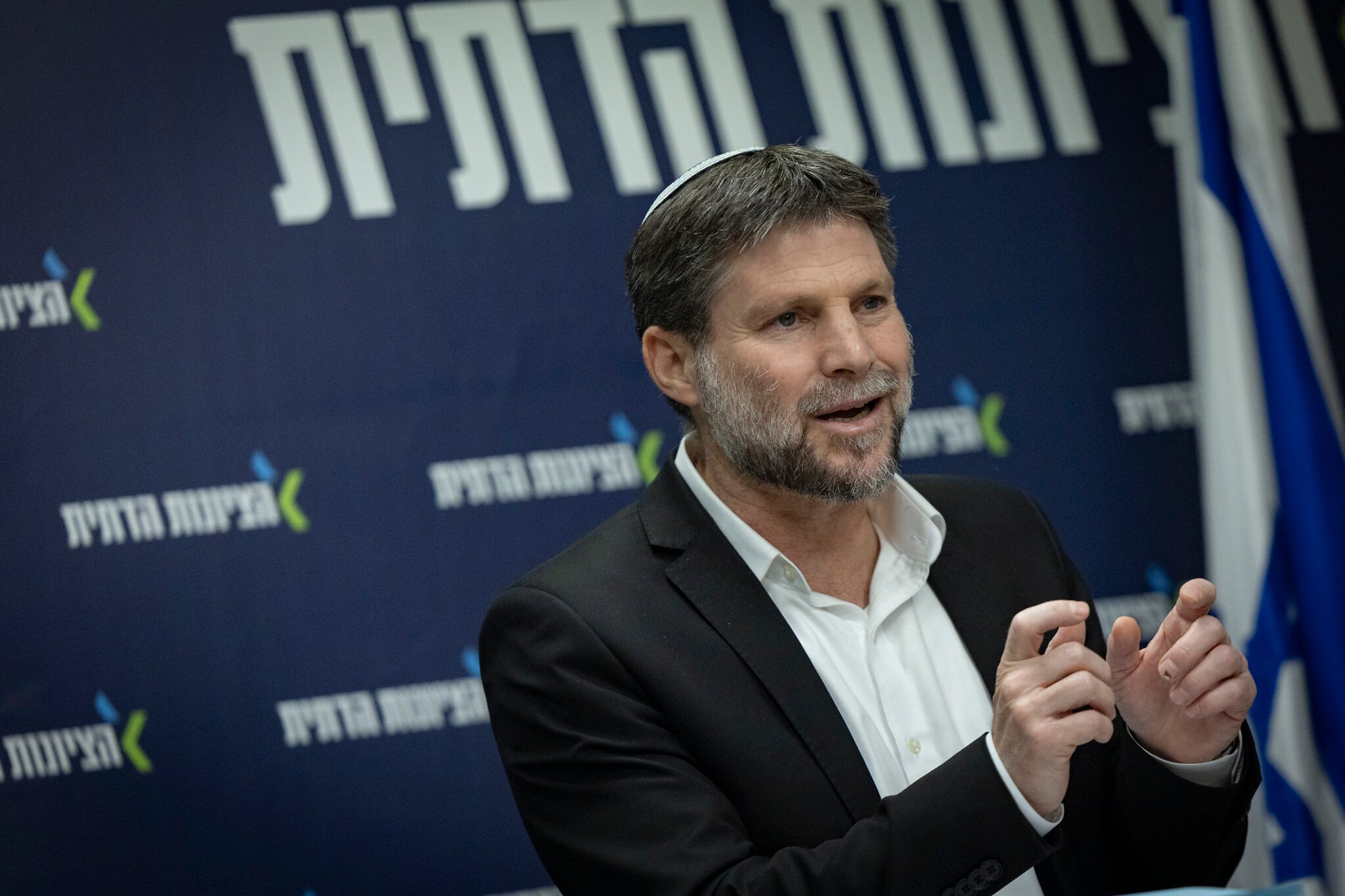
The comments from Solomon appeared to be generally reflective of the thinking of Religious Zionism’s leader Bezalel Smotrich, who has refused to say if he supports the legislation, leaving a question mark over whether the coalition will manage to muster the needed support to pass the controversial measure, with the government’s survival likely hanging in the balance.
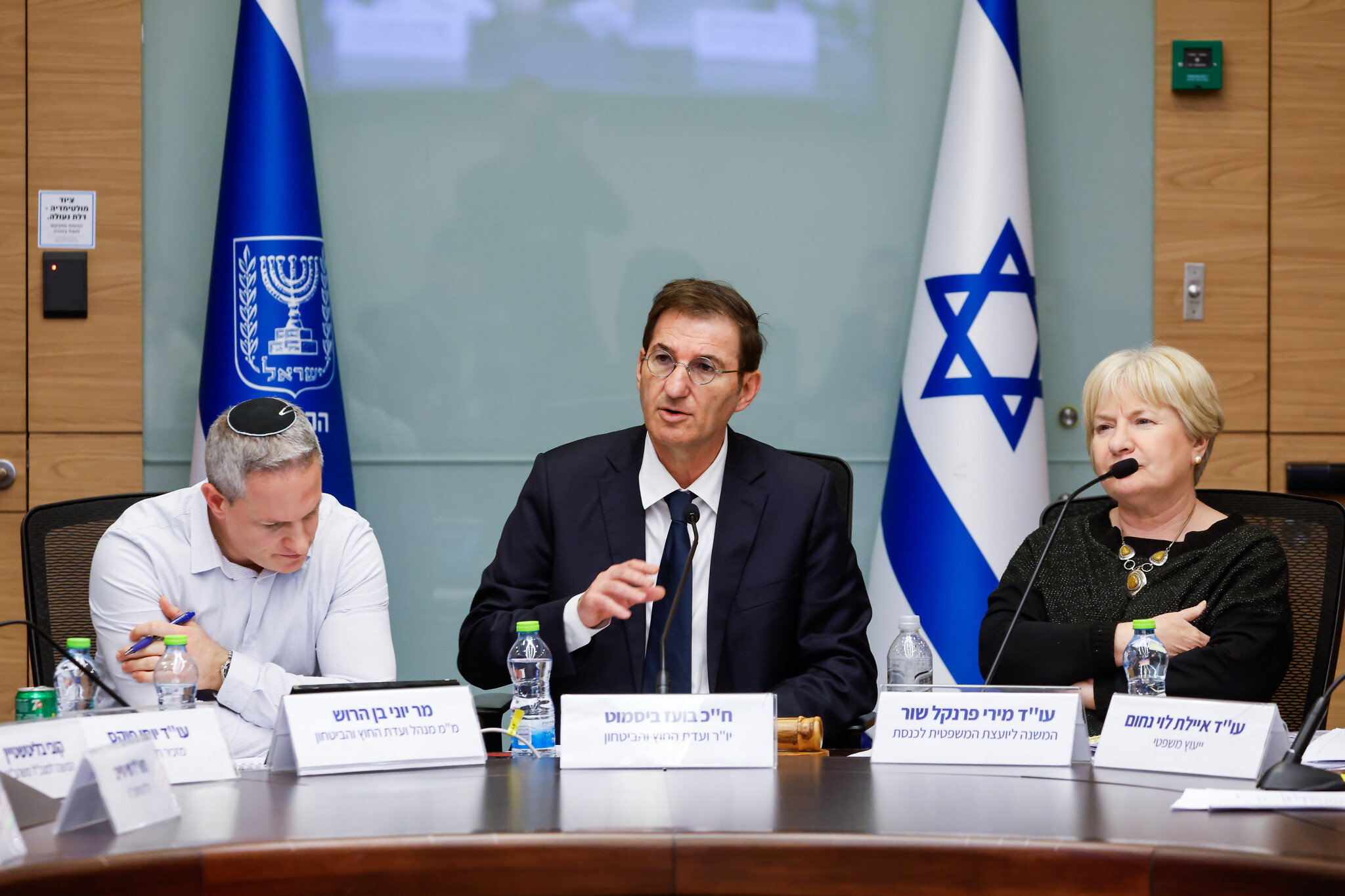
The bill is set to move to the plenum for a full vote in the coming weeks after Knesset Foreign Affairs and Defense Committee chairman Boaz Bismuth (Likud) announced the end of parliamentary deliberations on the measure late last month.
However, there are still fierce behind-the-scenes negotiations, with ultra-Orthodox representatives pushing back hard against changes demanded by committee legal advisor Miri Frenkel Shor.
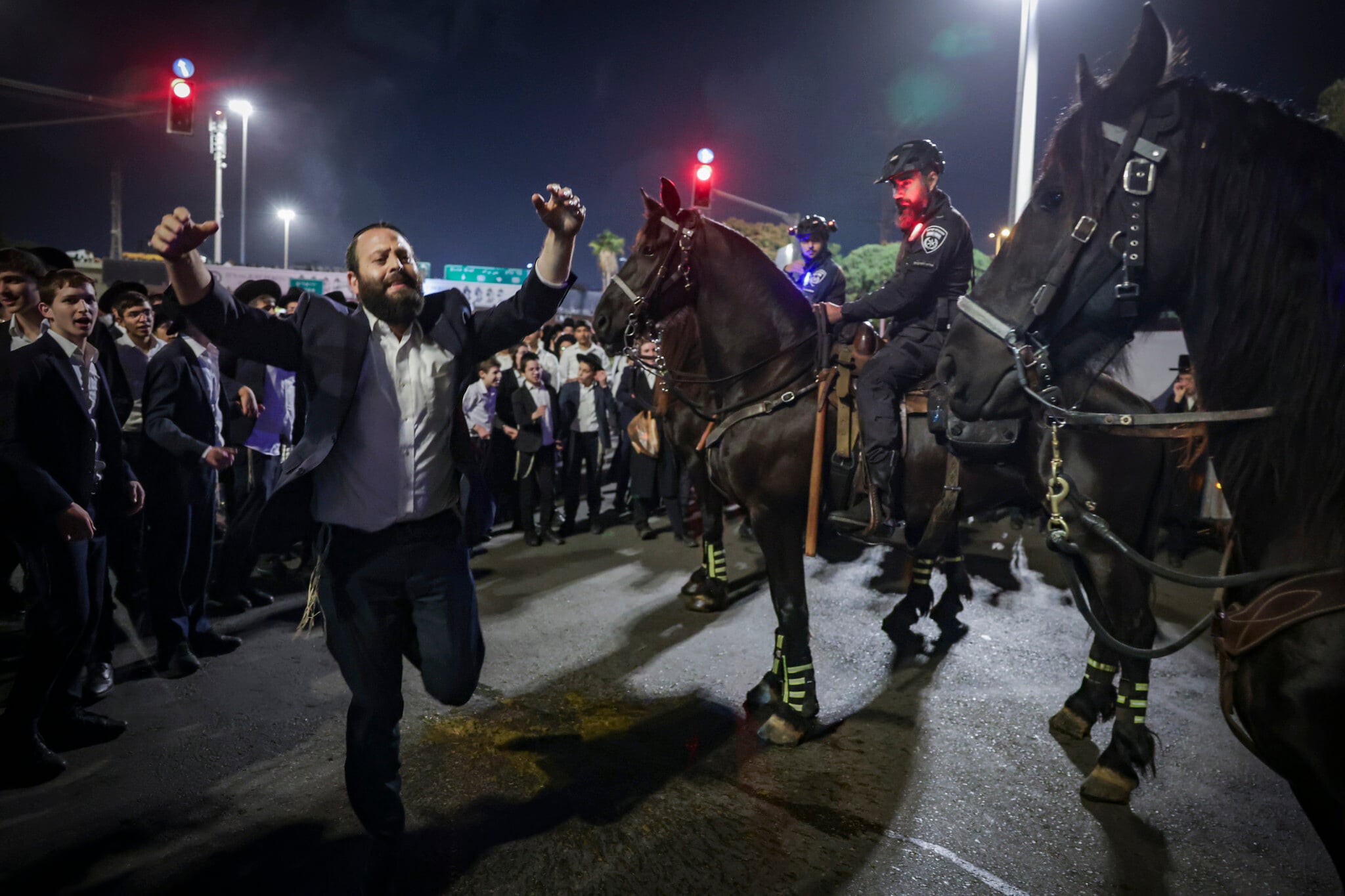
For the past two years, the Haredi leadership has pushed for a law keeping its constituency out of the IDF, after the High Court ruled that decades-long blanket exemptions from army duty traditionally afforded to full-time Haredi yeshiva students were illegal.
Since then, coalition lawmakers, dependent on Haredi support to keep them in government, have struggled to find a formulation that could win ultra-Orthodox backing while also meeting demands for the community to share in the burden of mandatory military service.

Some 80,000 ultra-Orthodox men aged between 18 and 24 are currently believed to be eligible for military service, but have not enlisted. The Israel Defense Forces has said it urgently needs 12,000 recruits due to the strain on standing and reserve forces caused by the war against Hamas in Gaza and other military challenges. According to the IDF, 80 percent of all draft evaders are currently members of the ultra-Orthodox community.
The latest version of the bill, drafted by Bismuth, would codify blanket exemptions from military service for full-time yeshiva students, while setting modest conscription targets for the community as a whole. It has come under fire from the IDF brass, the attorney general, and a wide array of other critics, who have objected to it on the grounds that it is full of loopholes and will not increase Haredi enlistment.
Solomon is one of the coalition MKs who have vocally pilloried the bill, including Likud MKs Yuli Edelstein and Dan Illouz, New Hope’s Sharren Haskel and Religious Zionism’s Michal Woldiger and Ofir Sofer.
“In the past, there was a perception that we needed a small, smart, and strong army; today, we need a large, smart, and strong army. Therefore, all sectors of Israeli society must enlist…as a party, we declared from the start that we want a real, significant draft law that actually brings Haredim into the ranks of the IDF,” Solomon insisted. “Our goal is to amend every single clause to ensure that, in the end, we can recruit Haredim and they can take part in the great merit of serving in the Israel Defense Forces.”
Addressing a conference on Tuesday, Woldiger stated that the bill is “no good” in its “current form.
Sofer, who also serves as immigration minister, held a press conference in December to announce that he would “vote against this law, even if it means the prime minister will fire me.”
Smotrich, though, has rebuffed queries regarding his position, repeatedly telling reporters that Religious Zionism would only decide after the committee finishes its deliberations and presents a revised bill.
Solomon stuck to that position, repeating that “we are waiting for the final draft.”
“Currently, the draft is not good enough; it has many holes. If it is a law that actually recruits, we will be there. If not, we won’t. We believe IDF service is a mitzvah,” he said, noting how many members of the religious Zionist community fell in the recent war.
“We combine Torah and the army. We want to maintain the integrity of the coalition, but on the other hand, it’s vital that this isn’t just a ‘revolving door’ but a law that brings new people into the IDF.”
An informed coalition MK with insight into various parties’ thinking on the issue told The Times of Israel that Smotrich’s party would be likely to fold to coalition pressure to support the bill in the end, backing a slightly modified but functionally identical bill, saying that “most of them will vote in favor and maybe one more of them will defect.”
Solomon indicated he thought the faction would remain united over the issue and downplayed the chance of a defection, stating that “we are a cohesive party.”
“In the end, we will be measured by the bottom line: whether there is a draft law. Statements for or against don’t always help. It’s clear to everyone that we are counting on amendments,” he said. “The law must bring in those 3,000 Haredim in the first year, and then 5,000–6,000 annually, until after five years we reach 50% of a recruitment cycle. If it doesn’t look like that, I don’t think the faction as a whole will support it.”
The lawmaker spoke out against a clause in the bill allowing an advisory committee to lower recruitment targets should its members feel that insufficient Haredi-oriented tracks have been established in the IDF.
“There is a law, there are targets, and a target for meeting them must be defined for each year. If those targets aren’t met, there must be very clear sanctions, both institutional and personal. That is one basic demand,” he said.
Solomon also demanded that the legislation define people as Haredi if they live a Haredi lifestyle and not include everybody who attended a Haredi school between the ages of 14-18, a rubric that critics say will result in formerly Haredi enlistees counting toward the quota.
One sticking point for many critics is Bismuth’s willingness to allow full-time yeshiva students to continue receiving annual deferments until the age of 26, when they would receive a complete exemption from military service.
According to Solomon, if someone receives an exemption at age 26, they should still be required to serve via a secondary track in which older recruits are given an abbreviated training so that they can enter the IDF reserves.
“Ultimately, we have an enlistment age from 18 to 26. We expect the Haredi world to meet the targets,” he said, while highlighting the importance he placed on Torah study.
“Our army is built on the reserves. Even someone who finished their service deferral at 26 should eventually do [this] so they can take a significant part in reserve service. That is my expectation.”




The Times of Israel Community.