

Remembering the Holocaust: Albany interfaith project to create outdoor memorial
After extensive work restoring Jewish cemeteries around Europe and his father’s hometown in Belarus, Dr. Michael Lozman sets his sights on the US
 Add ToI as a Preferred Source on Google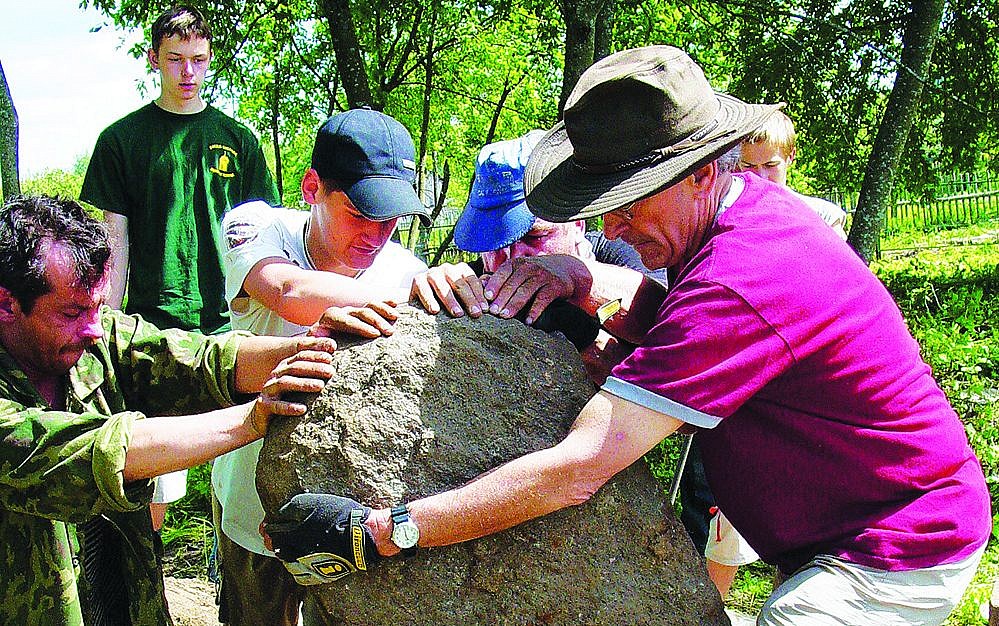
ALBANY, New York (New Jersey Jewish Standard) — Perhaps because he has spent so many years working to restore abandoned Jewish cemeteries in Eastern Europe, Michael Lozman of Albany, New York, has come to believe that the lessons of the Holocaust must be disseminated as widely as possible.
And perhaps because the many years he has spent doing this work have given him the credibility to be an advocate for a Holocaust memorial, Lozman now is actively engaged in that work.
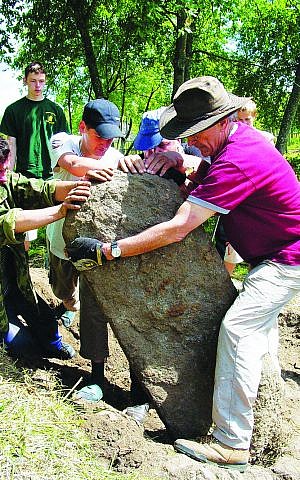
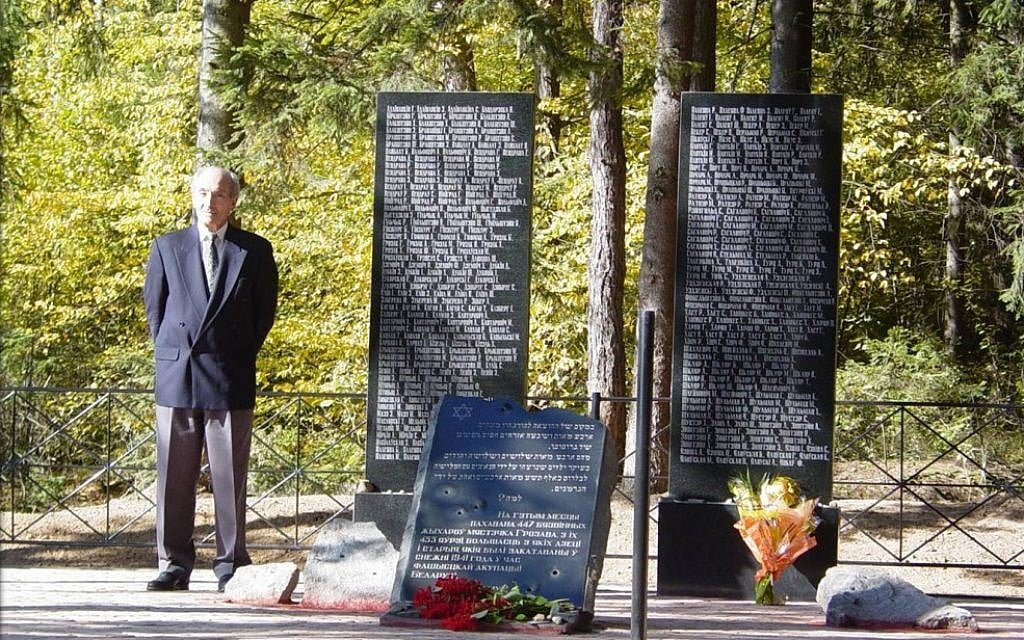
“It all comes together,” said Lozman. “I spent the past 16 years restoring cemeteries in Eastern Europe” bringing students there to stay with village families and learn more about the Shoah.
“When I came back home, I realized that this was a project I wanted to do. Albany does not have an appropriate Holocaust memorial,” he said.
Lozman, an orthodontist whose father came from a small village in Belarus and later emigrated to the United States, said his interest in restoring cemeteries began when he visited his father’s hometown and saw the deplorable condition of the cemeteries.
With the Jews killed and most synagogues burned, without an effort to fence in and restore the cemeteries, “there would be no physical evidence that the Jews were there,” Lozman said. “This is a way to preserve Jewish history.”
His proposed outdoor memorial here in the United States has the added benefit of being an interfaith project.
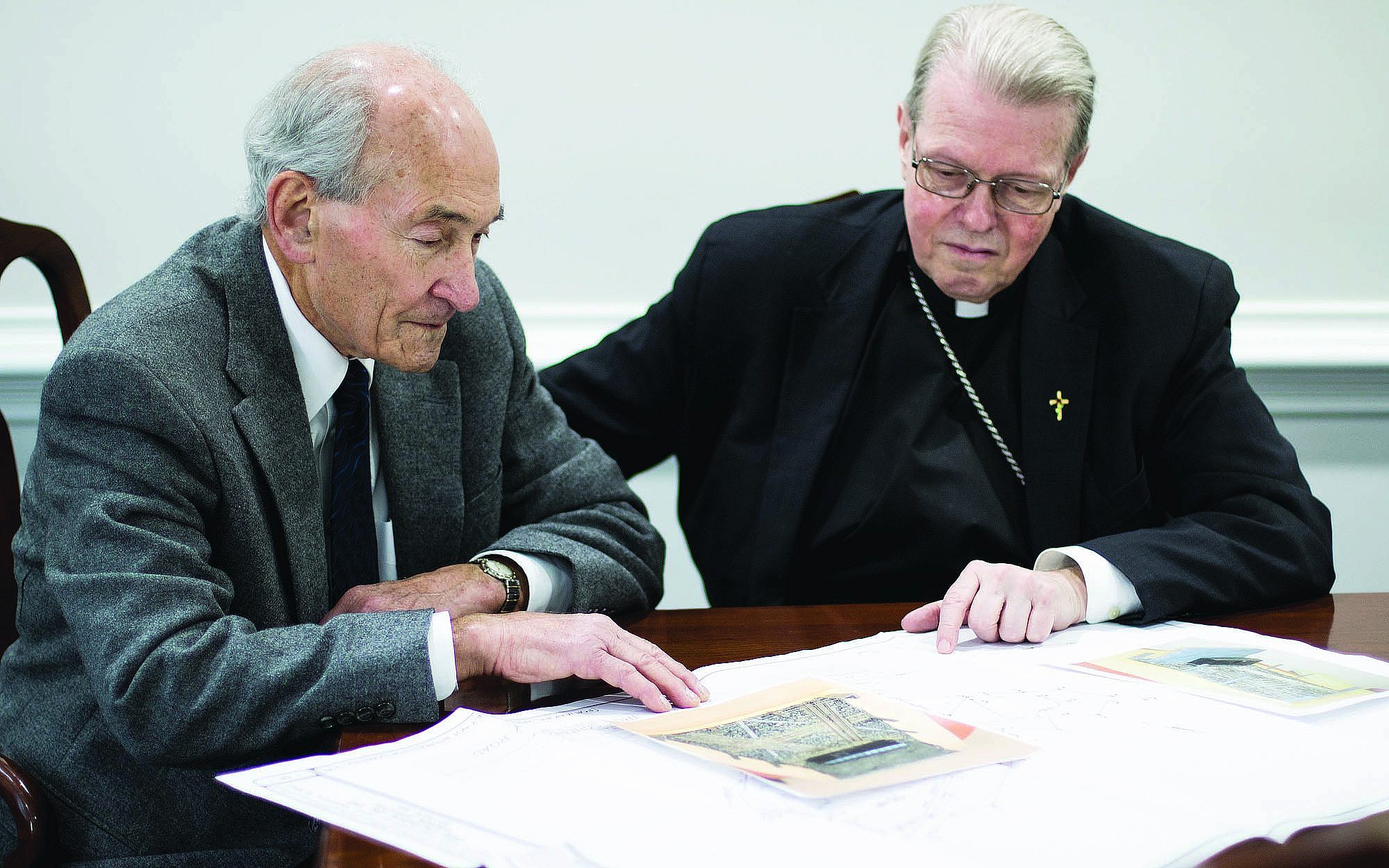
“I approached Bishop Edward Scharfenberger, the bishop of our area, last summer and suggested this as an interfaith project that speaks against hatred and teaches what bigotry and prejudice can lead to if left to grow,” said Lozman.
Scharfenberger heads the Roman Catholic Diocese of Albany.
“I also noted that Albany should have an appropriate Holocaust memorial. He totally agreed and was very excited about it,” Lozman said.
Not only was the bishop receptive, he also offered to provide a newly acquired piece of church property next to the Catholic cemetery.
“Since it had not yet been consecrated, he could deed this to our foundation,” said Lozman, who registered the project several years ago so that contributions could be made tax deductible.
“Essentially, I wanted a memorial that would be educational in design and give the viewers a sense of what cruelty the Jews were subjected to,” Lozman said.
“It has been estimated that 4 million Jews were transported by rail, stuffed into boxcars, and sent to the gas chambers,” he continued.
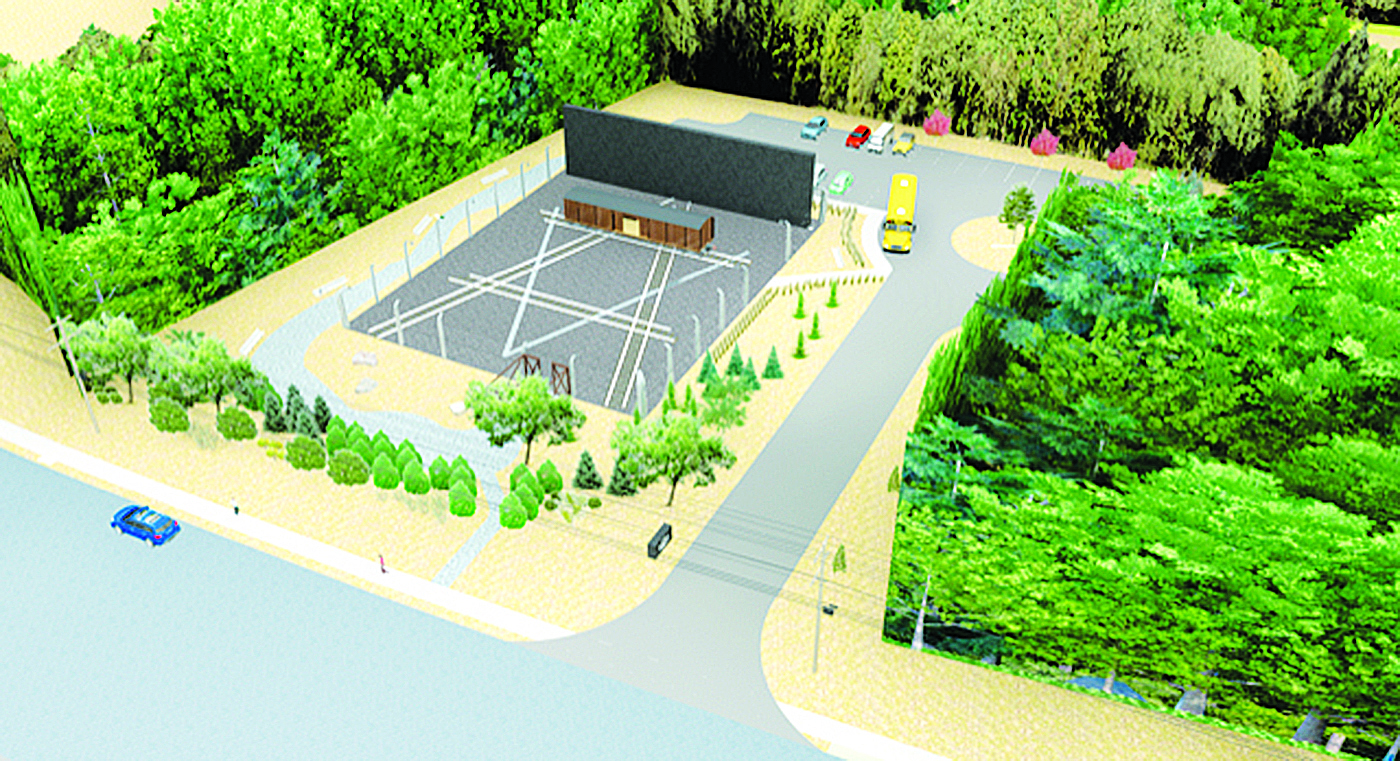
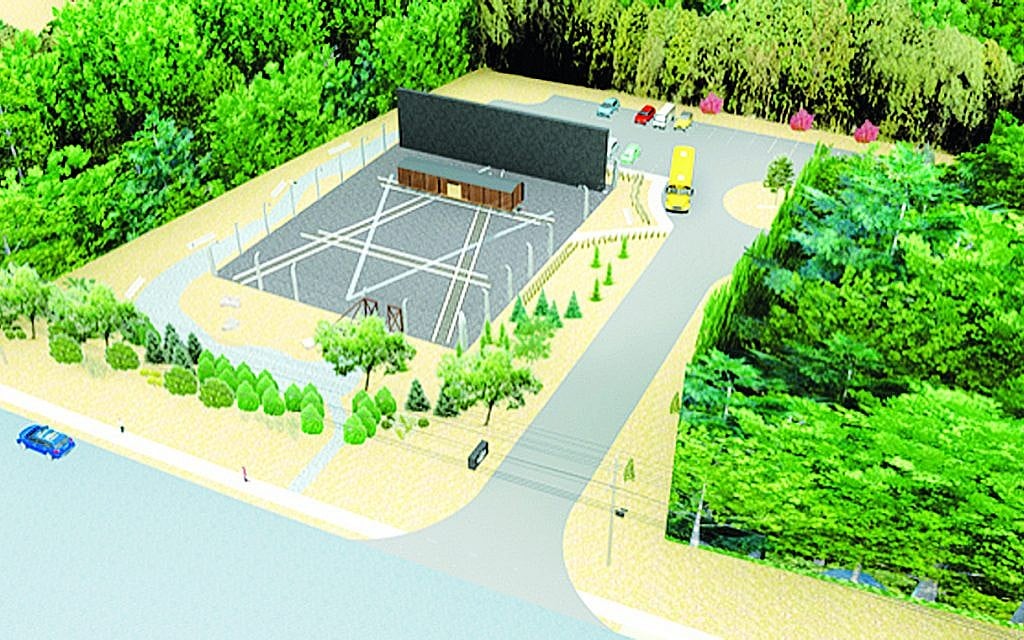
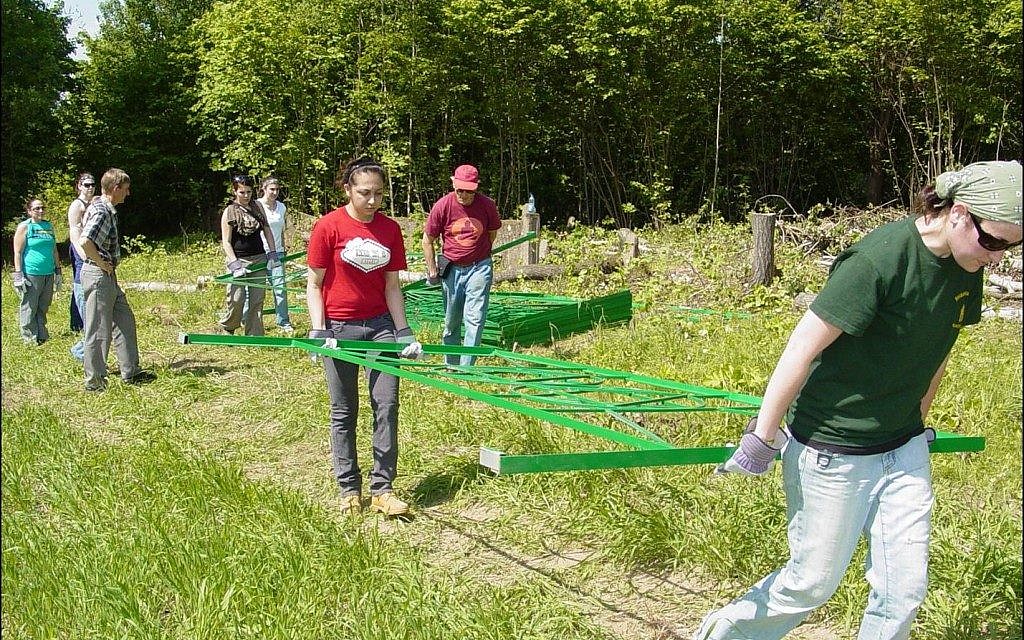
“I wanted a railroad boxcar, railroad tracks, a large wall that represented the gas chamber, all enclosed by a wire fence, so that, similar to visiting the Vietnam Memorial, one would be drawn into the memorial, to be changed by the hard truth of what they are seeing. It is not designed to be shocking, but by symbolism, to portray a shocking history,” Lozman said.
The proposed memorial will be in Niskayuna, New York, a suburb that is both close to Albany and on a major highway. The memorial will be buffered by trees and have its own entrance onto the highway. According to Lozman, the Niskayuna planning board has given its unanimous approval. He now is waiting for the town board to approve the project as well.
“Niskayuna is an excellent location,” said Lozman. “The town has a great school system, high employment, and is a model community. In years to come, this memorial will become an important landmark that the community will be proud of because it will be an expression of people caring enough to help educate against hatred and express hope for a better tomorrow. “
Lozman noted that this might be the first time in the United States that a Catholic diocese has joined with the Jewish community to develop a Holocaust memorial.
“It’s an extremely important step forward,” he said. “It shows a great deal of sensitivity to the effects of the Holocaust. The bishop is to be commended for his willingness and enthusiasm.”
While, inevitably, there has been some pushback against the project, “most people overwhelmingly see the bigger, long-term picture,” Lozman said.
“This is educational, so that when one goes there, they have the sense, the feeling, of what the Jews went through. We are going to have kiosks along the pathway with signage explaining the symbolism of the items used in the memorial. It will also provide a historical perspective of what the Holocaust was all about and information on how many others were killed in the Shoah as well,” he said.
The boxcar will be closed to the public. “It’s enough to see it,” said Lozman. The names of survivors who live in surrounding communities will be behind the wall representing the gas chamber.
Handprints of their children will be next to it. Lozman is not concerned about the difficulty of locating these families — he is confident that they will reach out when they hear of the project. There also will be benches where visitors can sit to meditate and pray.
Lozman said he anticipates that students who visit the memorial will have learned about the Holocaust in their schools, and that teachers will accompany them to the site to offer further instruction. He hopes that school buses will make their first stop at the Jewish Federation building, where they will receive additional information about the Shoah.
Lozman has worked hard to spread his message, but, he said, “If there was no Holocaust, none of this work would be necessary. I’m doing it for the victims of the Holocaust. What else can you do for them? They deserve to have their family cemeteries preserved and their family names preserved.
“It’s for the victims, but it’s also preserving our Jewish heritage,” Lozman said.





The Times of Israel Community.