

Rising Mediterranean pushes groundwater up into Tel Aviv basements
Water Authority’s head of hydrology urges planners, developers to prepare for a rarely discussed climate change threat to urban infrastructure
 Add ToI as a Preferred Source on Google
Sue Surkes is The Times of Israel's environment reporter
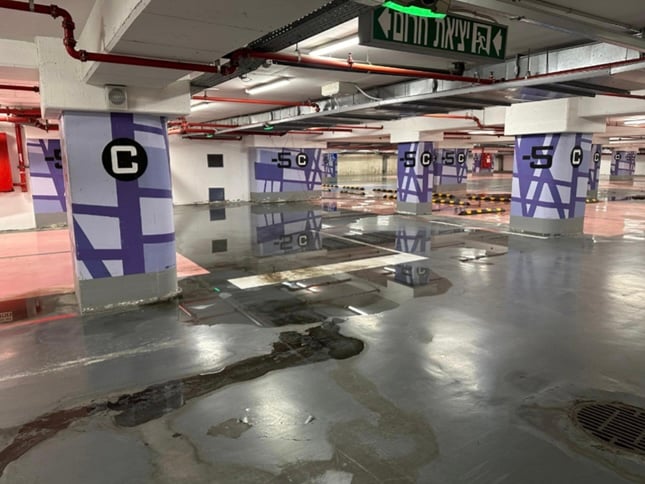
The Water Authority’s director of hydrogeology has called on planners and officials involved in urban development to prepare for a little-talked-about consequence of climate change that is already showing up in underground parking lots: rising groundwater.
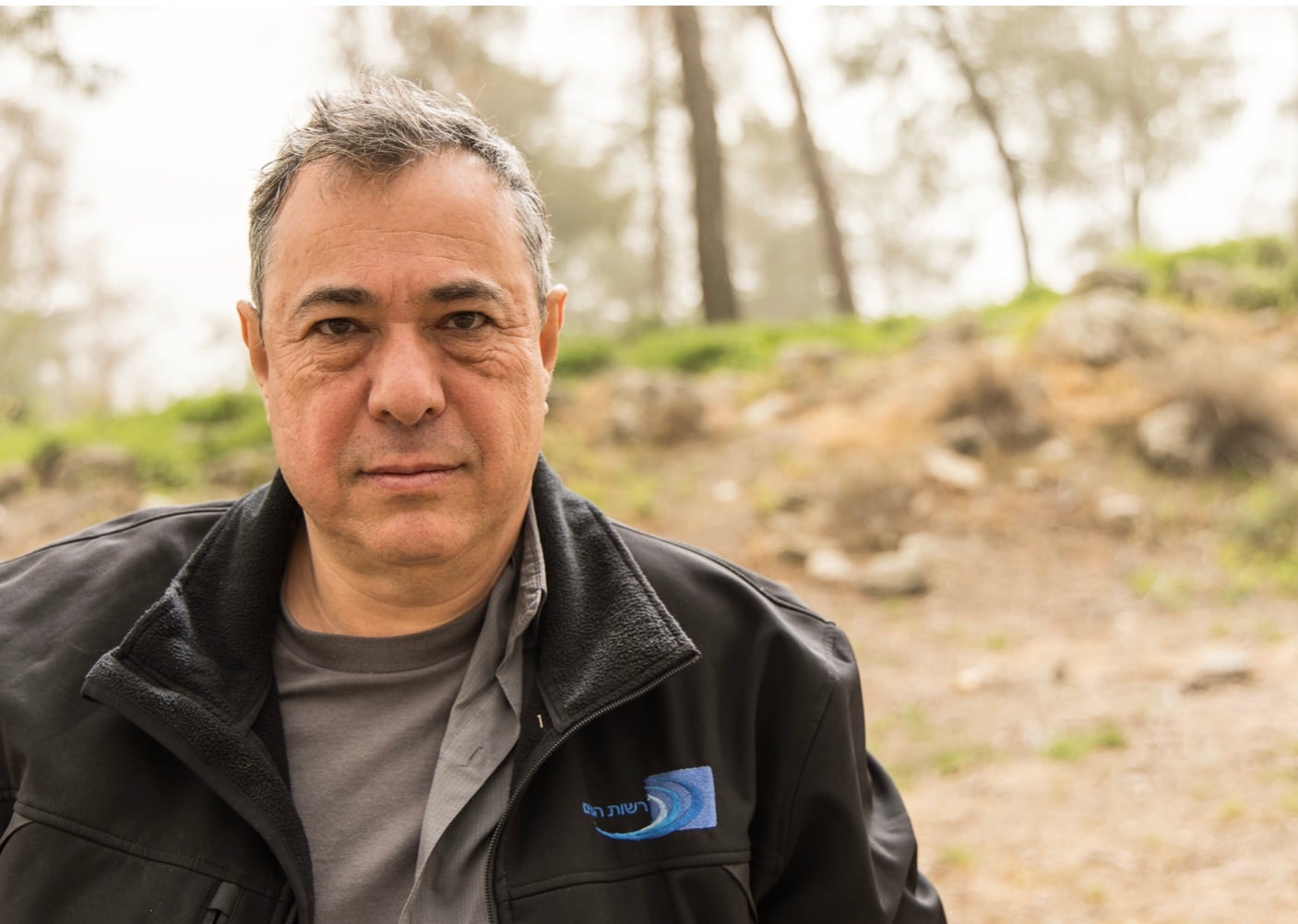
Yakov Livshitz has documented groundwater intrusion into parking lots in the Tel Aviv neighborhoods of Bavli, Ramat Hahayal, and the old north district near Basel Square.
Rising temperatures, largely driven by human burning of fossil fuels, are causing Earth’s ice to melt and sea levels to rise. In Israel, where the Mediterranean Sea is closed in on nearly all sides, that process is happening faster than the global average.
The Israel Oceanographic and Limnological Research Institute, which has been monitoring sea levels since 1992, has registered an average increase of 4.6 millimeters (0.18 inches) per year, compared with a global annual rise of 3.25 millimeters (0.13 inches).
As sea levels rise and rain-fed groundwater is depleted by pumping for human needs, seawater encroaches further inland. Because seawater is heavier than freshwater, it slides under the freshwater like a wedge, pushing the groundwater and the water table upwards.
In October 2024, the Water Authority published a report by Livshitz on the impact of three sea-level rise scenarios on locations at varying distances from the Mediterranean Sea along the coastal plain. The scenarios, developed by the Environmental Protection Ministry, were for sea level rises of 57 centimeters (22.4 inches), 80 centimeters (31.5 inches), and 91 centimeters (35.8 inches) by the year 2100.
The research predicted a water table rise of 57 to 91 centimeters (22.4 to 35.8 inches) in Netanya by 2100 at a distance of 0.125 kilometers (410 feet) from the shoreline, dropping to between 21 and 27 centimeters (8.3 to 10.6 inches) 14 kilometers (8.7 miles) further inland.
For the Tel Aviv and Ashdod areas, the figures were the same for the area closest to the shoreline.
But for locations 14 kilometers away, they ranged from 23 to 32 centimeters (9 to 12.6 inches) in Tel Aviv and from 17 to 23 centimeters (6.7 to 9 inches) in Ashdod.
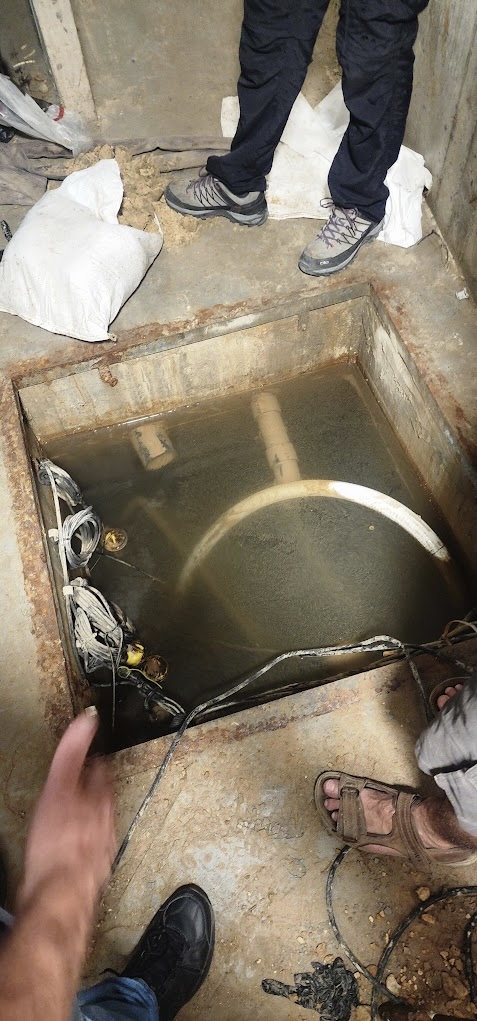
Livshitz wrote that the rise in groundwater levels “could cause the flooding of urban drainage systems and greatly worsen the frequency and intensity of urban flooding in the future…”
Unless properly planned for, it could damage water supply and sewage systems, his report went on, lead to the collapse of water treatment plants, harm essential underground infrastructure such as electricity and communications systems, bring groundwater into the basements of buildings that were built or designed inappropriately, and even compromise structural stability.
He called for mapping potential hazards and creating a 3D map of the location of essential infrastructure, a call that has yet to be answered.
Speaking to the Times of Israel, Livshitz said he had not yet seen evidence of infrastructure damage caused by groundwater rising due to sea-level rise.
The examples of groundwater intrusion in subterranean parking lots were due to poor construction, he went on. The buildings should have been properly sealed.
In buildings where groundwater intrusion was discovered, residents should be charged for disposal of the water, he explained. They could be exempt from payment only if they had special permits to build pumps and to send the water back into the coastal aquifer from which it came.
“The issue isn’t as urgent as an Iranian missile,” Livshitz said. “But it’s happening all the time, we have time to prepare, and if we don’t, we’ll have problems.”
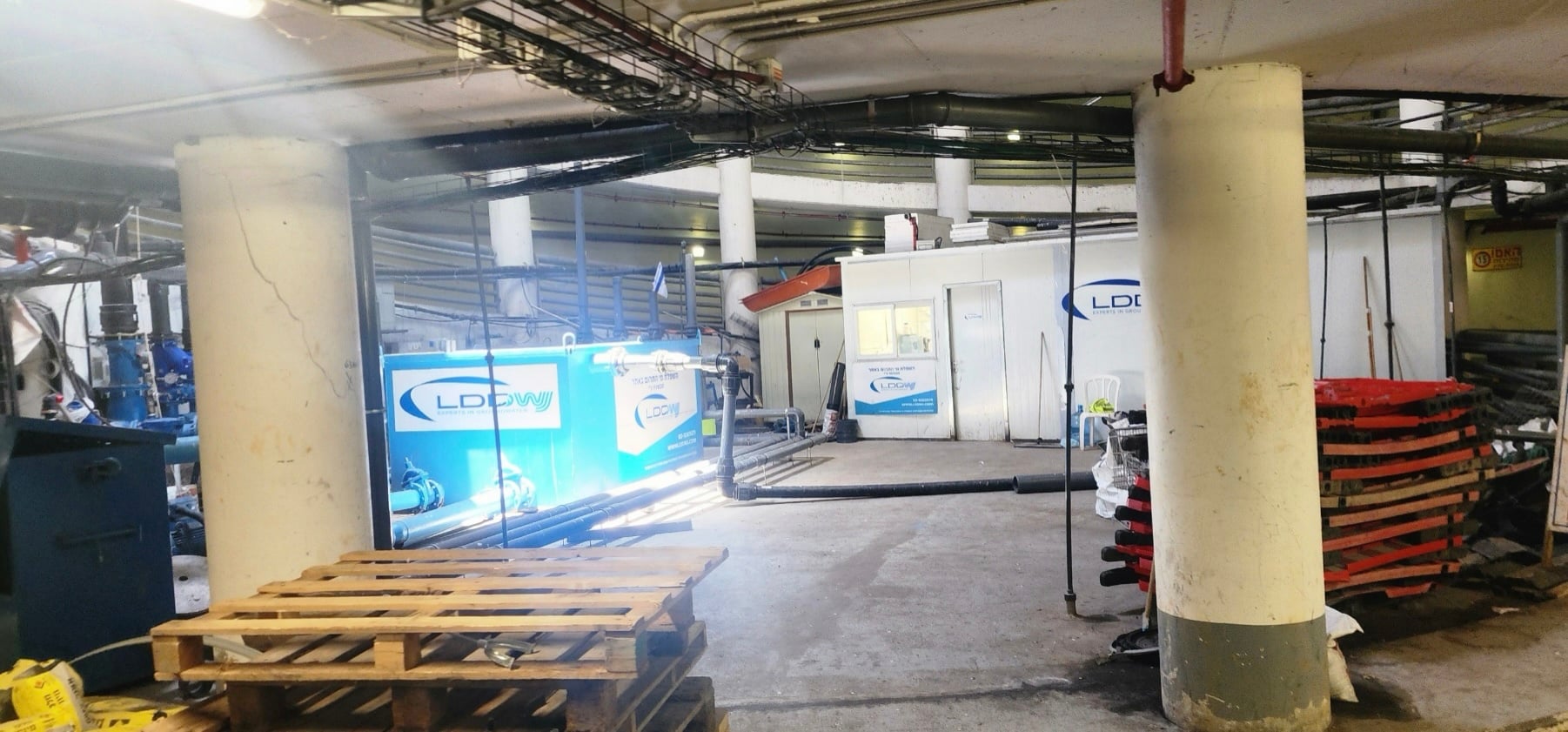
Asked if the planning authorities were ready, he said, “I’ve presented my report to the most important forums of decision makers. Slowly, they are taking it into account.”
He went on, “We know there are other cases, but we are still working on the best way of approaching this phenomenon. As these places are deep underground and could serve to protect residents during missile attacks, it’s especially important that they be dry.”
Livshitz is currently working around the clock with the builders of the Tel Aviv metro. “They’re constantly asking us to tell them what the groundwater levels will be in the future so they can build as they should,” he told the Times of Israel.
He added that at present, the intrusion of seawater was having no significant effect on the freshwater pumped for drinking.








The Times of Israel Community.