

Russia, China and Turkey push for immediate end to Iran war
Erdogan condemns both sides of conflict, says Ankara making ‘intense’ diplomatic effort to end fighting; Chinese FM tells Israeli counterpart force ‘will only bring new problems’
 Add ToI as a Preferred Source on Google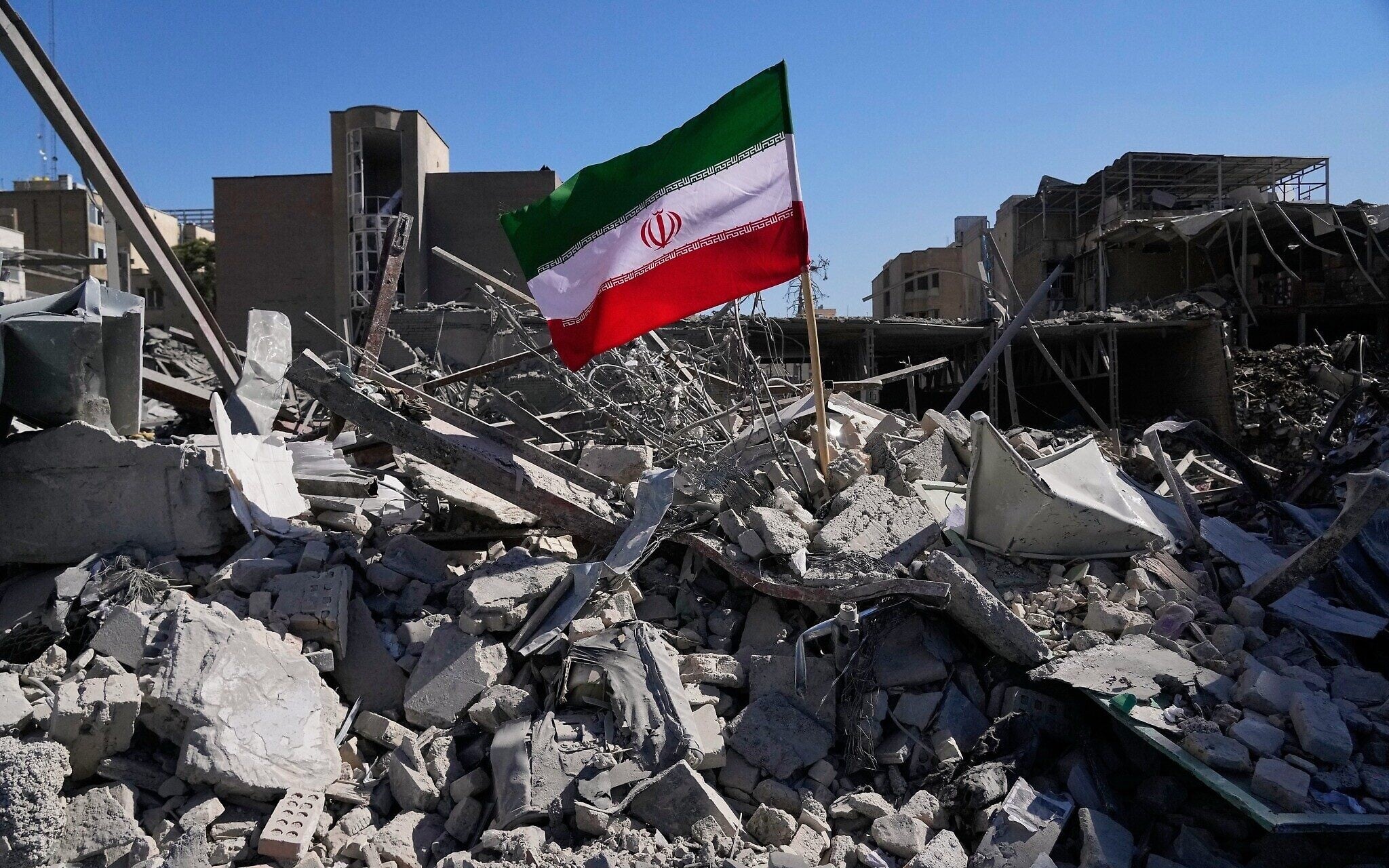
Russia, China and Turkey on Tuesday called for an immediate end to the war launched by the US and Israel on Saturday against Iran, which has retaliated with missile and drone strikes across the Middle East.
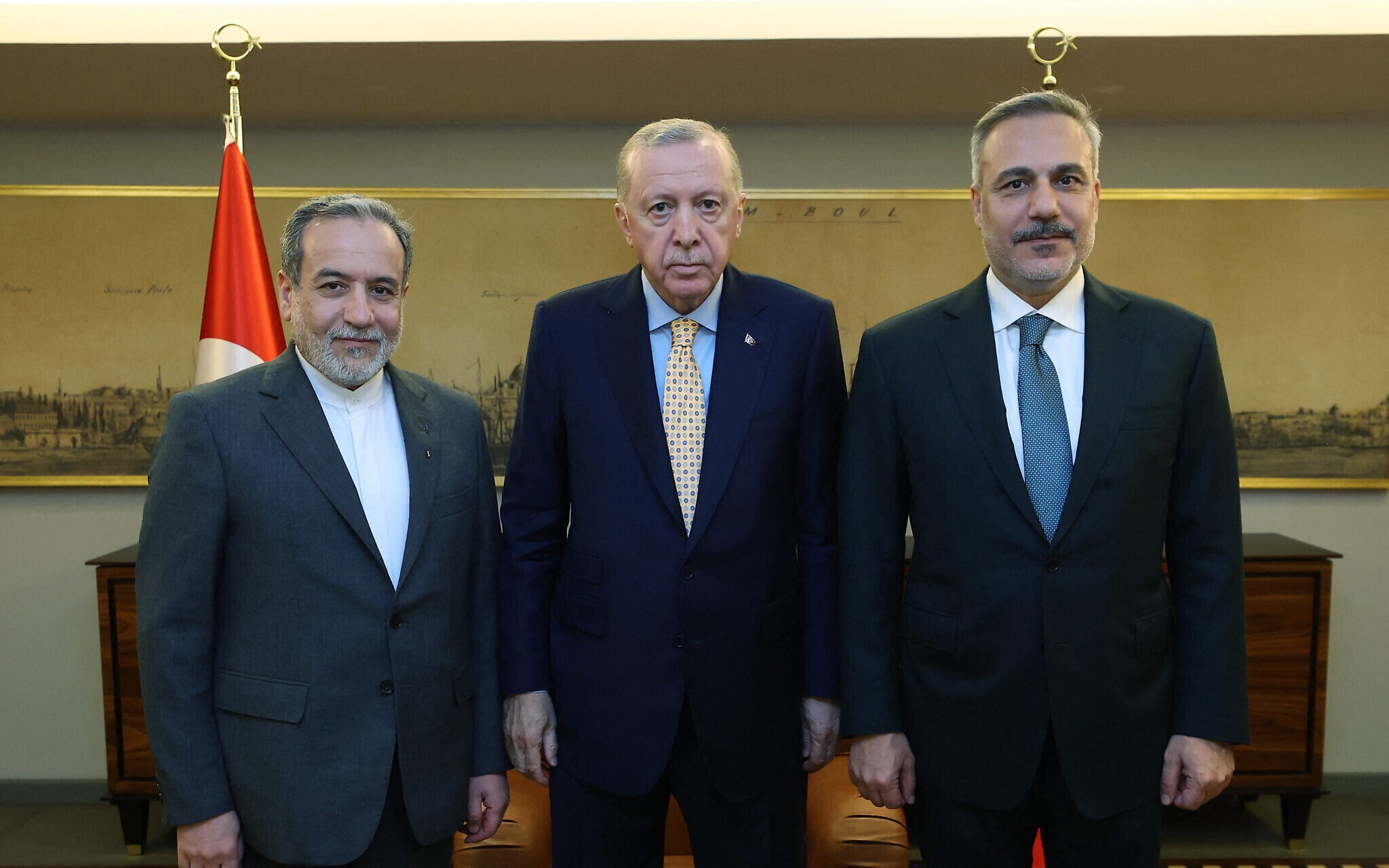
Turkey’s President Recep Tayyip Erdogan, whose country is one of the few in that region that Iran has not fired on, condemned both sides of the conflict and said Ankara was making “intense” diplomatic efforts to end it.
“Attacks on Iran, and missile and kamikaze drone attacks [by Iran] on neighboring countries in the Gulf have fueled instability,” he said in a televised address. “Through peace-oriented diplomacy, we are making intense efforts to resolve issues at the negotiating table.”
Earlier, Turkish Foreign Minister Hakan Fidan met Washington’s Syria envoy Tom Barrack, ministry sources said.
Fidan also spoke with his UK counterpart Yvette Cooper to discuss “the current security environment in the region,” evaluating “in detail” the “diplomatic efforts that could be undertaken to end the hostilities and establish stability,” said the sources.
He also discussed regional developments with Qatar’s Prime Minister Sheikh Mohammed bin Abdulrahman Al Thani, with his Greek counterpart Giorgos Gerapetritis and with Nechirvan Barzani, president of Iraq’s autonomous Kurdistan region.
Meanwhile, Chinese state media reported that Foreign Minister Wang Yi told his Israeli counterpart Gideon Sa’ar in a phone call on Tuesday that Beijing was opposed to the bombing campaign in Iran.
Beijing, a close partner of Tehran, has called for a ceasefire, supported Iran “defending its sovereignty,” and slammed as a “serious violation” the killing of Iran’s Supreme Leader Ayatollah Ali Khamenei in the opening salvo of the US-Israeli operation.
In his phone call with Sa’ar, Wang stayed clear of outright condemnation and said China advocated resolving issues through “dialogue and consultation,” according to state news agency Xinhua.
“Force cannot truly solve problems — instead, it will only bring new problems and severe after-effects,” said Wang. “China calls for an immediate halt to military operations to prevent the conflict from further spreading and getting out of control.”

Wang also claimed that “the recent Iran-US negotiations were making obvious progress… Regrettably, this process has been interrupted by gunfire.”
However, US and Israeli reports have cast the talks last month as tense and unfruitful, and Washington’s negotiator Steve Witkoff said Tuesday that Iran’s negotiators had boasted that they evaded international safeguards to enrich enough uranium for 11 nuclear warheads.
The indirect talks were mediated by Oman’s Foreign Minister Badr Albusaidi, who has continued to call for a ceasefire after his country was targeted by Iran in the current war.
On Tuesday, Russian Foreign Minister Sergei Lavrov held a phone call with Albusaidi to discuss the war, according to the Foreign Ministry in Moscow, another close ally of Tehran.

The ministers urged the earliest possible halt to hostilities and a return to political and diplomatic efforts to resolve the crisis. Both sides said they were ready, including at the United Nations, to support peaceful, compromise solutions based on international law.
The US-Israeli bombing campaign against Iran began just two days after the most recent round of Omani-mediated talks in Geneva. US and Israeli officials have said the war could last weeks and aims to enable regime change in the Islamic Republic.
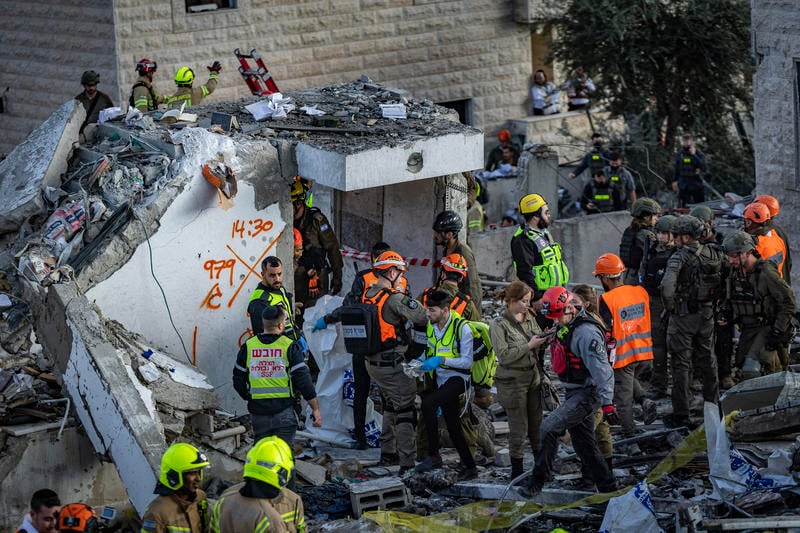
Iran has retaliated to the bombing campaign with missile and drone strikes across the region. The Iranian strikes on Israel have killed a dozen people and wounded hundreds.
The outbreak of war followed a massive US military buildup in the region, as well as US President Donald Trump’s repeated threats to attack Iran, first over its bloody crackdown on anti-regime protesters in January and more recently over its nuclear program.
While Iran, whose leaders are sworn to Israel’s destruction, denies seeking nuclear arms, it has enriched uranium to levels that have no peaceful application, obstructed international inspectors from checking its nuclear facilities, and expanded its ballistic missile capabilities.
Last year, as the expiration of a 2015 Iran nuclear deal loomed, Beijing and Moscow launched a sustained but ultimately unsuccessful effort to ward off the re-imposition of harsh international sanctions against Iran.







The Times of Israel Community.