

Soldier killed by Hezbollah mortar shell in south Lebanon; rockets fired at north
Slain soldier named as Staff Sgt. Negev Dagan; IDF issues evacuation warnings near Tyre, strikes Hezbollah targets, after third round of Israel-Lebanon talks kicks off in Washington
 Add ToI as a Preferred Source on Google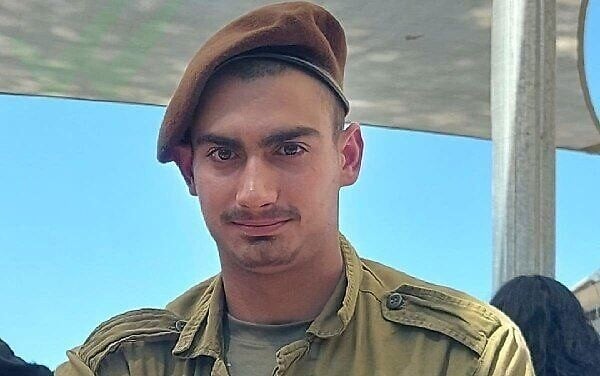
An Israeli soldier was killed Thursday night by Hezbollah mortar fire in southern Lebanon, the military announced Friday morning, as both sides continued to exchange blows despite talks in Washington on Thursday aimed at ending the conflict.
The slain soldier was named as Staff Sgt. Negev Dagan, 20, of the Golani Brigade’s 12th Battalion, from the southern agricultural community of Dekel.
Dagan was hit by a mortar shell fired by Hezbollah troops in southern Lebanon at around 10 p.m. on Thursday. His death was declared at the scene.
He is the 19th Israeli soldier killed since Hezbollah dragged Lebanon into the wider regional war on March 2, and the sixth since US President Donald Trump announced a truce in Lebanon on April 16. A Defense Ministry civilian contractor has also been killed in southern Lebanon in the renewed conflict with Hezbollah.
Two civilians have been killed in Hezbollah attacks on northern Israel, and an Israeli civilian was mistakenly killed in the north by Israeli artillery shelling.
The IDF and Hezbollah continued exchanging blows Thursday evening into Friday, with Israel issuing new evacuation orders in southern Lebanon on Friday morning ahead of fresh strikes, after the Iran-backed terror group fired a rocket at northern Israel.
The military said it was also installing sheets of mesh nets to guard against the threat of Hezbollah’s explosive drones, which on Thursday wounded four civilians, one of them critically, in northern Israel’s Rosh Hanikra area.
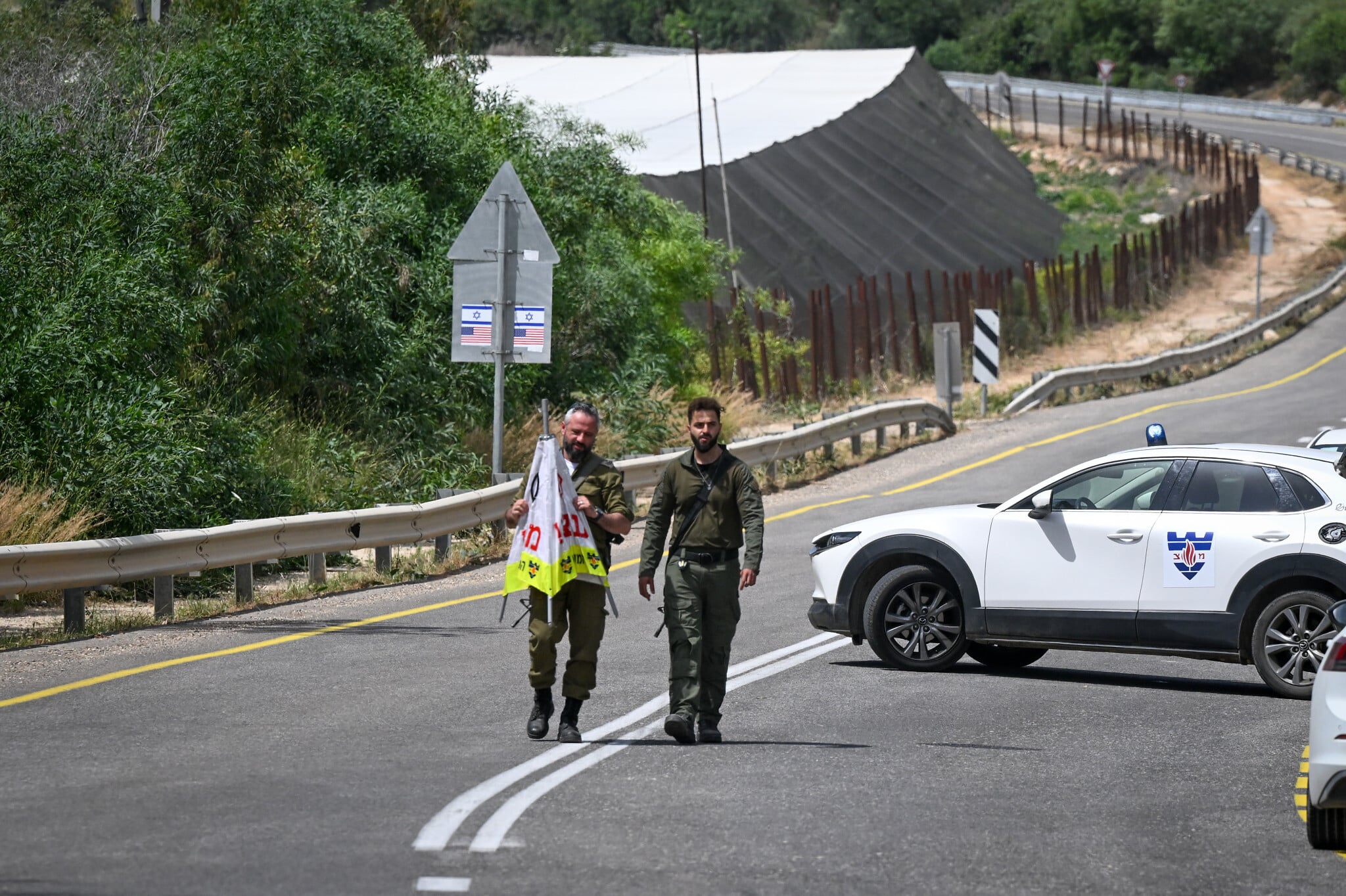
The unabated fighting on Israel’s northern border took place against the backdrop of the third round of talks between Israeli and Lebanese envoys in Washington on Thursday.
The talks aimed at ending the conflict lasted from 9 a.m. to 5 p.m. local time, with a break in the middle. A US State Department official said it was a “full day of productive and positive talks” and that discussions would continue on Friday.
Lebanon, whose government has committed to disarming Hezbollah, is demanding a halt to Israel’s strikes and full Israeli withdrawal, while Israel, which accuses Beirut of failing to disarm Hezbollah, demands that the terror group give up its weapons. Hezbollah itself has rejected the direct talks and insisted its weapons are not up for discussion.
The Washington meetings mark the highest-level direct contact in decades between Lebanon and Israel, which have technically been at war since Israel was founded in 1948.
Both Lebanon and Israel are broadening their delegations for this round, after the sides were represented by their ambassadors to Washington, Israel’s Yechiel Leiter and Lebanon’s Nada Hamadeh Moawad, in the previous two meetings.
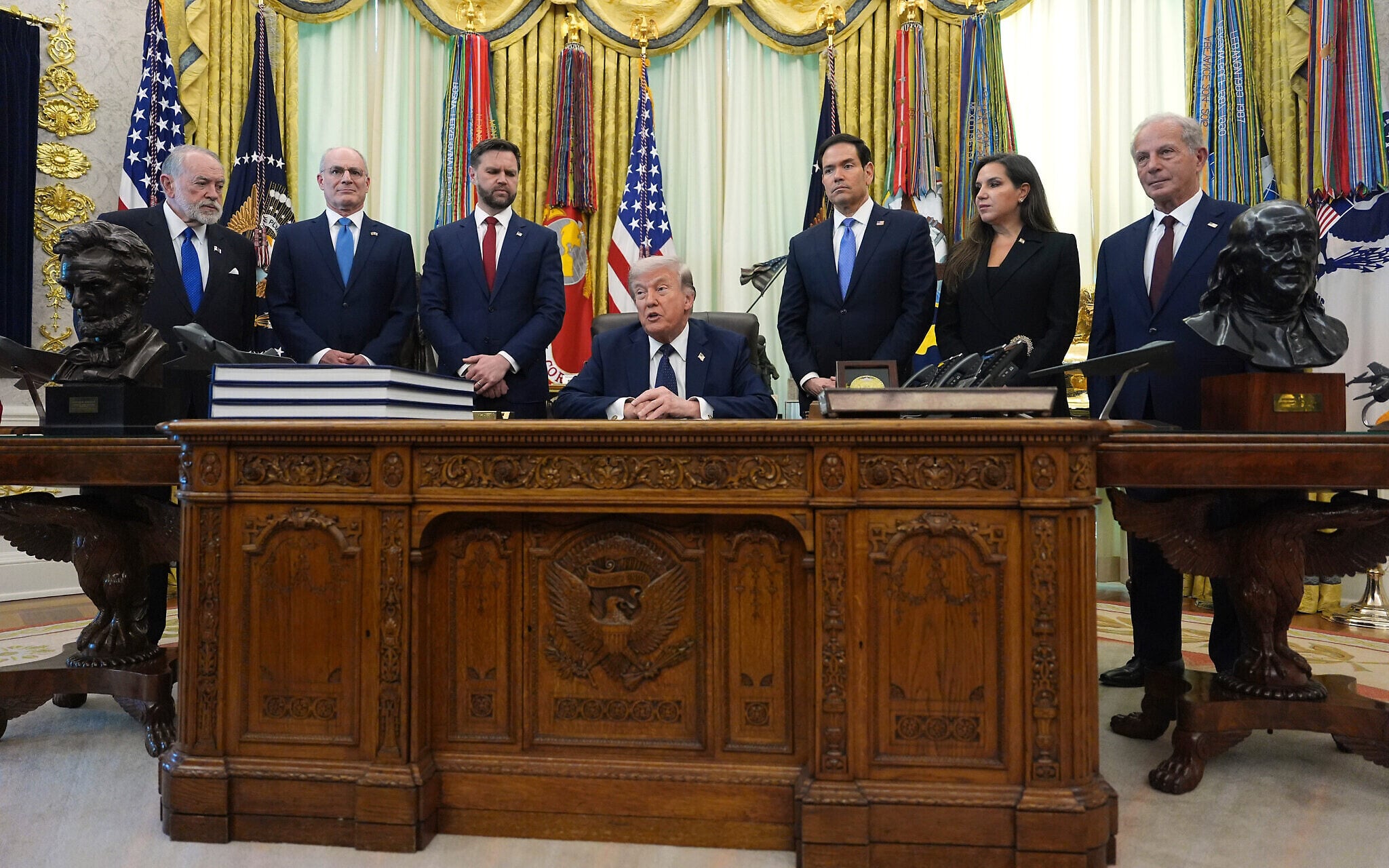
Lebanese Presidential Special Envoy Simon Karam and Israel’s Deputy National Security Adviser Yossi Draznin were participants in the talks, as well as senior Israeli military representatives, a US State Department official said.
Trump hosted the last meeting between the Lebanese and Israeli ambassadors at the Oval Office, saying at the time he looked forward to hosting Netanyahu and Lebanese President Joseph Aoun in the near future, and that he saw “a great chance” the countries would reach a peace deal this year.
Aoun later said the timing was not right for a meeting with Netanyahu, and that Lebanon must first secure “a security agreement and a halt to the Israeli attacks, before we raise the issue of a meeting between us.”
Lebanese Prime Minister Nawaf Salam, in a May 10 interview with the pan-Arab broadcaster Al Arabiya, said Lebanon’s principles in negotiations were shoring up the ceasefire, securing a timetable for Israeli withdrawal, and winning the release of Lebanese prisoners held by Israel.
IDF issues evacuation warnings in south Lebanon
The IDF on Friday morning issued an “urgent” evacuation warning for several Lebanese villages on the outskirts of Tyre in southern Lebanon, ahead of strikes on Hezbollah.
“In light of the Hezbollah terror organization’s violations of the ceasefire agreement, the IDF is forced to act against it with force and does not intend to harm you,” said army spokesman Col. Avichay Adraee.
#عاجل ‼️انذار عاجل الى سكان لبنان المتواجدين في البلدات والقرى التالية: شبريحا, حمادية (صور)، زقوق المفدي, معشوق, الحوش
????في ضوء قيام حزب الله الارهابي بخرق اتفاق وقف اطلاق النار يضطر جيش الدفاع على العمل ضده بقوة. جيش الدفاع الإسرائيلي لا ينوي المساس بكم.
????حرصًا على سلامتكم،… pic.twitter.com/r8DeyVezsr
— افيخاي ادرعي (@AvichayAdraee) May 15, 2026
The warning came shortly after the military said it intercepted a rocket launched by Hezbollah at the Lower Galilee.
The rocket triggered sirens in the communities of Masad and Eilabun. No injuries were reported.
The rocket fire was a “blatant violation of the ceasefire understandings by the Hezbollah terror organization,” the IDF said.
Hezbollah also fired several rockets from Lebanon at the area of Kiryat Shmona in northern Israel on Thursday night. The military said it intercepted some of the rockets, while other rockets struck open areas. No injuries were reported.
Meanwhile, the IDF said Thursday that over 20 Hezbollah operatives had been killed in Israeli airstrikes in southern Lebanon over the past day.
The IDF also said it struck some 65 Hezbollah infrastructure sites over the previous 24 hours, including weapon depots, surveillance posts, command centers, and other sites used by the terror group to advance attacks.
ביממה האחרונה: צה"ל תקף כ-65 תשתיות וחיסל יותר מ-20 מחבלים מארגון הטרור חיזבאללה בדרום לבנון
צה"ל ממשיך לפעול להסרת איומים על אזרחי ישראל וכוחות צה"ל בדרום לבנון.
במהלך היממה האחרונה, צה"ל תקף מהאוויר ומהיבשה, יותר מ-65 תשתיות של ארגון הטרור חיזבאללה במספר מרחבים בדרום לבנון.… pic.twitter.com/JFnV0eZqWI
— צבא ההגנה לישראל (@idfonline) May 14, 2026
In addition, the military said it has so far been supplied with 158,000 square meters (nearly 189,000 square yards) of mesh netting — the equivalent of some 20 soccer fields — to counter Hezbollah’s first-person view (FPV) drones.
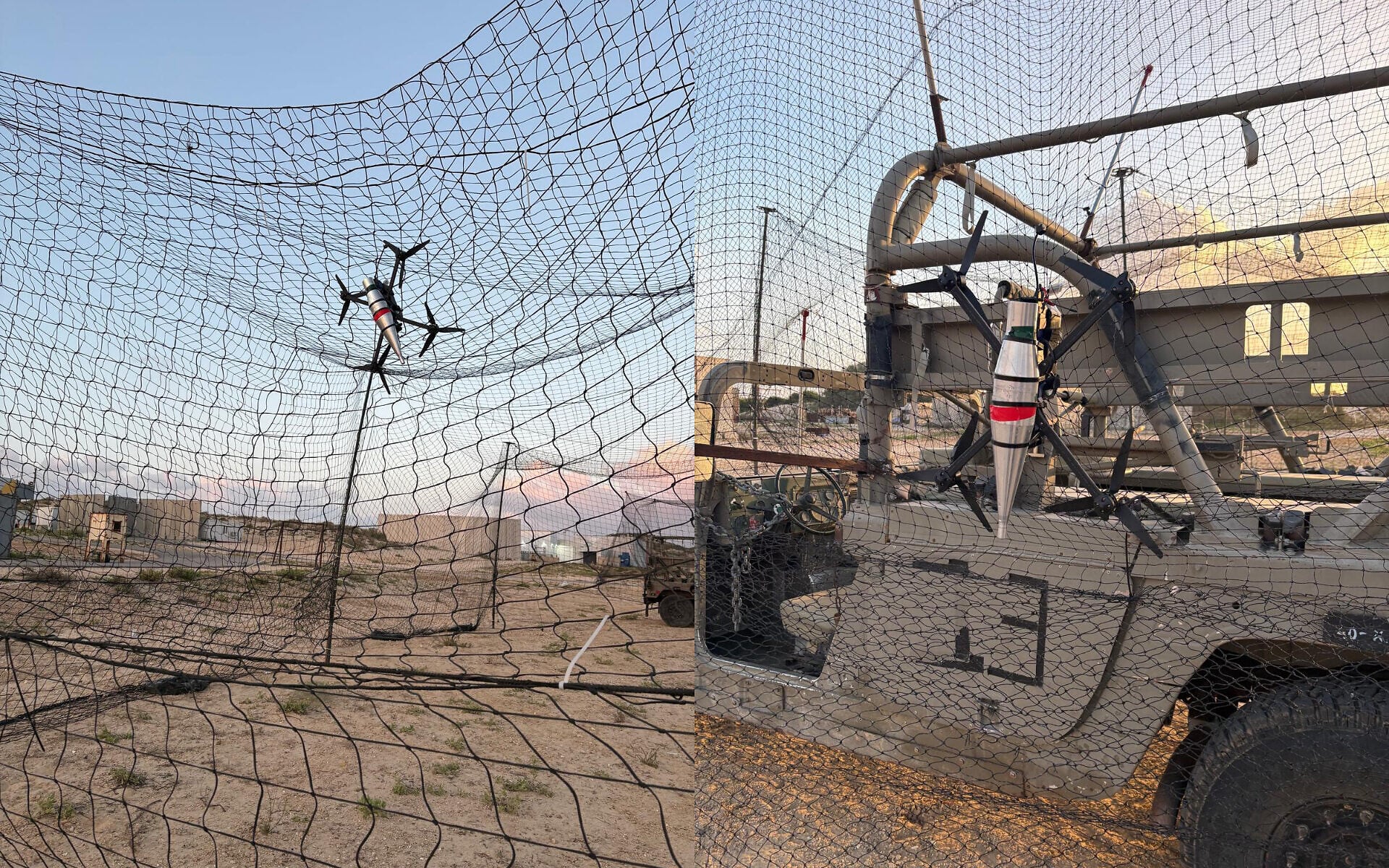
The IDF is working to procure another 188,000 square meters (nearly 225,000 square yards) of netting, it said.
Photos shared by the IDF showed the netting being deployed on vehicles and at military posts. The drones seen in the images were part of tests conducted by the army.




The Times of Israel Community.