

State’s lawyers outgunned by Olmert, Liberman? Not at all, says ex-top prosecutor
If anything, argues Yehoshua Reznik, former deputy AG who secured the conviction of Aryeh Deri, cards are stacked against public figures in high-profile corruption cases

 Add ToI as a Preferred Source on Google
David Horovitz is the founding editor of The Times of Israel. He is the author of "Still Life with Bombers" (2004) and "A Little Too Close to God" (2000), and co-author of "Shalom Friend: The Life and Legacy of Yitzhak Rabin" (1996). He previously edited The Jerusalem Post (2004-2011) and The Jerusalem Report (1998-2004).
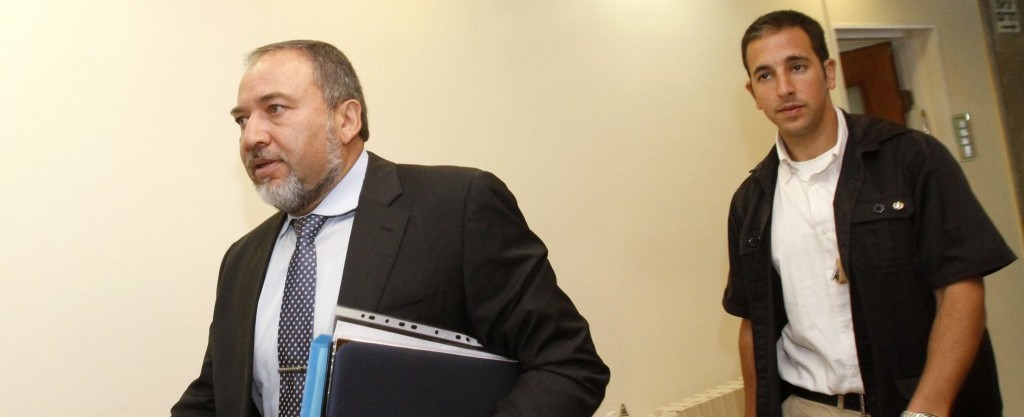
Years of investigation against Avigdor Liberman end up with one key witness dying, one disappearing and one recanting, all of the serious allegations being dropped, and the Yisrael Beytenu head indicted late last year for only a relatively minor charge of fraud and breach of trust. Now on trial, he hopes to be back as foreign minister by the summer.
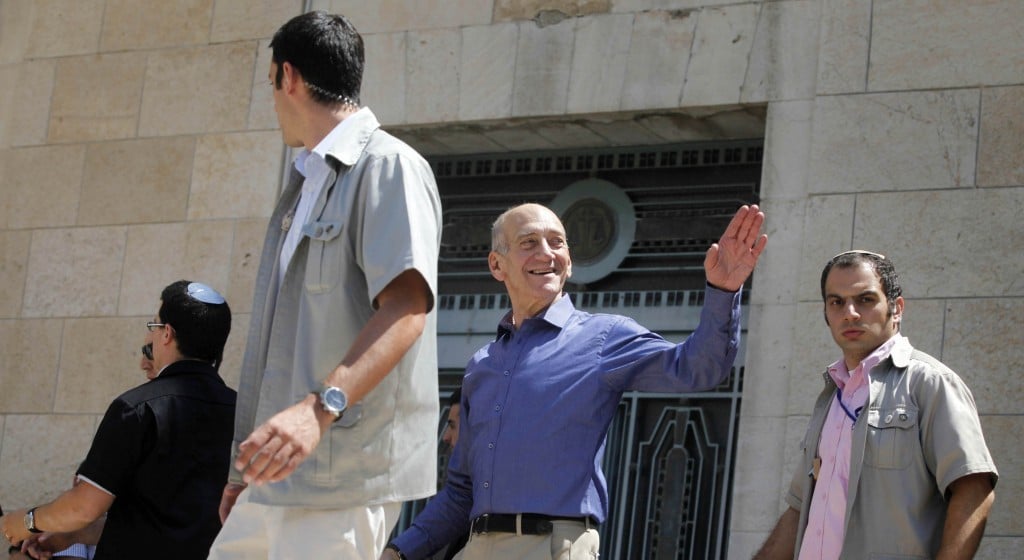
A dizzying array of corruption allegations against Ehud Olmert — including receiving large sums of unreported cash, and double-billing for his flights to speaking trips abroad — see him resign as prime minister in 2008, yet he is cleared in the two major cases against him, given a suspended jail term and a fine of less than $20,000 for a breach of trust conviction, and was legally entitled to run in January’s elections had he wished to do so. In the final major case against him, the Holyland real estate scandal, the main state witness passes away after weeks of questioning, fatally weakening the case against Olmert and the other high-profile defendants, in the assessment of many legal analysts. Now Olmert is talking up his prime ministerial ambitions again.
An extensive investigation of bribery and corruption allegations against former prime minister Ariel Sharon in the so-called Greek Island affair — which centered on a plan by businessman David Appel to buy the island of Patroklos (still being offered for sale today, incidentally, for 150 million euros) as a tourism resort, featured vast payments to Sharon’s son Gilad, and saw an indictment filed against Appel in 2004 — is ultimately closed by then attorney-general Menachem Mazuz, citing lack of evidence.
Taken individually, the collapse or near-collapse of each of these extremely resonant cases might indicate that high-profile defendants, with their phalanxes of expensive lawyers, can sometimes run rings around the State Attorney’s Office, dodging even the most serious-sounding allegations of gross corruption. Taken together, they could seem to suggest that the state is incapable of bringing Israel’s most powerful public figures to justice when they sin — which would constitute a dire indictment of the rule of law and Israeli democracy.
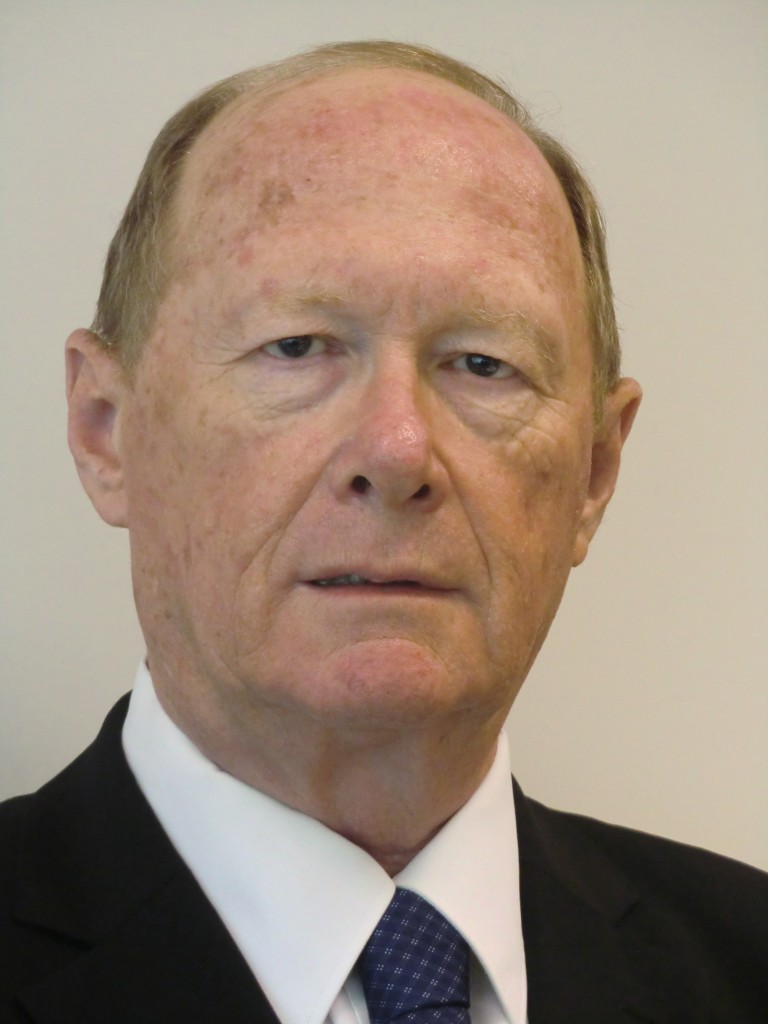
But Yehoshua Reznik, who was Israel’s deputy attorney general from 1990 to 2000 and has been in private practice as a defense attorney ever since — and thus can credibly claim thorough insights from both sides of the legal battlefield — insists this is not the case.
In an interview with The Times of Israel, Reznik, 63, who oversaw the entire decade-long process of prosecuting Aryeh Deri (the leading Shas politician who was once considered a potential first Israeli ultra-Orthodox prime minister and who has just returned to the Knesset after serving time for bribe-taking), argued that, if anything, the state apparatus is overly aggressive in prosecuting public figures. And he says the notion that the state prosecution is being outgunned by well-connected defendants with vast, aggressive defense teams is a fallacy.
Going back to the 1980s, and a series of prosecutions of local council heads and senior policemen from Petah Tikva to Eilat, and citing the 2011 investigation of Supreme Court judge Yoram Danziger on suspicion of bribery, Reznik argues that the record through the decades shows a state prosecution that is “anything but deterred from pressing charges against public figures. It didn’t go only with the absolute open and shut cases.”
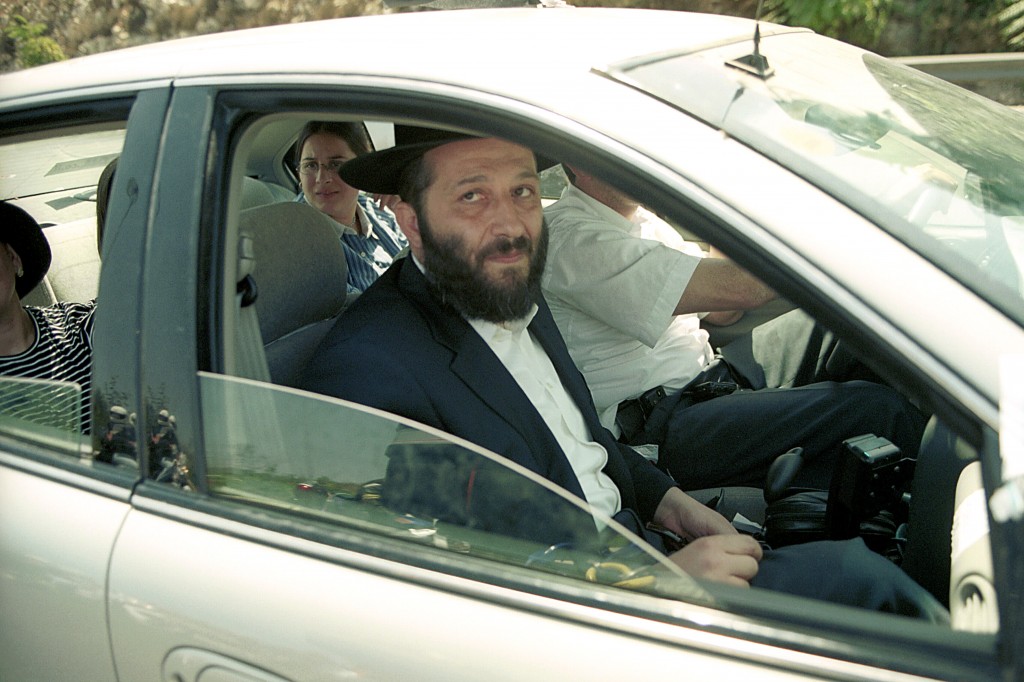
Fair enough, but there’s a difference between opening investigations and pressing charges, on the one hand, and actually securing convictions (which didn’t happen with most of those mayors in the 1980s), on the other. Here Reznik invoked his own experience with the Deri affair, which did end with a conviction and a three-year prison term for the charismatic, corrupt politician. “The law enforcement authorities were not deterred from going after Deri, after (investigative reporter) Motti Gilat exposed him in the media. This was even though (the then-prime minister) Yitzhak Rabin really didn’t want to see Deri prosecuted, and really liked Deri, and didn’t have particular confidence in Yosef Harish, his attorney general.”
Even when he was charged, Reznik recalls, Deri didn’t want to resign as interior minister, and Rabin didn’t want him to resign, but the Supreme Court said he had to. “In my opinion and that of (subsequent attorney-general) Mazuz,” Reznik notes incidentally, “that requirement for a public figure such as Deri to resign when he’s been charged is problematic, because it undermines the presumption of innocence.”
‘Had Katsav been tried by a jury in the US or the UK, I’m not sure they’d have found him guilty. There were holes. There were problems.’
“So yes,” Reznik argues, “the system can cope.” Ministers (such as Avraham Hirschson) and MKs (like Shlomo Benizri) have been jailed; so too the head of the tax authority (Jackie Matza), even the president, he notes. “Moshe Katsav is now in jail” for rape and other charges. “He got seven years, confirmed on appeal to the Supreme Court, which didn’t even consider the minority judicial opinion which sought four years. And had Katsav been tried by a jury in the US or the UK,” Reznik asserts, “I’m not sure they’d have found him guilty. There were holes. There were problems. The key crime dated back to 1998.”
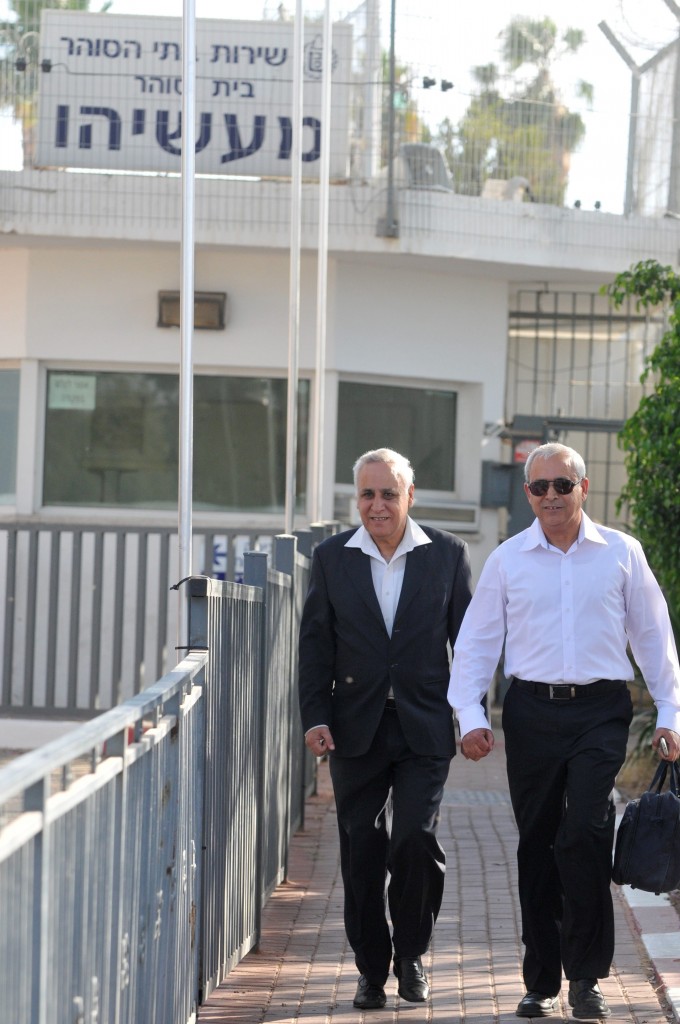
If anything, Reznik argues, far from pitting a weak state prosecution system against impregnable defendants, the cards are stacked against the public figures in these major cases.
Take the Olmert case, he says. Olmert resigned as prime minister as the tide of corruption allegations rose against him, yet Reznik says there was “no justification” for the state prosecution to take early testimony in one of the cases against Olmert — the Morris Talansky financial payments case — which helped prompt his resignation. Noting that his private firm represented US businessman Talansky, Reznik reasons: “You take early testimony in the case of a tourist who gets raped here on holiday and is desperate to get out of the country. But what was the justification for taking an early testimony from Morris Talansky?”
The courts, he adds, are “a comfortable environment for the state prosecution for cases involving public officials,” and he cites the latest twist in the Holyland affair to back up his argument. “Look at the Holyland case. The state’s witness dies. But the court decides his testimony lives on. The court can give weight to that testimony. Olmert’s lawyers complain that they didn’t cross-examine him. Well, they did on some matters, but not on everything. The Supreme Court is certainly giving the prosecution rope.”
‘Over-enthusiasm brought down Olmert. It would have been better to let the allegations ride until after he was prime minister. The allegations were not so grave.’
Reznik goes so far as to argue, in fact, that “over-enthusiasm” on the part of the state prosecution played a deeply problematic part in Olmert’s resignation, even though it was political pressure from Olmert’s cabinet colleague Ehud Barak that directly triggered his decision to step down. “Yes, I believe that over-enthusiasm brought down the prime minister,” he says. “It would have been better to let the allegations ride until after he was prime minister,” he argues. “The allegations were not so grave. The French system” — under which the prime minister would have granted been immunity from prosecution while in office — “would have been better.”
Reznik also singles out the state prosecution’s treatment of Olmert’s former aide, Australian immigrant Rachael Risby-Raz, in the double-billing so-called RishonTours affair. “They were so tough on her,” he says.
In the past, Reznik says, “you used to speak of the lonely prosecutor facing a battery of defense lawyers. Now it’s the opposite. Olmert faces a battery of lawyers. Police have all the means they need to investigate. Does all corruption get investigated? If there’s a reasonable basis, they’ll investigate… Public figures here live in a glass tower.”
Reznik readily acknowledges that, having been in private practice for more than a decade, “I see the people more now” — by which he means he has greater empathy for defendants. “They’re not all righteous, but some of them are really in desperate circumstances. Cases against them can drag on for far too long, while their bank accounts are frozen. The police, the courts, the state prosecution drags things out.
“As a citizen,” he stresses, “I don’t want the apparatus to be corrupt. You want the kind of cases like Holyland to come out.” But he argues firmly that the state prosecution is robust, sufficiently resourced, and bolstered by better cooperation than in the past with the police, the National Insurance Institute, the customs and the tax authorities, and others.
And yet Olmert was acquitted. “I have no problem with the acquittals. There’ll be appeals. The courts will decide. The judgments will be made public for all to see.”
And yet the Greek Island case was closed, even though the evidence seemed so damning. “Supreme Court Justice Mishael Cheshin said it was ridiculous to believe that Gilad Sharon had been paid what he was paid for the work that he did, and nevertheless Mazuz’s decision to close the case was upheld by the Supreme Court. Mazuz explained himself. It’s out there in the open.”
And yet the main charges against Liberman were dropped. “That case had limped along for years, and here too (current attorney-general Yehuda) Weinstein explained the decision to close it.”
Concludes Reznik approvingly, “Weinstein has a guiding principle: ‘You can’t rule out…’ which I think was relevant in the Liberman case. For Weinstein, if ‘you can’t rule out’ the suspect’s explanation for what happened, then close the case. I hope that thinking will be more frequently utilized.”






The Times of Israel Community.