

Syrian FM: Security talks with Israel are focused on buffer zone, not Golan Heights
Asaad al-Shaibani clarifies negotiations are about IDF presence in border areas that Israeli troops entered after Assad regime’s overthrow, says control of Golan ‘is another issue’
 Add ToI as a Preferred Source on Google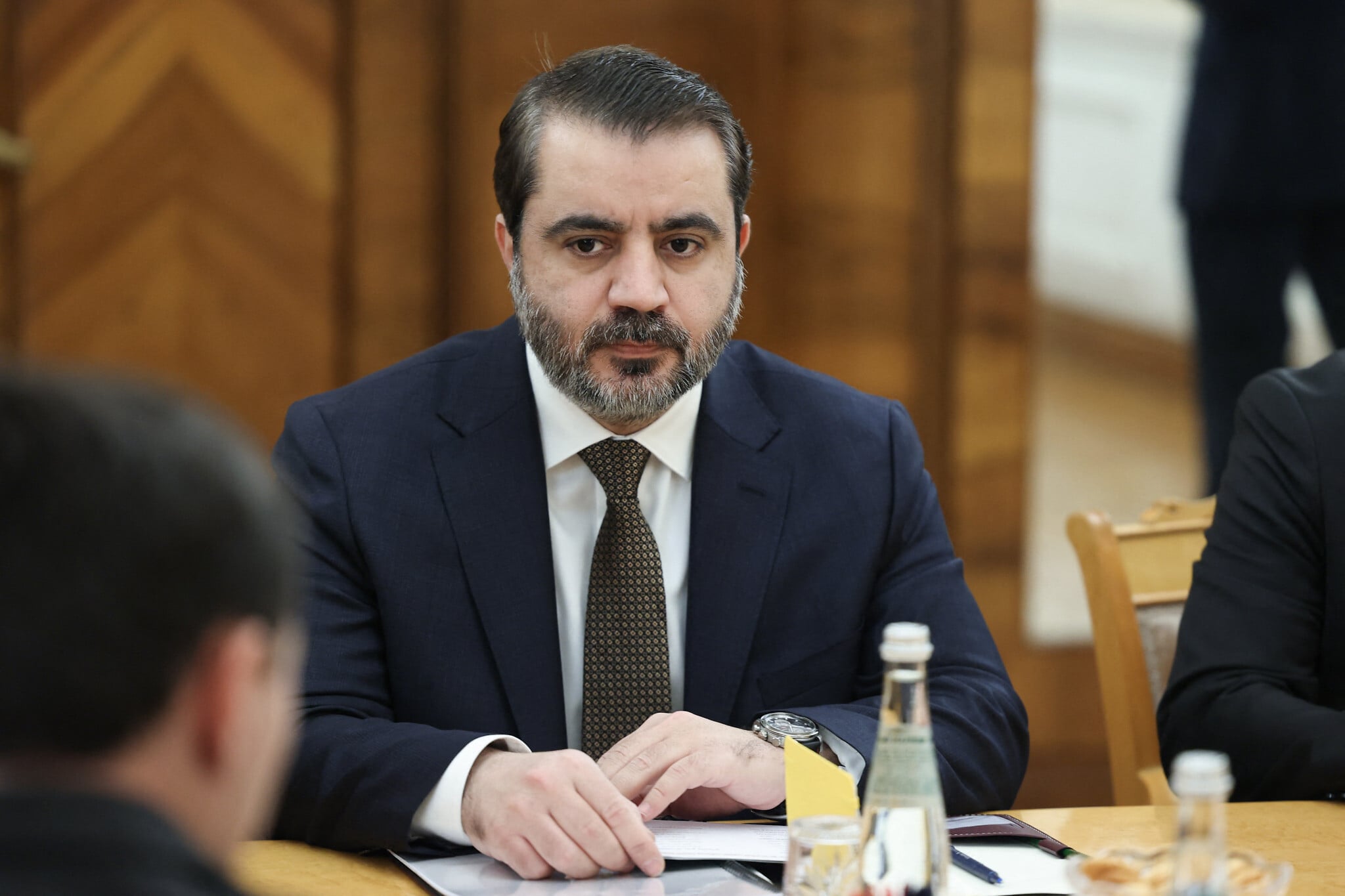
Syrian Foreign Minister Asaad al-Shaibani said on Saturday that negotiations on a security deal with Israel were focused on areas Israel has recently occupied and excluded the broader issue of the Golan Heights.
Since the December 8, 2024, overthrow of Syria’s longtime ruler Bashar al-Assad, Israel has sent troops into a UN-patrolled buffer zone that separated Israeli and Syrian forces.
Israel and Syria’s new authorities have held several rounds of direct talks in recent months, and after negotiations in January — and under US pressure — they agreed to establish an intelligence-sharing mechanism as they edged towards a security agreement.
When asked at the Munich Security Conference about the scope of the talks with Israel, Shaibani said discussions were on “the withdrawal of Israel” from Syrian territory occupied after Assad’s ousting, “not from the Golan Heights, and this is another issue.”
Israel captured the Golan Heights from Syria in the 1967 Six Day War and annexed it, a move that Syria and most countries don’t recognize.
To reach a security deal, Israel should “respect the security of Syria and withdraw from these territories” recently entered, Shaibani said.
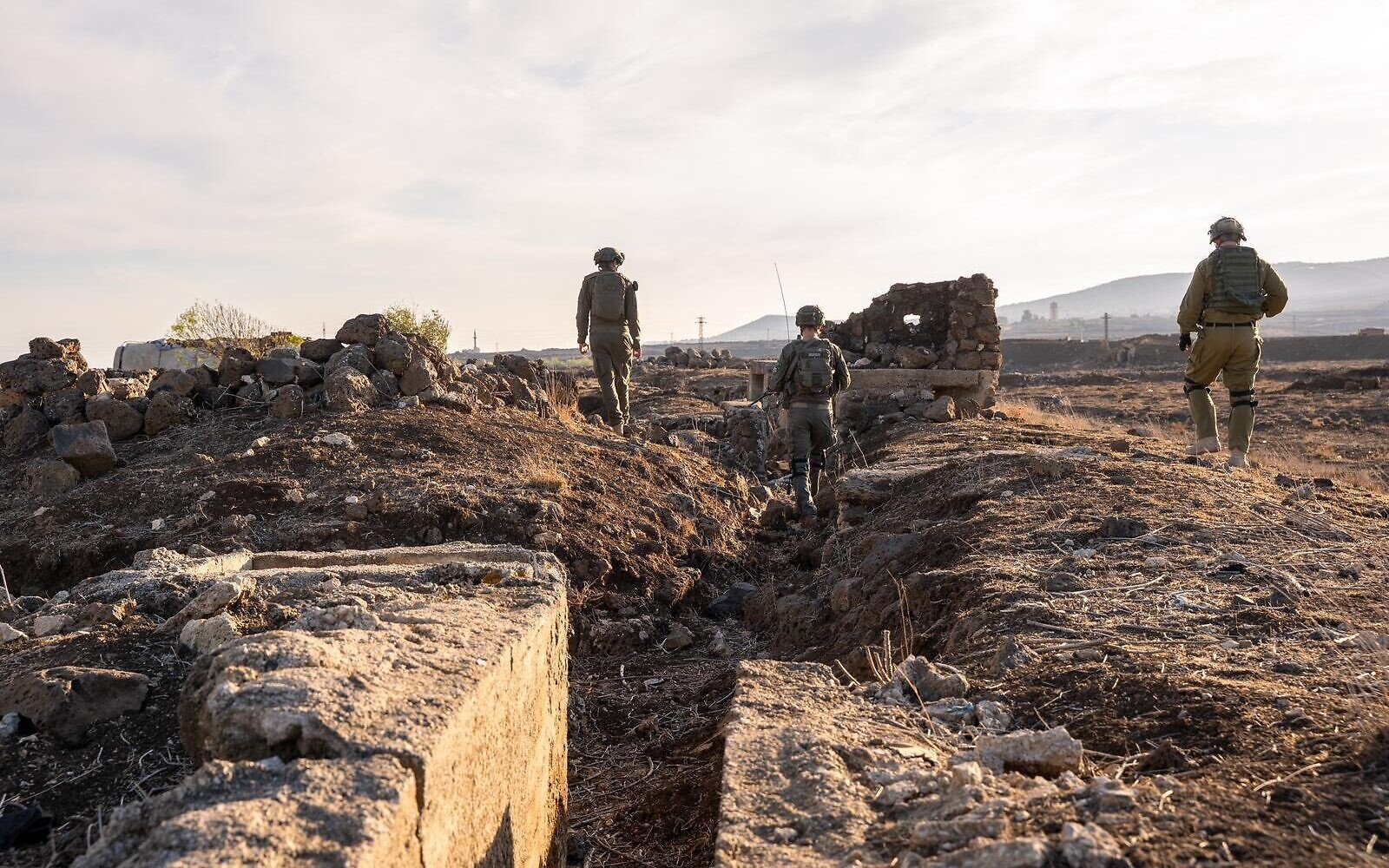
“These negotiations will certainly not lead to forcing an acceptance of the fait accompli imposed by Israel in southern Syria,” he said.
“The end of these negotiations will be the withdrawal of Israel from the areas where it advanced” since December 2024, and with Israel refraining from “interfering in Syria’s internal affairs” and sovereignty, Shaibani added.
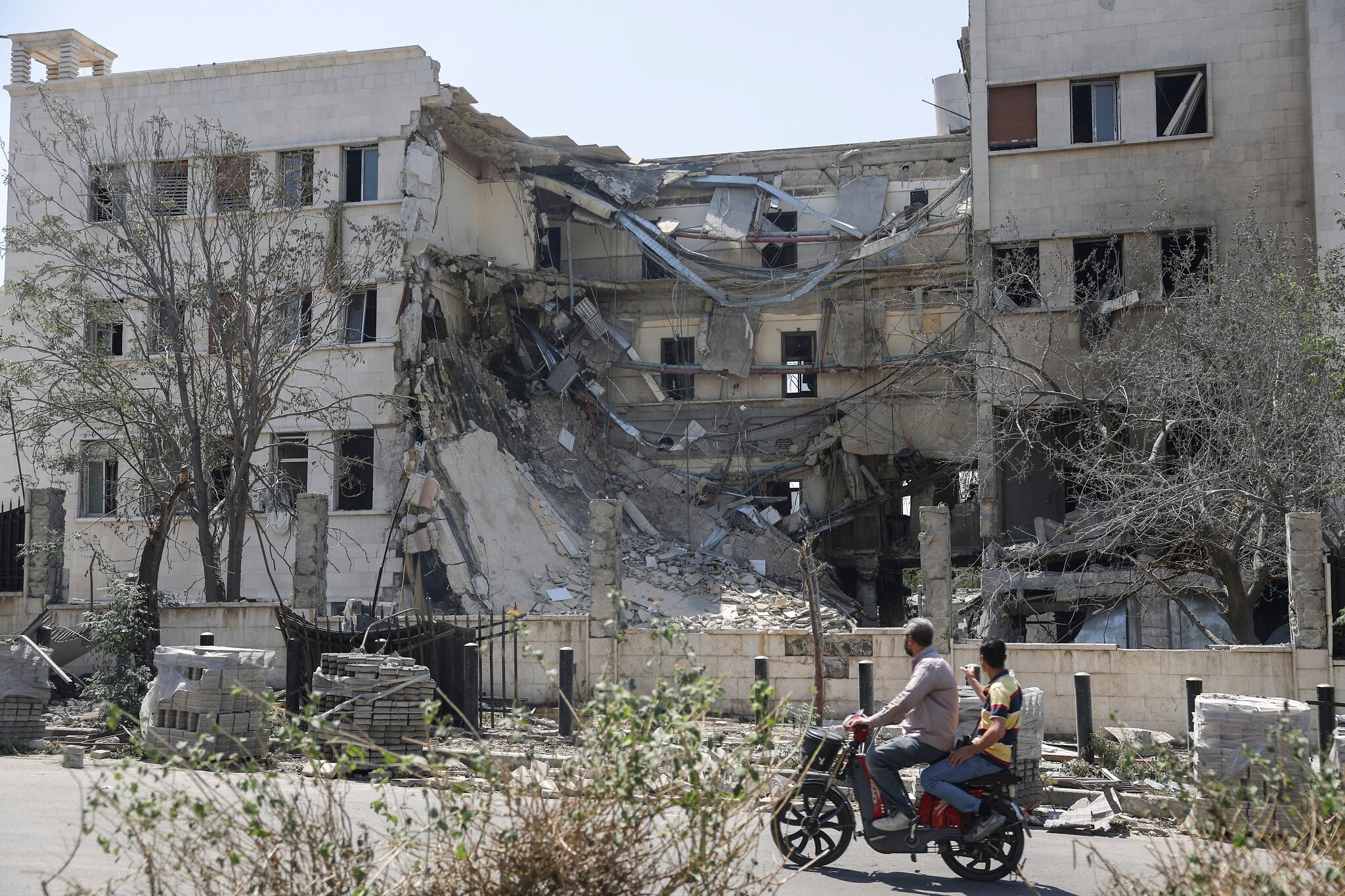
Israel, which has demanded a demilitarized zone in southern Syria, carried out waves of airstrikes against military installations in the immediate aftermath of the lightning offensive that took out the Assad regime, citing the danger of them falling into jihadists’ hands.
It also intervened last year during unrest in the Druze-majority area of Sweida, at the urging of Druze in Israel, and it has had small-scale confrontations with terror groups inside Syria amid operations to kill or capture operatives, or to seize weapons.
Syrian FM, Kurdish commander share meeting with Rubio
Shaibani on Friday met US Secretary of State Marco Rubio in Munich and discussed a recent agreement between Damascus and the Kurds.
Mazloum Abdi, chief of the Kurdish-led Syrian Democratic Forces (SDF), was also in attendance.
Syria’s government and the Kurds last month signed an agreement to gradually integrate Kurdish forces and institutions into the state, after the SDF ceded territory to advancing government troops.
#BREAKING: Mazloum Abdi, the Commander-in-Chief of the SDF, AANES foreign affairs official @ElhamAhmadSDC and Asaad al-Shaibani, Syria’s foreign minister, met with U.S. Secretary of State Marco Rubio in Munich – Rudaw pic.twitter.com/pnnUfbCX4w
— Wladimir van Wilgenburg (@vvanwilgenburg) February 13, 2026
Shaibani told the Munich conference that the Rubio meeting involving Abdi “confirms the new mindset Syria is adopting today.”
“We do not view our national partners as enemies,” he said, adding that the country’s national identity is “completed by Syria’s diversity.”
The US military said on Friday it had completed the transfer of thousands of Islamic State group suspects, including many Syrians, to Iraq, after they were held in Kurdish-run prisons in northeast Syria for years.
Shaibani said Damascus was “prepared in the future to take back” Syrian detainees “to ease the burden on Iraq.”





The Times of Israel Community.