

Top Shas rabbis pan party leader Deri as Haredi draft exemption bill remains elusive
In leaked recordings, Rabbi Yitzhak Yosef says Shas should leave coalition, forcing elections; voices distrust of ‘atheist’ Netanyahu, whom he says his father, Ovadia Yosef, disliked
 Add ToI as a Preferred Source on Google
Michael Horovitz is a breaking news editor at The Times of Israel
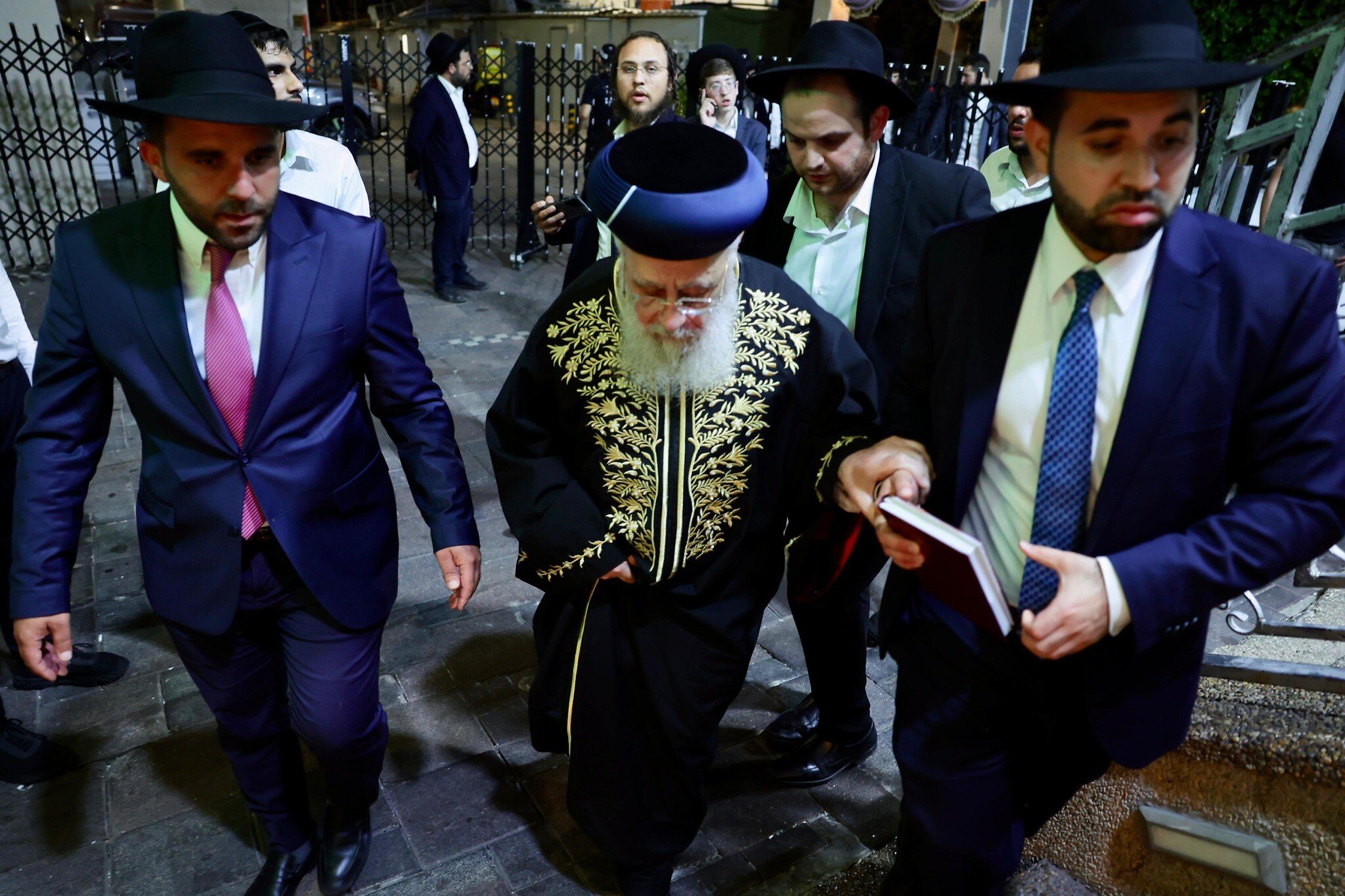
Top Shas rabbis fiercely criticized Prime Minister Benjamin Netanyahu and party leader Arye Deri over the lack of legislation regulating the conscription of ultra-Orthodox yeshiva students, in leaked recordings aired on Israeli television on Thursday evening.
In the recordings obtained by Channel 12, several members of the party’s ruling Council of Torah Sages — including Shas spiritual leader and ex-Sephardic chief rabbi Yitzhak Yosef, who succeeded his father Rabbi Ovadia Yosef, Rabbi Moshe Maya, and Rabbi Shmuel Bezalel, the council’s pointman on the conscription issue — were heard advocating for fresh elections and for boycotting a future coalition if their demands on draft exemptions for Haredi yeshiva students weren’t met.
“If my father were alive, none of this would be happening,” Yosef said, blaming Deri for the lack of progress in regulating Haredi draft exemptions and for remaining in the coalition despite failure to procure the desired legislation. “If my father were alive, he would yell at him.”
It was unclear exactly when the recordings were from, but Channel 12 reported that the conversation took place after Knesset Foreign Affairs and Defense Committee chair Boaz Bismuth submitted a document outlining the principles of his potential bill regulating ultra-Orthodox conscription to the committee’s legal adviser last week.
It has been widely reported that the government is hoping Bismuth’s outline will bring Shas back into the fold and stabilize the coalition.
But Rabbi Mayer, a top spiritual leader, was heard saying in the recordings published on Thursday that he would resign from the Council of Torah Sages if Shas were to rejoin the government.
Yosef, for his part, answered that he would “follow” him.
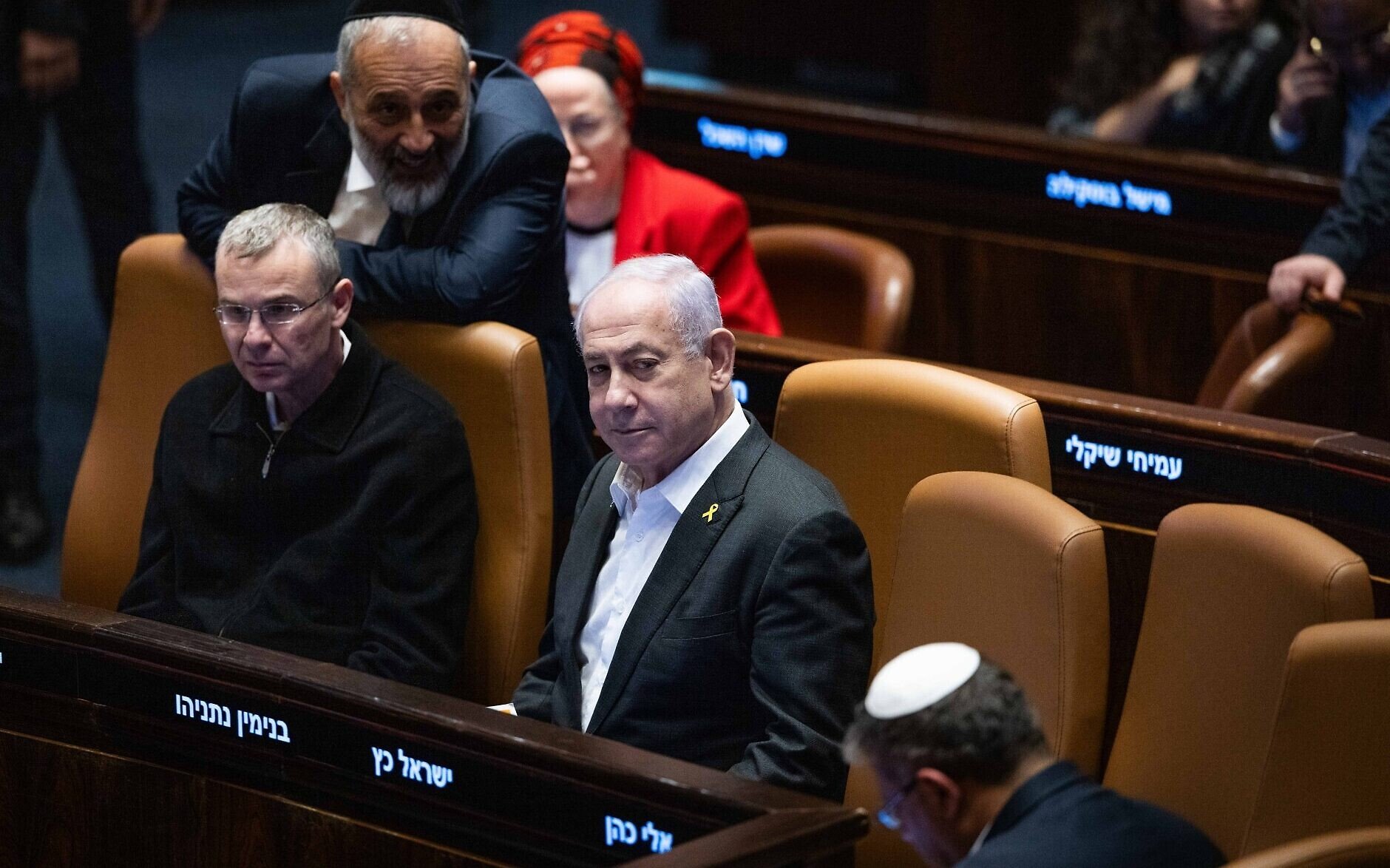
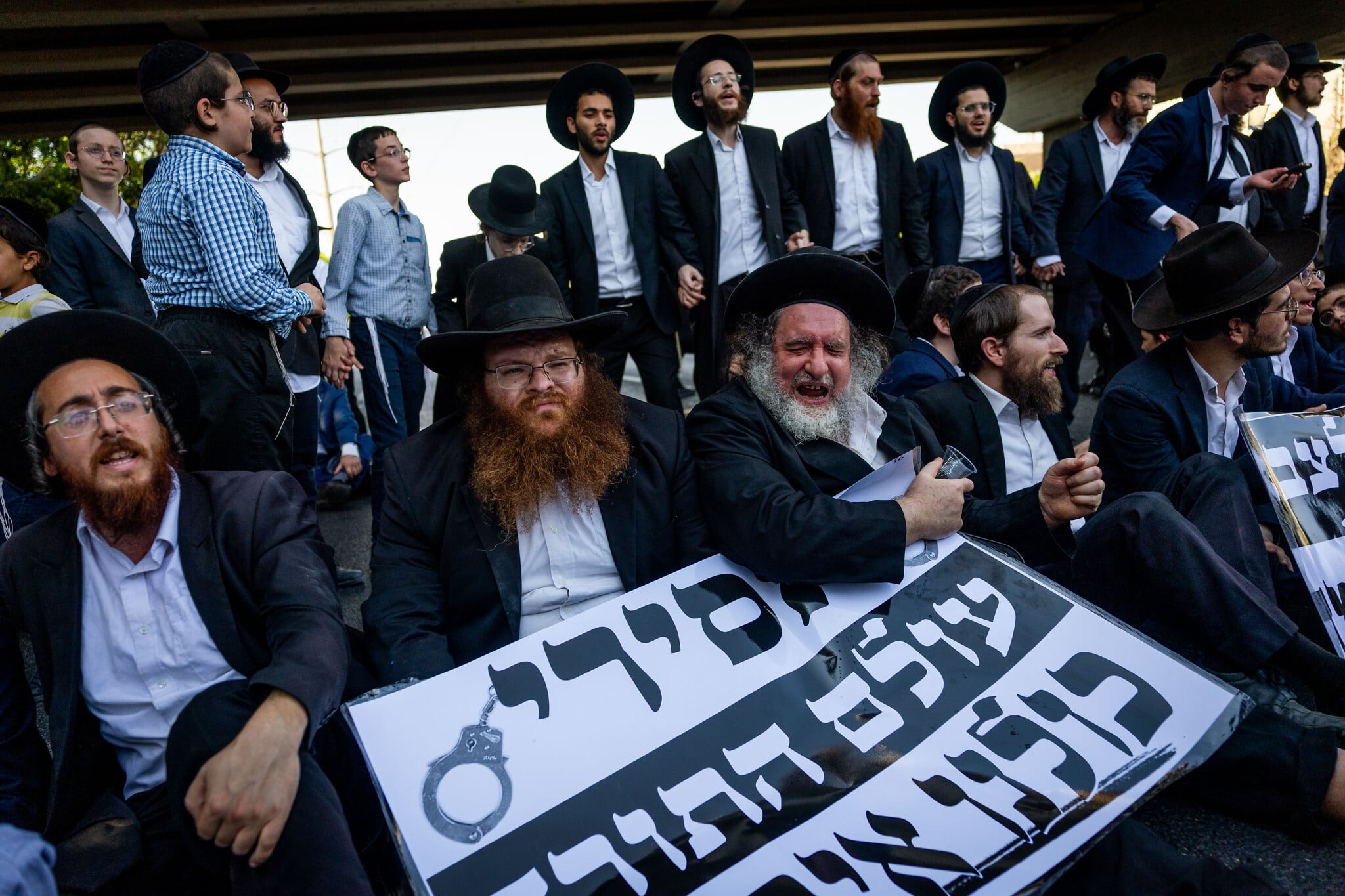
For the past year, the Haredi leadership has pushed to pass a law keeping its constituency out of the IDF, after the High Court ruled that decades-long blanket exemptions from army duty traditionally afforded to full-time Haredi yeshiva students were illegal.
Shas announced on Thursday that it was withdrawing from all coalition roles it holds in the Knesset, giving up its chairmanships of parliamentary committees to protest the lack of the desired law. The party quit the government in July, following the decision of fellow ultra-Orthodox party United Torah Judaism, which, unlike Shas, also left the coalition.
However, the ultra-Orthodox parties have yet to move to oust the government and trigger early elections over the matter.
The Shas rabbinical leaders also had criticism for Prime Minister Benjamin Netanyahu, whom Yosef characterized as untrustworthy.
“In any case, I don’t believe Bibi, either,” he said, referring to the prime minister by his popular moniker. “Bibi won’t pass the [conscription] law, from what I understand. After the elections, he’ll say ‘I didn’t give in to the Haredim,’ and there you have it — the conscription law didn’t pass,” Yosef said.
He accused the premier of “trying to persuade people that there isn’t a god,” disparaging him as a “serious atheist.”
“Unfortunately for us, he’s smart. He has intelligence. What can we do? Maran didn’t like him,” Yosef said, using an honorific title referring to his father. “He didn’t like him at all.”
He could be heard in the recordings telling his fellow council members that, as far as he was concerned, Shas should resign without making any compromises.
Let there be elections, and don’t enter any government. There will be Aguda, Degel and us,” he said, referring to the two factions of the ultra-Orthodox Ashkenazi party, United Torah Judaism. “We are a force, 16-17 seats. Nobody can form a government without us, the Haredim. Then there won’t be any scorning of scholars and yeshiva students, humiliating yeshiva students.”
According to opinion polls, a government can be formed without the ultra-Orthodox parties if either the pro-Netanyahu bloc or the Zionist opposition parties form a partnership with at least one of the Arab-majority parties in the Knesset. Naftali Bennett’s Bennett’s short-lived “change government” from 2021-2022 counted Ra’am, led by Mansour Abbas, among its numbers, but it is not clear if he or his allies would be willing to work with the party again in the future.
Coalition parties have accused Arab-majority parties of supporting terrorism and are unlikely to rely on them to form a government.
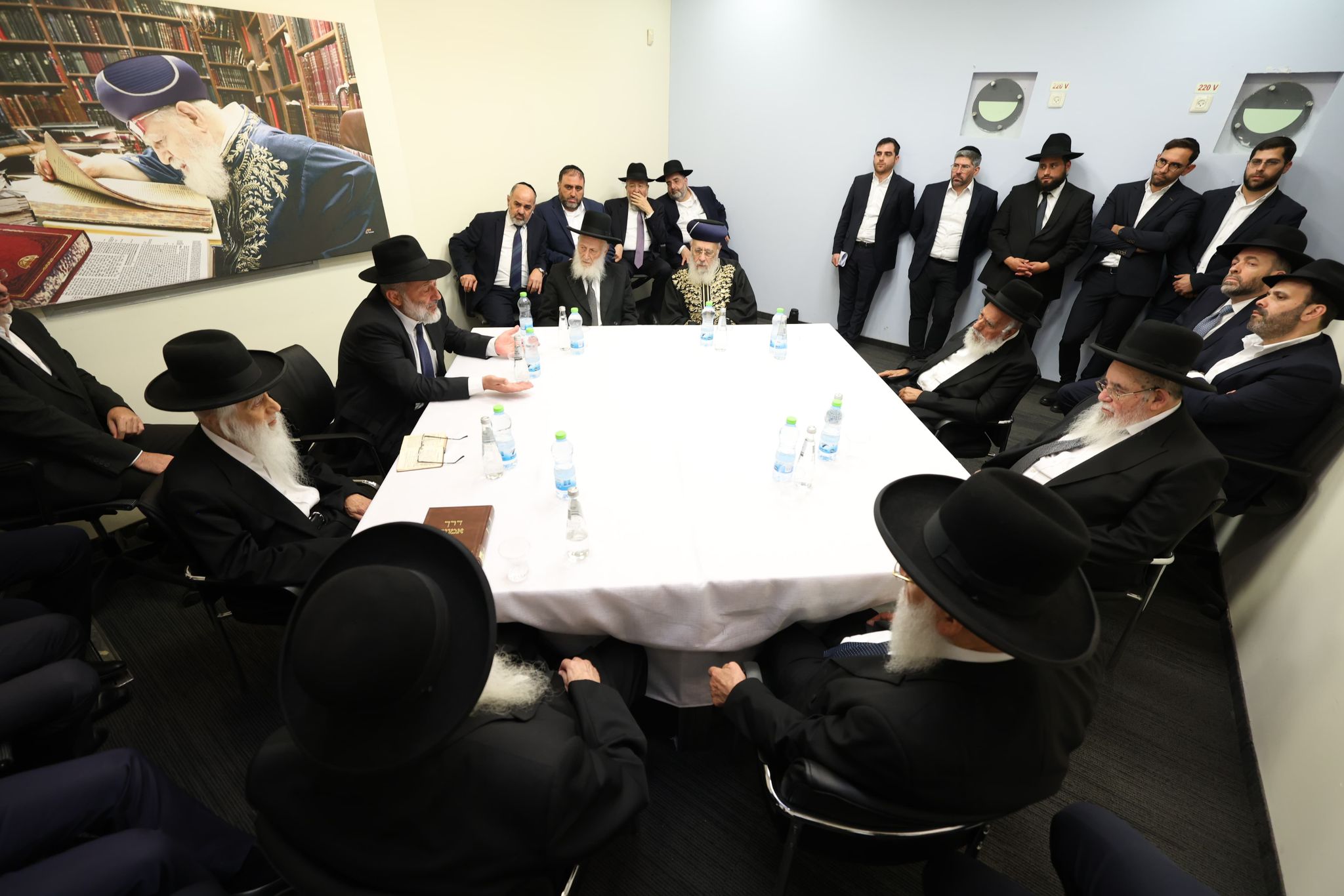
In response to the recordings, senior Shas officials told Channel 12 that the “aggressive campaign” against Deri is being carried out by an “extremist Haredi group that is going hand in hand with the Kaplan extremists (referring to anti-government protesters) to overthrow the government at any price.”
“They are trying to drag the country to elections, even during a war, without any responsibility. Shas will continue to behave responsibly and bring an agreed-upon law that regulates the subject,” they said.
Some 80,000 ultra-Orthodox men aged between 18 and 24 are currently believed to be eligible for military service, but have not enlisted. The Israel Defense Forces has said it urgently needs 12,000 recruits due to the strain on standing and reserve forces caused by the war against Hamas in Gaza and other military challenges.
On Tuesday evening, Bismuth told the pro-Netanyahu Channel 14 that a revised draft of the government’s long-delayed bill would be presented to lawmakers next week, with the goal of sending it to the plenum for its final two readings in December.
The previous day, Bismuth had announced that he was postponing a series of scheduled discussions of the bill because his committee’s legal adviser required additional time to prepare a draft of the legislation based on his document of principles.
According to Hebrew-language news reports, the document stipulates that within five years, 50 percent of the annual Haredi draft cohort will be conscripted, and the age of exemption will remain at 26. Government funding for yeshivas will only be cut if they fail to meet army enlistment quotas after a year, and sanctions on individuals who do not serve in the army will only go into effect after two years if the overall enlistment goal is not met.
Moreover, those sanctioned will not lose their driver’s licenses, although restrictions on issuing licenses to draft evaders will apply.
In what many see as an attempt to secure support for Bismuth’s bill, and to pave the way for Shas’s return, the Likud party decided on Wednesday evening to boot former chairman Yuli Edelstein from the committee altogether.
Lawmakers on Wednesday also voted down a package of bills from opposition MKs that would financially penalize yeshiva students who avoid military service.
Sam Sokol contributed to this report.







The Times of Israel Community.