

Trump preparing executive order to ease rules on weapons exports, sources say
Expected order may see rise in minimum deal values that trigger a congressional review of arms exports, potentially leading to sales bonanza for US defense companies
 Add ToI as a Preferred Source on Google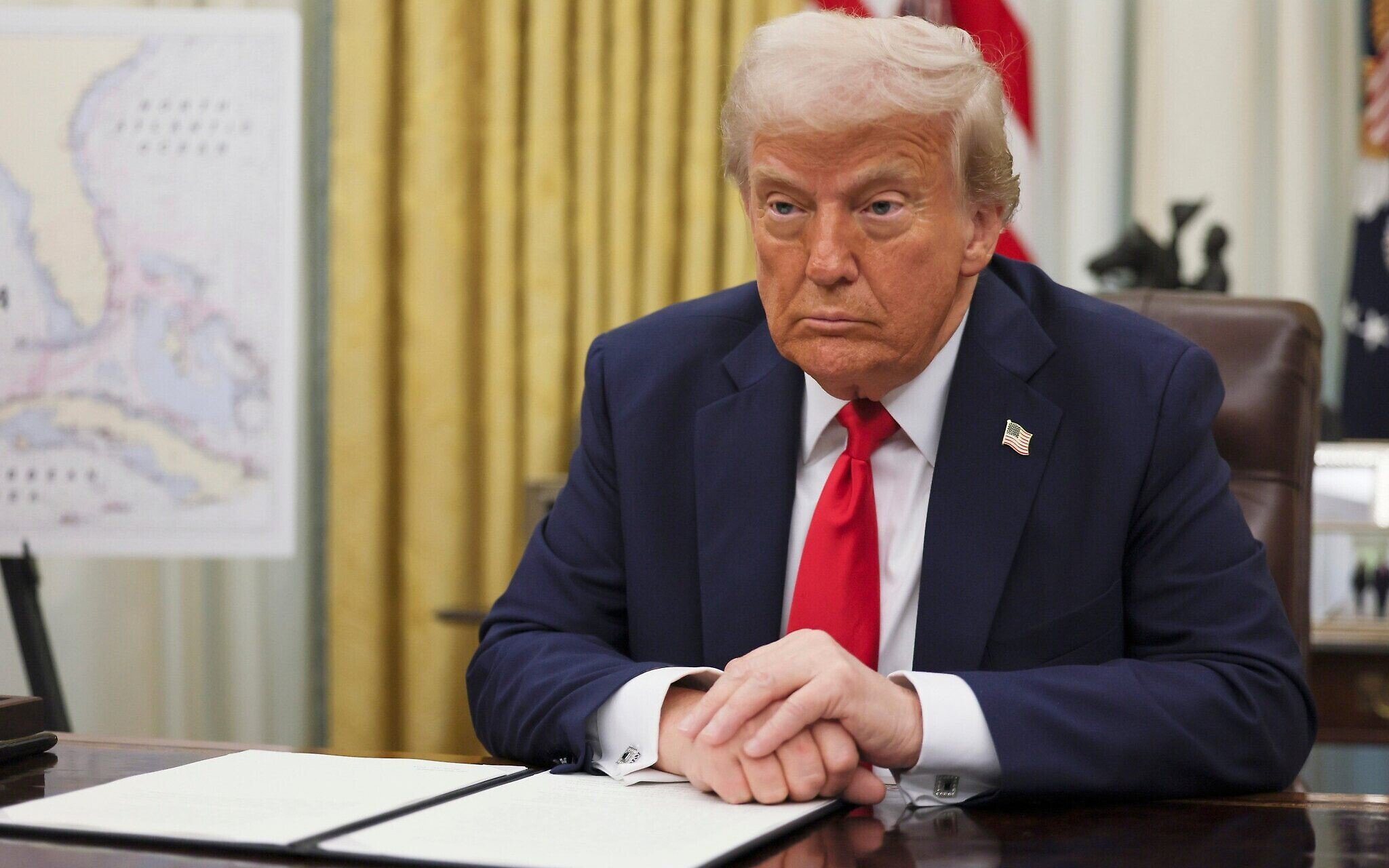
WASHINGTON — US President Donald Trump’s administration is planning an executive order that would ease rules governing exports of military equipment, and could announce it as soon as Wednesday, four sources familiar with the discussions said.
The sources, some in government and some in industry, said they expected the order would be similar to legislation proposed by Trump’s national security adviser, Michael Waltz, last year when he was a Republican member of the House of Representatives.
White House aides did not immediately respond to requests for comment.
An executive order could increase sales for big US defense contractors like Lockheed Martin LMT.N, RTX Corp RTX.N and Boeing Co BA.N.
If it had become law, the bill backed by Waltz in 2024 would have amended the US Arms Export Control Act to increase the minimum dollar amounts that trigger a congressional review of arms exports to other countries.
They would increase to $23 million from $14 million for arms transfers, and rise to $83 million from $50 million for the sale of military equipment, upgrades, training and other services.
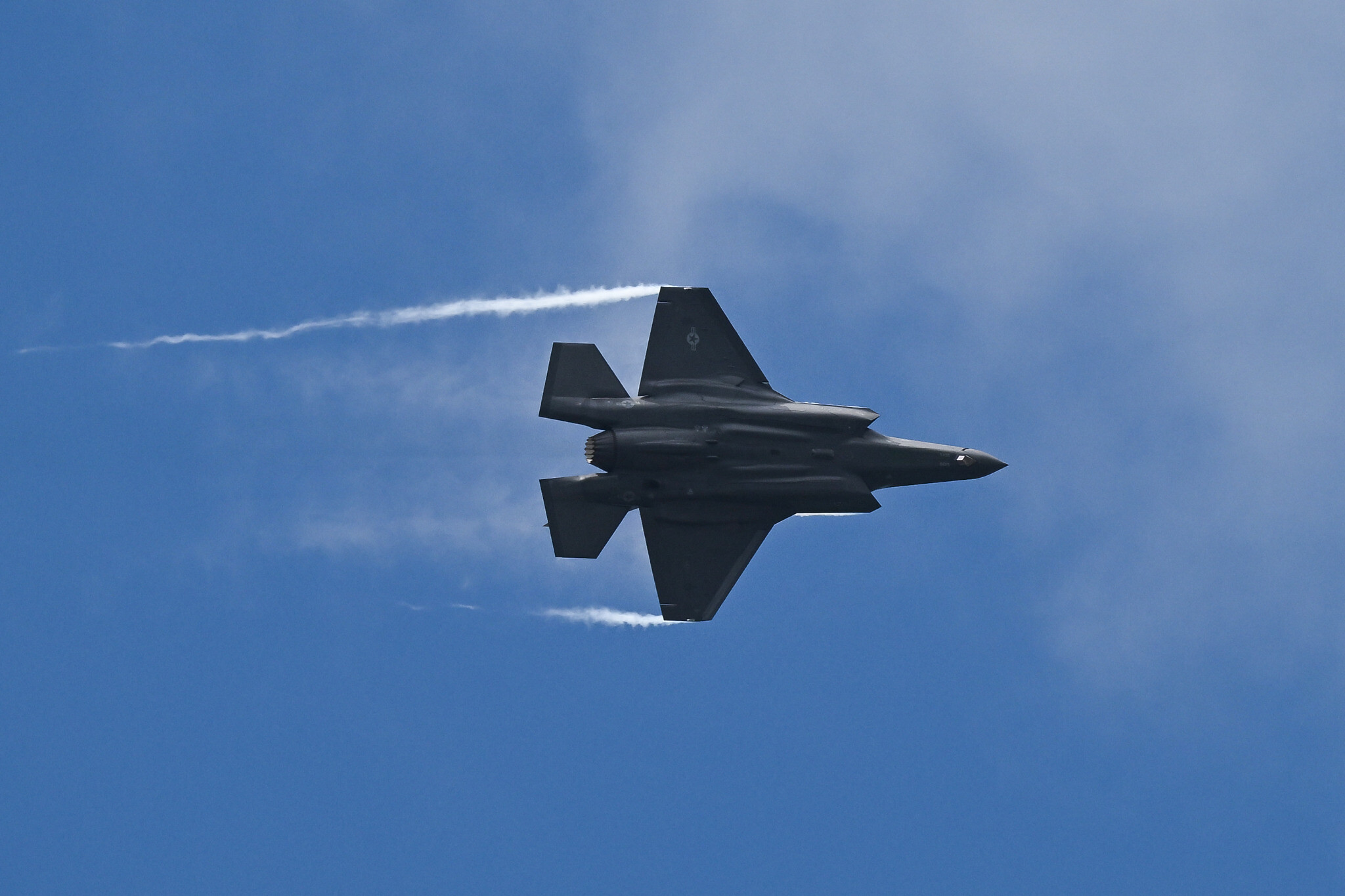
The thresholds are higher for members of NATO as well as for close US partners Australia, Israel, Japan, South Korea and New Zealand. For those transactions, Congress must be notified 15 days in advance of a transfer, compared to 30 days for most other countries.
During his first term, Trump often expressed frustration with members of Congress delaying foreign arms sales over human rights or other concerns.
In 2019, he infuriated many lawmakers, including some fellow Republicans, by declaring a national emergency because of tensions with Iran.
That allowed him to sweep aside a long-standing precedent for congressional review of major weapons sales and complete the sale of over $8 billion worth of weapons to Saudi Arabia, the United Arab Emirates and Jordan.
At the time, members of Congress had been blocking sales of military equipment to Saudi Arabia and the UAE for months, angry about the civilian toll from their air campaign in Yemen, as well as human rights abuses such as the murder of Saudi journalist Jamal Khashoggi at a Saudi consulate in Turkey.






The Times of Israel Community.