

Tunisia’s first democratically elected president dies at 92
Beji Caid Essebsi won office in 2014 after Arab Spring uprising
 Add ToI as a Preferred Source on Google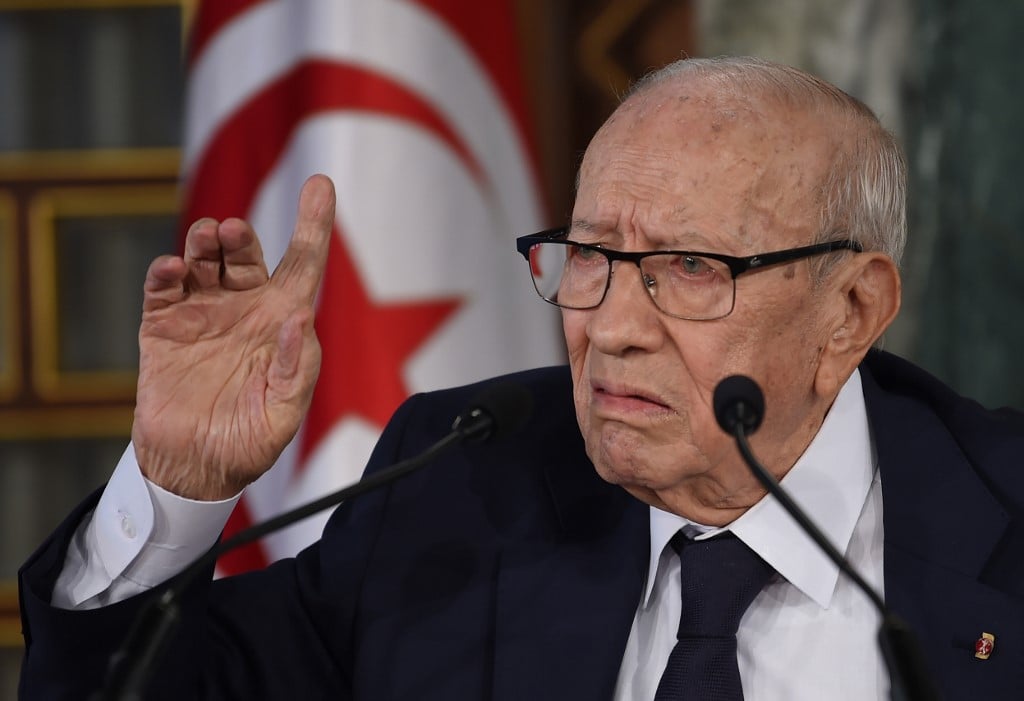
Tunisian President Beji Caid Essebsi, the North African country’s first democratically elected leader, died Thursday at the age of 92, his office said.
The veteran politician, the oldest head of state after Britain’s Queen Elizabeth II, came to power in 2014, three years after the Arab Spring uprising toppled longtime despot Zine El Abidine Ben Ali and sparked revolts in several Arab nations.
He had been hospitalized with a severe illness in late June and was returned to intensive care on Thursday.
Essebsi appeared feeble in a video released by his office on Monday of a meeting at the defense ministry.
Concerned for the country’s stability, politicians and social media users have called for greater transparency about the president’s health since he was hospitalized last month.
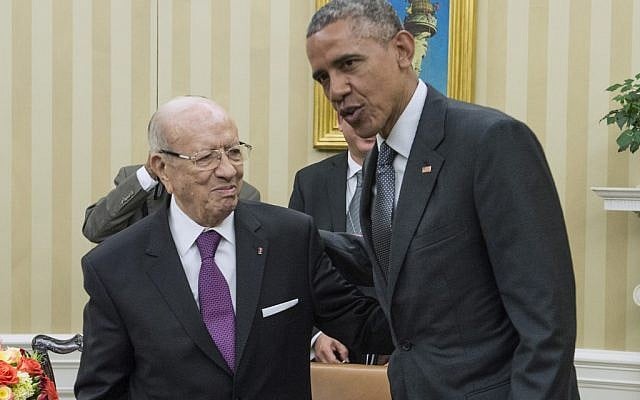
Essebsi, the country’s first democratically elected president, came to power in 2014, three years after the Arab Spring uprising toppled longtime despot Zine El Abidine Ben Ali and sparked revolts in several Arab nations.
A veteran politician, Essebsi served as an adviser to Habib Bourguiba, the father of Tunisia’s independence from France, holding a number of key jobs under him and later under Ben Ali.
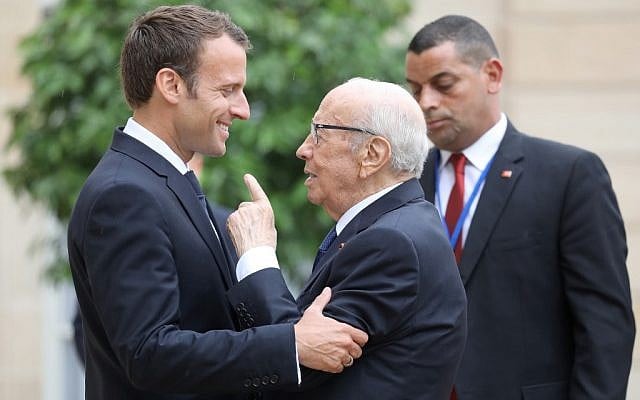
Over the years, Essebsi was director general of the national police and interior minister. He later held the defense portfolio before becoming ambassador to France.
He became prime minister after the 2011 uprising and organized parliamentary elections later that year.
Essebsi is the founder and chairman of the secularist Nidaa Tounes (Call of Tunis) party.
In April, he said he did not plan to run for re-election in polls due to be held in November this year in order to make way for someone younger.
Presidential elections are scheduled for November 17, after parliamentary elections which have been set for October 6.
Essebsi has neither rejected nor enacted an amended electoral code passed by parliament in June that would bar the way for several strong candidates in the upcoming polls.
The restrictions would rule out the candidacy of media magnate Nabil Karoui, charged earlier this month with money laundering, who has formed a political party and stated his intention to run in the poll.






The Times of Israel Community.