

TV report claims ‘dramatic’ developments in Case 4000, involving PM’s associates
Days after police recommend indicting Netanyahu in cases 1000 and 2000, Hadashot analyst says Bezeq probe may be ‘the strongest case of them all’
 Add ToI as a Preferred Source on Google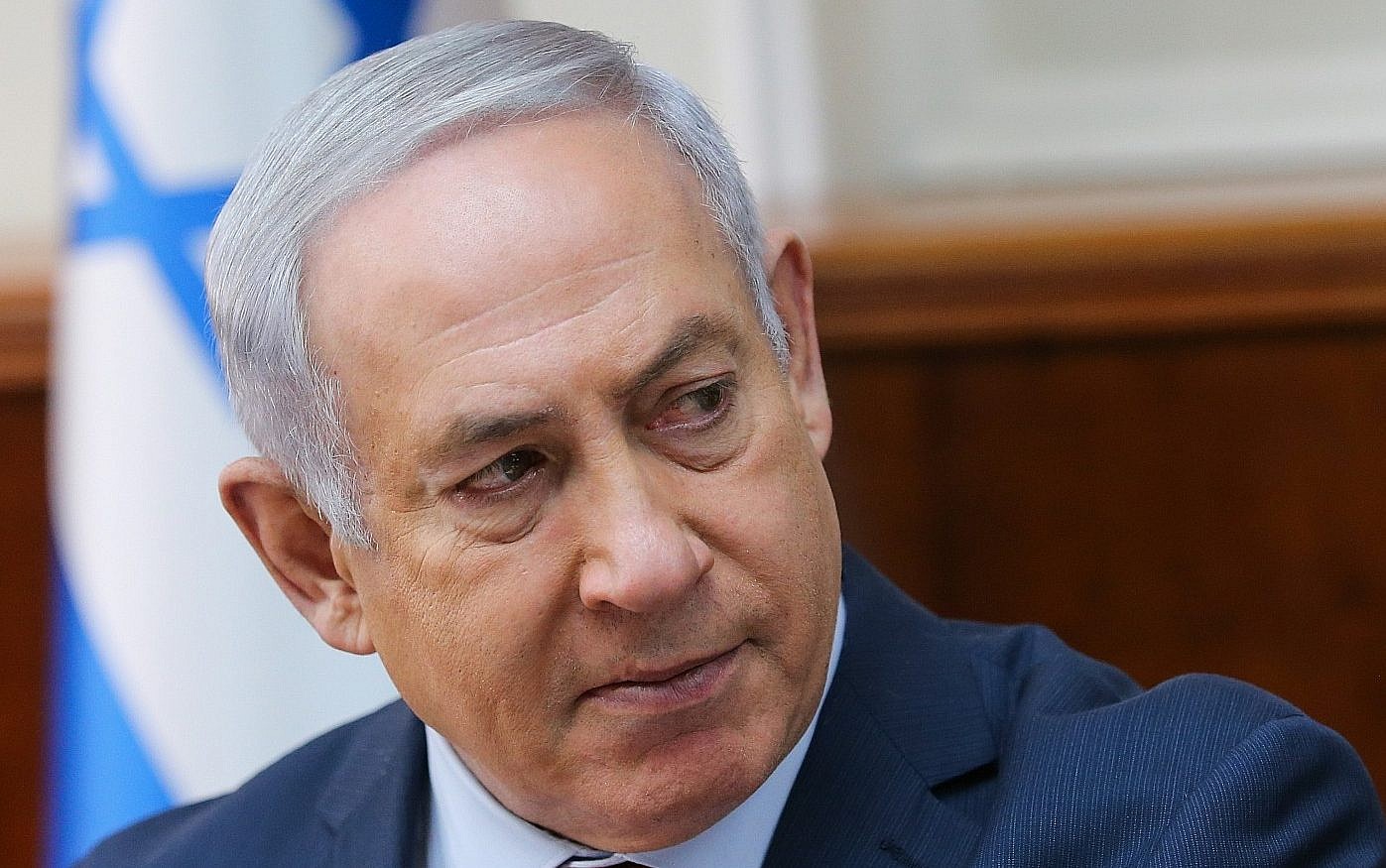
Days after police recommended indicting Prime Minister Benjamin Netanyahu in two separate graft probes, Hadashot news on Friday reported “dramatic” developments in another criminal case involving Netanyahu associates, known as Case 4000.
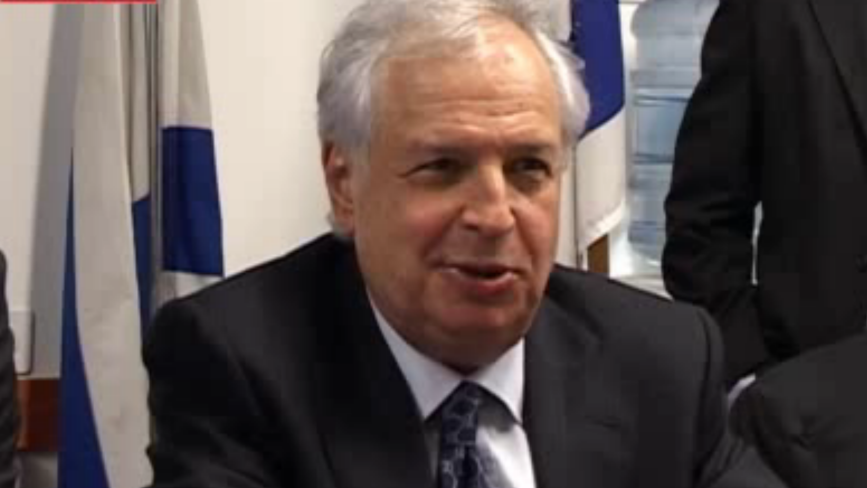
In the case, police suspect that Shaul Elovitch, owner of the Walla news site and the controlling shareholder of national telephone company Bezeq, swayed coverage of Netanyahu on the news site in exchange for benefits for Bezeq.
The director-general of Israel’s Communications Ministry, Shlomo Filber, is accused of illicitly allowing Bezeq to buy shares of YES, a satellite cable provider. Filber was appointed by Netanyahu, who also serves as communications minister.
Netanyahu has not been named as a suspect in the probe, but Hadashot analyst Amnon Abramovich reported that the case involves “surprises” and that it appears to be “the strongest case of them all, with explosive potential.”
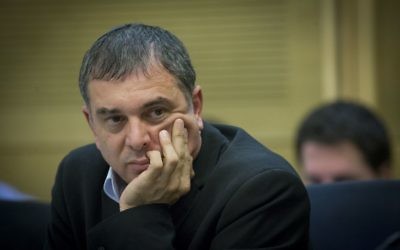
Haaretz has reported that Walla CEO Ilan Yeshua is a key witness in the case, and has said he faced intense pressure to bury negative reporting about Netanyahu and encourage positive reporting about his wife Sara.
Yinon Magal, a former lawmaker who once edited the Walla news site, also said Thursday that he was pressured to cover Netanyahu and his family in a positive light.
Hadashot reported that a strong body of evidence has accumulated, pointing to numerous messages exchanged between suspects in the case, including an associate of Netanyahu.
Meanwhile Channel 10 reported that a top state prosecution official overseeing the criminal probes into Netanyahu agrees with police assessments that the premier took a bribe in case 2000, involving an alleged deal with Yedioth Ahronoth newspaper publisher Arnon Mozes, Hadashot news reported Friday.
Liat Ben Ari, in charge of the prosecution’s Taxation and Finance department, was said to concur with police recommendations that Netanyahu should be indicted in the case, though other officials in the state prosecution are less certain of the prime minister’s culpability.
Case 2000 involves a suspected illicit quid pro quo deal between Netanyahu and Mozes that would have seen the prime minister weaken a rival daily, the Sheldon Adelson-backed Israel Hayom, in return for more favorable coverage from Yedioth.
In his first public appearance since police published recommendations to indict Netanyahu for bribery, Attorney General Avichai Mandelblit on Thursday dismissed reports of a rift between state prosecutors and the police, hailing the police investigators and the quality of the work they did during the year-long probe.

“These investigations were done according to the book, precisely in the way you would expect of law enforcement authorities handling a case like this — professionally, thoroughly, resourcefully, smartly, with a determination to establish the truth,” he told a conference at Tel Aviv University.
“There has been close, fruitful cooperation” between police and prosecutors, he stressed, including “dozens of joint meetings.”
“I hear efforts to suggest a rift between the police, the prosecution and the Attorney General’s office,” he said, referring to TV reports on Wednesday that claimed state prosecutors believe the police did not have enough evidence to justify some of the charges they recommended be brought against Netanyahu on Tuesday, and that the case had been wrapped up prematurely.
Plainly, reports asserting such frictions were the unfounded product of efforts to try to manufacture divisions and frictions, said Mandelblit.
“We have worked together with full cooperation to turn over every stone and to bring the truth to light,” Mandelblit said. “I recommend being very skeptical about reports of rifts and tension between the various law enforcement bodies.”
He said there were certainly differences of opinion within and between the various authorities regarding aspects of the case, and “that is how investigations operate.” The careful weighing of different opinions helps ensure that the right decisions are ultimately taken, he said.
He vowed to ignore “all the background noise” and focus solely on establishing the truth.
He also said the police investigators had got to “all the relevant places,” including overseas, and reached “states witness agreements” where appropriate. The police’s work had been efficient and expedient, he said. He noted that further work might be required, and that this was entirely natural.
Mandelblit, the official who must now decide whether to indict Netanyahu on all or any of the fraud, breach of trust, and bribery charges recommended by the police in two major corruption investigations, also offered thinly veiled criticism of the prime minster.

Responding to the recommendations, Netanyahu on Tuesday and Wednesday had slammed the police conduct of the investigations as biased and lacking in objectivity, said the allegations against him were demonstrably unfounded, and asserted that the police case was like “Swiss cheese.”
But the attorney general stressed that police investigators had acted as expected of officers of the law, and said “I completely reject the claims that some of those involved in Case 1000 and Case 2000 acted on the basis of unprofessional considerations.”
“All of the entities involved in the dealing with the investigation cases… acted and are acting loyally on behalf of the rule of law in the country,” Mandelblit said.
Noting that there is naturally great public interest in the cases due to the identity of the suspects — Netanyahu, leading businessmen and a newspaper publisher — the attorney general stressed that “all decisions that were taken so far, and all decisions that will be taken in the future, were based and will be based on thing but the evidence and law.”
“I don’t know at this time when, at the end of the day, the decision will taken [on whether to press charges]. I do know that the decision will only be taken on the basis of the evidence and justice. I stress once again: only the evidence will speak. Only the law will determine — no other external considerations or body will influence the decision.”
“No one is above the law and no one is immune from it,” he said emphatically.
Some media reports have estimated that Mandelblit may not be ready to make a final decision on indictments until the beginning of next year. TV reports on Wednesday night asserted that the police feel the decision should be made within eight months, whereas the prosecution has indicated it will take longer.
Police have recommended Netanyahu be indicted in both corruption investigations over which he has been repeatedly questioned, known as cases 1000 and 2000.
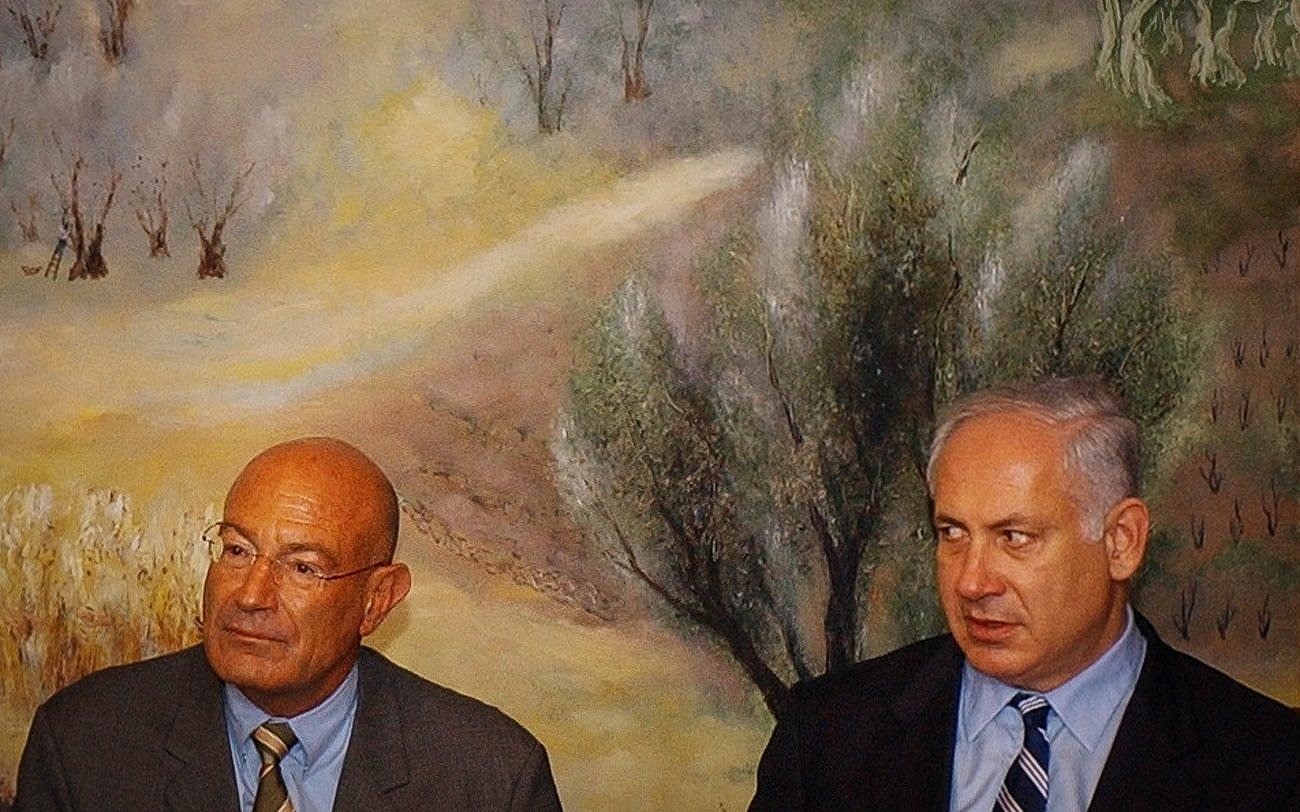
In Case 1000, Netanyahu and his wife, Sara, are alleged to have received illicit gifts from billionaire benefactors, most notably the Israeli-born Hollywood producer Arnon Milchan, totaling NIS 1 million ($282,000).
In return, Netanyahu is alleged by police to have intervened on Milchan’s behalf in matters relating to legislation, business dealings, and visa arrangements.
Netanyahu has denied any wrongdoing in the various cases.
Raoul Wootliff and Stuart Winer contributed to this report.





The Times of Israel Community.