

UN Human Rights Council to hold emergency session on Iran protest crackdown
Iranian prosecutor denies Trump’s threats prevented mass executions; standoff over inspections of nuclear sites continues, with Iran demanding IAEA condemn US, Israeli strikes
 Add ToI as a Preferred Source on Google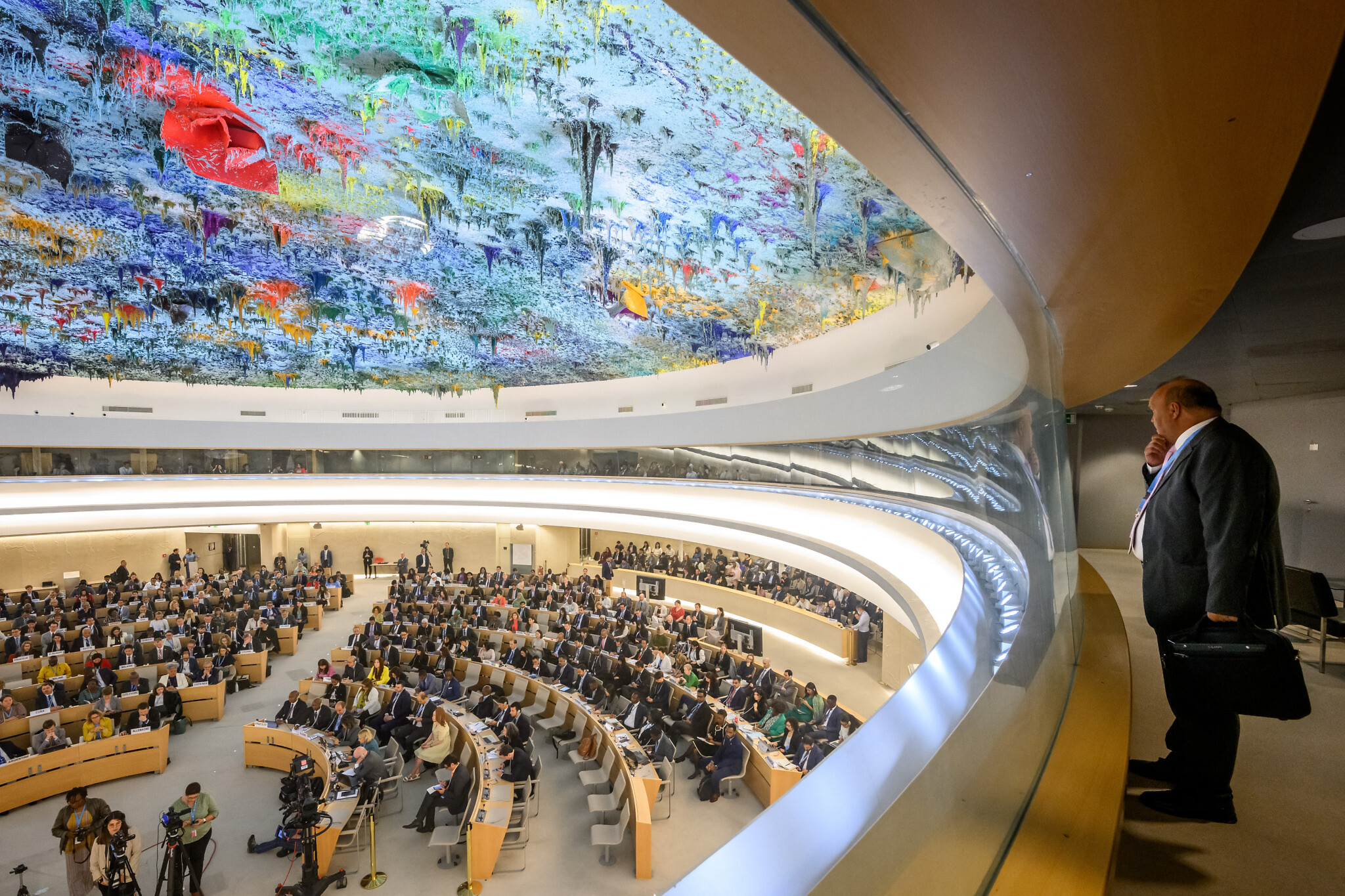
The United Nations Human Rights Council will hold an emergency session on Friday to discuss the “alarming violence” used in Iran against anti-regime protesters, while a group of states will call on UN investigators to document alleged abuses for future trials.
Rights groups say thousands were killed during the protests, which represented the biggest challenge to Iran’s clerical authoritarian government since 2022. As verifications of deaths mount, tensions have persisted between Iran and US President Donald Trump, who had previously said his threats to strike Iran resulted in the regime halting the deaths of more than 800 protesters. An Iranian official denied that claim on Thursday.
At least 50 countries backed the call for a special session of the UN Human Rights Council to address credible reports of violence, crackdowns on protesters and violations of international human rights law across the country, according to a letter drafted by Iceland.
“The scale of the crimes is unprecedented,” Payam Akhavan, a former UN prosecutor of Iranian-Canadian nationality, told Reuters ahead of the session, where he is set to speak.
“We are trying to set the stage for transitional justice in Iran, for the country’s Nuremberg moment, should that come to pass,” he said, referring to the landmark criminal trials of Nazi leaders following World War II.
Iran’s diplomatic mission did not immediately respond to a request for comment from Reuters. Authorities have blamed the unrest and deaths on “terrorists and rioters” backed by exiled opponents and foreign adversaries such as the United States and Israel.
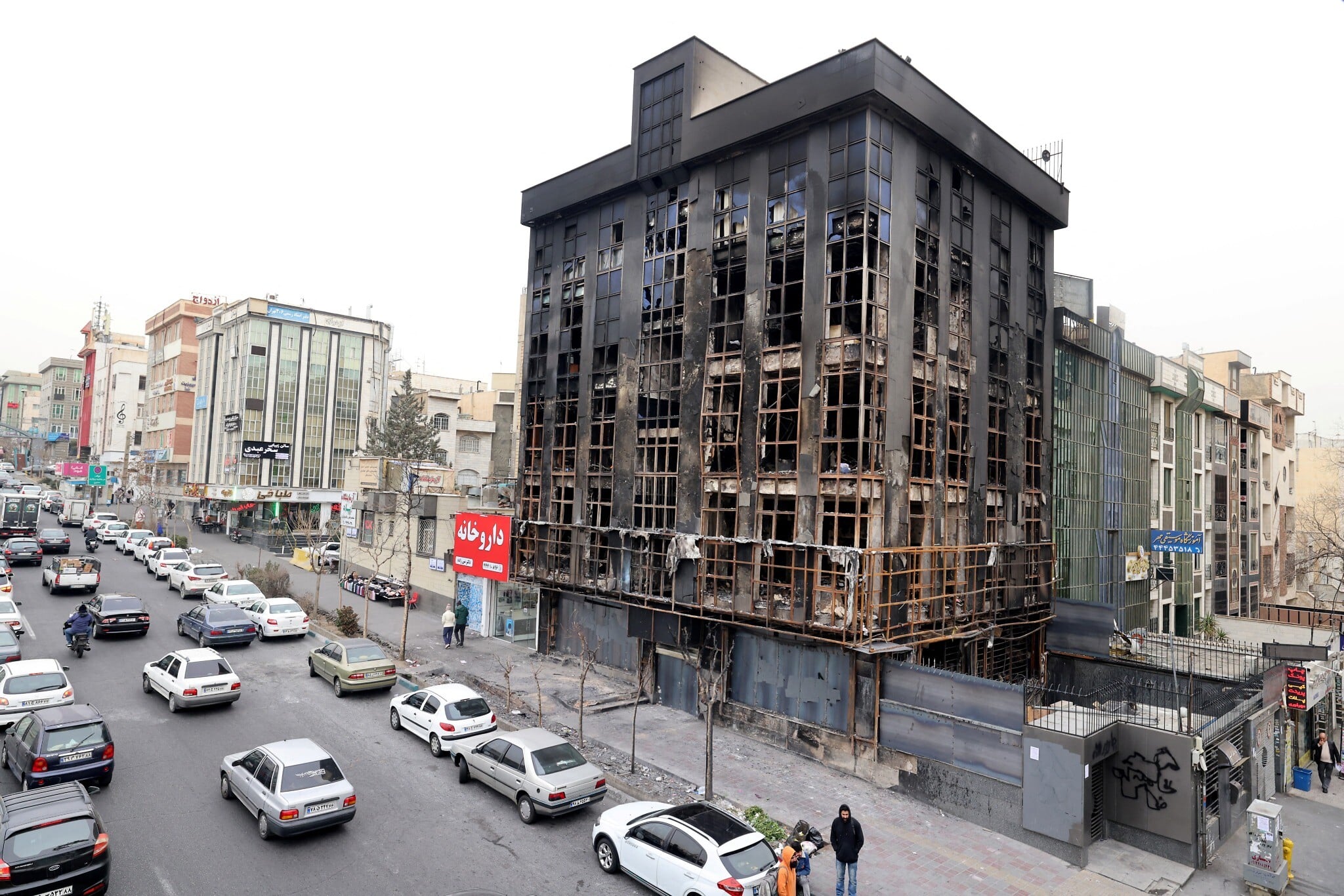
The proposal before the Geneva body seeks to extend by two years the mandate of a UN investigation established in 2022, after the previous wave of protests centered on women’s rights. It would also launch an urgent investigation into violations and crimes linked to the latest unrest that began on December 28, 2025, “for potential future legal proceedings.”
It was unclear who would cover the costs amid a UN funding crisis that has stalled other probes. Human rights advocates hope that the emergency session will pressure Iran’s government.
“The session sends a strong message to Iranian authorities that the international community is closely monitoring their actions and will not tolerate the suppression of dissenting voices,” said Azadeh Pourzand, the spokesperson for Impact Iran, which is a coalition of 19 non-governmental organizations campaigning for human rights in Iran.
Activists said the verified death toll from the protest crackdown has reached at least 5,002 people killed, with many more still feared dead. The number was provided by the US-based Human Rights Activists News Agency, which has been accurate in previous rounds of unrest in Iran and relies on a network of activists in Iran to verify deaths.
Iran’s government offered its first death toll on Wednesday, saying 3,117 people were killed. Iran’s theocracy in the past has undercounted or not reported fatalities from unrest.
The lethal use of force by Iran against protesters has drawn Trump’s ire. He confirmed on Thursday that a “massive fleet” of US military vessels is heading toward Iran to address the matter.
Trump also reiterated his claim that Iran scrapped plans to execute 837 protesters in response to his threats on the matter. “They said that they canceled it. They didn’t postpone it.”
Mohammad Movahedi, Iran’s top prosecutor, denied the claim on Thursday while sto peaking the news agency of Iran’s judiciary, Mizan.
“This claim is completely false; no such number exists, nor has the judiciary made any such decision,” he reportedly said.
Standoff over nuclear inspections continues
Meanwhile, Mohammad Eslami, the head of Iran’s nuclear program, told Iranian media that Tehran would only permit the UN’s International Atomic Energy Agency to inspect the nuclear sites hit last June by Israeli and US attacks after it clarifies the agency’s stance on the strikes.
Israel said its sweeping assault on Iran’s top military leaders, nuclear scientists, uranium enrichment sites, and ballistic missile program during a 12-day war last June was necessary to prevent the Islamic Republic from realizing its avowed plan to destroy the Jewish state. The US also struck Iran’s nuclear sites near the end of the war.
Eslami said the IAEA inspections so far have been limited to undamaged sites, and he criticized the UN watchdog for letting Israeli and US pressure influence its actions.
Eslami’s comments came in response to IAEA chief Rafael Grossi saying on Tuesday that the standoff over inspections “cannot go on forever.”
Grossi has not explicitly condemned or criticized the attacks, nor has he formally outlined a protocol for inspecting the damaged facilities.
Access to sites that were attacked needs “a specific protocol,” Eslami said, adding: “When a military strike occurs and there are environmental risks, it must be defined and a guideline must be designed.”
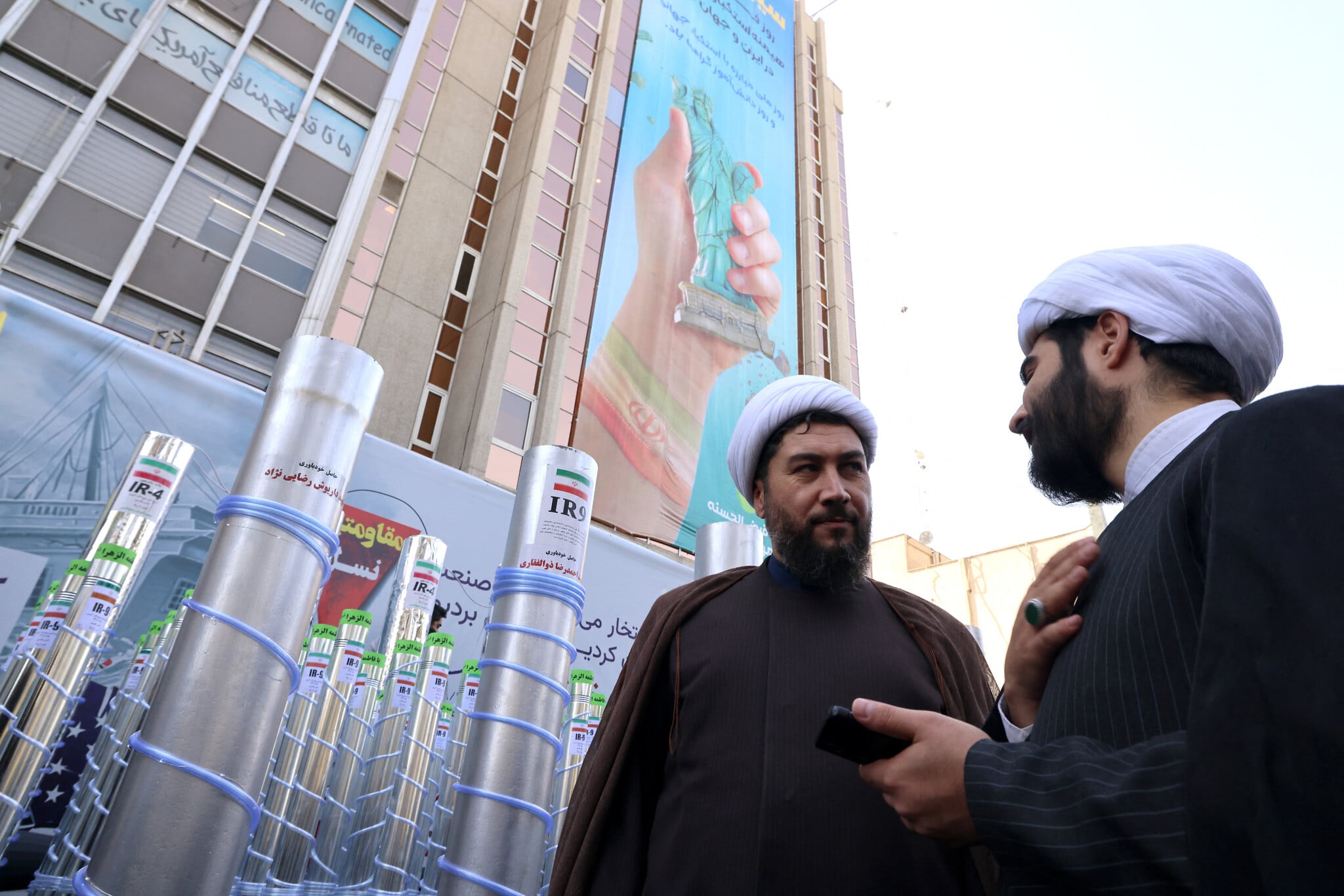
“The agency has to clarify its position regarding the military attacks on the nuclear facilities that have been registered by the agency and are under its supervision, so we can understand what role they play,” state TV quoted Eslami as having told reporters in Tehran on Thursday.
He said Tehran had submitted a statement at the IAEA’s General Conference last September demanding that attacks on nuclear sites be prohibited, but that it was not placed on the agenda and was ignored.
Grossi told Reuters on Tuesday that the IAEA had inspected all 13 declared nuclear facilities in Iran that were not targeted last June but had been unable to inspect any of the three key sites that were bombed — Natanz, Fordow, and Isfahan.






The Times of Israel Community.