

UN nuclear watchdog believes most of Iran’s enriched uranium unharmed by war with Israel
IAEA director says roughly 400 kilograms of 60% enriched uranium being stored at damaged nuclear facilities, no way to access it without Tehran’s full cooperation
 Add ToI as a Preferred Source on Google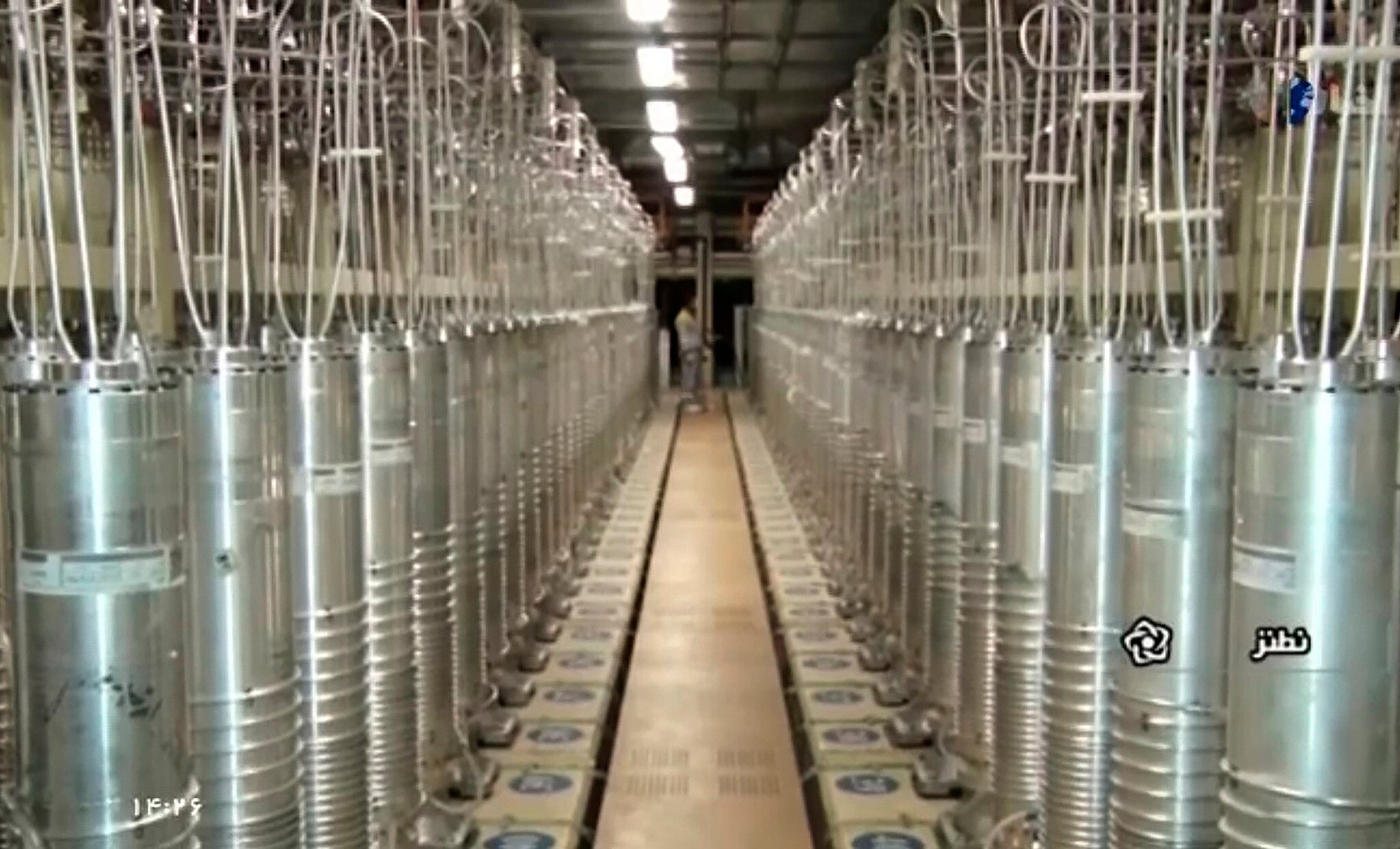
The head of the UN’s nuclear watchdog revealed last week that the body believes that most of Iran’s supply of enriched uranium survived the country’s 12-day war with Israel back in June, and is still being kept inside the damaged nuclear facilities.
Rafael Grossi, the director of the International Atomic Energy Agency, told the Swiss newspaper Neue Zürcher Zeitung in an interview published on October 18 that the UN body’s findings suggest that “the majority” of Iran’s 60% enriched uranium “remains in the nuclear facilities in Isfahan and Fordo, and some in Natanz.”
He estimated that, in total, Iran has roughly 400 kilograms of 60% enriched uranium still in its possession.
A confidential report by the IAEA last month found that as of June 13, Iran had 440.9 kilograms (972 pounds) of uranium enriched up to 60%. As Grossi told NZZ that the Islamic Republic still has around 400 kilograms, it would appear that, in the IAEA’s assessment, most of its stockpiled enriched uranium was not damaged by the war.
Israel struck both the Isfahan and Natanz nuclear facilities during the 12-day war with Iran back in June, and the US struck both the sites as well, in addition to the underground and hard-to-reach Fordo site, which Israel did not have the means to target alone.
The three facilities were “massively damaged” in the strikes, Grossi told NZZ, meaning that the IAEA would only be able to access them, and the enriched uranium within, if it were to have “Iran’s full cooperation.”
“This will only happen if Iran sees it as a national interest,” he said.
US President Donald Trump has repeatedly stated that Iran’s nuclear facilities were obliterated in the war. A White House website article from June 26, 2025, states: “From nuclear regulators to foreign policy experts to members of the intelligence community, every knowledgeable person is in agreement that President Donald J. Trump obliterated Iran’s nuclear facilities.”
Israel has assessed that the war set back the Iranian program by “years” but has not been definitive in publicly assessing the fate of Iran’s enriched uranium.
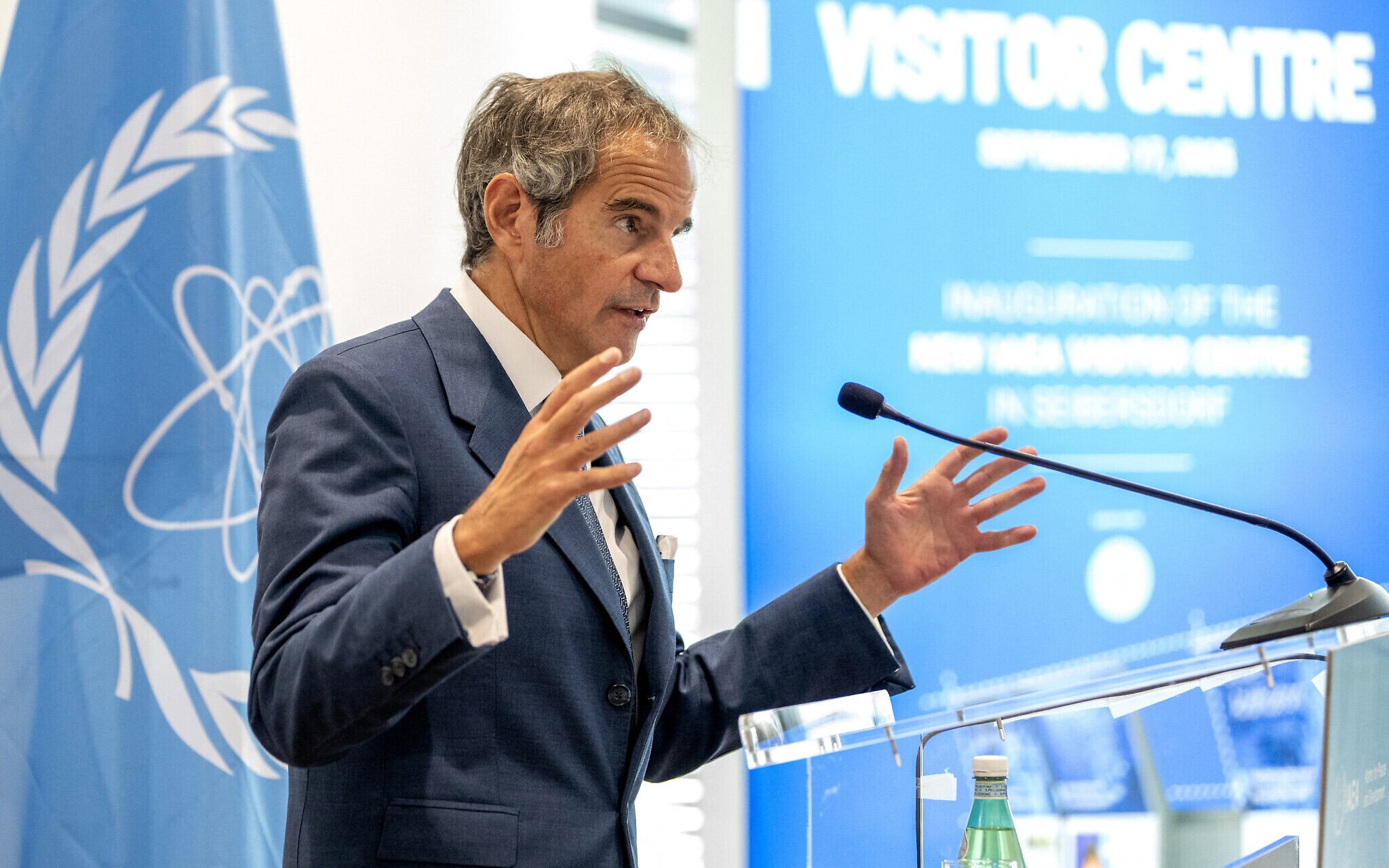
Even though the IAEA believes it knows where the uranium is located, Grossi said that Iran’s lack of cooperation left key questions unanswered
“Will we get access to this uranium? And what will happen to it then? Will Iran want to keep it, will it reduce its enrichment levels again, or will Iran move this uranium abroad?” he asked. “There are many options.”
Iran halted its cooperation with the IAEA following the war with Israel, accusing the agency of failing to adequately condemn the Israeli strikes.
Instead, Tehran and the IAEA have agreed to a new framework of cooperation, which will grant nuclear facility access to UN nuclear inspectors only after approval from Iran’s security body.
Still, Grossi told NZZ that he wasn’t ruling out the possibility of improved cooperation in the future, given that Iran has not withdrawn from the Nuclear Non-Proliferation Treaty and insists that it is still open to finding a diplomatic solution to disputes over its nuclear program.
He called for Iran to resume negotiations over a new nuclear deal, which were suspended when Israel launched its surprise attack against Tehran’s nuclear and missile capabilities on June 13.
“Sitting down together at the table saves us the danger of another round of bombing and attacks,” he said.
The IAEA’s assessment that most of Iran’s enriched uranium was still housed within the country’s damaged nuclear facilities is shared by Tehran, whose foreign minister, Abbas Araghchi, said last month that enriched nuclear material remained “under the rubble” of facilities damaged in Israeli strikes.
Iran, which avowedly seeks Israel’s destruction, denies trying to attain nuclear weapons, but it has enriched uranium to levels that have no peaceful application, obstructed international inspectors from checking its nuclear facilities, and expanded its ballistic missile capabilities. The Islamic Republic took steps toward weaponization shortly before Israel launched its military operation against the program in June, according to Jerusalem.




The Times of Israel Community.