

UNIFIL troops in Lebanon come under fire from IDF, which says it ‘misidentified’ them
Peacekeeping force says troops hid from machine gun fire from IDF tank, no injuries reported; IDF says it mistook UN forces for threat due to poor visibility, fired ‘warning shots’
 Add ToI as a Preferred Source on Google
Emanuel (Mannie) Fabian is The Times of Israel's military correspondent
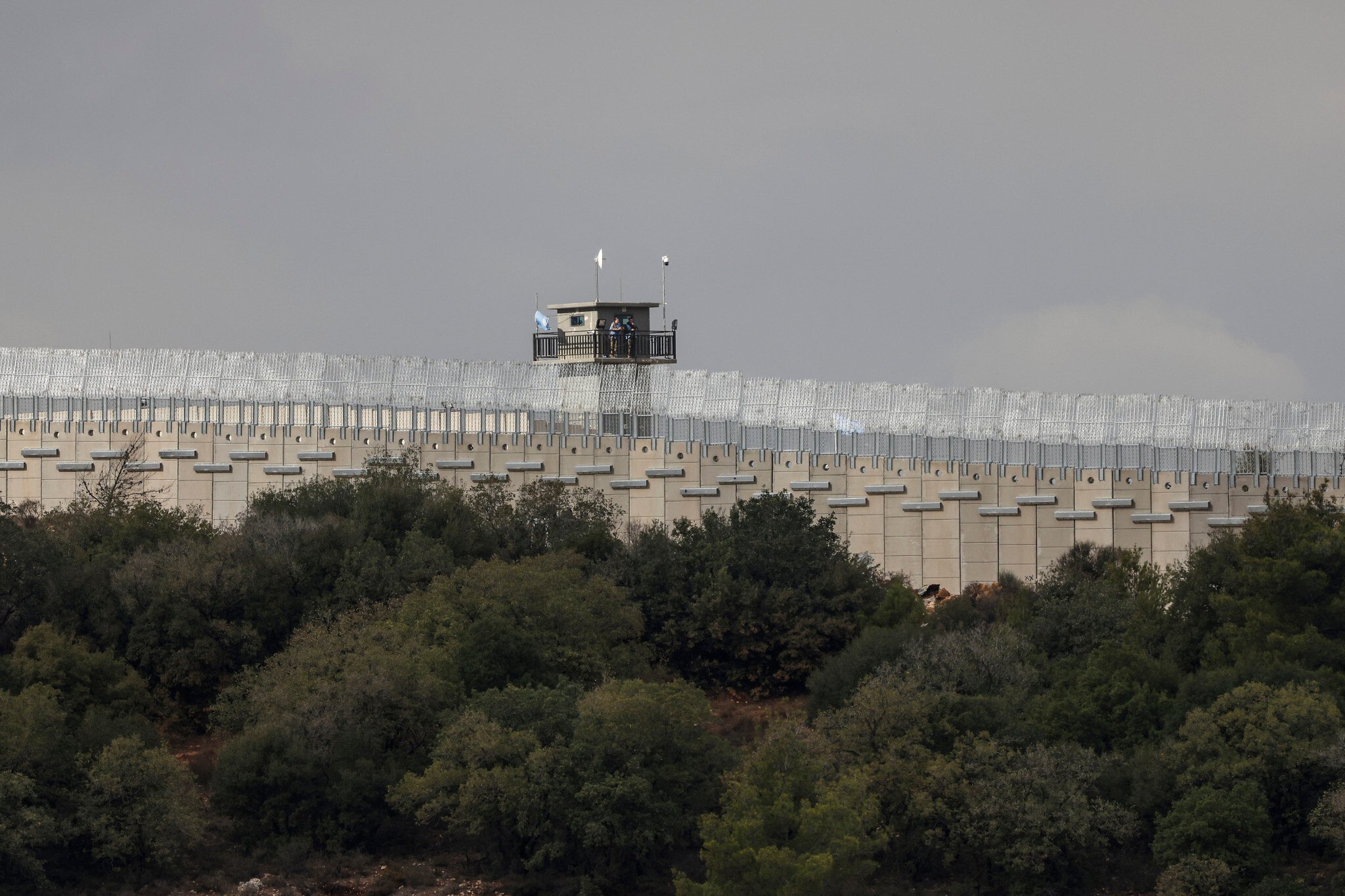
The United Nations Interim Force in Lebanon reported that the Israeli military fired on its observers from an IDF post inside southern Lebanon Sunday morning, with the military later saying the incident was a result of “misidentification” and that soldiers did not deliberately fire on UN troops.
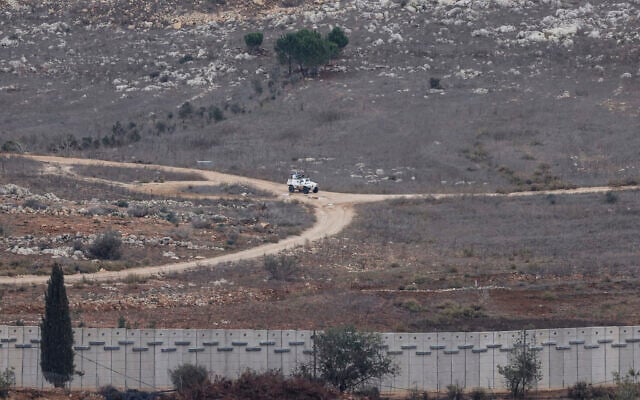
According to UNIFIL, machine gun rounds fired from an IDF tank “hit approximately five meters from the peacekeepers, who were on foot and had to take shelter in the terrain.”
“Peacekeepers asked for the IDF to stop firing through UNIFIL’s liaison channels. They were able to leave safely thirty minutes later, when the Merkava tank withdrew inside the IDF position,” the observer force said, adding that nobody was injured in the incident.
Responding to the report, the IDF said it misidentified UNIFIL troops due to weather conditions, and it had no intention of firing on the observers.
The IDF said that it spotted two suspects in southern Lebanon, just north of Metula, and fired “warning shots” to disperse them.
“After a review, it was determined that the suspects were UN soldiers who were conducting a patrol in the area and were classified as suspects due to poor weather conditions,” the military said, adding that the incident is under further examination.
“The IDF emphasizes that no deliberate fire was directed toward UNIFIL soldiers, and the matter is being handled through official military liaison channels,” the military added.
In recent weeks, UNIFIL has made an increasing number of complaints against the IDF.
Last month, UNIFIL accused the IDF of dropping grenades from drones near its observers in three separate instances, including one incident in which an observer was lightly hurt.
UNIFIL forces also shot down an IDF drone, arguing that it had flown over its patrol “in an aggressive manner.” According to an IDF statement, the drone had posed no threat to the UNIFIL observers.
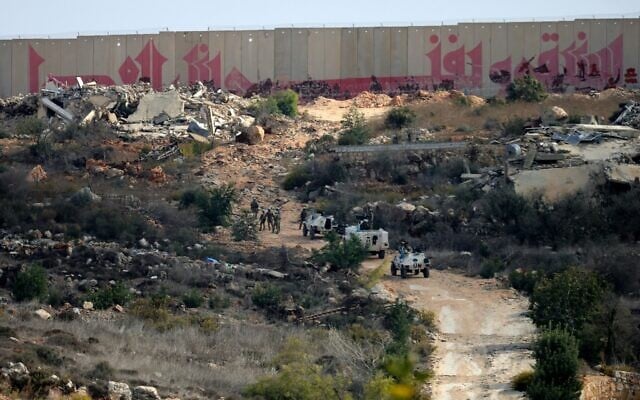
The UN force, along with the Lebanese government, also recently accused Israel of building its new border wall inside Lebanese territory, and Beirut said it would file a complaint to the UN Security Council on the issue.
When asked about the accusation, the Israeli military said, “The wall does not cross the Blue Line,” the de facto border between Israel and Lebanon.
Israel has long argued that the observer force has failed in its mission, doing little to block Hezbollah from building up its forces near the Israeli border over decades.
A 2006 war between Israel and Hezbollah ended with the passage of UN Security Council Resolution 1701, which formed the basis of Israel’s November 2024 ceasefire with the Iran-backed terror group.
That ceasefire halted a conflict sparked when Hezbollah began launching near-daily attacks on northern Israel on October 8, 2023, a day after fellow Iran-backed terror group Hamas invaded southern Israel, sparking the Gaza war.
Hezbollah’s attacks displaced some 60,000 residents of northern Israel. In a bid to ensure their return, Israel escalated its operations in Lebanon in September 2024, decimating Hezbollah’s leadership and invading the country.
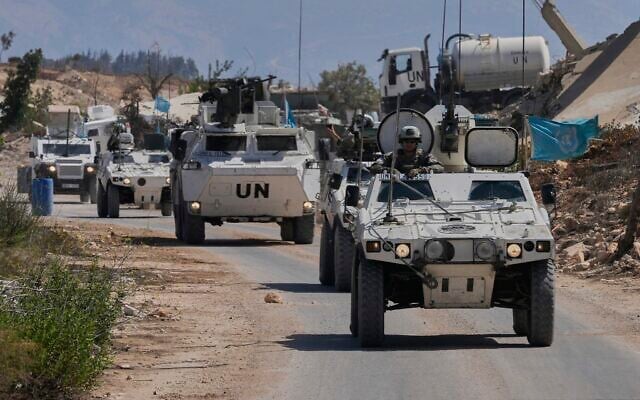
Under the US-brokered ceasefire, Hezbollah and Israel were both required to withdraw from south Lebanon, while UNIFIL deployed there alongside the Lebanese military, in part to help dismantle Hezbollah infrastructure.
Israel has maintained its troops in five locations it deems strategic, and kept up regular strikes on what it says are Hezbollah targets violating the truce.
UNIFIL has been deployed since 1978 to separate Israel and Lebanon, and numbers some 10,000 personnel from almost 50 countries. In August, the UN Security Council voted to end UNIFIL’s mission in 2027.
Times of Israel staff contributed to this report.




The Times of Israel Community.