

US said to cancel meetings with Lebanese army chief for remarks criticizing Israel
Beirut official says cancellation ‘sudden and shocking,’ came after Lebanon’s military condemned Israel for ‘violating Lebanese sovereignty’ with strikes on Hezbollah
 Add ToI as a Preferred Source on Google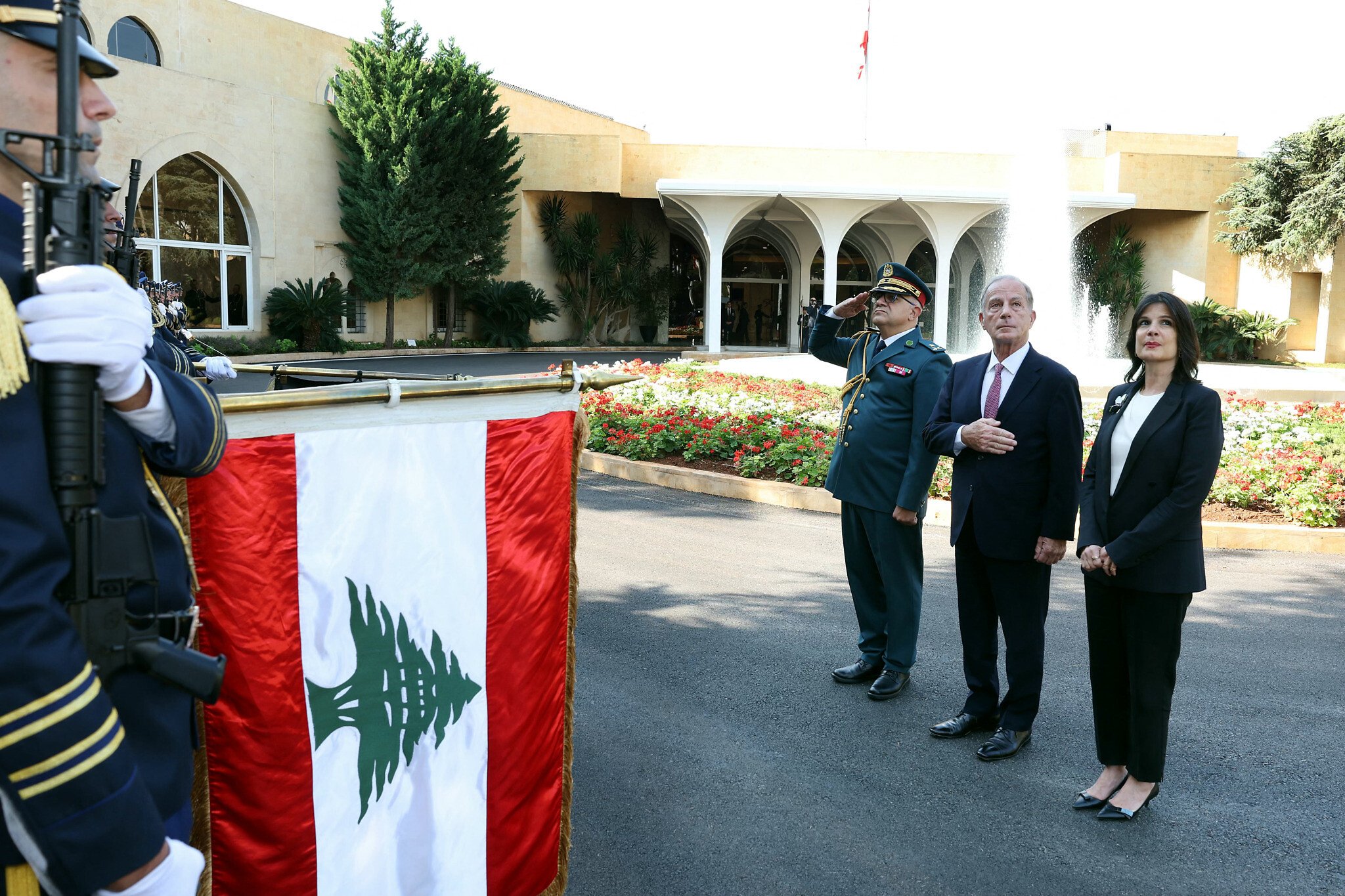
BEIRUT — The US has cancelled meetings in Washington with Lebanese armed forces commander General Rudolf Haykal after objecting to a statement the army issued on Sunday about border tensions with Israel, Lebanese officials familiar with the matter said Monday.
A Lebanese security official told Reuters the cancellations were “sudden and shocking” and prompted Haykal to call off the trip. Haykal had been due to arrive in Washington on Tuesday for meetings on military assistance and border-security cooperation.
The US Embassy in Beirut did not immediately respond to a request for comment.
Washington is a key backer of Lebanon’s army, providing support of more than $3 billion over the last two decades in a policy aimed at supporting state institutions in a country where the Iran-backed terror group Hezbollah has long held sway.
In Sunday’s statement, the army accused Israel of “insisting on violating Lebanese sovereignty, causing instability and obstructing the army’s deployment in the south.”
It condemned the “latest attack” on a UNIFIL peacekeeping patrol, which the IDF said was accidental, and said Israeli actions required “immediate action” from friendly states as they amounted to “a dangerous escalation.”
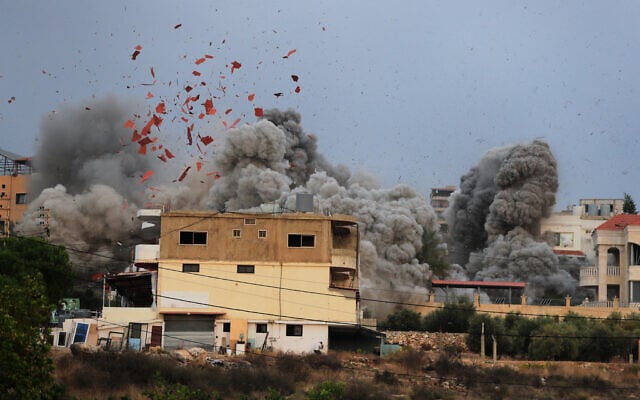
The Israeli military remains deployed to five posts within Lebanon and frequently carries out airstrikes in the country’s south that it says are targeting Hezbollah operatives.
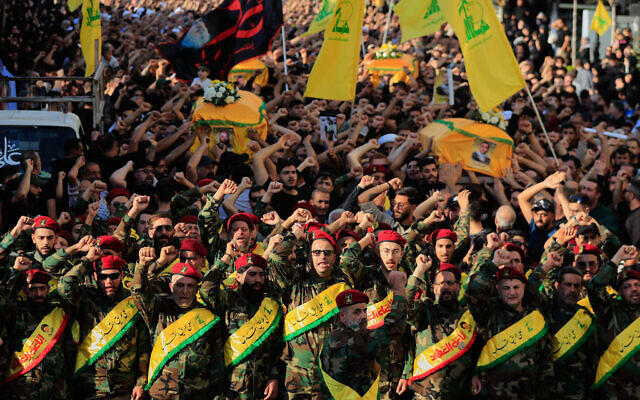
Hezbollah was greatly weakened in its most recent war with Israel, which started when the terror group began firing missiles at the Jewish state on October 8, 2023, a day after the Hamas terror group launched its own attack on Israel from Gaza, triggering the war in the Strip.
After nearly a year of daily skirmishes, Israel launched massive airstrikes and a limited ground incursion into southern Lebanon in September 2024. A ceasefire was declared two months later, with Hezbollah left severely weakened. The agreement allows Israel to strike imminent threats.
Under the terms of the truce brokered by the US and France, Lebanon’s armed forces were to confiscate “all unauthorized arms,” beginning in the area south of the Litani River — the zone closest to Israel.
Hezbollah Secretary General Naim Qassem has said the agreement only applies to the area south of the Litani.
Israel accuses Hezbollah of trying to rearm, while Lebanon’s government accuses Israel of violating the agreement by not withdrawing and continuing to carry out airstrikes.
US Republican Senator Joni Ernst said she was “disappointed” in the Lebanese army’s position. “(They are) a strategic partner, and, as I discussed with the CHOD (army chief) in August, Israel has given Lebanon a real opportunity to free itself from Iran-backed Hezbollah terrorists.
“Instead of seizing that opportunity and working together to disarm Hezbollah,” Ernst added, “the CHOD is shamefully directing blame at Israel.”



The Times of Israel Community.