

Vivid sculptures displayed in ancient Jerusalem citadel reflect post-Oct. 7 life cycle
London-based Israeli artist Zadok Ben-David brings his singular metalworks to the Tower of David Museum: ‘Shows how quickly but gradually things change’
 Add ToI as a Preferred Source on Google
Jessica Steinberg, The Times of Israel's culture and lifestyles editor, covers the Sabra scene from south to north and back to the center
Artist Zadok Ben-David and Tower of David Museum director Eilat Lieber have discussed exhibiting Ben David’s sculptures at the Tower of David Museum for the past 10 years.
Following changes wrought by the museum’s massive renovation and the terrifying, savage Hamas terrorist attack on October 7, 2023, the London-based artist put together the exhibit, marking one year since the massacre.
“On the Other Side” displays a collection of Ben-David’s works, some of which are site-specific for the Tower of David, and others having been exhibited previously and being shown in Israel for the first time. The exhibit opened in September and will remain at the ancient citadel through the end of April 2025.
Each work that is sculpted in steel, thin, seemingly almost bendable metal, often brightly painted on one side and black on the other, reflects on the cycle of life, the two sides of every situation.
While a tour of “On the Other Side” can begin from various points in the museum, it probably makes the most sense to start from the museum’s new entrance, which also houses the new Harim Cafe.
There are two works placed in that building’s exhibition space, such as a video work titled ‘Same Place, Other Times,” depicting a gradual transition from light to darkness, with the panorama of a blooming, flower-filled field that is slowly destroyed until it grows once again.
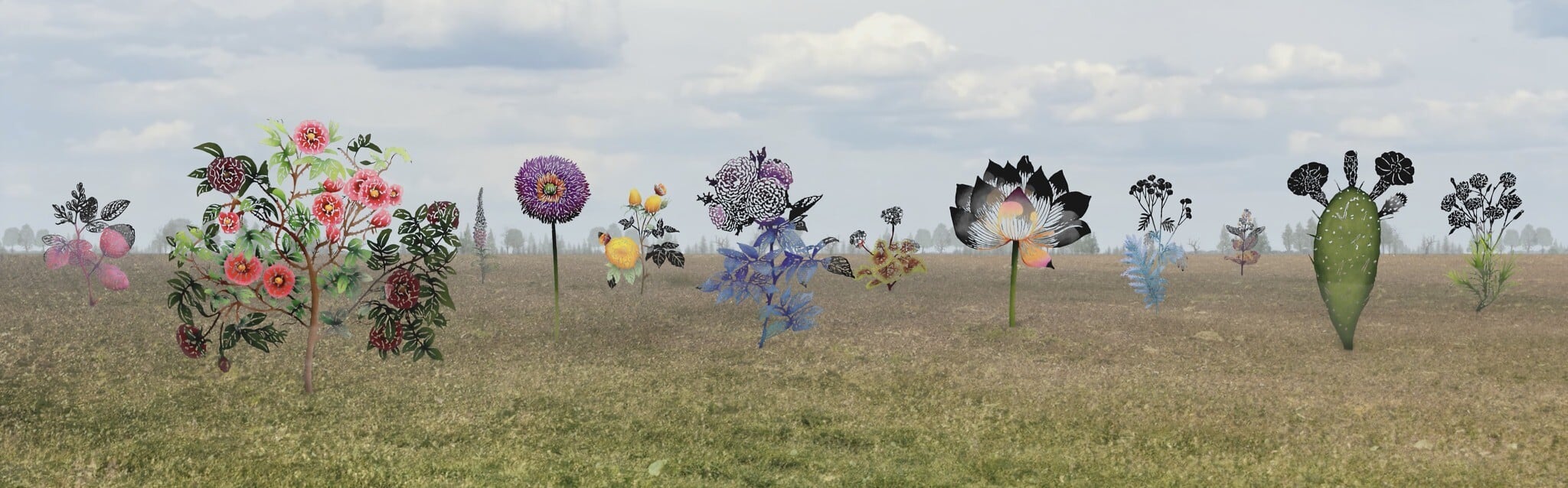
Ben-David sculpted each flower used in the video, and while the work was created in 2008, it has become a metaphor for the burned, destroyed fields of Israel’s south, destroyed by Hamas and some now being tilled again.
“Flowers are what we give in extreme situations and it’s the same image that can comfort,” said Ben-David. The installation is emotional although he didn’t initially intend it to be, and only realized it could evoke strong feelings when he first showed it in Los Angeles and saw the reactions of viewers.
“I made it before everything happened here on October 7,” said Ben-David. who has lived in London for decades. “It shows how quickly but gradually things change, the cycle of life.”
At the other end of the same darkened exhibition space is “The Other Side of Midnight,” an oversized, two-sided sphere of finely carved metal, consisting of thousands of vividly painted butterflies. A closer look reveals that there are human figures rather than insects placed in between the butterfly wings, whereas the other side of the sphere reveals the insects without their wings.
Ben David calls the work a metaphor for human behavior and attitudes.
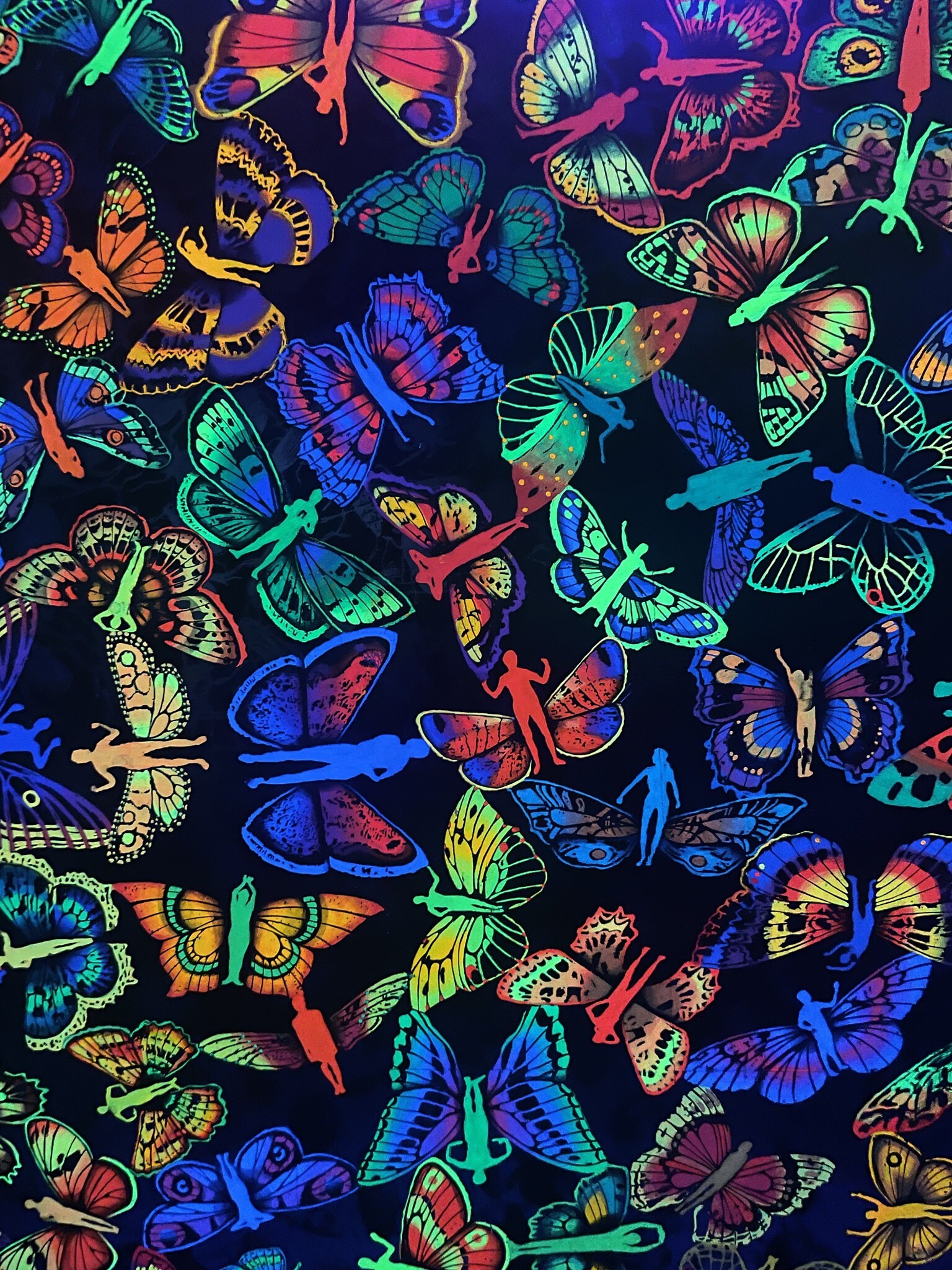
“It’s bugs versus butterflies,” he said. “We judge people, those who are beautiful versus those who aren’t as attractive.”
Outside the museum’s new entrance pavilion is Ben David’s “Cypress Trees/Fringe of the Field” commissioned specifically for the institution.
There are seven, three-meter-high cypress trees cut by hand from weathered steel, each one consisting of human figures that form the shape of the indigenous trees.
Ben-David called the cypress a resilient tree, rooted in local history and representing a kind of symbol of the local topography.
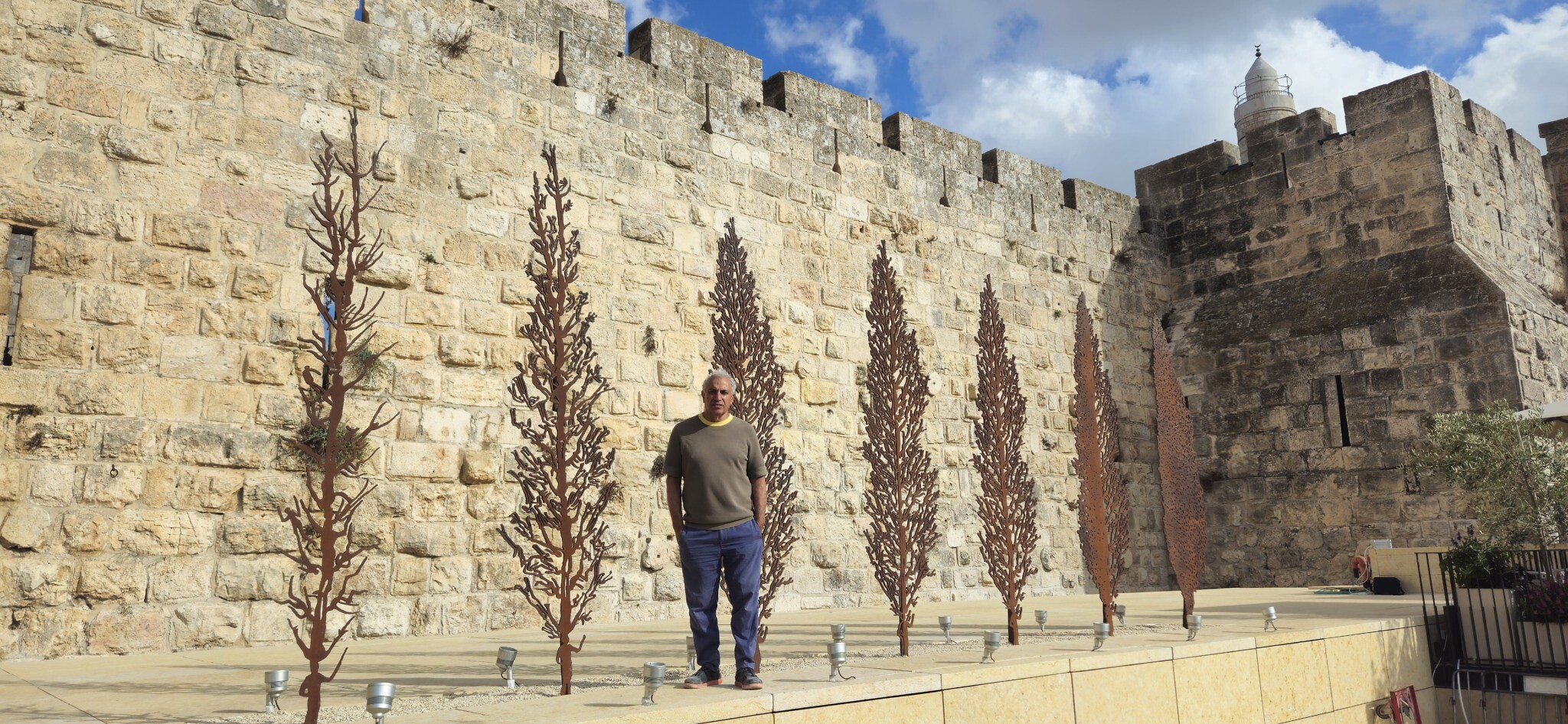
It’s a tree that doesn’t need much water either, and can grow anywhere, said Ben-David, who loves the simplicity of the tree’s form and its resemblance to a candle.
It was only after Ben-David sculpted and installed the seven trees, and went to photograph them from across the street, that he noticed other trees blocking his view — cypress trees, and thought how appropriate that was.
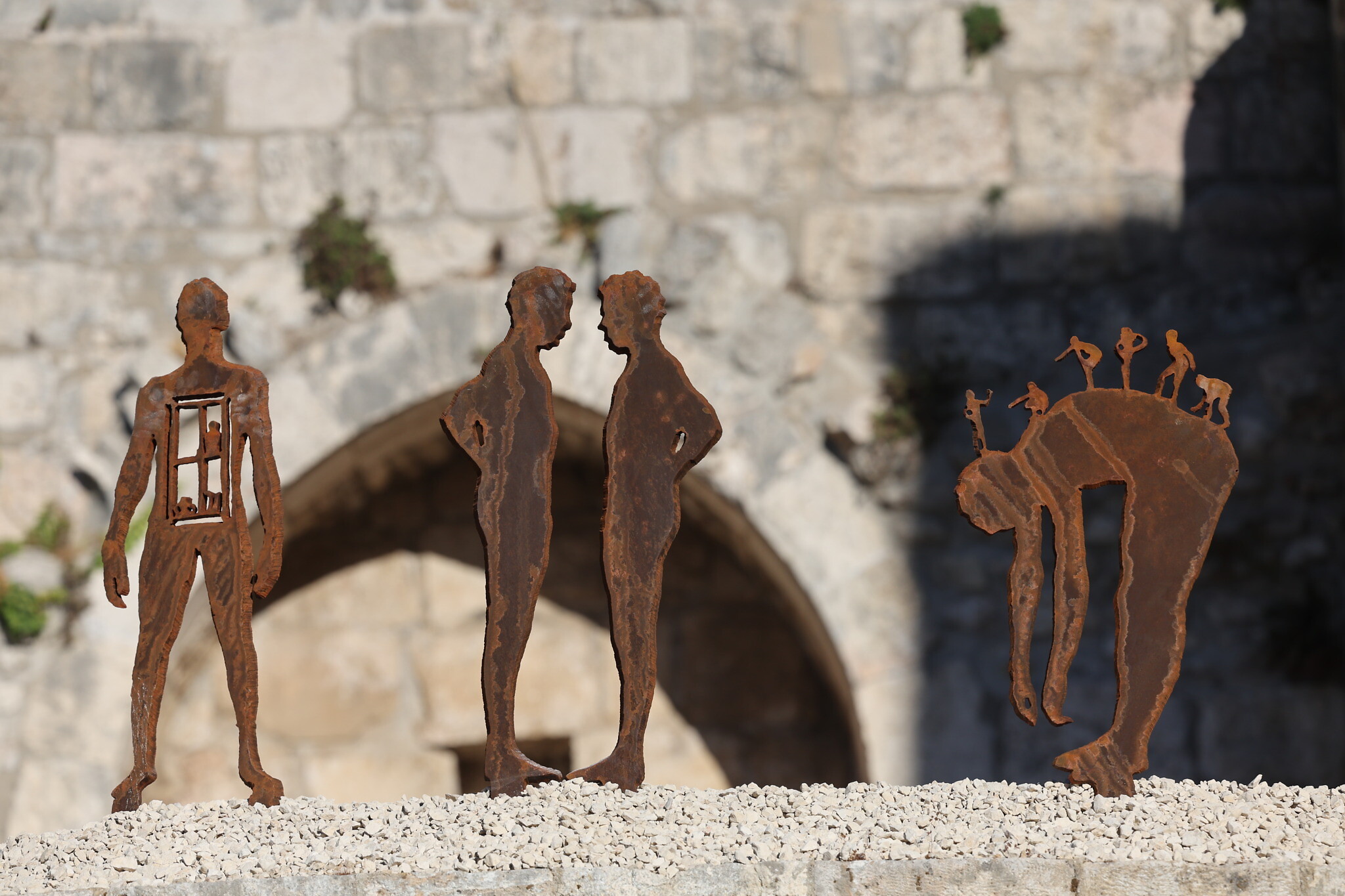
Two more Ben-David installations are part of the exhibit, including “Innerscapes on the Move,” a circle of human figures standing on the remains of the round Muslim tower in the museum, their bodies sculpted in movements that display the relationship between the individual and society.
He bookends his installations in the former entrance of the museum with “Trio of Flowers,” three oversized, brightly painted, sculpted flowers placed against a mirror to show the black side of each flower, and again, the cycles of life.
One of the flowers is a sabra plant, symbolizing local Jewish and Arab culture and channeling the massive, thorny cactus growing just outside the nearby balcony, with roots that have sunk into the foundations of the Tower of David.
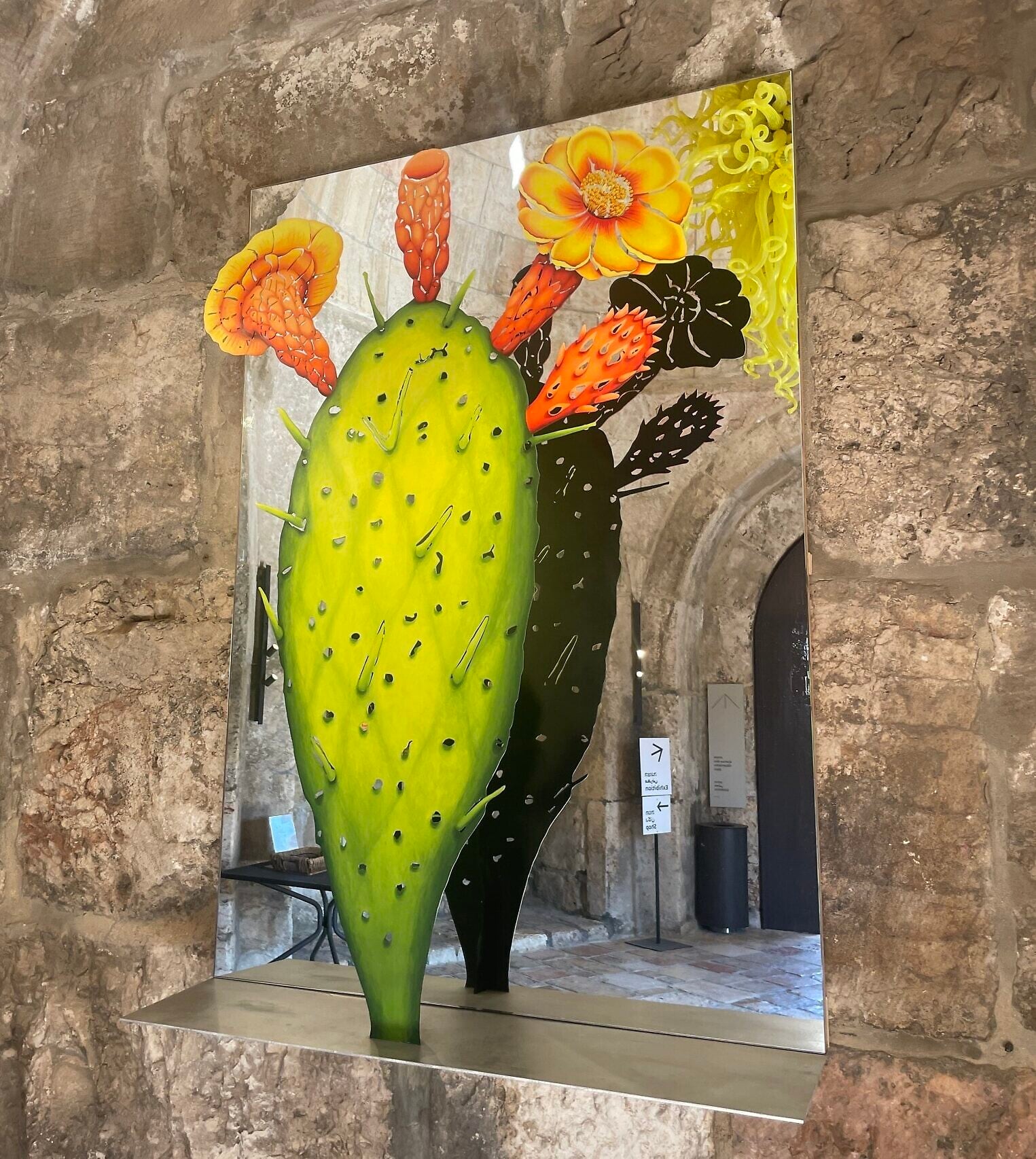
“I wanted to be a little more optimistic,” said Ben-David. “The black is only reflected in the mirrors, it belongs to the past, it’s behind us.”
Ben-David was in Japan last October 7, and within 10 days came to Israel, where his 97-year-old father lives along with other family and friends. He raised funds from both collectors abroad and in Israel and began working on the exhibit for the Tower of David.
(Ben-David has another exhibit, “Genetic Memory” through October 26 at Tel Aviv’s Beit Reuben, with his silversmith father Moshe Ben David, who was once the main silversmith for the fashion collection Maskit, as well as a new piece in the current Yad Mordechai exhibit.)
“If my theme of work was different, I would probably find it much harder to exhibit in Israel at all,” said Ben-David. “But for me, to have that kind of show is not only challenging but appropriate, it’s something that should be done.”







The Times of Israel Community.