

Wary of perception that Israel driving war, Trump and Netanyahu opt to avoid optics altogether
President keeps press out of meeting amid concern that a widely covered sit-down, as he mulls renewing Iran offensive, would bolster belief that PM wields outsized influence over US

 Add ToI as a Preferred Source on Google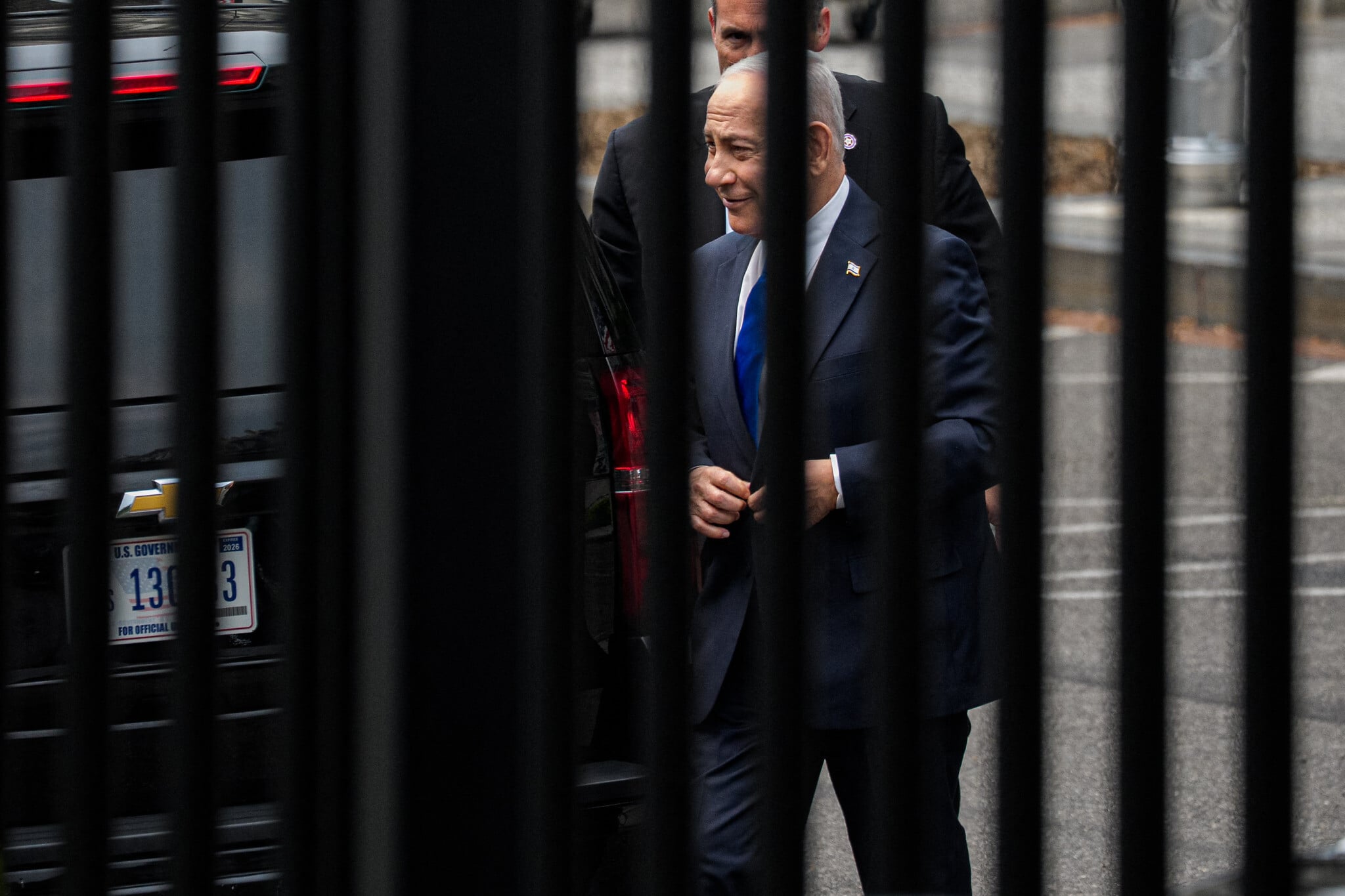
WASHINGTON — Prime Minister Benjamin Netanyahu entered the White House for his Tuesday meeting with US President Donald Trump via a side entrance.
Trump didn’t greet him outside the West Wing as he had for many of their seven previous meetings in his second term, and reporters weren’t called into the Oval Office to hear the pair issue statements or answer questions.
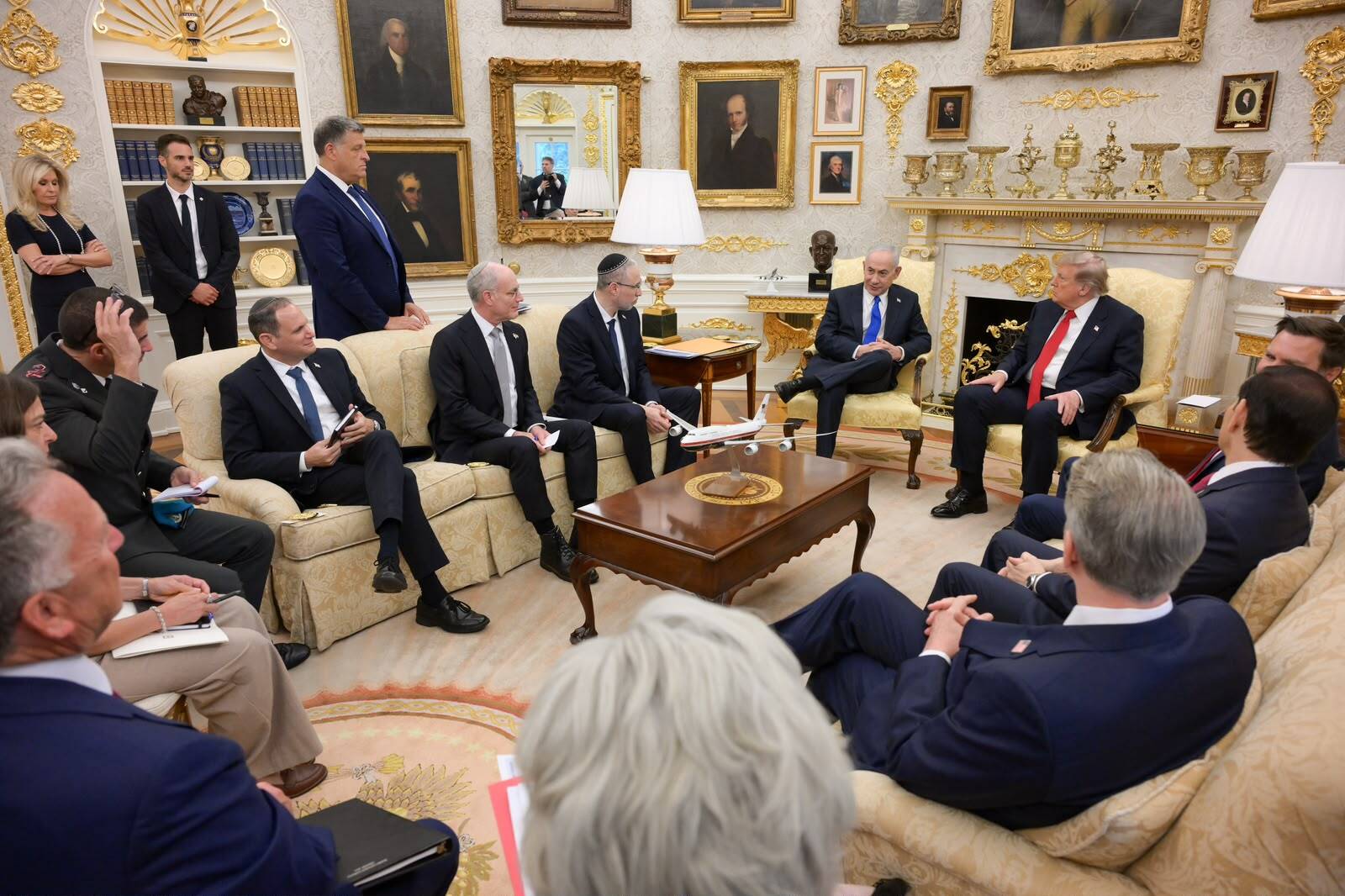
The limited public nature of the meeting, confined to a handful of photographs initially released by Netanyahu’s office, appeared to advance a joint interest — that Israel not be seen as once again dragging the US into renewing the conflict against Iran.
That was certainly the perception after Trump and Netanyahu last met on February 11, when the prime minister made a high-stakes Situation Room pitch for the US to join Israel in striking Iran.
Seventeen days later, the joint US-Israeli campaign against the Islamic Republic began.
However, many of Netanyahu’s reported predictions — that Iran’s ballistic missile program could be destroyed in a few weeks; that Tehran would be so weakened by US-Israeli attacks that it would be unable to block traffic through the Strait of Hormuz; that it would likely be unable to strike US assets in neighboring countries; and that the regime was ripe for collapse, thanks to help from Kurdish fighters capable of invading the country from Iraq — did not ultimately pan out.
Instead, the US risks becoming embroiled in an extended conflict with Iran with no obvious exit strategy and without achieving any of the key goals with which it entered the war.
Over the weekend, Trump halted nearly two weeks of strikes on Iran that prompted Iranian attacks on US bases across the region, although not at Israel, with the US leader saying he wanted to give space for talks.
Trump has warned that he is also still considering a renewed, large-scale offensive against Iran if they don’t reach a deal amid disagreements over operations in the Strait of Hormuz.
But a widely publicized sit-down with Netanyahu on the eve of such an attack would only reinforce the belief that Israel continues to wield outsized influence over Trump’s decision-making.
To be clear, Israel would like to see the resumption of strikes against Iran, deeming the war’s mission as not yet accomplished, a US official told The Times of Israel.
However, that doesn’t mean that Jerusalem wants to be seen as driving Trump’s decision-making, as it seeks to stop hemorrhaging support for the Jewish state among Democrats and Republicans alike, the official said.
“There is no truth in the claim that Israel is pushing the US in a certain direction on the Iran issue,” National Public Diplomacy Directorate head Tzipi Hotovely told reporters in a briefing after the meeting.
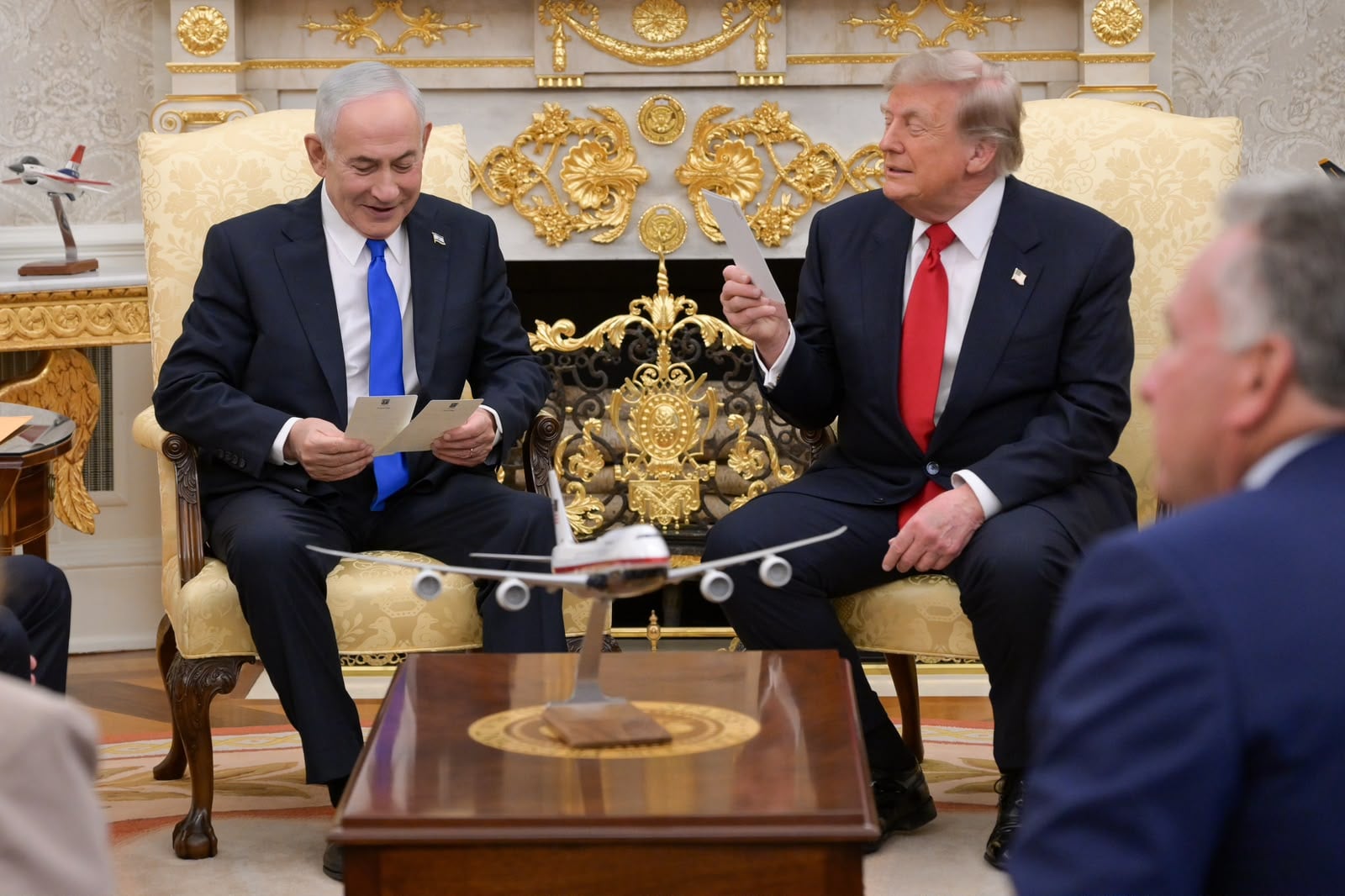
Netanyahu himself claimed the meeting was one of the best they had yet, while the White House called it “positive and productive.”
Hotovely expressed frustration with what she said were false reports from earlier in the day stating that Netanyahu planned to brief Trump on intelligence showing Iranian activity at the Pickaxe Mountain nuclear site.
Trump, before the meeting, told Fox News that he had no need for such intel from Netanyahu, dismissing the site as a non-issue, lamenting Israel’s leak of the information and claiming that the premier was only going to bring it up because “he wants me to stay involved” on Iran.
A day earlier, Trump had expressed additional annoyance at Netanyahu for publicly lobbying the US against selling F-35 fighter jets to Turkey, remarking to reporters that “nobody tells me what we should be selling.”
At the same time, Trump insisted that his relationship with Netanyahu remains strong, even if they have some differences regarding Iran.
Those disagreements just weren’t something he made a point of highlighting the last time they met in February.










The Times of Israel Community.