

What Israel did when it struck in Yemen
The bombing of Hodeidah hit the Houthis’ economic lifeline and damaged their invincibile image. It also sent a message to Iran and its proxies
 Add ToI as a Preferred Source on Google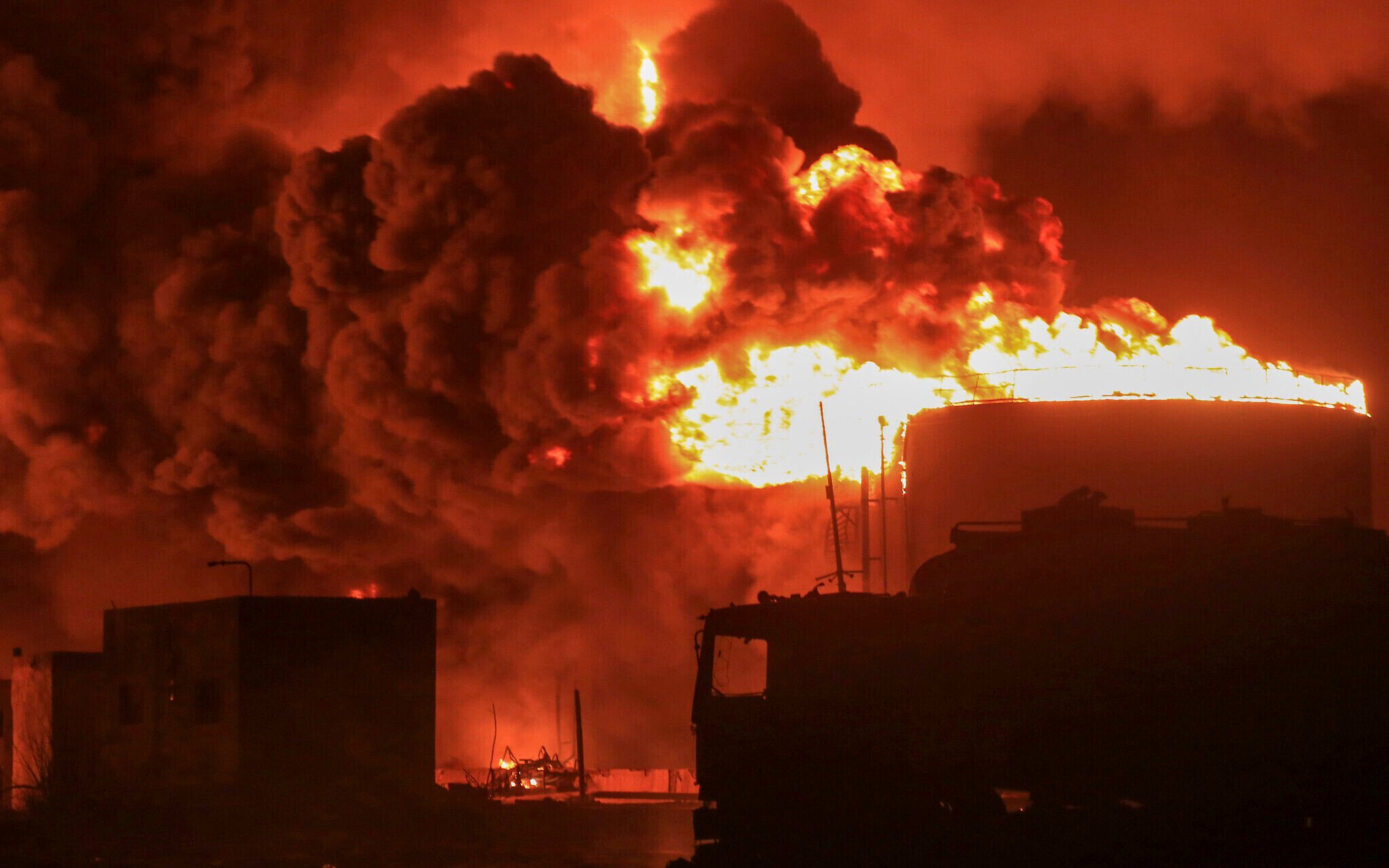
Since October 2023, the Houthis have launched more than 200 projectiles at Israel – all but one of which failed to cause any harm. After nine months of Houthi attacks on Israel, the group modified the range of one of its UAVs in order to disguise its activity. Israel’s failure to correctly identify this hostile UAV had deadly consequences, as the drone detonated near an apartment building in central Tel Aviv, resulting in one fatality, several injuries, and damage to nearby buildings. Beyond the strategic value of killing an Israeli civilian and damaging some apartment buildings, the Houthi strike on Tel Aviv served the group’s influence operations at home and abroad.
Indeed, as the Houthis were facing unprecedented pushback from the Internationally Recognized Government (IRG) of Yemen and its Saudi backers, a strike in the heart of Tel Aviv was a clear message. If they could hit a target in Tel Aviv just a few hundred feet away from the branch office of the US Embassy in Israel, then all of the Gulf population and economic centers were presumably vulnerable.
The attack, combined with increasingly aggressive rhetoric towards Riyadh, resulted in a major concession by the IRG, presumably at the behest of the kingdom, which walked back a recent step to disconnect the Houthi-controlled and IRG-controlled banking sectors. The significance of this move cannot be overstated as it is tantamount to acquiescing to the Houthi economic warfare on the IRG, enabling the former to starve the latter of revenues in order to fund the Houthi war machine.

Israel had waited to respond to Houthi attacks until July on the basis of several strategic calculations. The IDF was already preoccupied with the more pressing nearby threats from Hamas in Gaza and Hezbollah in Lebanon, as both organizations have inflicted severe damage and hundreds of casualties on Israel since October 7. Furthermore, in the division of labor to cope with the threats from Iran and its proxies in the ongoing regional flare-up, the US and its coalition partners apparently took the lead on managing the Houthi threat through defensive measures and targeted airstrikes on military targets. And finally, at a distance of around 2,000 kilometers away, the Houthis are at the far edge of Israel’s intelligence coverage and the IDF’s striking distance, and so engaging them in Yemen posed a considerable challenge.
Israel was correct to disrupt the Houthis’ strategic pillar for funding their war machine and dominating Yemen.
When Israel finally responded to the relentless Houthi attacks, it aimed to achieve three strategic goals. First, and most directly, Israel sought to impact the intentions and capabilities of the Houthi regime in order to press it to halt its ongoing attacks targeting Israel which have continued for nearly a year. Second, as Iran’s conventional and nuclear activity has become increasingly brazen, Jerusalem aimed to warn the Iranian regime that the IDF is capable of launching devastating attacks well beyond the distance of Tehran or any of Iran’s nuclear facilities. Third, Israel intended to cause other actors in the Axis of Resistance to reconsider their own strategies of targeting Israel, as it would now be difficult to calculate which drone strike would elicit a massive response.
To achieve this, the Israelis opted to target the Houthi-controlled port of Hodeidah, a key Houthi lifeline. When the Saudi-led coalition was closing in on Hodeidah in 2018, experts estimated that losing the port city could lead to the Houthis’ defeat within a matter of months. The regime ultimately managed to hold on to Hodeidah after humanitarian organizations lobbied the international community to mediate a ceasefire to prevent the humanitarian catastrophe they predicted would follow the battle for the port. While the coalition halted its advances in accordance with the UN-brokered 2018 agreement, the Houthis failed to hand over the port to a neutral third party nor did they use the port’s revenues to pay Yemen’s public servants as stipulated in the agreement. The Houthis’ refusal to abide by the terms of the UN-brokered agreement has not stopped the UN from continuing to fund the rehabilitation of the port.
Undoubtedly a critical aspect of Hodeidah from the Houthi perspective is that its port is one of the major transit routes for Iranian weaponry into Yemen, though there are certainly others. However, Hodeidah’s function as an economic lifeline to the Houthi regime is no less important.
Since 2018, the Houthis have sought to draw as much commercial traffic as possible to Hodeidah port. They have created monetary incentives to ship to Hodeidah and levied taxes on merchandise brought into Houthi-controlled areas if it was offloaded in government-run ports. The massive influx of goods through Hodeida port provides the Houthis with enormous control over the Yemeni economy, which they exploit to make massive profits through black market price gouging and to ensure that their loyalists are rewarded materially while their enemies are punished.
As for Israel’s strategic goal vis-à-vis the Houthis, the airstrike on Hodeidah may not have a dramatic or immediate impact on Houthi capabilities but it very well could factor into Houthi intentions. The Houthis have invested a great deal of time and resources in cultivating an image of invincibility. They have managed to convince much of the Yemeni population as well as the international community that resisting their aggression is futile and that they cannot be deterred: As a group from a destitute country with advanced weaponry, they are dangerous and have little to lose. The image of their port engulfed in massive flames as their stores of oil burned for several days was a major blow to the group’s image, and likely encouraged those anti-Houthi forces throughout the region. It was a “portrait of defeat” par excellence.
A rough calculation of the economic damage inflicted on the Houthis by the Israeli strike is in the hundreds of millions of dollars, an enormous loss for a regime ruling over territory in a country whose entire GDP (including both areas controlled by the IRG and the Houthis) is less than $17 billion. If 150,000 tons of fuel (over 200,000,000 liters) were destroyed, and each liter of fuel is sold for about $1, then the value of material loss inflicted on the group can be estimated at around $200 million. This of course does not account for the port revenues lost for any time during which port activity was down due to the damage caused to infrastructure. It comes as the Houthis are already struggling to develop sources of revenue to fund their regime, given Yemen’s dismal economic state and the negative impact of their rule on the economy. There is no question that Israel was correct to disrupt the Houthis’ strategic pillar for funding their war machine and dominating Yemen.
As for the secondary targets of Israel’s message, it remains to be seen whether Iran will tread more cautiously in its nuclear activity or the Iran-backed militias in Iraq will cease firing ordnances at Israel. As Israel was reminded by Hamas’s October 7th massacre, the state of deterrence and its impact on the adversary’s decision-making are incredibly difficult to accurately quantify or assess.
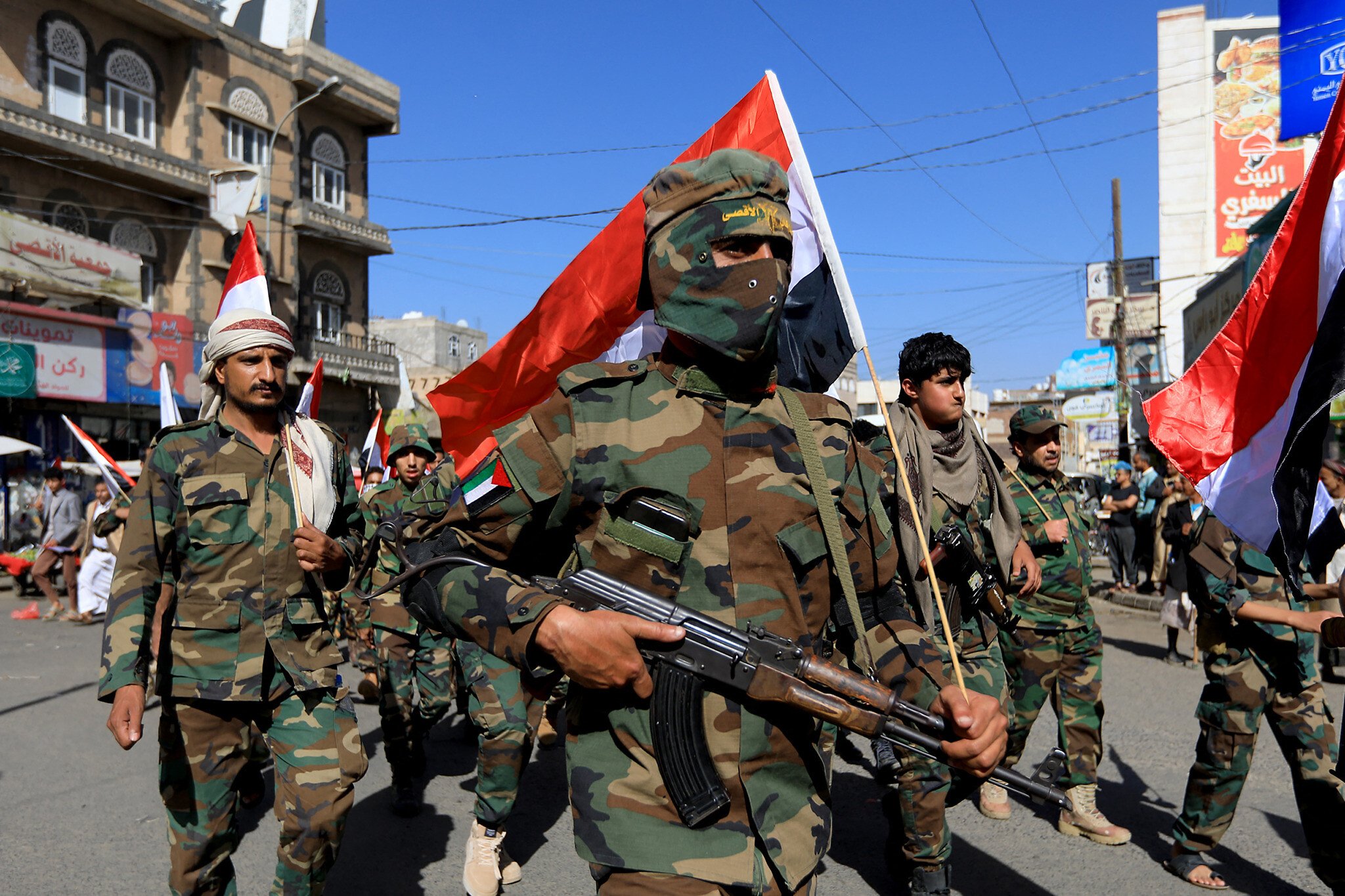
The Houthis may yet seek to use the Israeli strike as an excuse to engage in some of their most dangerous behaviors and escalate further. They may launch attacks on Israel or US assets, they may recruit and indoctrinate more soldiers, including children, and they could enhance their cooperation with other members of the Axis of Resistance. But they were doing much of this well before the Israeli strike, and any direct strikes on Israel would now have to be more carefully considered than before, as the Houthis weigh the prospect of a painful or humiliating Israeli response.
While Israel’s strike on Hodeidah will not solve the Houthi problem, that not does not mean that the Houthis cannot be deterred or that targeting their strategic assets to disrupt their malign activities is pointless. Indeed, this latest strike was a step in the right direction. The Houthis, like any other regime, have numerous pain points that can and should be exploited to reduce the threat they pose to Israel, US forces in the region, international commerce, and the broader Middle East.


The Times of Israel Community.