

While war rages in Gaza, Israel’s universities finally begin delayed academic year
Due to late start, universities will operate with shortened semesters; campuses showcase tributes to reserve soldiers, the fallen and the hostages
 Add ToI as a Preferred Source on Google
Gavriel Fiske is a reporter at The Times of Israel
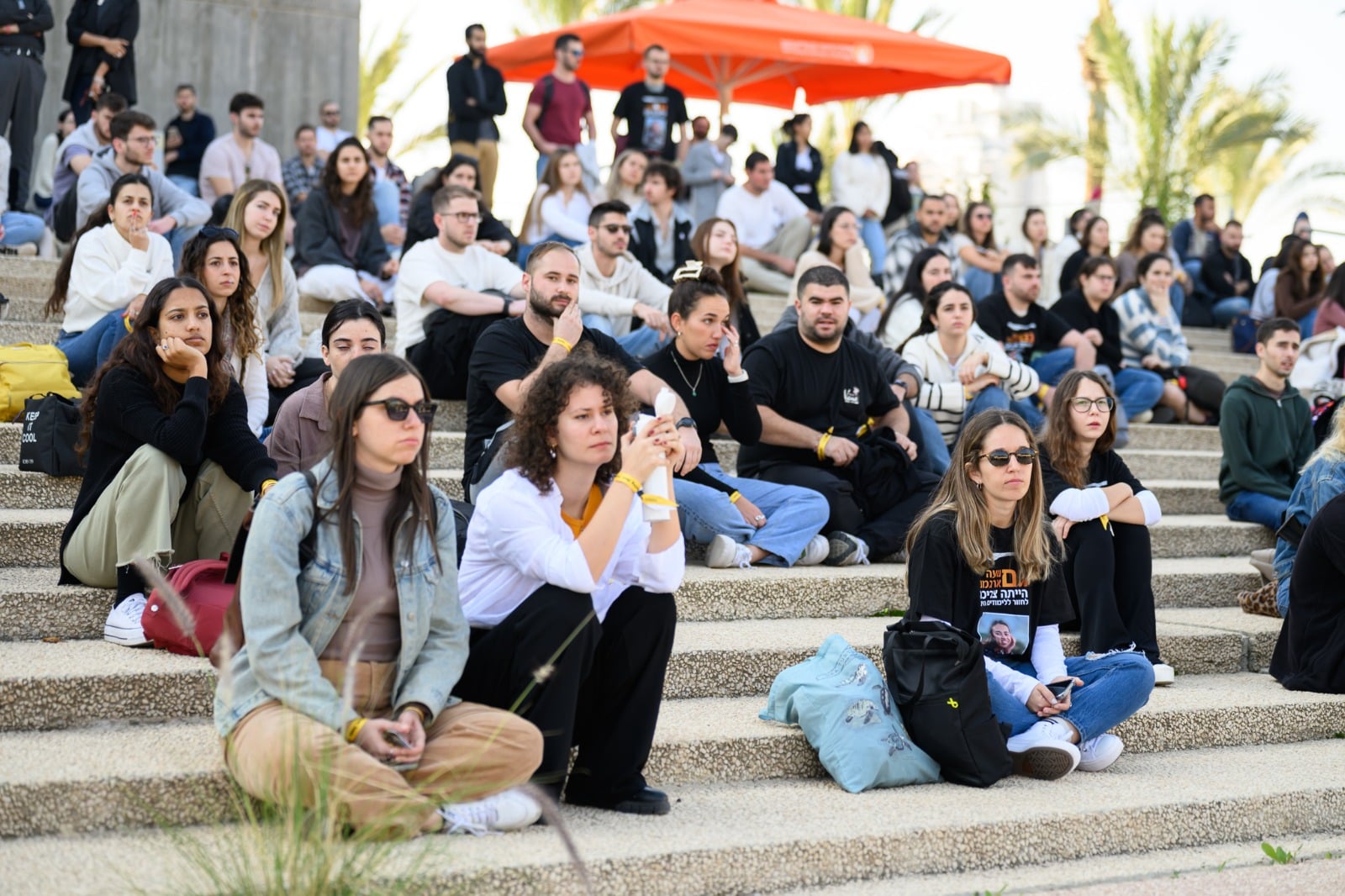
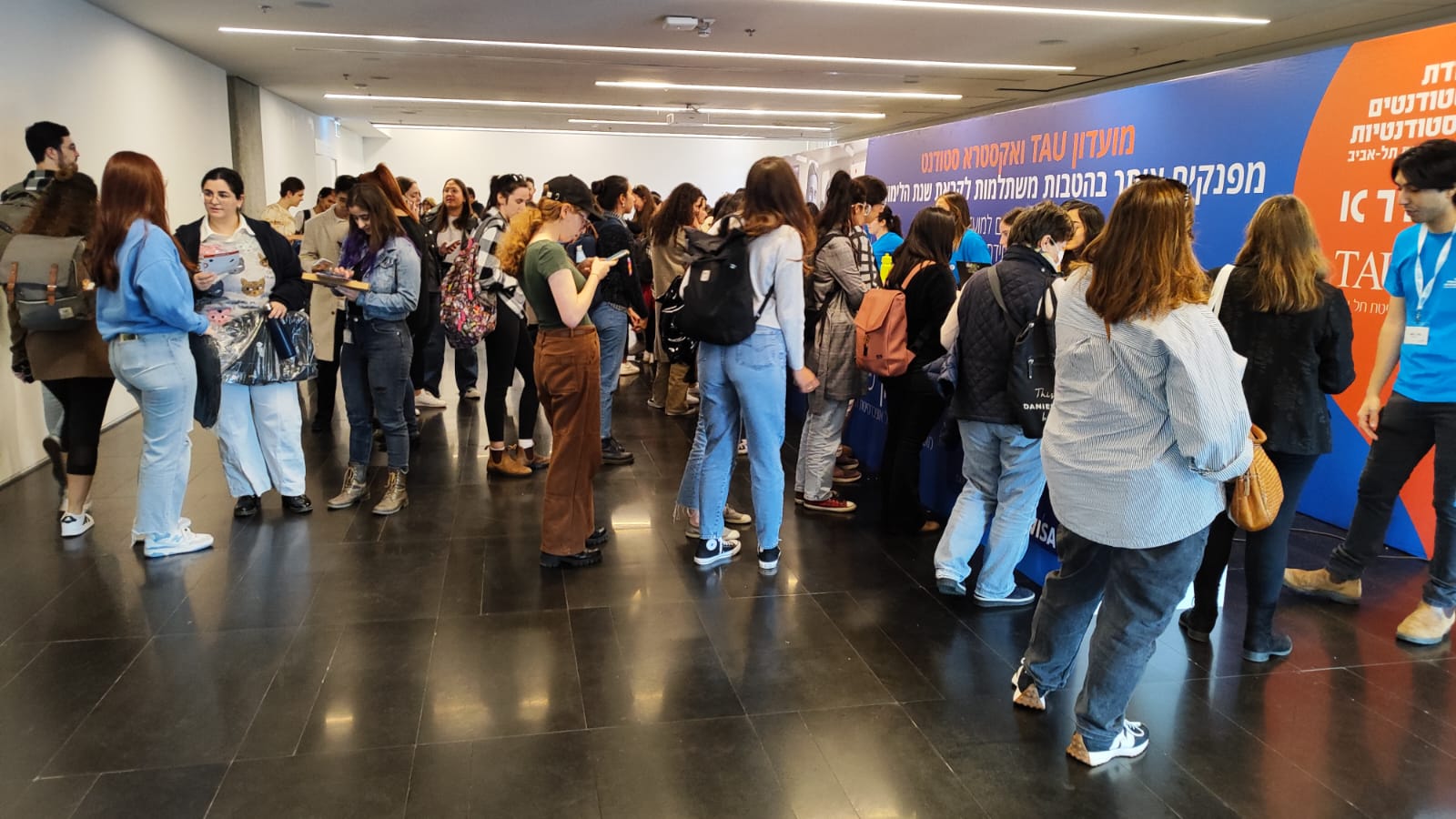
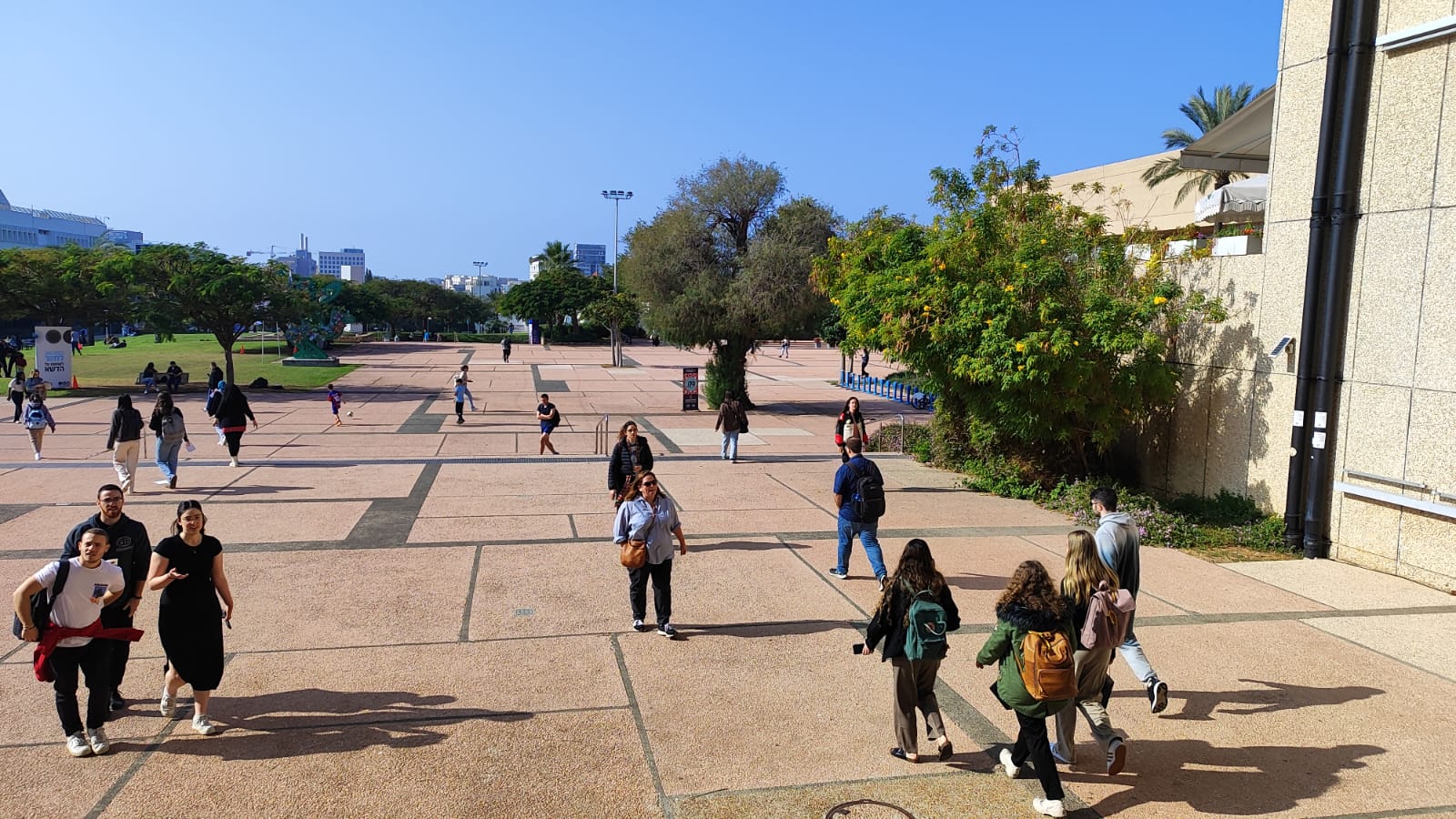

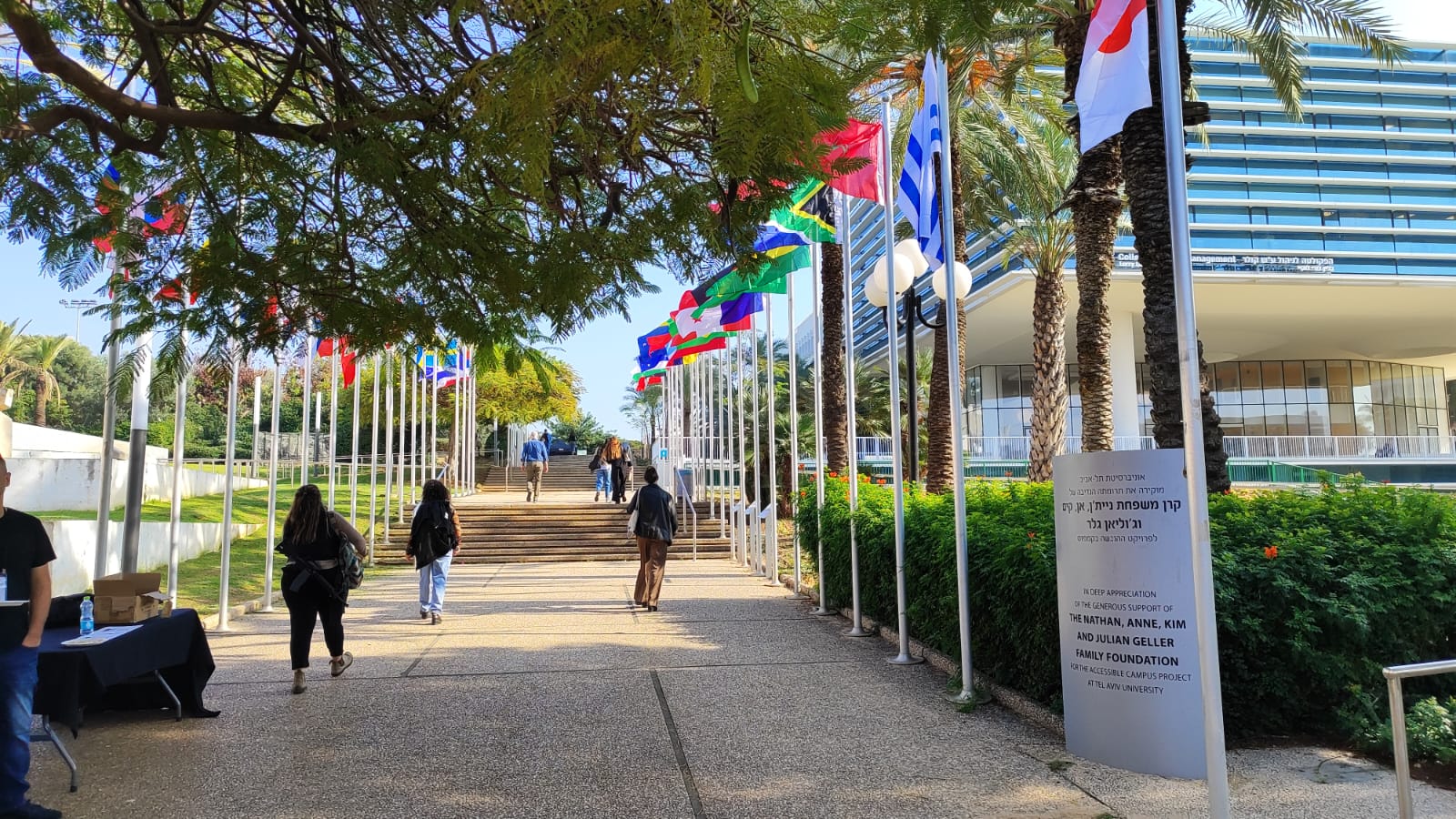
On the last day of December, a crisp and sunny winter Sunday, the Tel Aviv University campus celebrated the start of an academic year that has been delayed since October 15 due to the war with Hamas.
With returning students running from class to class, standing in line for their student IDs and eating lunch on the grass, the first day of school heralded a small return to normalcy after more than two months of delays.
The beginning of the academic year for Israel’s major universities had been pushed back multiple times due to the ongoing Israel-Hamas conflict, which began on October 7 with Hamas’s shock cross-border assault, which left some 1,200 Israelis killed and 240 taken hostage to Gaza.
The subsequent call-up of IDF reservists, the largest in the country’s history at some 360,000 people, also played havoc with the university system. An estimated 30% of all university students have been serving in the reserves – about 100,000 soldiers according to some estimates – along with thousands of university faculty and staff.
“The new year is very complicated. On the social level it’s difficult because a lot of our friends are still on reserve duty,” noted Danielle Zilber, chairwoman of the TAU student union. “The students who [weren’t called up], on the one hand, are excited, but it also feels uncomfortable to feel joy — because of the situation,” she added, referring to the ongoing ground offensive in Gaza and Hezbollah rockets landing in northern communities.
Zilber, an undergraduate student herself, met with The Times of Israel in a corridor bustling with tables advertising student clubs and activities. On another part of campus, the student union had erected a “chill-out” tent, complete with sofas, a DJ playing ambient music and organized group conversations and activities.
The student union has tried to make the return easy, Zilber explained, while also taking into consideration the various difficulties students might have in returning to full-time studies during wartime.
The final opening date of Sunday, December 31, was only fully confirmed last week as the IDF had pushed for a further delay so that students still serving in the reserves amid the war could begin the year along with the rest of their peers.
However, a compromise solution between the Association of University Heads and IDF officials enabled the December 31 date, with the understanding that returning reservists would be able to begin their studies several weeks later – the exact date is still unspecified. Those students are to have a condensed week of intensive classes upon their return to get them up to speed on missed material, after which they will be integrated into regular classes.
Although some groups of reservists have been released from duty, the IDF has not divulged data and it is still unclear how many student soldiers the army will release in the coming weeks, or when the universities will receive them.
It’s now or never
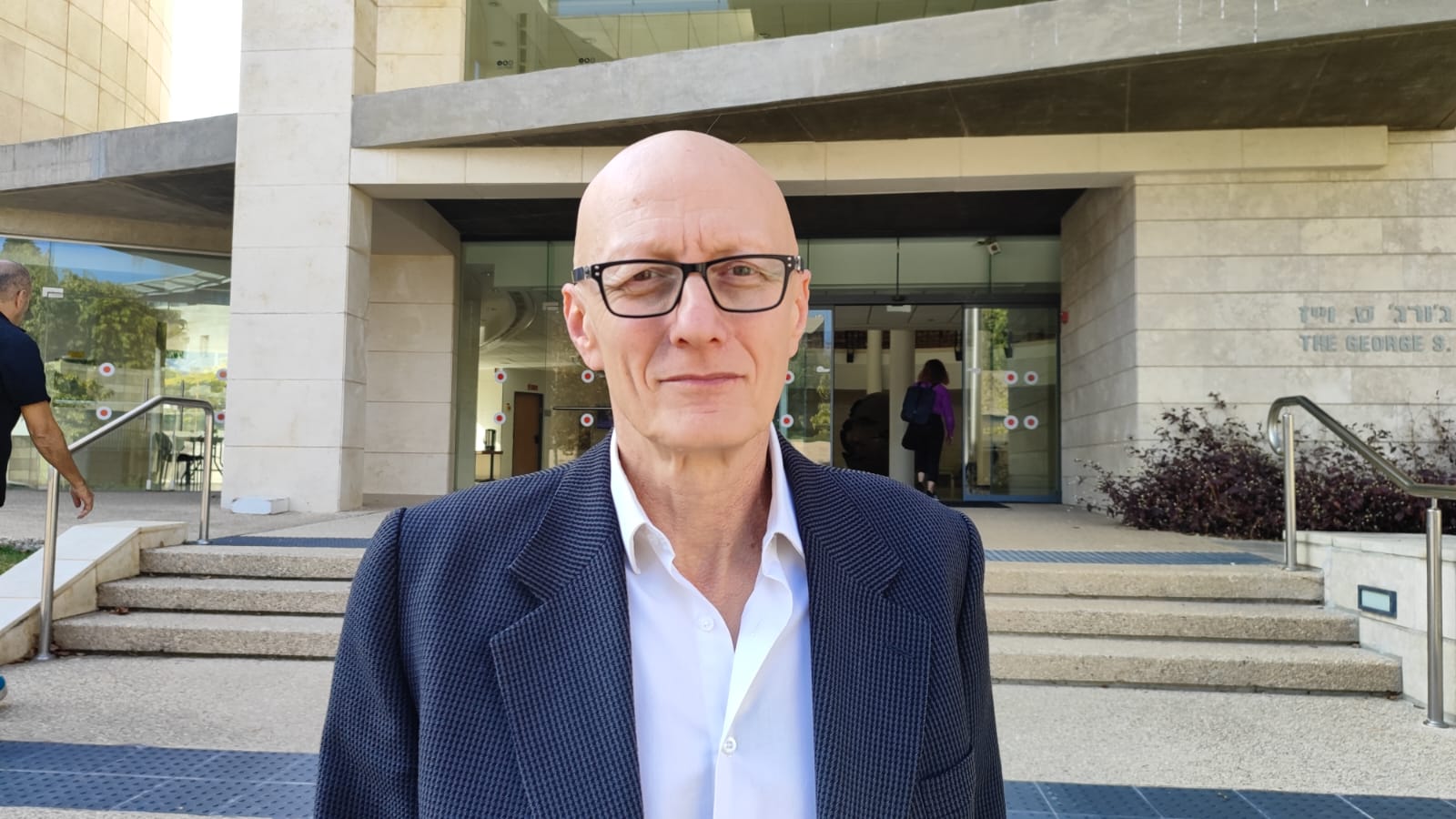
“Finally we have students in class. We are happy to see them,” said Prof. Mark Shtaif, Tel Aviv University rector, who spoke with The Times of Israel while greeting students and staff on campus.
The universities had to finally start or the entire year would have been lost, he said, noting that TAU, like most universities, will have to operate on a compressed schedule of two 11-week semesters.
The shortened semesters mean that less material can be covered, which can be made up next year. When taking the Jewish holidays and exam periods into account, the abbreviated schedule means that essentially “we have erased our summer break” for 2024, he said.
“It’s the reason we couldn’t shorten [the year] anymore,” he explained. “We didn’t have many options and we are starting a challenging year, but we will succeed. The students will receive what they need, and I think from an academic perspective, it will be fine. The main worry is for the soldiers and reservists, the kidnapped, and for the ultimate result of our war.”
The December 31 opening applies to Israel’s major public research universities — the Hebrew University of Jerusalem, Bar-Ilan University, Ben-Gurion University of the Negev, Tel Aviv University, the University of Haifa, Ariel University, and the Weizmann Institute of Science.
The Technion decided to begin its school year separately, on January 14. Some of Israel’s smaller academic colleges and international schools, which have fewer students serving in the reserves, have already begun their semesters.
All the universities have previously announced aid packages designed to help reserve soldiers return to university studies when they are finally released. The packages differ from university to university but generally include financial grants, individual tutor options, more flexible testing periods, recorded classes, academic credit for time served and other benefits.
Universities remember the fallen and captured
At Ben Gurion University of the Negev, Prof. Daniel Chamovitz said that they were beginning a year “more complex than any we have known to date. We will begin the morning with a ceremony to unite and remember – the murdered and fallen, the hostages, the wounded, the evacuees and those who are currently still on active duty.”
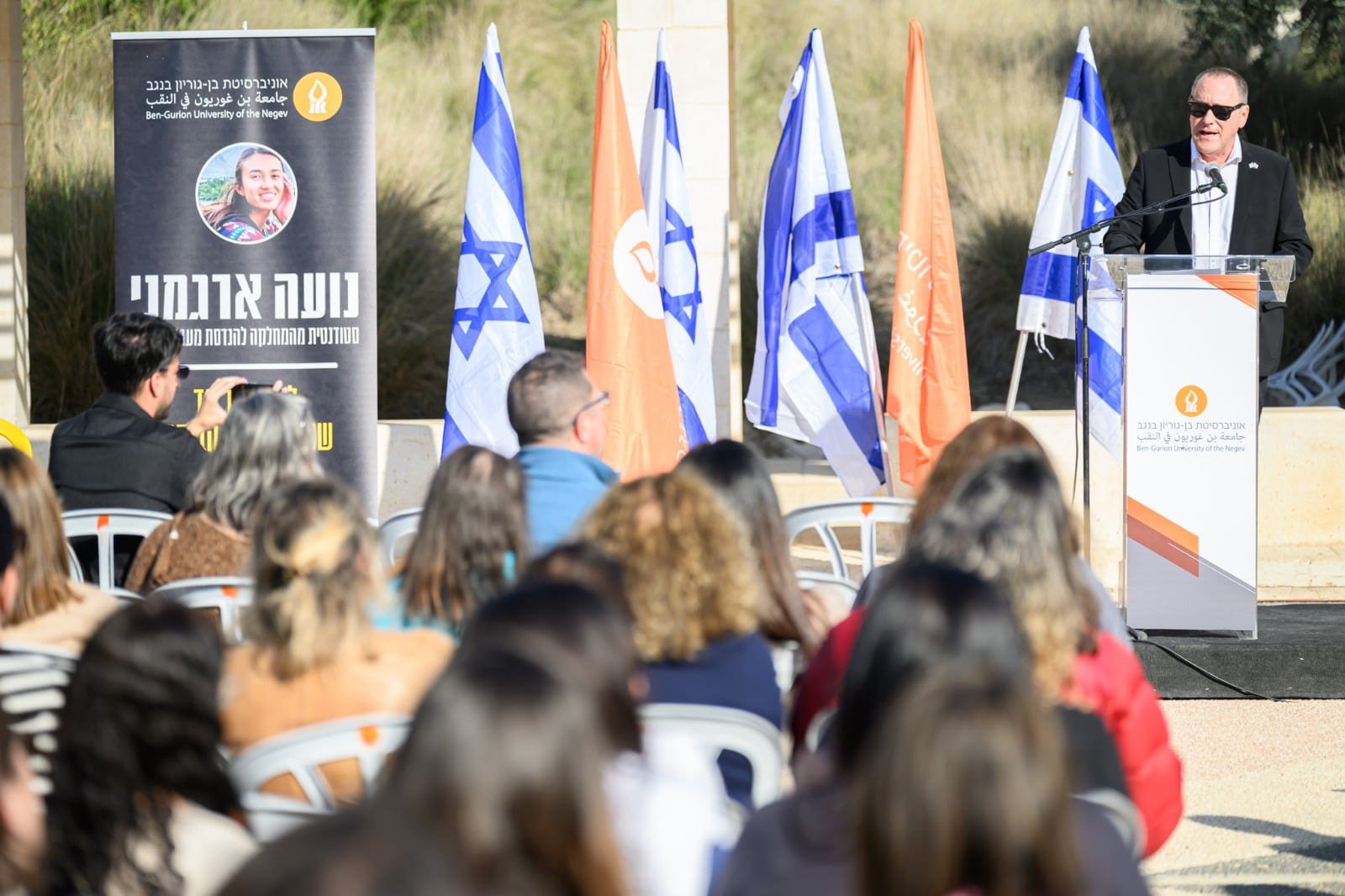
“We begin the school year with the reservists at the top of our minds. Only by starting the school year now will we have the flexibility in the future to give each and every one of them the personalized solution that will help them finish the school year together with their classmates. Our overarching goal is that no one will be left behind and everyone will have the opportunity to finish their degree on time,” Chamovitz added.
More than 89 members of the BGU community have fallen since October 7, he noted, and many dozens have been evacuated from their homes in the Gaza envelope. He spoke at the December 31 opening ceremony, which featured a picture of hostage Noa Argamani, a BGU student.
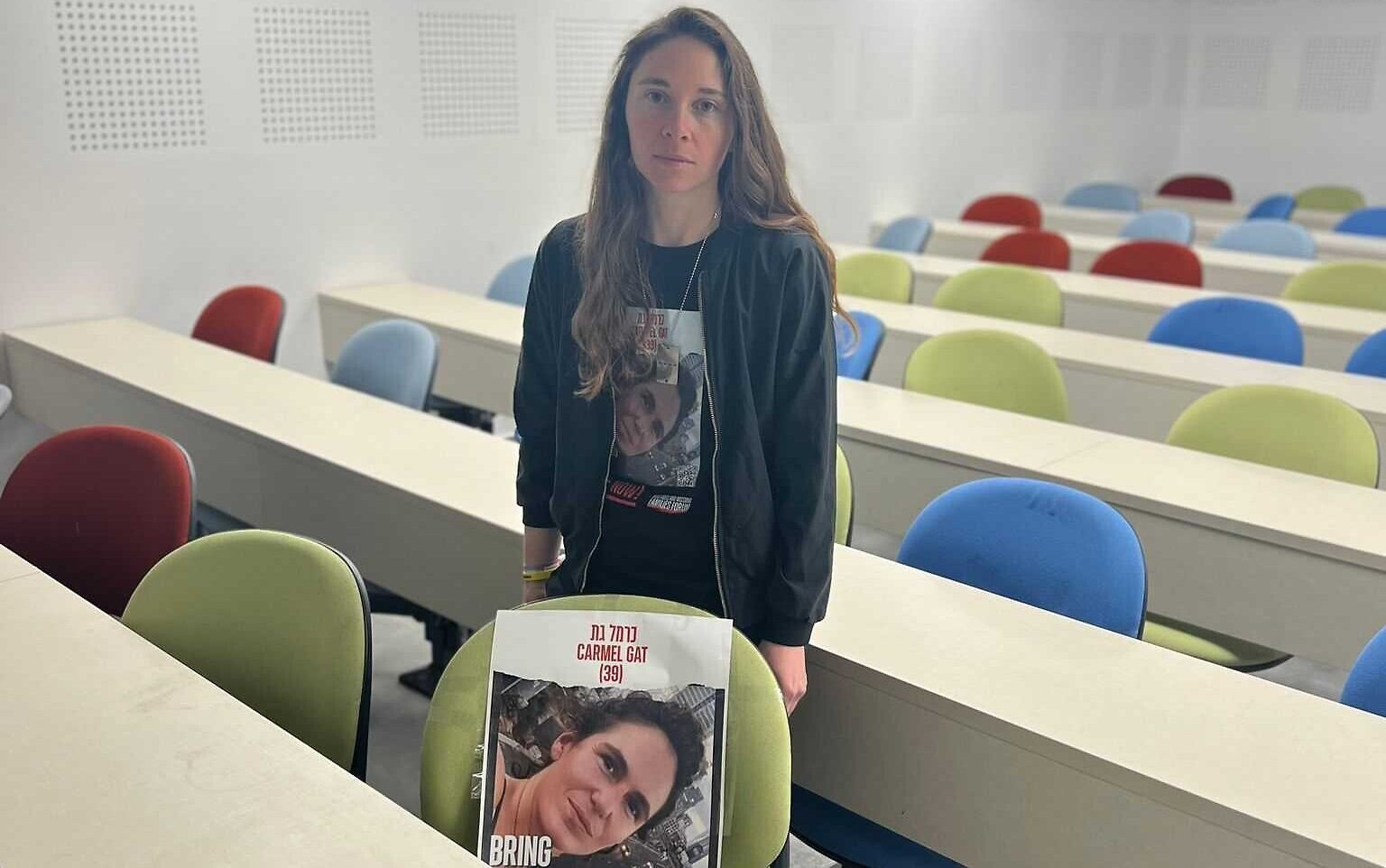
At the Hebrew University in Jerusalem, a picture of kidnapped graduate student Carmel Gat was placed in classrooms by her cousin Shay Dikman, also a Hebrew University student.
“In a heartfelt gesture, Shay and the Hebrew University collectively display Carmel’s photograph on chairs in every classroom, reserving a symbolic seat for her in each lecture. This touching tribute transcends the academic routine, serving as a heartbreaking reminder of her absence and a testament to the unwavering hope for the safe return of all the hostages.
“The university, now adorned with these visual echoes of solidarity, stands united, weaving together the threads of education and empathy in the face of adversity,” the university said in a statement.
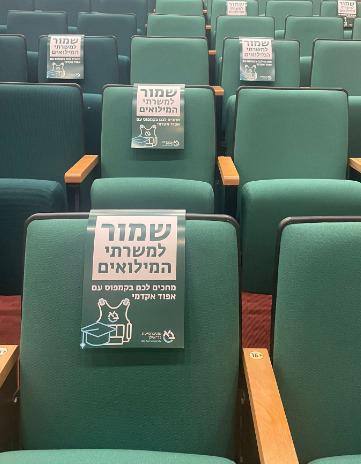
At Bar-Ilan University, signs were placed on seats in lecture halls around campus indicating the places were saved for reserve soldiers. “Saved for those serving in the reserves. An ‘academic bulletproof vest’ is waiting for you on campus,” the signs read, a reference to the academic and financial assistance package the reservists are to receive.
Bar-Ilan also announced several initiatives relating to the ongoing conflict, including a new course entitled “Trauma, Loss and Resilience” from the Department of Psychology, which aims “to teach students how to respond to and treat trauma, with an emphasis on working with children and families, and issues of loss and ongoing grief,” according to a Sunday press release.
The university also created a forum of 40 faculty members that will work “to ensure that the diverse Israeli Jewish and Arab populations studying on campus feel safe and secure. Members of the forum will personally assist any student encountering incitement of any kind on campus and/or on social media,” Bar-Ilan said.
Back at Tel Aviv University, David Dyshel and Adan Halabi, both first-year dental students, meet The Times of Israel after their first round of classes.
“I am trying to be okay. It’s not easy because of the situation,” Halabi said, and added that she was exhausted after her first full day of lectures.
“I feel great. I have been waiting for this,” Dyshel added, but noted that the absence of the students performing reserve duty — “our friends” — is already being felt on the first day.
Things will be better when “everyone is back on campus,” he said.







The Times of Israel Community.