

With Netanyahu vulnerable ahead of elections, Hamas ups the pressure
Between Gaza’s failing economy and Israeli-Egyptian blockades, terror group returns yet again to its tried and tested method to gain concessions and cash: A new round of violence

 Add ToI as a Preferred Source on Google
Avi Issacharoff, The Times of Israel's Middle East analyst, fills the same role for Walla, the leading portal in Israel. He is also a guest commentator on many different radio shows and current affairs programs on television. Until 2012, he was a reporter and commentator on Arab affairs for the Haaretz newspaper. He also lectures on modern Palestinian history at Tel Aviv University, and is currently writing a script for an action-drama series for the Israeli satellite Television "YES." Born in Jerusalem, he graduated cum laude from Ben Gurion University with a B.A. in Middle Eastern studies and then earned his M.A. from Tel Aviv University on the same subject, also cum laude. A fluent Arabic speaker, Avi was the Middle East Affairs correspondent for Israeli Public Radio covering the Israeli-Palestinian conflict, the war in Iraq and the Arab countries between the years 2003-2006. Avi directed and edited short documentary films on Israeli television programs dealing with the Middle East. In 2002 he won the "best reporter" award for the "Israel Radio” for his coverage of the second intifada. In 2004, together with Amos Harel, he wrote "The Seventh War - How we won and why we lost the war with the Palestinians." A year later the book won an award from the Institute for Strategic Studies for containing the best research on security affairs in Israel. In 2008, Issacharoff and Harel published their second book, entitled "34 Days - The Story of the Second Lebanon War," which won the same prize.
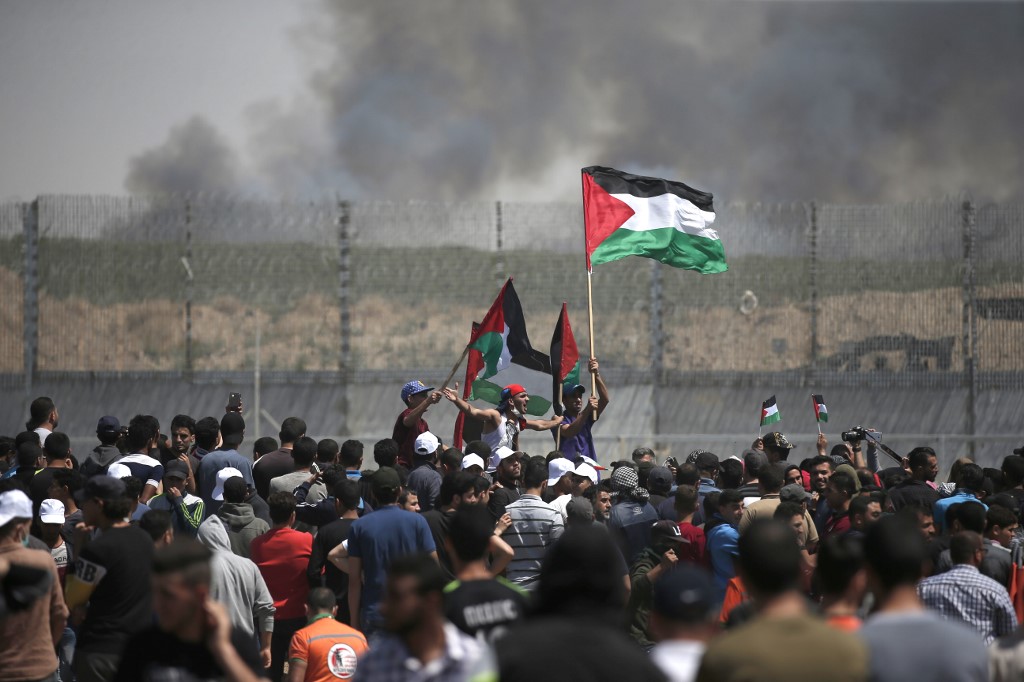
Like a recurring nightmare, the next round of the war between Israel and the Gaza-based Hamas terror group is almost upon us. With no distinct reason, no unusual actions by either side — but simply part of the ordinary run of chronic escalations that seem to be the sad fate of the two adversaries.
It may be rooted in the delays in sending Qatari money to the Strip, intended to pay stipends to tens of thousands of poor families. It may also be caused by an attempt on the part of Hamas to divert attention from the economic summit the US is planning in Bahrain later this month.
On Tuesday, the White House announced that Jordan and Egypt will participate in the summit together with the Gulf countries, and thereby showed the powerlessness of Palestinian Authority President Mahmoud Abbas and his inability to influence regional events after he tried repeatedly to convince the leaders in Cairo and Amman not to take part.
But for all that, how effective can the summit be if it takes place in the shadow of yet another escalation in Gaza under the expert orchestration of Hamas?
This escalation began with a spike in incendiary balloons launched from Gaza in recent days. Wednesday alone saw 12 balloon-sparked brush fires near Israeli communities close to the Gaza border.

According to credible reports, those devices weren’t launched by a handful of Gazan hoodlums, but were a deliberate action by Hamas intended to warn Israel not to delay implementation of the unofficial ceasefire agreement reached last month, which included the transfer of the Qatari cash as one of its key stipulations.
The committee in Gaza organizing the border fence protests has also announced it intends to renew the activities of the “night units,” which hold riots at different locations along the security fence each night in an effort to maintain pressure on Israel by tormenting the civilians living nearby and the troops serving on the border.
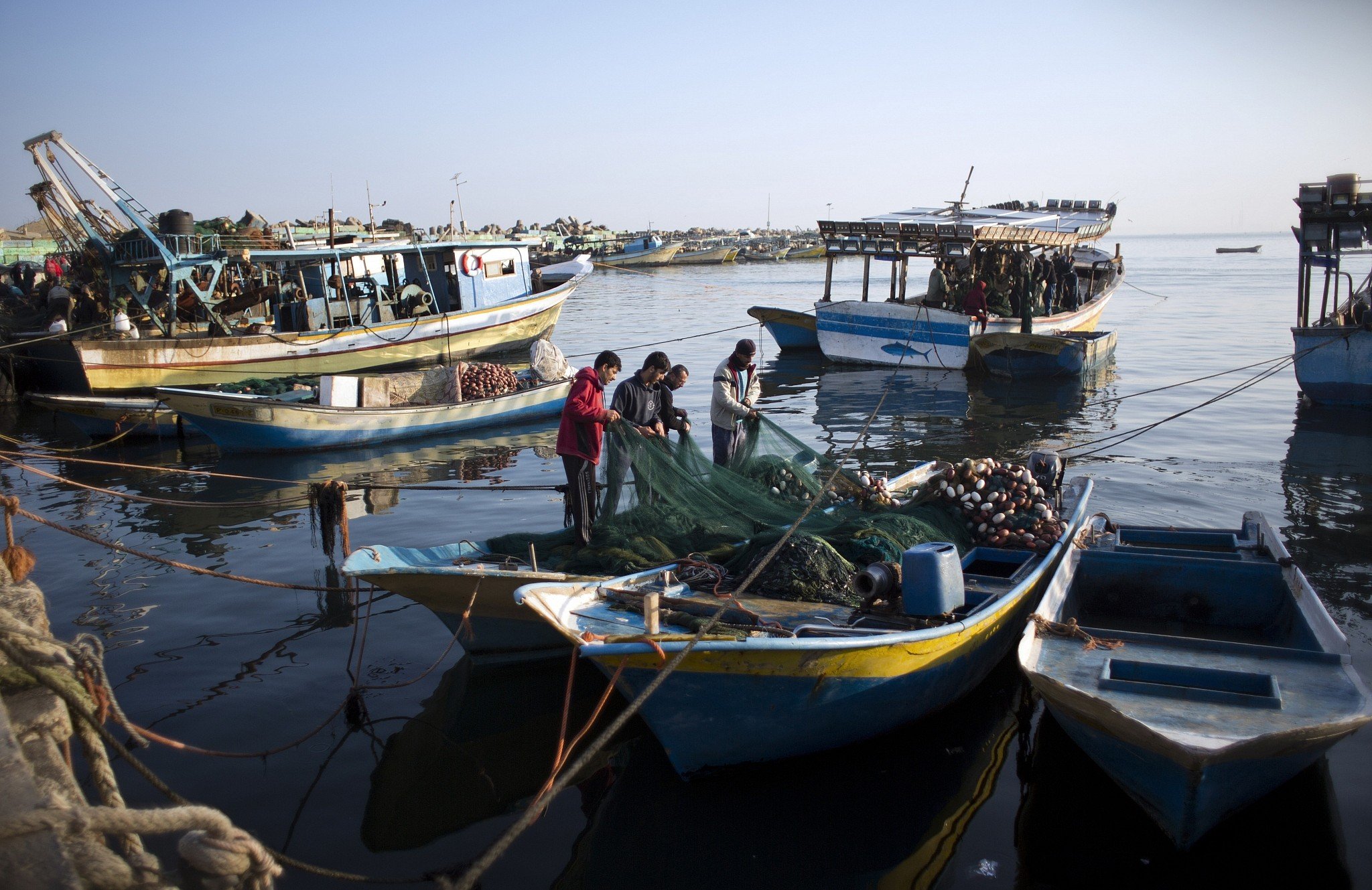
The balloon launches have led Israel to reduce the area permitted for fishing off Gaza’s coast. Each time anew, Israel’s Coordinator of Government Activities in the Territories, or COGAT, Maj. Gen. Kamil Abu Rukun, announces an increase or a decrease in the fishing zone based on how many balloons are launched into Israel.
Wednesday, with a significant increase in the balloon launches, all fishing off Gaza’s coast was stopped and a complete sea blockade was imposed on the Strip.
The economic ramifications of such a move are immense. The few Gazans who still work do so largely in the fishing industry.
Within hours, rumors spread in Gaza that Israel had decided to delay the entry to the Strip of Qatari envoy Mohammed al-Emadi — the visit had already been postponed once — who was to distribute $30 million in cash to poor families as part of Qatar’s efforts to reinforce the ceasefire.
Then, almost automatically, the response came: a rocket launched from Gaza toward Israel, which was intercepted by the Iron Dome missile defense system. Another few hours passed, and again the automatic response, this time from the Israeli side: airstrikes on two Hamas positions, one near Rafah and the other in the Zeitoun neighborhood of Gaza City. No one was hurt in the strikes.
Where does that leave matters now? At first glance, things do not look promising. Egyptian intelligence officials have not yet arrived in the Strip to play their recurring part in dousing the flames. And the money, the Qatari cash that was supposed to be shipped into the Strip — and whose delay caused the previous escalation (700 rockets fired at Israel in two days last month; four Israeli civilians killed) and is at the heart of the coming one — remains undelivered.
Hamas has long vowed that delays in the cash deliveries and Israel’s demands for oversight over its distribution will lead to another round of fighting. Now the sides appear on the cusp of that next round.
Each cycle drives home yet again the cost Israel is paying for the decision last year by the Israeli government to allow Qatar to send $15 million per month in cash to Gaza.

Since then, Hamas’s appetite for Qatari cash has only grown. And the terror group has learned that with a little muscle-flexing and threats, Netanyahu and his various governments, interim and permanent alike, will always choose to pay the protection money rather than have an escalation.
The inevitable decision to let the money in makes a great deal of sense. It prevents war. But it also has a cost: the recurring escalations Israel now experiences every month or two. Indeed, even if the Qatari money enters the Strip and the latest escalation dies down, there is no discernible alternative arrangement that promises a better, more stable outcome.
After this round of fighting, others will surely follow. Hamas feels it has few other acceptable options. Humanitarian conditions in the Palestinian enclave are deteriorating, unemployment is rising, infrastructure rehabilitation projects are delayed, and the Islamic Jihad terror group is constantly breathing down Hamas’s neck (with Iranian encouragement, to be sure) and pushing for new rounds of fighting with Israel. The Palestinian Authority, meanwhile, is doing its utmost to further damage Gaza’s economy as part of Fatah’s long-running feud with Hamas.
Facing such pressure, Hamas now sees an opportunity. Israel’s coming elections, it knows from very recent experience, make Netanyahu vulnerable to pressure. This could be an advantageous time to obtain new concessions, mainly through its tried and tested method of carefully controlled increases in violence on the ground.








The Times of Israel Community.