

With rebuild in full swing, Gaza border region looks toward growth and upgrades
Unveiling revised strategic plan, officials tasked with reviving Sderot and nearby communities say they are spending now to rehabilitate area, though future funding is uncertain
 Add ToI as a Preferred Source on Google
Sue Surkes is The Times of Israel's environment reporter
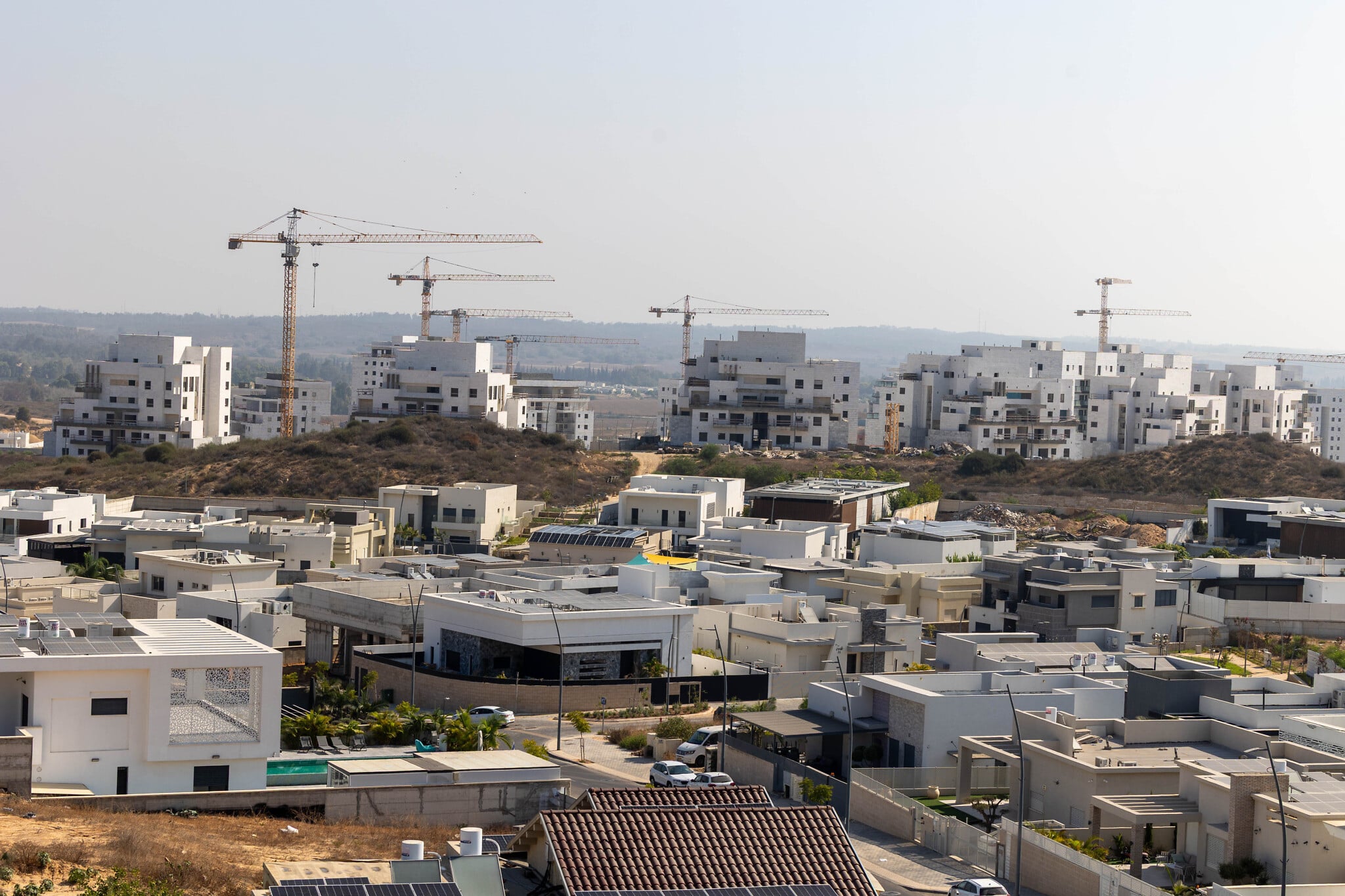
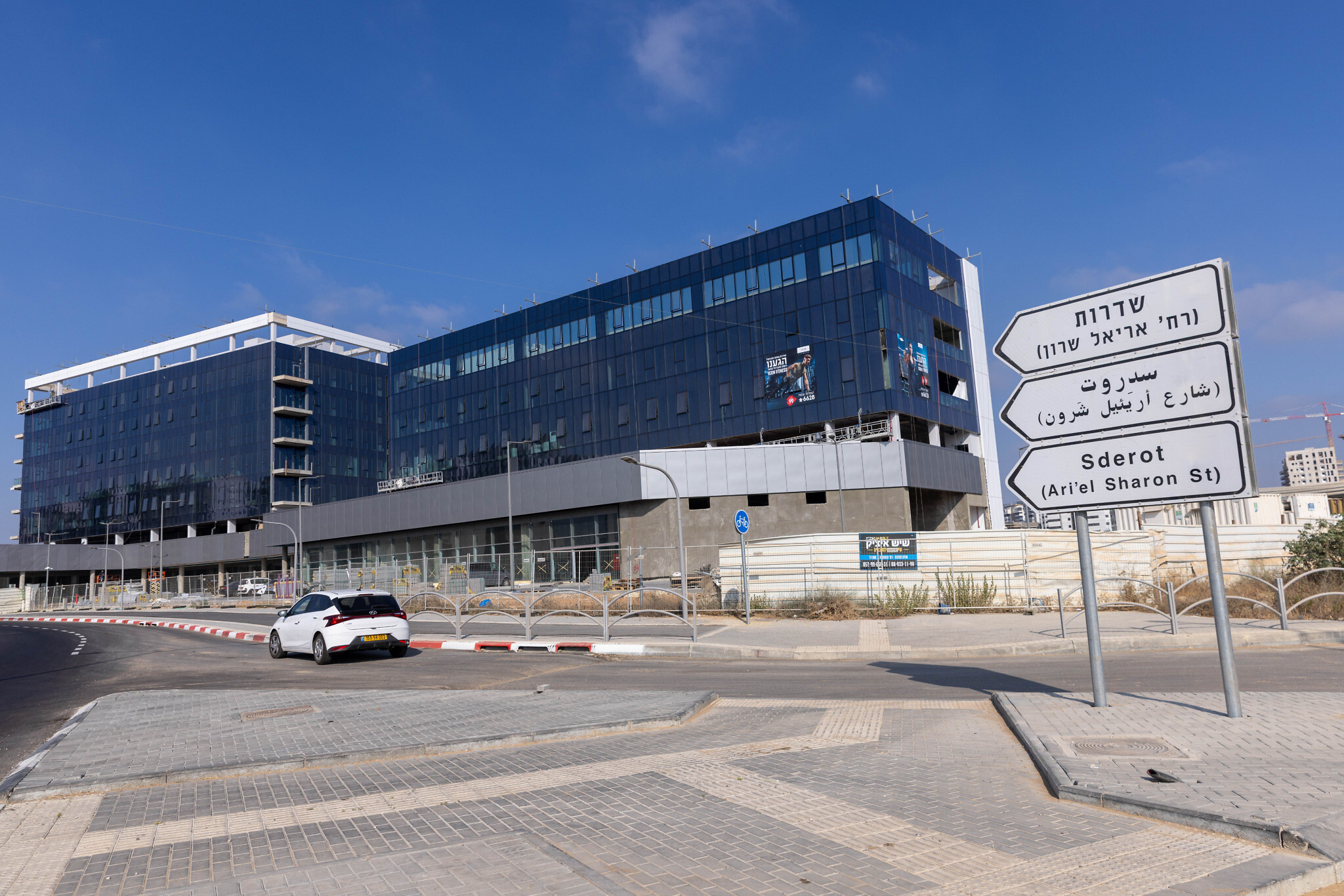
A new culture hall in the southern city of Sderot, a music conservatory in the Ashkelon area, zoning for industry and the tech sector, and an Olympic-sized swimming pool in a yet to be determined location were just some of the plans announced Monday by the state administration tasked with reviving life in the devastated Gaza border region.
With a question mark hanging over the 2026 budget, the Tekuma Directorate is planning to spend just under NIS 4 billion ($1.2 billion) this year, out of a total five-year budget of NIS 17.5 billion ($4 billion).
Out of a belief that empowering locals to make their own decisions will speed their rehabilitation, the directorate is distributing more than half of the NIS 4 billion by inviting southern communities to submit proposals for funding.
“The money is flowing,” Tekuma head Aviad Friedman said at a Monday briefing where a revised strategic plan for the region was discussed.
“We hope nothing will be cut in 2026, but we don’t know,” he added. “We have worked so intensively this year to spend as much as possible. If the budget is delayed to February or March, it won’t affect us. But if there’s no budget at all, we’ll have to sit and think about the implications.”
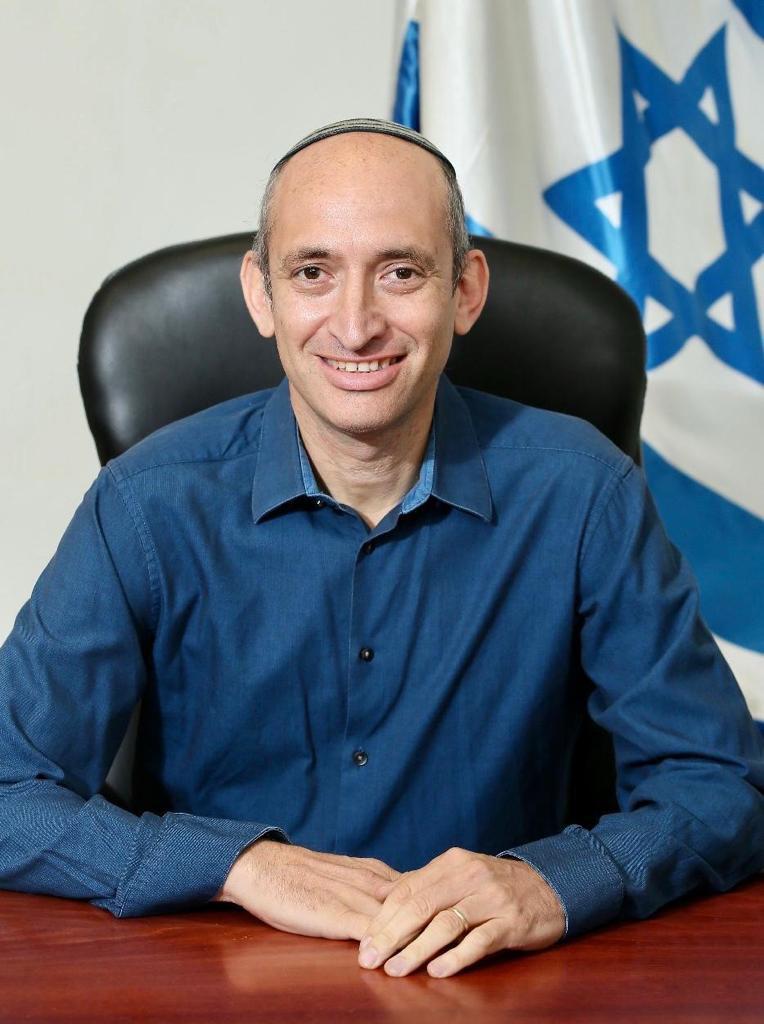
The decision to rework the plans, in consultation with a wide range of stakeholders, stemmed from a since-resolved lack of clarity about the total budget available and a desire to implement lessons learned over the past months of activity, explained Ze’ev Elkin, the minister in charge of rehabilitating the Gaza and northern borders.
In April 2024, the government approved a five-year NIS 19 billion ($5 billion) plan for the city of Sderot and the 46 rural communities that suffered varying levels of devastation when, on October 7, 2023, Hamas breached the Israeli border, murdered 1,200, mainly civilians, and abducted 251 to the Gaza Strip.
NIS 1 billion ($307 million) was subsequently deducted for the benefit of cities such as Ofakim and Ashkelon, which were affected by the October 7, 2023, attack but not considered front-line communities, as they are each more than seven kilometers (3.4 miles) from the Gaza border.
The Finance Ministry diverted a further NIS 300 million ($92 million) to help fund two years of discounts on items such as local taxes for Gaza border residents. (The state discounts have operated for years).
It also transferred NIS 200 million ($61.5 million) to the National Insurance Institute to help it fund various programs of assistance for those impacted by October 7.
As of the end of 2025, NIS 12 billion ($3.7 billion) of Tekuma’s funds earmarked for the south will have been spent.
The new strategic plan reflects efforts to move the region beyond rehabilitation and toward prosperity, including developing anchors for economic development, and promoting demographic growth, the briefing heard.
The directorate is hoping to double the region’s population from its pre-war number to around 120,000 by 2033. This means an average annual growth of four percent. Friedman said communities that met their targets would receive more money in the years ahead.
More than 90 percent of the Gaza border’s residents have returned home since the deadly attack over two years ago.
The briefing heard that more than 3,000 new residents had moved to the Gaza border area in recent months, mostly to Sderot, where around 1,000 new residential units have been built since the Hamas onslaught.
Some 2,000 more pupils started the new school year in September than at the start of the 2022-2023 school year, and 1,000 youth have moved to the region since September 1 as part of various educational or work opportunities. The hope is that these young people will remain in the area.
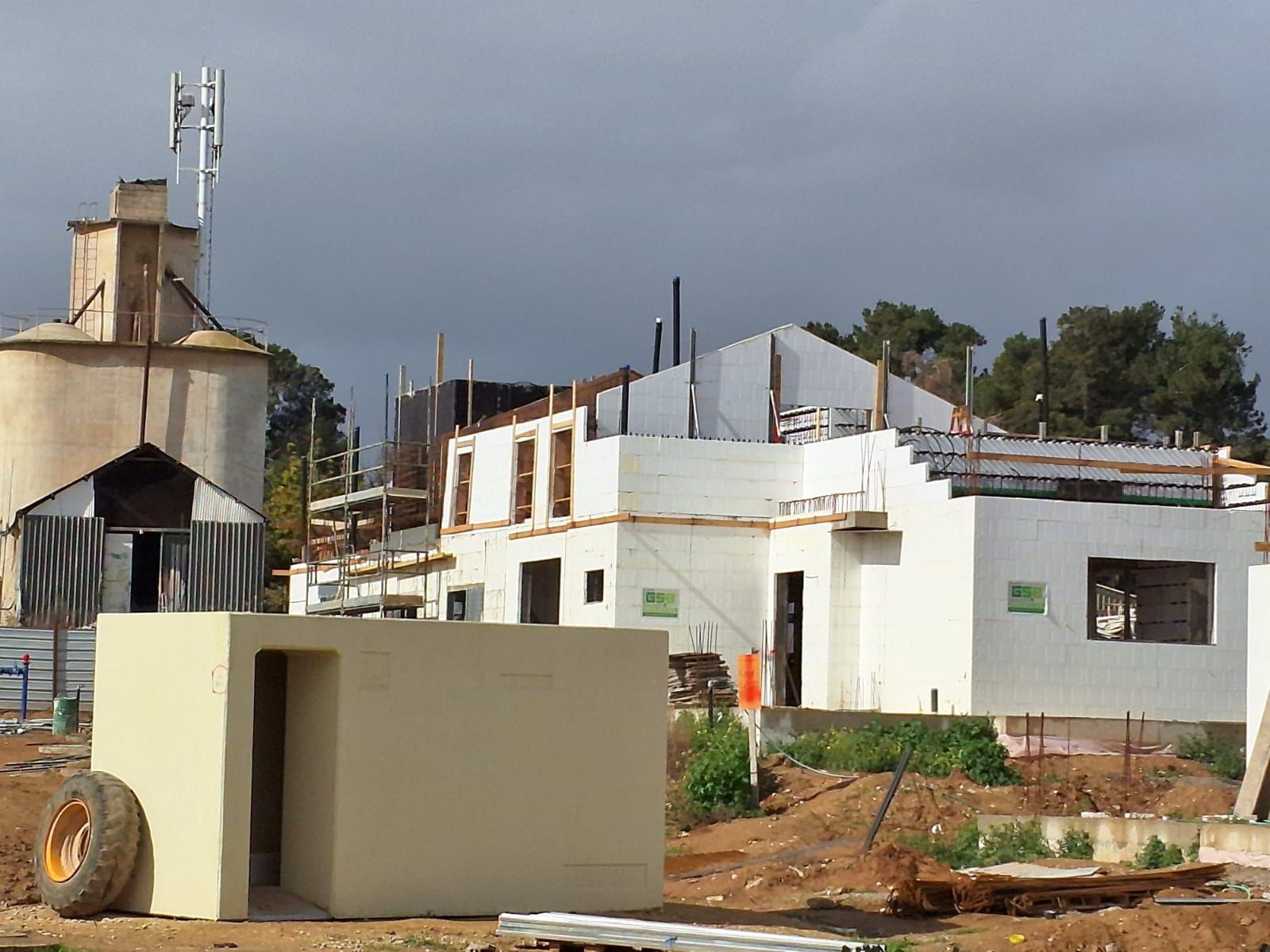
However, residents of the five worst-affected communities are still in temporary accommodation, while their kibbutzim are being repaired and rehabilitated. Work in Kissufim is expected to be completed by next month, while Holit is expected to take until March 2026, Kfar Aza until July, and work in Be’eri is only expected to be completed by August.
No date has been set for the return home of Nir Oz residents, who only agreed on a financial package with the state in April 2025.
Friedman said NIS 35 million ($10.7 million) had already been transferred to Nir Oz, and that more would follow, once it is decided which public buildings the directorate and the KKL-JNF Jewish National Fund would finance.
“Every receipt from Nir Oz is checked and paid,” Friedman stressed.
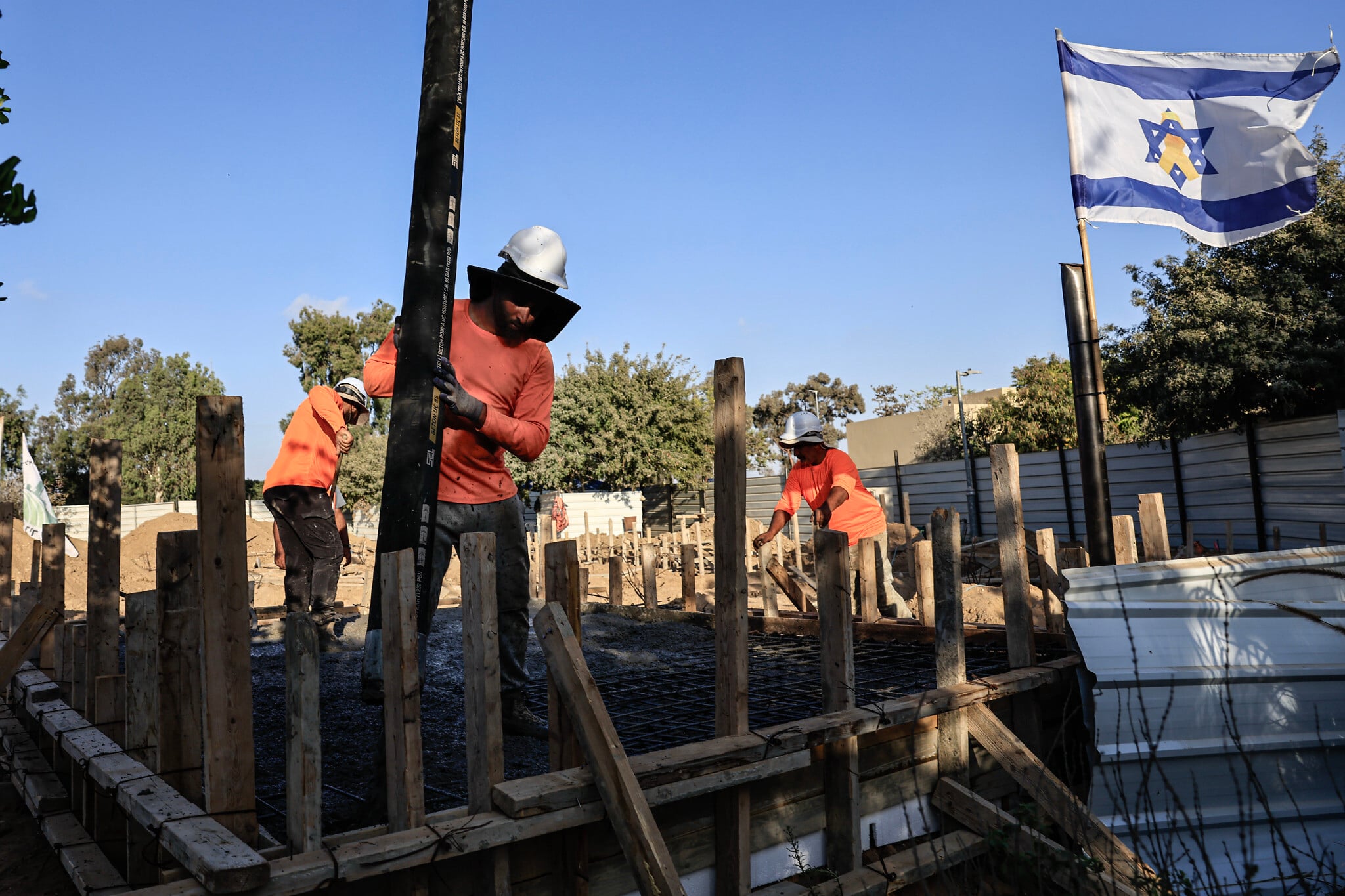
Asked specifically about trauma support, Friedman noted that by last month, the directorate had funded 120,000 individual counseling sessions, with over 15,000 people taking part in family therapy, and 40,000 in community resilience activities.
Looking to the future, the directorate had added NIS 111 million ($34 million) to the Health Ministry’s budget for mental health care. Mental health clinics had been set up in Sderot, with a new NIS 92.5 million facility being planned for the Eshkol region, which bore the brunt of the October 7 attacks. With countrywide shortages of medical personnel, Friedman said the directorate was working with the Health Ministry to draw more doctors and mental health personnel to the region, and, with Sapir College, near Sderot, to train locals.
Aside from a new school of medicine, Sapir College is also expected to inaugurate new faculties in engineering and in the exact sciences.
However, plans for a Gaza border branch of the Wingate Institute have been dropped, Friedman revealed, though it may yet be built in the Negev capital of Beersheba.
The project would have cost more than NIS 400 million (nearly $125 million), a sum the directorate felt would be better spent on building more sports facilities within local communities, he said.






The Times of Israel Community.