

Democrats seek changes to Iran oversight bill
Obama calls key senators, entreating them not to sabotage his efforts to advance a nuclear accord with Tehran
 Add ToI as a Preferred Source on Google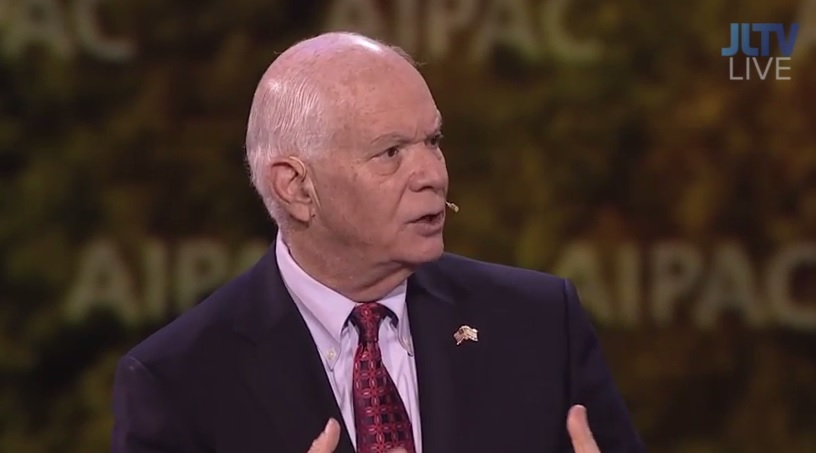
WASHINGTON (AP) — Democratic senators are intent on changing a bill that would give Congress a say in an emerging nuclear deal with Iran — tweaks that could make it more palatable to President Barack Obama, who called two key senators on Wednesday to lobby against undermining diplomatic efforts to end a standoff with Tehran.
The president’s calls to Republican Sen. Bob Corker, chairman of the Foreign Relations Committee, and the committee’s top Democrat, Sen. Ben Cardin of Maryland, were the latest consultations in the White House’s full-court press to convince Congress that an international framework agreement reached last week is the best way to prevent Tehran from developing a nuclear weapon.
“I am trying to bridge the differences here — not that I feel I’ll be able to get the president as a cheerleader to the bill but try to deal with some legitimate concerns,” Cardin said in an interview.
Cardin, who spoke with the president for about 15 minutes, said he hopes an amended bill can carry out two purposes: provide Congress with an orderly way to review any final agreement reached with Iran and mandate periodic reports on compliance so Congress can take action if Iran violates a final deal — if it can be reached.
Obama has threatened to veto the bill, which was introduced by Corker of Tennessee and Sen. Bob Menendez, D-New Jersey.
Standing by the president, House Democratic Leader Nancy Pelosi on Wednesday expressed her opposition to the bill, saying it undermines the international negotiators’ ability to reach a final agreement with Iran and “represents an unnecessary hurdle to achieving a strong, final agreement.”
Whether the measure could garner a two-thirds majority in the full Senate to override a presidential veto is not known, but it’s clear there is bipartisan support for finding a way for Congress to weigh in on any deal, regardless of whether the White House wants it to or not.
“I would hope that if we get it done the way I’m hoping to get it done that the concerns that the president has raised” will be addressed, said Cardin, who is proposing more than a handful of amendments. “Now, the president may feel compelled because of separation of powers to veto it. I understand that.”
White House press secretary Josh Earnest said Obama’s conversation with Corker was not an opportunity for the two men to negotiate the terms of legislation, but rather a chance for the president to speak directly to the chairman to “underscore his view about the opportunity that now exists.”
“The mode that we’re in right now is helping members of Congress understand exactly what’s included in the commitments that Iran has made thus far,” Earnest said. “And our principle concern is to make sure that the US officials who are responsible for negotiating the details of this agreement have the time and space that they need to complete this agreement by the end of June.”
On Capitol Hill, the focus is on the committee, which is scheduled to vote on the bill Tuesday.
As it’s written, the Corker-Menendez bill would require Obama to submit any final agreement reached with Iran to Congress within five days. It would require Obama to send a report that explains the extent to which the secretary of state will be able to verify that Iran is complying with the deal. The bill also would require the White House to certify that the agreement does not jeopardize US national security, including preventing Iran from pursuing nuclear-related military activities.
In implementing any final deal, Obama could lift sanctions imposed through presidential action, but the bill would prohibit him — for 60 days — from suspending, waiving or otherwise easing any sanctions that Congress imposed on Iran. During that 60-day period, Congress could hold hearings and approve, disapprove or take no action on any final nuclear agreement with Iran.
Copyright 2015 The Associated Press.










The Times of Israel Community.