

Pentagon okays religious garb for soldiers
Jewish soldiers can wear a yarmulke, as long as it doesn’t compromise their mission
 Add ToI as a Preferred Source on Google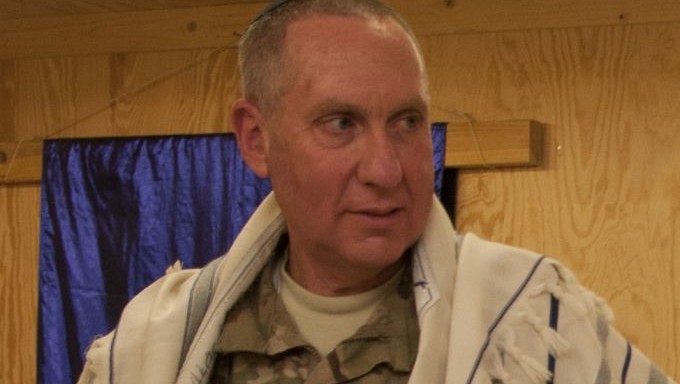
The Pentagon has approved a new policy that will allow US troops to seek waivers to wear religious clothing, seek prayer time or engage in religious practices.
The new police took effect Wednesday, and the waivers will be decided on a case-by-case basis, according to defense officials. Approval of the waiver will depend on where the service member is stationed and whether the change would affect military readiness or the mission.
“The new policy states that military departments will accommodate religious requests of service members unless a request would have an adverse effect on military readiness, mission accomplishment, unit cohesion and good order and discipline,” Navy Lt. Cmdr. Nathan J. Christensen, a Pentagon spokesman said.
The requests will be decided on a case-by-case basis, Christensen said.
Under the new policy, a request can only be denied if it is determined that the needs of the military mission outweigh the needs of the service member.
Among the factors that would influence a decision, a Pentagon statement listed, are “safe and effective operation of weapons,” and health and safety hazards to the personnel wearing the apparel.
Until now there has been no consistent policy across the military services to allow accommodations for religion. Now, for example, Jewish troops will be able to seek a waiver to wear a yarmulke, or Sikhs can seek waivers to wear a turban and grow a beard.
Others can request specific prayer times or ask that they be allowed to carry prayer beads or other items.
If the waiver involves something that violates the service’s policy governing troops’ uniforms or appearance — including tattoos, beards and clothing — then the decision is made by a senior officer, most likely the three-star general in charge of personnel for each service. If it involves something else, such as prayer time, the decision can be made by a unit commander.






The Times of Israel Community.