

Terror attacks and election place UK’s PM under microscope
Despite strong mandate when calling the vote, Tories have sunk in polls over questions about Theresa May’s leadership
 Add ToI as a Preferred Source on Google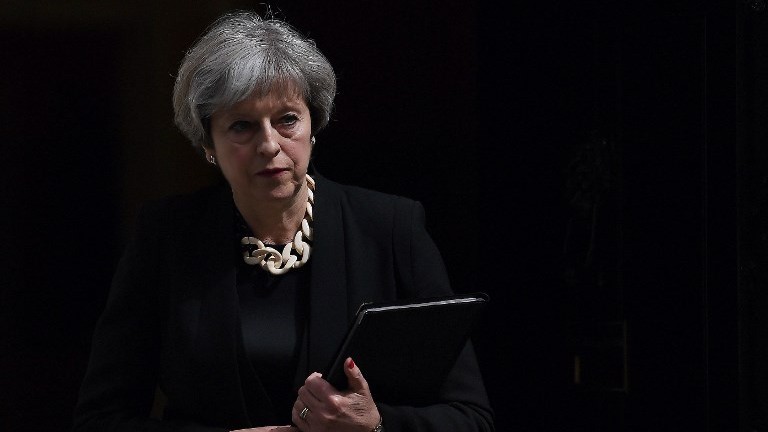
LONDON (AFP) — UK Prime Minister Theresa May is seeking re-election as a tough leader to take Britain through Brexit, but her “strong and stable” image is under close scrutiny after a string of terror attacks and campaign missteps ahead of Thursday’s vote.
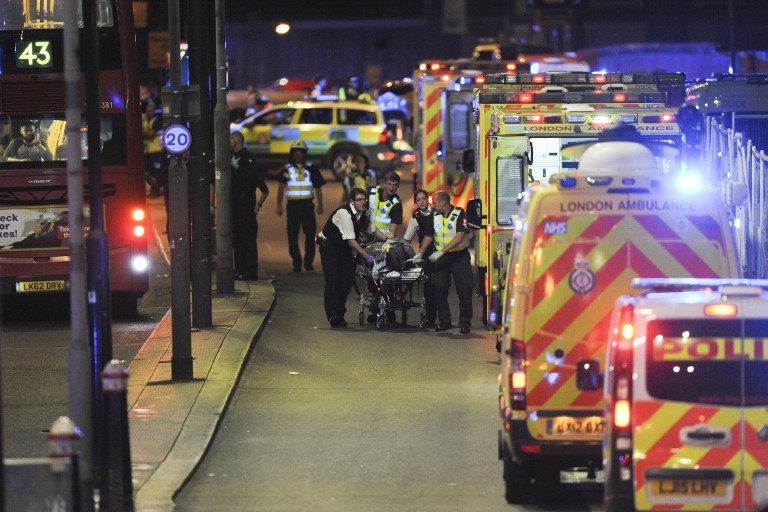
May won praise in many quarters for her initial responses to the Manchester concert bombing and Saturday night’s rampage in London, which left seven people dead.
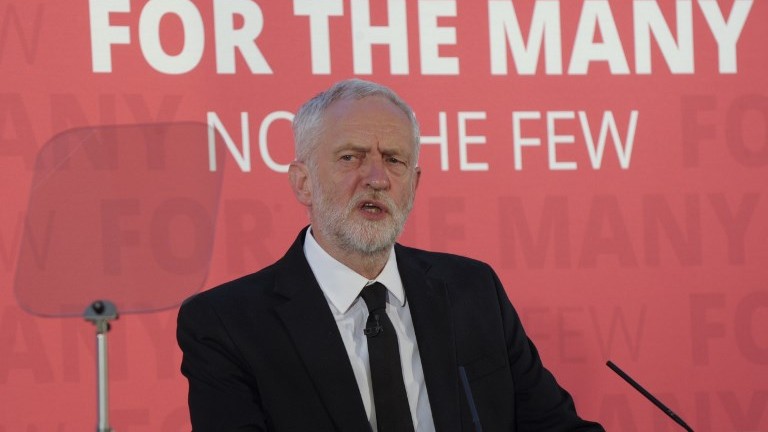
But by focusing much of her Conservative party’s campaign on her rival Jeremy Corbyn’s security credentials, she has faced accusations of politicizing the attacks.
A u-turn on a key manifesto proposal to fund elderly social care was also damaging, while some voters also expressed irritation that she called the snap vote despite promising not to.
The election is May’s first since taking office after last year’s referendum vote to leave the European Union, when she replaced David Cameron with little opposition.
From the outset, the 60-year-old vicar’s daughter presented herself as a steady hand on the tiller.
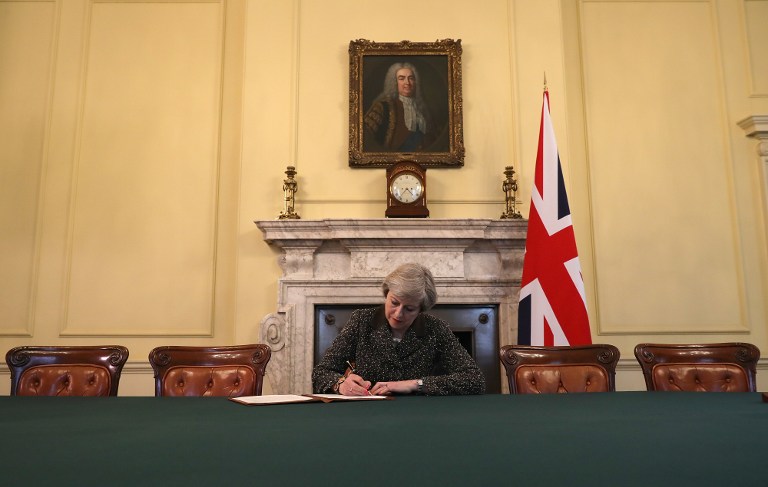
Despite having campaigned to stay in the EU, she promised that “Brexit means Brexit” — and in March, formally began the two-year process of leaving the bloc.
She promised to cut immigration and fight for those who feel left behind by globalization, an approach that won her support from voters across the political spectrum.
But the election has exposed an awkward manner with the public and a reliance on soundbites.
Rivals have accused her of policy-making by slogan and lashed her for refusing to engage in head-to-head TV debates.
In a rare unscripted encounter with a voter that was filmed and went viral, May responded to a woman angry about welfare cuts with bland campaign slogans.
Other questions have swirled around the failure of the security services to thwart jihadists after three terror attacks in three months.
As the polls narrowed, some Tories questioned the wisdom of basing their party’s campaign around May’s “strong and stable leadership.”
In the final stretch, the party slightly amended its messaging, focusing more on the Conservatives rather than May herself.
‘Difficult woman’
A colleague once labelled May “a bloody difficult woman,” a description she has highlighted to prove she will be tough in Brexit talks that begin after the election.
She has held up her past negotiations on security and home affairs with the EU as proof she can get things done.
But her anti-immigration rhetoric and a warning that she will walk away from the talks if she does not get the deal she wants have not always gone down well in European capitals.
After the row over social care, which followed a U-turn over taxation in the March budget, one interviewer said: “If I was sitting in Brussels… I’d think ‘she’s a blowhard who collapses at the first sign of gunfire.'”
The care row shone a light on May’s habit of relying on a few trusted advisers, which saw even cabinet ministers excluded from discussion over parts of the Tory manifesto.
May, who has represented the wealthy London commuter seat of Maidenhead since 1997, says she does not “gossip about people over lunch,” but “gets on with the job.”
‘Good, solid Conservatism’
As Britain’s second female prime minister, May is often compared to the first, Conservative “Iron Lady” Margaret Thatcher — but she has struck a markedly different tone.
She says government should be used to improve the lives of ordinary people, and her manifesto rejected “untrammeled free markets” and “the cult of selfish individualism.”
May has never been afraid of challenging her party — as Conservative chairwoman in 2002, she famously warned that the Tories were seen as “the nasty party.”
But she insists there is no such thing as “Mayism,” only “good, solid Conservatism.”
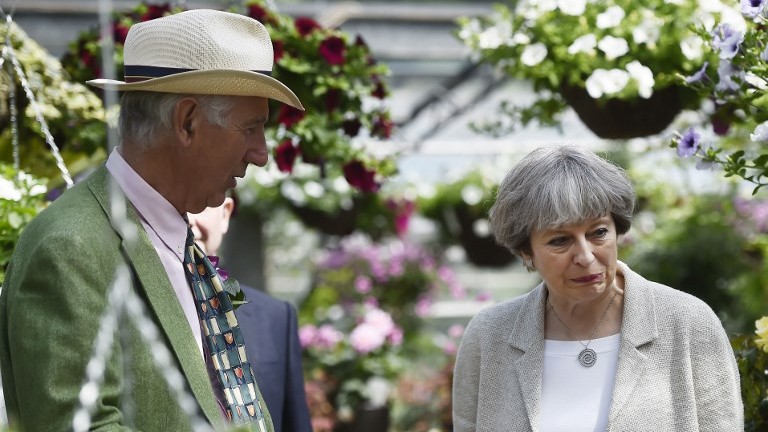
The prime minister credits her outlook on life to her “very happy” childhood in a vicarage, where she was obliged to meet a variety of people from different walks of life.
She studied geography at the University of Oxford, before working in finance, including at the Bank of England.
She met her husband Philip, a banker, at university, after reportedly being introduced by future Pakistan premier Benazir Bhutto.
Not long after their marriage, May’s vicar father died in a car accident, followed a year later by her mother, who had multiple sclerosis.
In 2013, May revealed she has type 1 diabetes but insisted it would not affect her career.
It was a question of “head down and getting on with it” — a message she is hoping voters will heed on polling day.







The Times of Israel Community.