

‘Thousands of preventable deaths in Israeli hospitals’
Annual study shows basic hygiene lacking in health care facilities, slams unqualified teachers, exposes widespread failures in Ethiopian absorption
 Add ToI as a Preferred Source on Google
Lazar Berman is The Times of Israel's diplomatic reporter
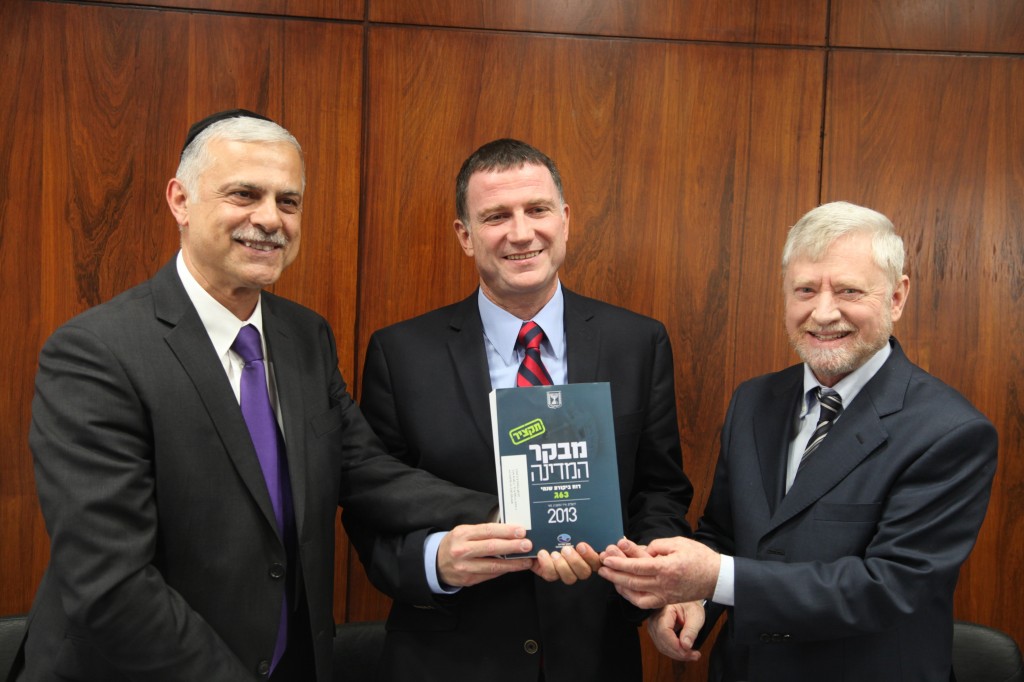
Thousands of patients die every year in Israeli hospitals because of preventable infections, Israel’s State Comptroller Joseph Shapira charged in his annual report submitted Wednesday afternoon. Shapira presented his 2,000-page report to Knesset Speaker Yuli Edelstein in a ceremony at the Knesset.
Shapira’s report found serious failures across the health system. Up to 6,000 patients die annually from infections contracted while hospitalized, and his report estimated that 1,000-4,500 of the deaths could have been prevented had the hospitals followed basic hygiene procedures.
The Comptroller’s Report also stated that many of Israel’s hospitals were not ready for earthquakes, nor properly protected from missiles that could hit Israel should a war break out.
The 46-chapter report, Shapira’s first, criticized Israel’s education system, its care for minorities and vulnerable populations, and corruption by public officials.
The report found that 40% of Israeli teachers are not trained to teach their subjects, especially geography, civics, literature, and history. Two-thirds of math teachers in Jewish schools and one-half in Arab schools do not have a degree in math at all. The national-religious school system employed more unqualified teachers than both the national-secular and Arab systems, the report revealed.
The comptroller had serious criticism for Israel’s absorption of Ethiopian immigrants, despite ongoing efforts by the government and NGOs. The report also looked at military service, housing, and education for the Ethiopian community, and found that it lagged behind the general public across the board.
The Absorption Ministry’s five-year-plan for improving the conditions of Ethiopian-Israelis came under particular scrutiny. Though the government invested NIS 870 million shekels ($245 million) from 2008 to 2012, the money often failed to reach those it intended to help.
Despite significant investment in improving education in the sector, the efforts have borne very little fruit, according to the report. “These gaps cannot be explained entirely by the different socioeconomic background of Ethiopian immigrants,” wrote Shapira. Often, bureaucratic obstacles — including a failure to coordinate between the Education and Absorption ministries — keep students from receiving help. The report also found that less than 1% of university students were from the Ethiopian community.
Though young Ethiopians have shown motivation to serve in the IDF, according to Shapira’s report, many run into trouble during their service. More than 20% of Ethiopian soldiers dropped out of the military in 2010, and the percentage spending time in military prisons was markedly higher than the rest of the IDF.
The Comptroller’s Report also criticized Israel’s protection of its most vulnerable populations. There are more than 90,000 children who lack official status in Israel, including children of foreign workers, refugees, and illegal immigrants. These children often find themselves in detention centers where conditions endanger the children’s welfare.
Single parents did not receive adequate benefits, according to Shapira. Government ministries failed to coordinate their programs, and often pushed single parents to find work when they would prefer to stay with their children and receive unemployment benefits.

Shapira began his term as State Comptroller 10 months ago, and has produced reports on traffic safety, food prices, and the security establishment. His first annual report broke new ground by including an introduction in Arabic for the first time.







The Times of Israel Community.