

Turkish delight – now in bitter pill form
As criticism from politicians and others rains down on Netanyahu over reconciliation deal, support comes from most unlikely of places: the press’s platoon of normally parsimonious pundits
 Add ToI as a Preferred Source on Google
Joshua Davidovich is The Times of Israel's Deputy Editor
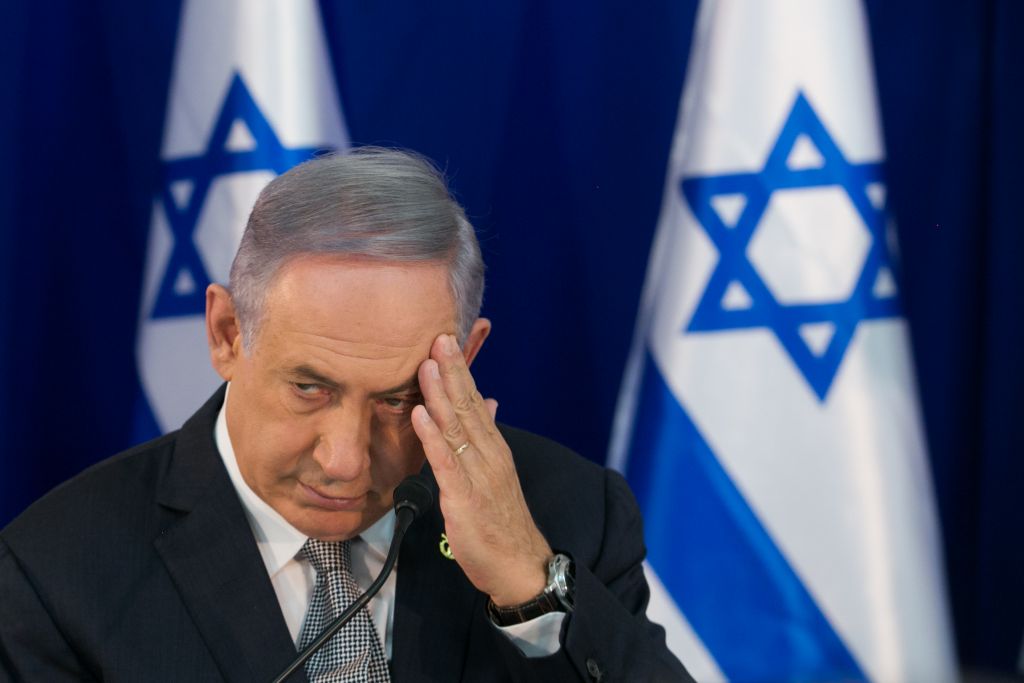
Announcing the agreement with Turkey to normalize ties Monday, Prime Minister Benjamin Netanyahu attempted to downplay the level of warmth he expected to see between Jerusalem and Ankara in the wake of the long-sought deal, saying he was aware there would be no honeymoon. What the prime minister may not have expected, though, is the lack of honeymoon he’s receiving at home, with criticism pouring in from so-called political allies and aggrieved parties, even before the deal was officially inked Tuesday.
Salvation, though, comes from the most unlikely of corners as the pundit class in the press largely backs the prime minister on the move, both those who normally see him as the sunshine of their lives and those who view him as the second coming of Game of Thrones’ sadistic villain Ramsay Bolton.
The most strident critic among the Hebrew media is the populist tabloid Yedioth Ahronoth, which plays up the gut negative reactions of most Israelis instead of the cold realpolitik which was needed to get the deal done. The front page headline “Cry of the parents” accompanying a picture of the Goldin and Shaul families, whose sons’ remains won’t be returned from Gaza as part of the deal, sets the tone for the rest of the paper.
The paper’s main news story, though focuses on the political battle shaping up in the cabinet over the deal, with Defense Minister Avigdor Liberman already expressing his opposition, and correctly predicts Jewish Homes’ Naftali Bennett and Ayelet Shaked will pledge to do the same, as the right flank rebels.

Yet it may all be just sound and fury, signifying nothing, the paper notes.
“As sharp as the battle in the government over the rapprochement deal is, it seems it’s not under any danger. The government and Knesset rules require the cabinet to discuss the deal, but Prime Minister Benjamin Netanyahu does not have to get the imprimatur of the ministers,” Yedioth reports.
Even Israel Hayom, which is seen as a mouthpiece for Netanyahu, can’t help but report on the firestorm, running a front page headline “the deal and the disagreement.” The paper proves it’s more of Netanyahu’s baby than the unhappy right’s, though, with much of the coverage falling on the positive side of the fence, including stories touting the importance of the agreement and columnists defending the decision. Columnist Haim Shine, a former WEF (worst enemy forever) of Ankara, for example, admits that the decision is not popular but in the same breath dismisses the criticism as illegitimate.
“Sometimes the responsibility of history requires making decisions that are not popular. An example of this is the deal with Turkey. I have no doubt that the decision was not taken lightly and was done under considerations of security and defense of necessary interests. In a world that changes from hour to hour, one needs to take risks and to come to agreements that require diplomatic courage and especially to look beyond the tweets and headlines from political critics who can find or invent claims from anything available just to attack the government and its leader,” he writes. “When he didn’t sign the deal in the past he was criticized, and now, that he’s signing the deal, he’s criticized again, so who can take the criticism seriously?”
The brickbats are similarly muted in Haaretz, which is normally not one to sing the praises of Netanyahu, and unsurprisingly, the compliments it pays to the prime minister and his ability to get the deal done are muted as well. Yet the fact that diplomatic correspondent Barak Ravid sounds a lot like Shine in rejecting some of the criticism against Netanyahu showcases the musical chairs pundits and politicians have had to play in reaction to Israel’s suddenly flowering relationship with Turkey.
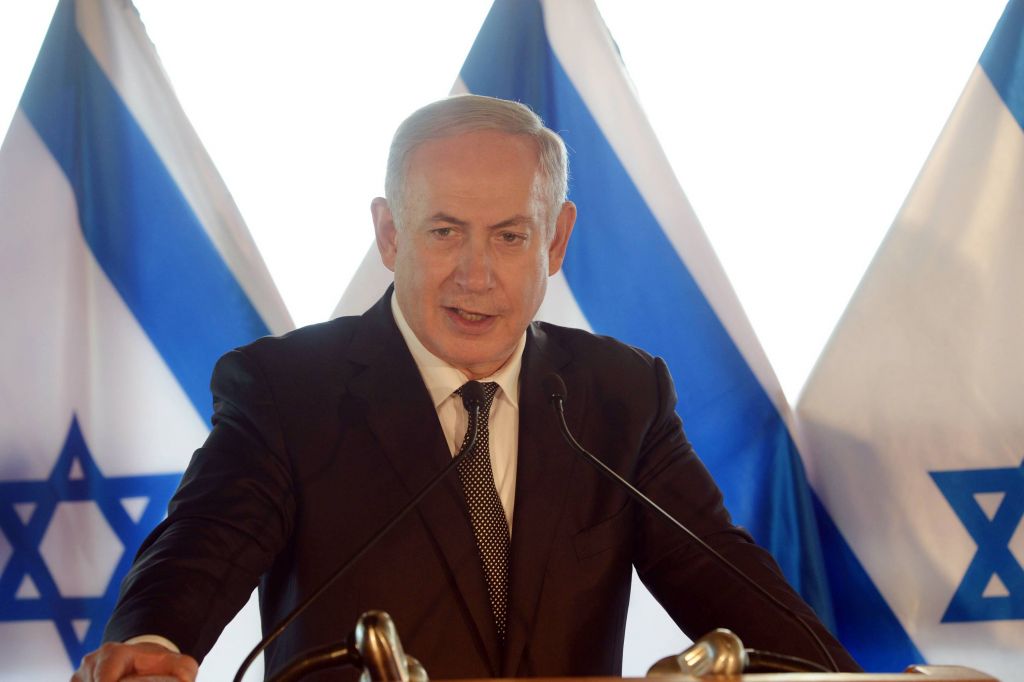
“One can understand why right-wing voters, who in recent years heard the prime minister speak out harshly against Turkey and its leadership, are now justifiably angry at Netanyahu. Those leftists who are calling Netanyahu a hypocrite and charging that had a Labor-led government reached the exact same agreement, he and his mouthpiece Israel Hayom would have rained down fire and brimstone in an effort to thwart it, are also correct,” he writes. “What’s impossible to understand, however, is the criticism by members of the opposition. … All these Knesset members, who just a few months ago were attacking Netanyahu for having destroyed relations with Turkey, have set new records for hypocrisy and sanctimoniousness by attacking the very same reconciliation deal that they were urging Netanyahu to sign six years already.”
Even Yedioth’s Sima Kadmon brings herself to praise the deal, though she is even more forthright in bashing Netanyahu for taking so long.
“Even if it was delayed so long, even if the prices only went up, and even if the only thing keeping the deal back was ego – one needs to praise the deal, just as one needs to praise any deal, especially with a Muslim country, which which our relations will only improve,” she writes.
While most of the vitriol indeed stems from the lack of the return of the bodies and prisoners held in Gaza, the millions Israel is paying over the Turkish activists killed in the Mavi Marmara raid, and yes, the delay, Haaretz’s Jacky Khoury highlights another possible problem with the deal apparently unnoticed by everyone else: It doesn’t significantly help the Palestinians or Gazans, while at the same time strengthening terror group Hamas, which he says may be what Israel actually wants.
“Hamas, as Gaza’s sovereign power, must ultimately provide solutions to residents’ problems, despite its efforts to transfer the blame to the PA. The two big problems that require immediate solutions are water and electricity, and Turkey, unlike other countries, isn’t conditioning its promised aid on these issues – construction of a power plant and a desalination facility – on the PA’s consent or supervision,” he writes. “All this is a shot in the arm for Hamas. … Solutions to Gaza’s water and power problems, combined with infrastructure, housing and medical projects, will help Hamas preserve its rule. That will also indirectly help Israel, which wants to preserve the split between Hamas-run Gaza and the PA-controlled West Bank, since creation of a unified Palestinian government would advance the Palestinian cause in international forums.”








The Times of Israel Community.