

10 Israelis deported from Thailand amid crackdown on foreign-linked crime — report
Local media alleges the Israeli nationals were involved in extensive nominee company scheme involving 32 businesses, estimated to have caused over $6 million in damage
 Add ToI as a Preferred Source on Google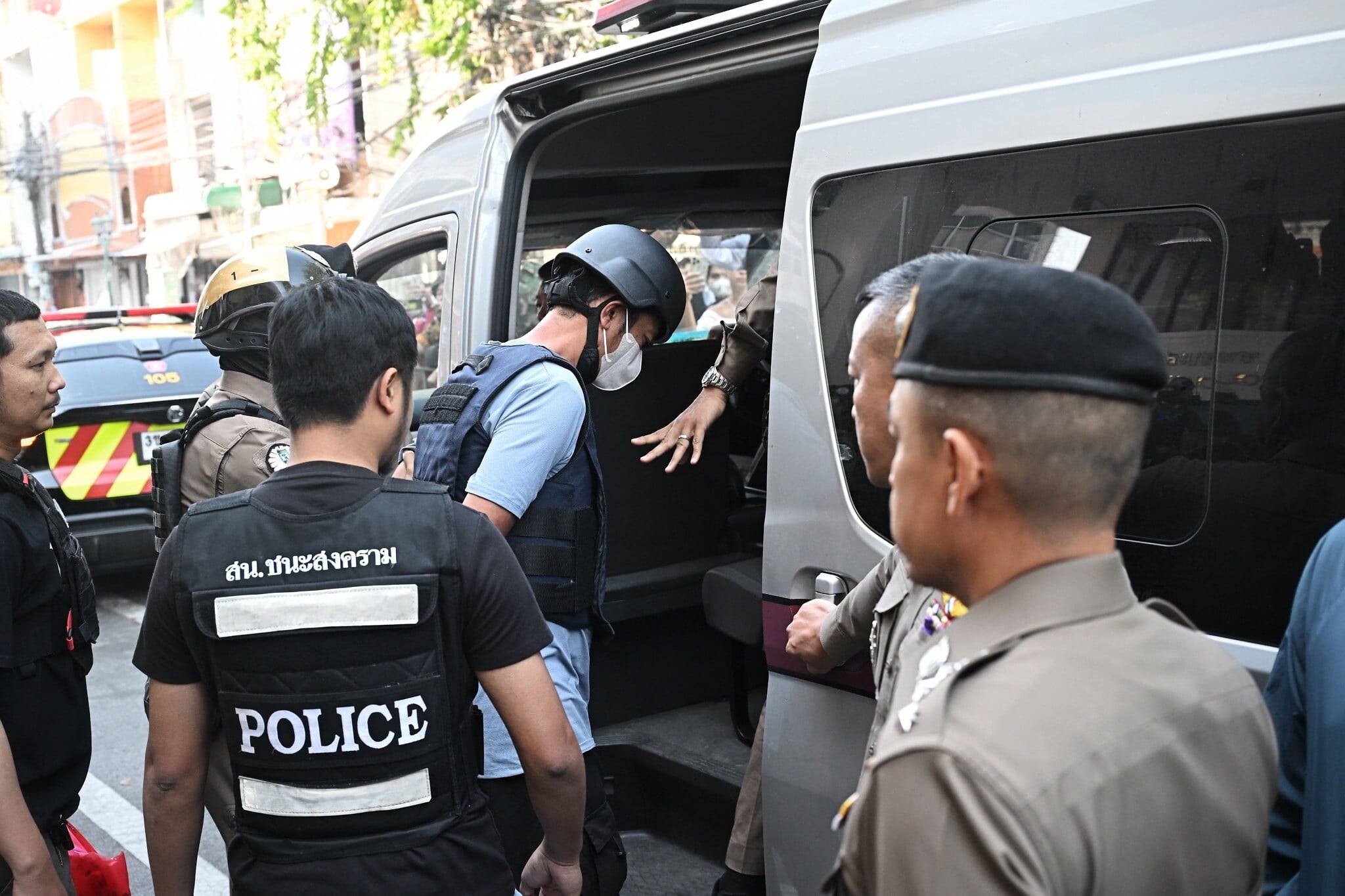
Ten Israelis were recently deported from Thailand due to suspicions that they were operating illegal businesses in Koh Pha Ngan, The Bangkok Post reported Tuesday, amid a crackdown on foreign crime networks believed to pose a national security risk to the Southeast Asian country.
The deportations are the result of a Thai police investigation into dozens of nominee companies, which are owned by Israelis but ostensibly run by Thai operators, the report said.
As part of the investigation, The Bangkok Post said police identified 32 businesses involved in the nominee company scheme, including an unlicensed hotel that employed Thai nominees to conceal that it was owned by an Israeli national.
Another company involved was found to be in violation of Thai business regulations by allowing foreign shareholders to hold larger stakes than Thai partners, the report said.
In total, the damage caused by the businesses involved in the scheme is estimated to be over 200 million baht (around $6.1 million).
The investigation into the scheme is still ongoing, the report added.
A police source cited by the news outlet said that despite the ongoing investigations, “Israeli nationals had historically attracted less concern from Thai authorities because intelligence agencies did not view them as posing a direct security threat inside Thailand,” setting them apart from other suspects in the crackdown on foreign crime networks.
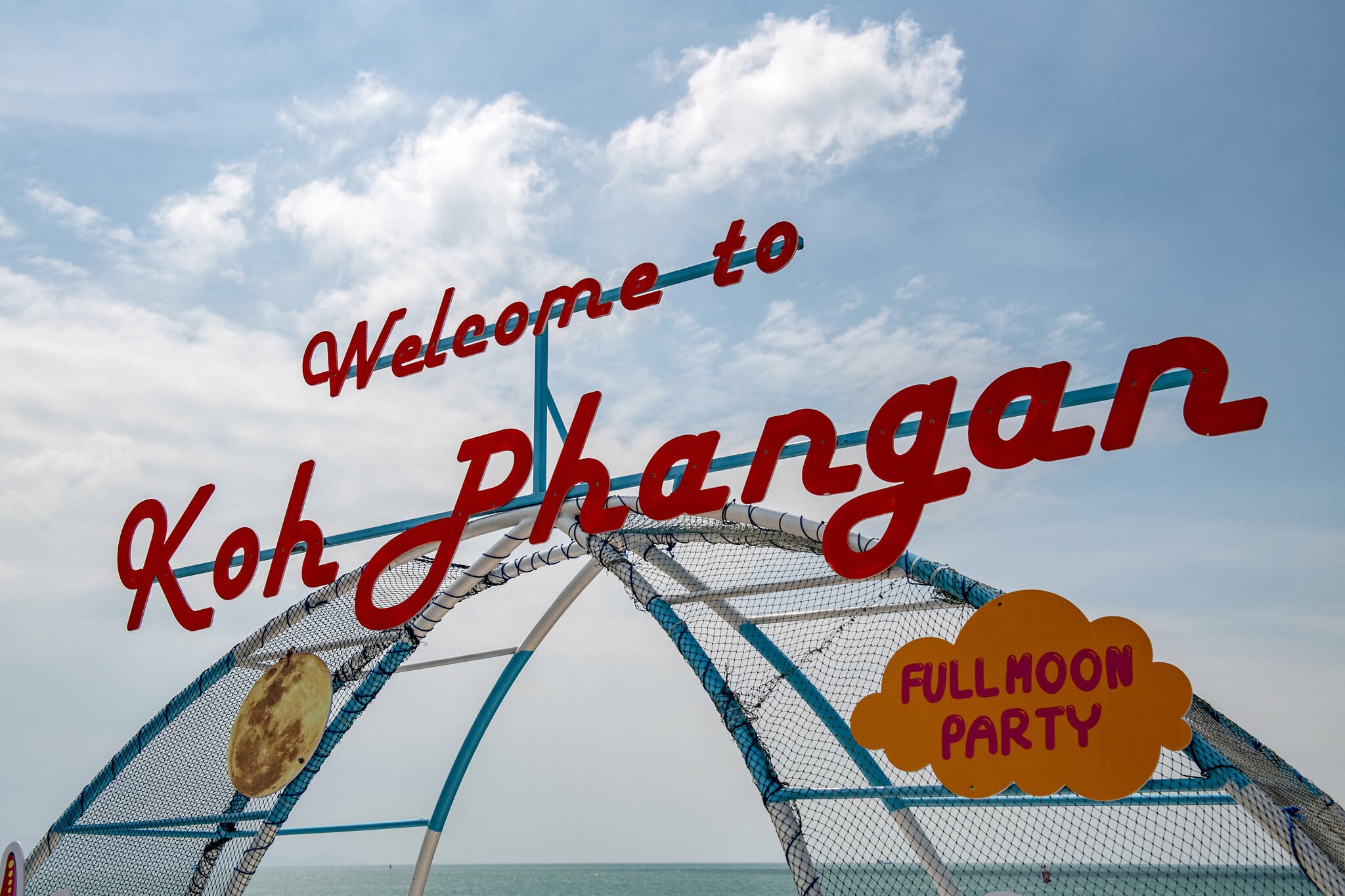
The Southeast Asian country is a massively popular destination for Israelis, especially the island of Ko Pha Ngan, which has become home to some 2,500 Israeli expats, according to The Bangkok Post, on top of the tens of thousands of Israeli tourists that visit the island each year.
Israeli tourists and expats in Thailand have been under increased scrutiny in recent months, however, due to a surge in disruptive behavior and culture clashes with locals.
In an attempt to rectify the situation, the Israeli embassy in Thailand put out a statement in February warning nationals that such behavior had “negatively impacted the image of Israeli tourists and may affect the warm reception Israelis receive in Thailand.”
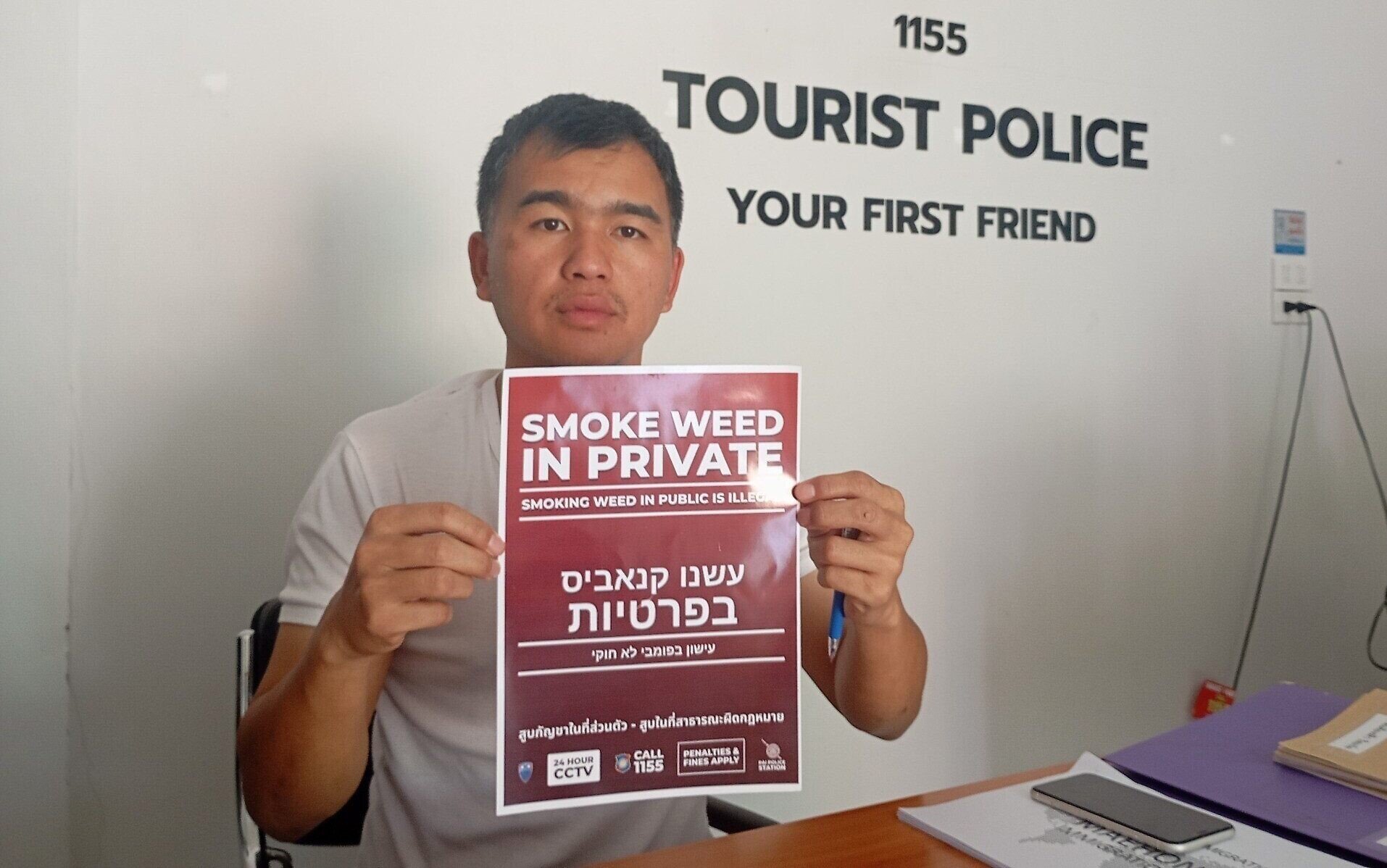
The statement went on to provide detailed guidelines for appropriate behavior, including maintaining quiet in public spaces, respecting local customs, and dressing appropriately. “The Thai people respect and warmly welcome Israeli tourists. Let’s maintain this relationship,” the embassy had urged.
Among the more prominent cases involving Israeli tourists was an incident in January in which four Israelis were arrested and deported for alleged illicit drug possession in Ko Pha Ngan.
The four were arrested when police raided a luxury villa after a noise complaint and found them there along with cocaine and ecstasy pills.
The following month, Israeli national Shay Alfasi was arrested on suspicion of running a major drug-dealing operation out of his restaurant in Ko Pha Ngan. The Bangkok Post reported at the time that over 50 million baht (approximately $1.6 million) worth of drugs were seized in the operation.
Last month, a Thai Foreign Ministry official announced that the country would be tightening its rules for visas on arrival due to national security concerns, and was ending its 60-day visa-free stay agreed on with 93 countries, including Israel.
Thailand’s foreign minister had previously said there was a plan to reduce the duration from 60 to 30 days.








The Times of Israel Community.