

35 countries confirmed to take part in 2026 Eurovision despite boycotts
While Spain, Slovenia, Ireland, the Netherlands and Iceland quit the contest over Israel’s inclusion, Romania, Moldova and Bulgaria are returning for next year’s show in Austria
 Add ToI as a Preferred Source on Google
Amy Spiro is a reporter and writer with The Times of Israel
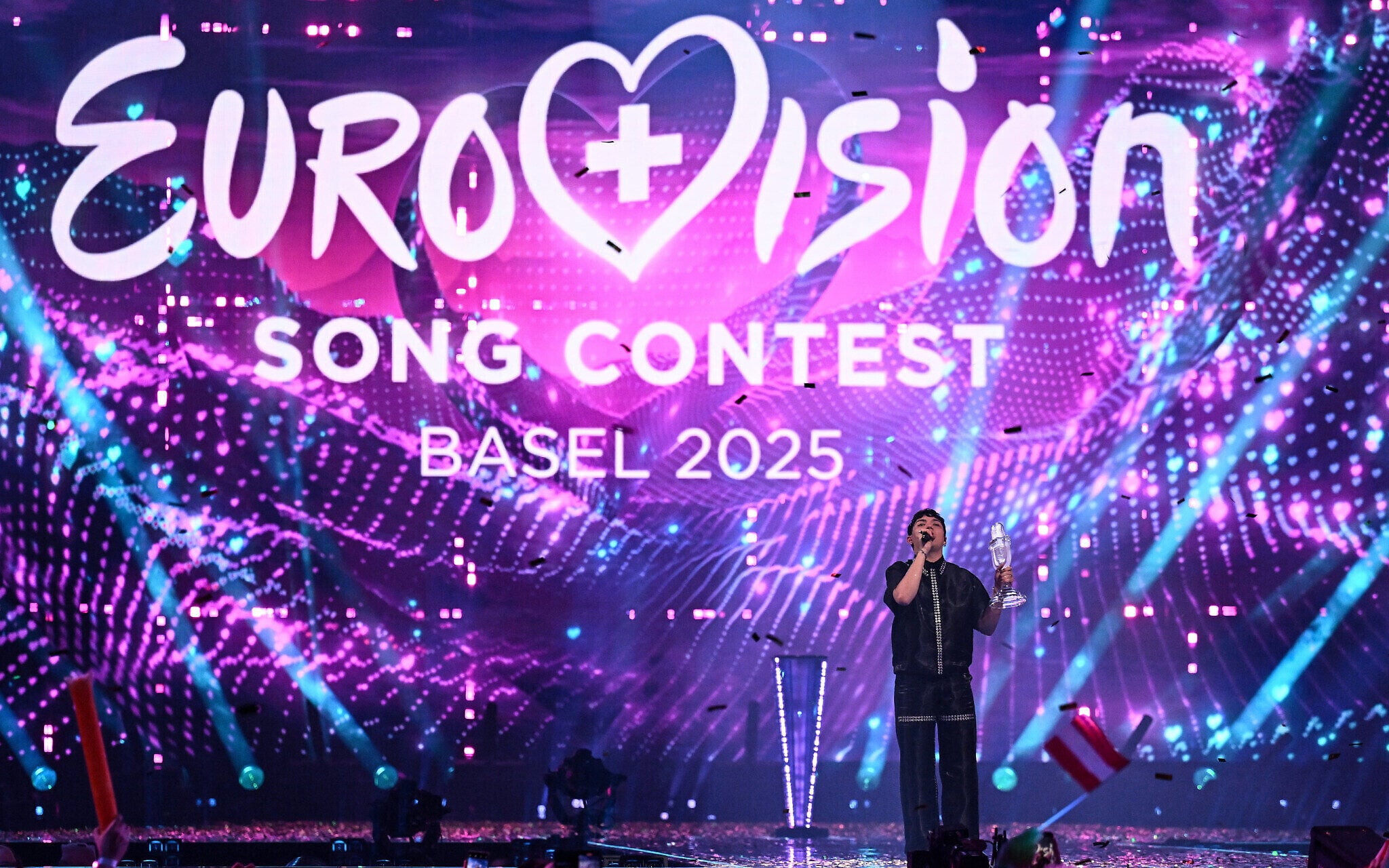
The European Broadcasting Union confirmed on Monday that 35 countries will take part in the Eurovision next year, the 70th anniversary of the song contest, after five nations backed out in protest of Israel’s inclusion.
Spain, Slovenia, the Netherlands, Iceland and Ireland quit the competition after members of the EBU decided against kicking Israel out of the contest. Meanwhile Bulgaria, Romania and Moldova are returning to the competition following brief absences that were due to financial reasons.
“As we prepare to celebrate 70 years of the Eurovision Song Contest, it remains a place where voices, cultures, languages and music are woven together,” said Martin Green, the Eurovision director, in a statement from EBU.
The competition, he said, is one “where people from many backgrounds can show that in a difficult world, a better one is possible.” The return of Bulgaria, Romania and Moldova “is a vivid reminder of the enduring power of the Eurovision Song Contest, and of what it truly means to be United by Music.”
In alphabetical order, the 35 countries taking part in the competition in Vienna next year are Albania, Armenia, Australia, Austria, Azerbaijan, Belgium, Bulgaria, Croatia, Cyprus, Czechia, Denmark, Estonia, Finland, France, Georgia, Germany, Greece, Israel, Italy, Latvia, Lithuania, Luxembourg, Malta, Moldova, Montenegro, Romania, Norway, Poland, Portugal, San Marino, Serbia, Sweden, Switzerland, Ukraine and the United Kingdom.
The turnout will only be a slight drop from this year’s competition in Switzerland, where 37 national broadcasters took part. But it is still the lowest number of participating countries since the semi-final rounds were introduced in 2004, expanding the number of participants.
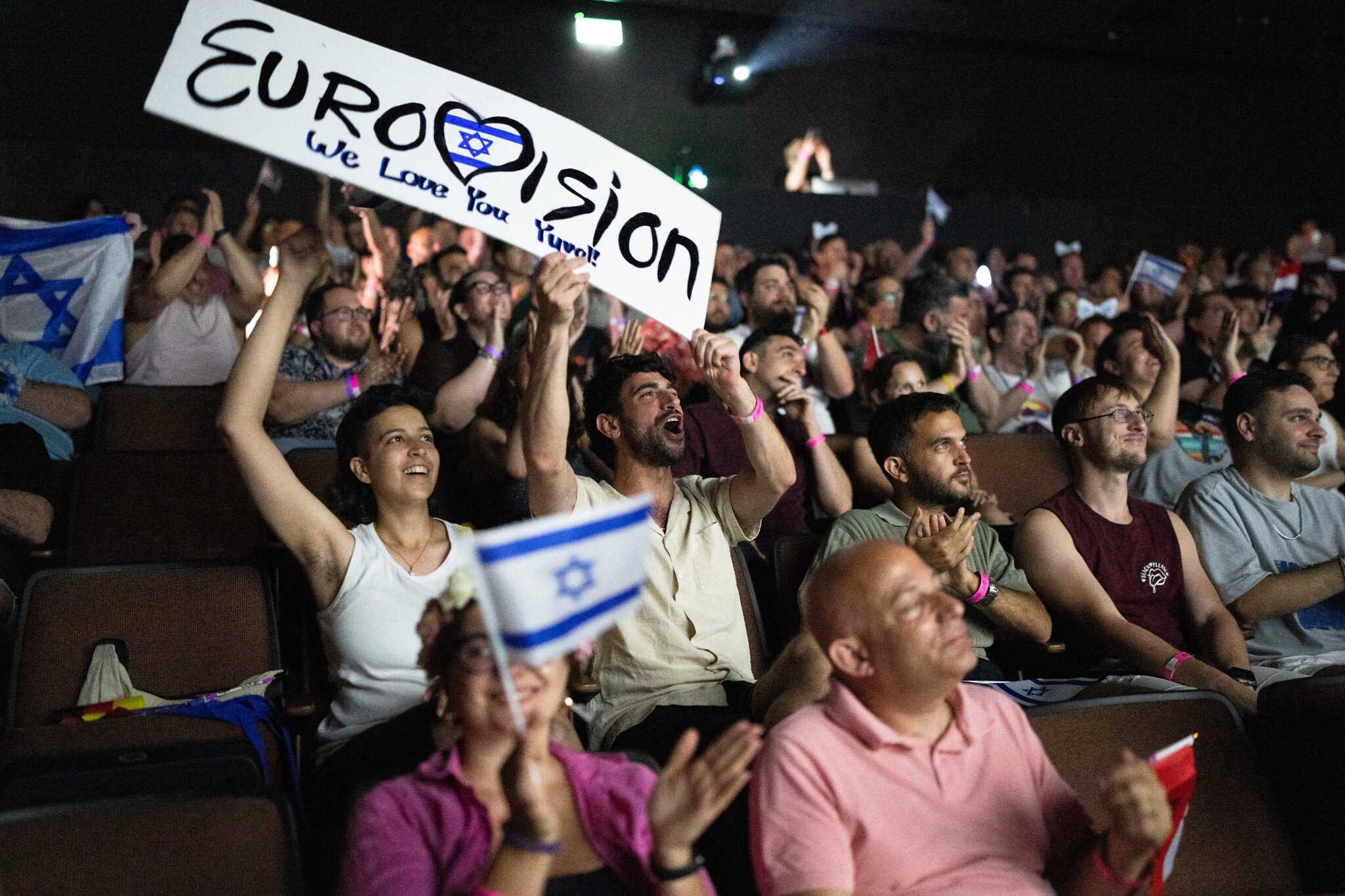
The official EBU announcement made no direct mention of the withdrawal of the five countries and the drama surrounding Israel’s participation. It did reiterate the new rules agreed to at its general assembly this month “to preserve the fairness, integrity and spirit of competition.”
During the EBU conference, its members voted overwhelmingly in favor of accepting a package of reforms aimed at assuaging some of the concerns that had been raised over Israel’s participation. The vote was seen as a de facto referendum on Israel’s inclusion, since members were told that a vote explicitly on Israel would only be held if the reforms did not receive a majority of support.
In its statement on Monday, the EBU said the changes “reflect our commitment to ensuring the Eurovision Song Contest remains a neutral space to showcase of music, talent and unity — free from undue influence and grounded in transparency.”
The reforms include capping the number of votes per person at 20 instead of 10; reinstating professional juries in the semifinal rounds along with the public vote; “enhanced technical measures” to detect any voter fraud; and “strengthened safeguards against undue external promotion of entries.”
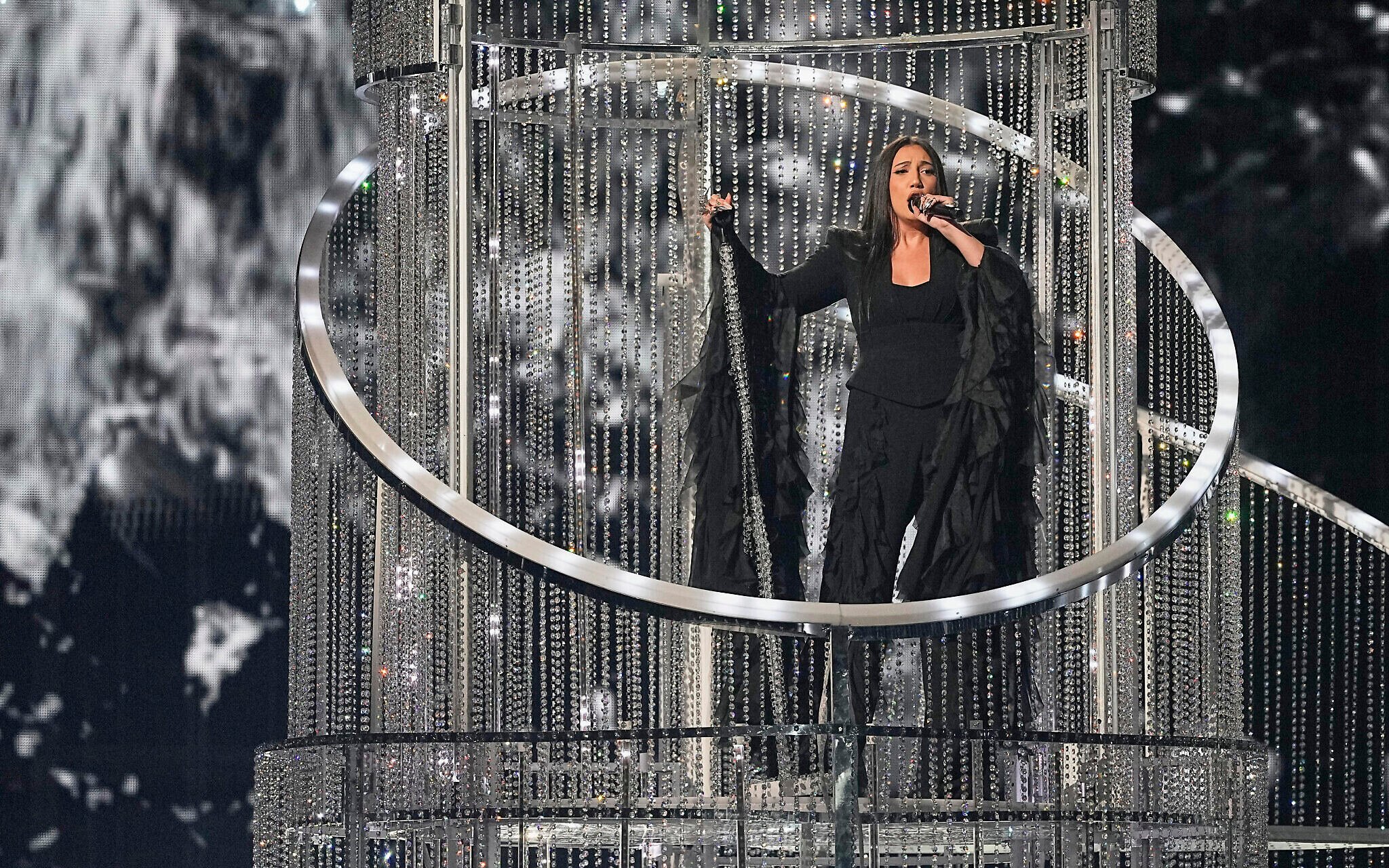
In a letter to Eurovision fans last week, Green more directly addressed the outrage from fans after Israel was allowed to stay and Slovenia, Spain, Ireland, Iceland and the Netherlands quit in protest.
Though he still did not mention Israel by name, Green wrote that he knew fans were “feeling strong emotions,” and that they “feel strongly about events in the Middle East” and their connection to the Eurovision.
“I want to say that we hear you,” he wrote. “We understand why you feel so strongly and that we care too.”
Green said he has heard from many fans who “want us to take a defined position on geo-political events. But the only way the Eurovision Song Contest can continue to bring people together is by ensuring we are guided by our rules first and foremost.”
The Eurovision director promised to “ensure that all participating broadcasters respect the rules of the competition, and if they don’t, you have a personal pledge from me, we will not tolerate it and call it out.”
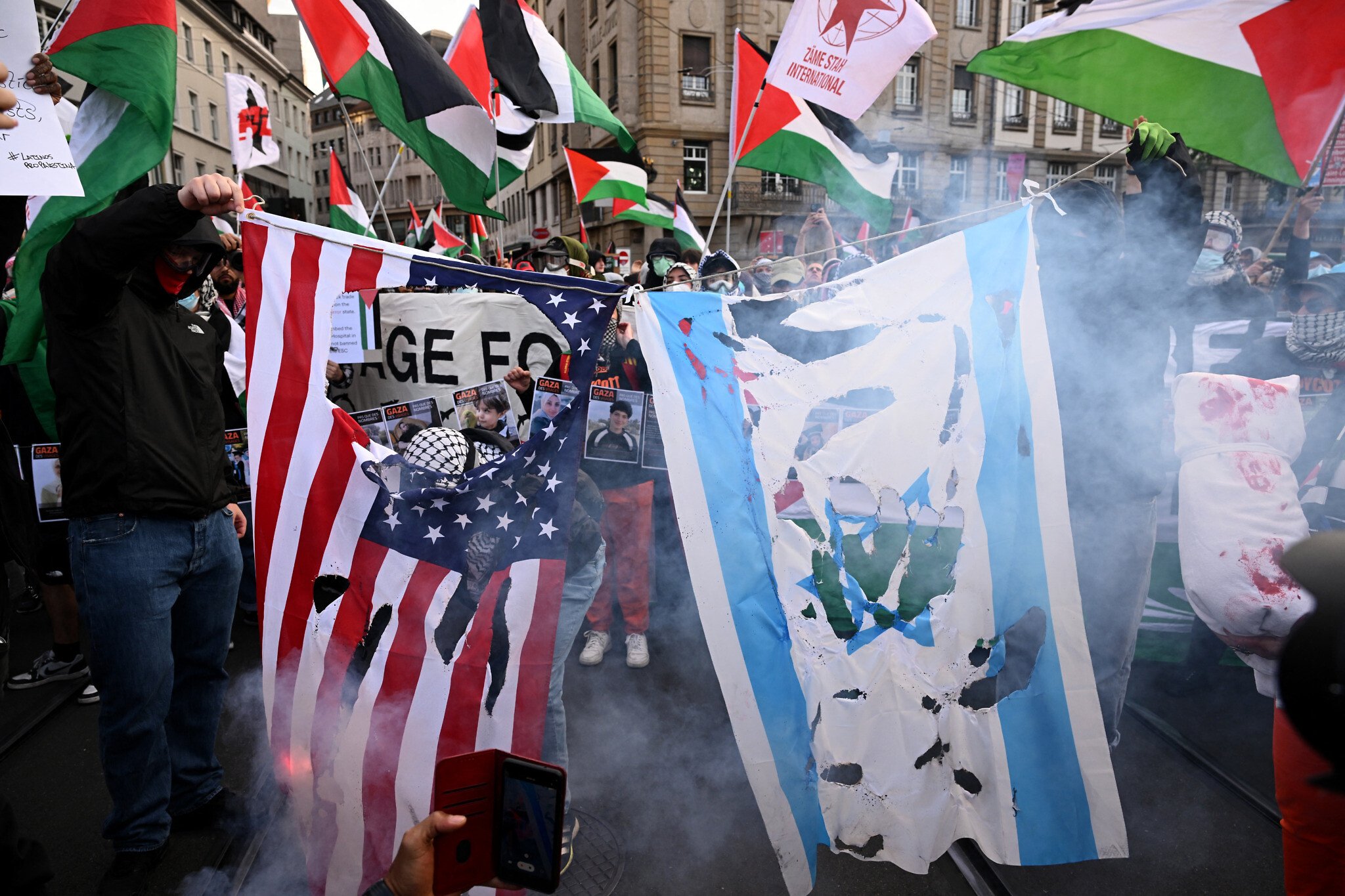
Addressing specifically fans from the five countries whose broadcasters withdrew, Green wrote that “all of us here respect their position and decision. We will continue to work with them as friends and colleagues in the hope they return to the Contest soon.”
In a separate statement issued last week, the EBU said it felt that “some of the attacks” on member states over their voting decisions at the general assembly “have been completely inaccurate and ill-informed.”
The EBU said that the debate over Israel’s inclusion and the slate of new reforms “was respectful and articulate. Members expressing their opinions were reflecting their own and their audience’s views on this difficult issue, not those of any political perspective or political party.”
The decision to keep Israel in the competition has sparked anger from many of the contest’s most devoted fans as well as some past participants. Last week, 2024 Eurovision winner Nemo said they were returning their trophy to the EBU in protest of the decision, and Ireland’s Charlie McGettigan, who won in 1994, said he would do the same.





The Times of Israel Community.