

37 armed Israelis failed to stop 3 terrorists from murdering 17 in Netiv Ha’asara
Most of the 25-strong local security team remained in their homes; soldiers, who quickly reached moshav, did not follow IDF’s combat protocols

 Add ToI as a Preferred Source on Google
Emanuel (Mannie) Fabian is The Times of Israel's military correspondent
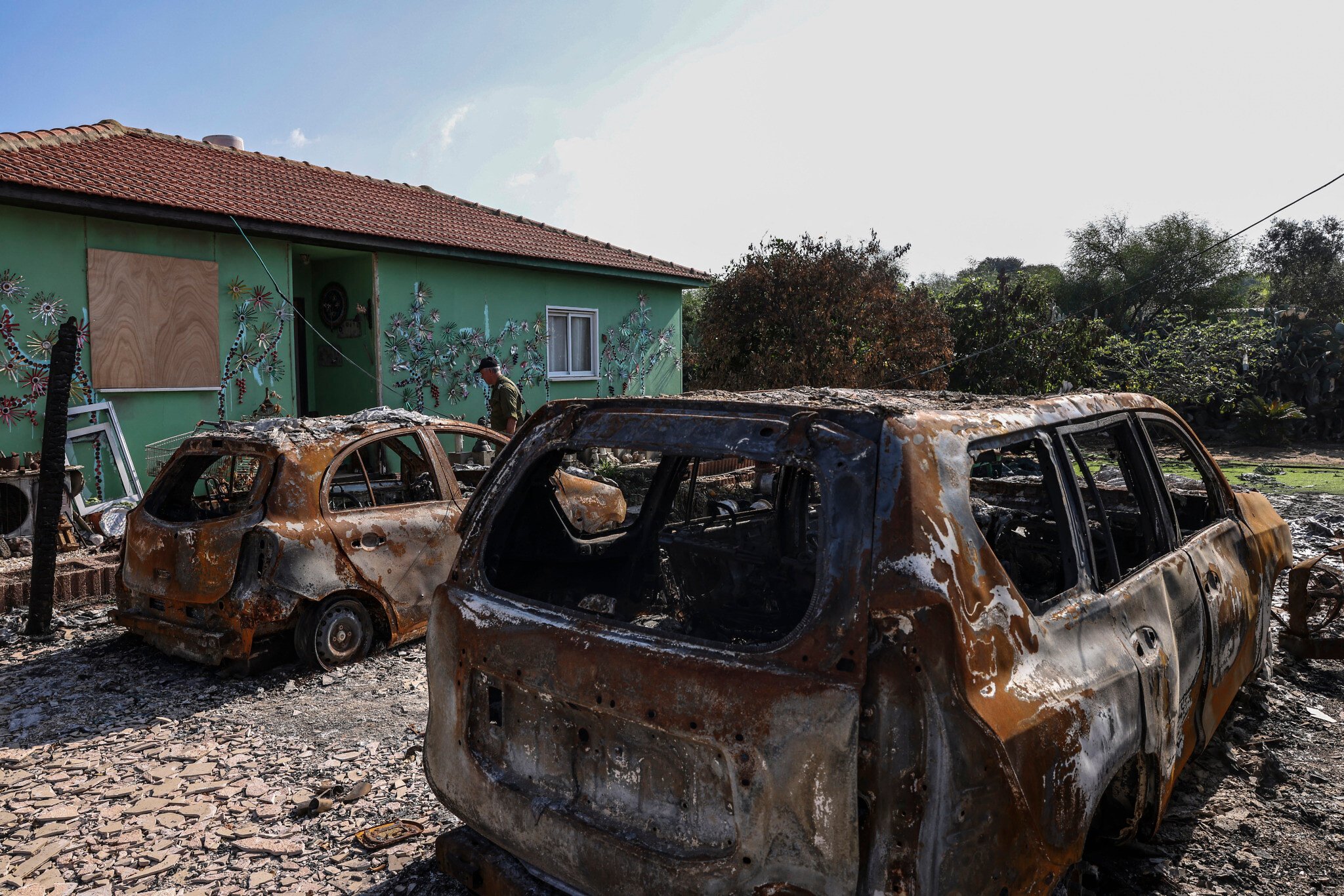
On the morning of October 7, 2023, three Hamas terrorists on paragliders invaded the unsuspecting Gaza border community of Moshav Netiv Ha’asara.
Despite the Israel Defense Forces being in complete disarray by the shock attack on dozens of towns and military posts, in this case troops reached the moshav relatively quickly.
However, the soldiers and commanders were unable to stop the terrorists from murdering 17 residents, including three members of the local security team.
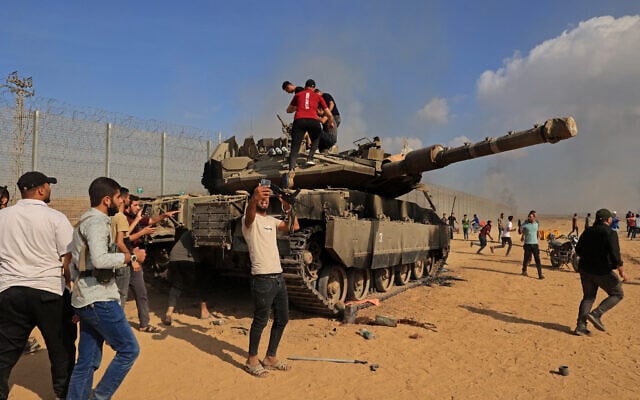
On Tuesday, the Israel Defense Forces presented its probe into the massacre and battle at the moshav — as part of its detailed investigations of some 40 battles that took place amid Hamas’s October 7 onslaught, during which some 5,600 terrorists stormed across the border, massacred some 1,200 people and took 251 hostages to Gaza.
The probe into what happened at Netiv Ha’asara, carried out by Col. Ivry Elbaz, the commander of the Negev Brigade, covers all aspects of the fighting in the moshav that day.
Elbaz and his team spent hundreds of hours investigating the onslaught and battle at Netiv Ha’asara. The IDF said they reviewed every possible source of information — residents’ WhatsApp messages, surveillance videos and interviews with survivors and those who fought to defend the kibbutz, and made visits to the scene.
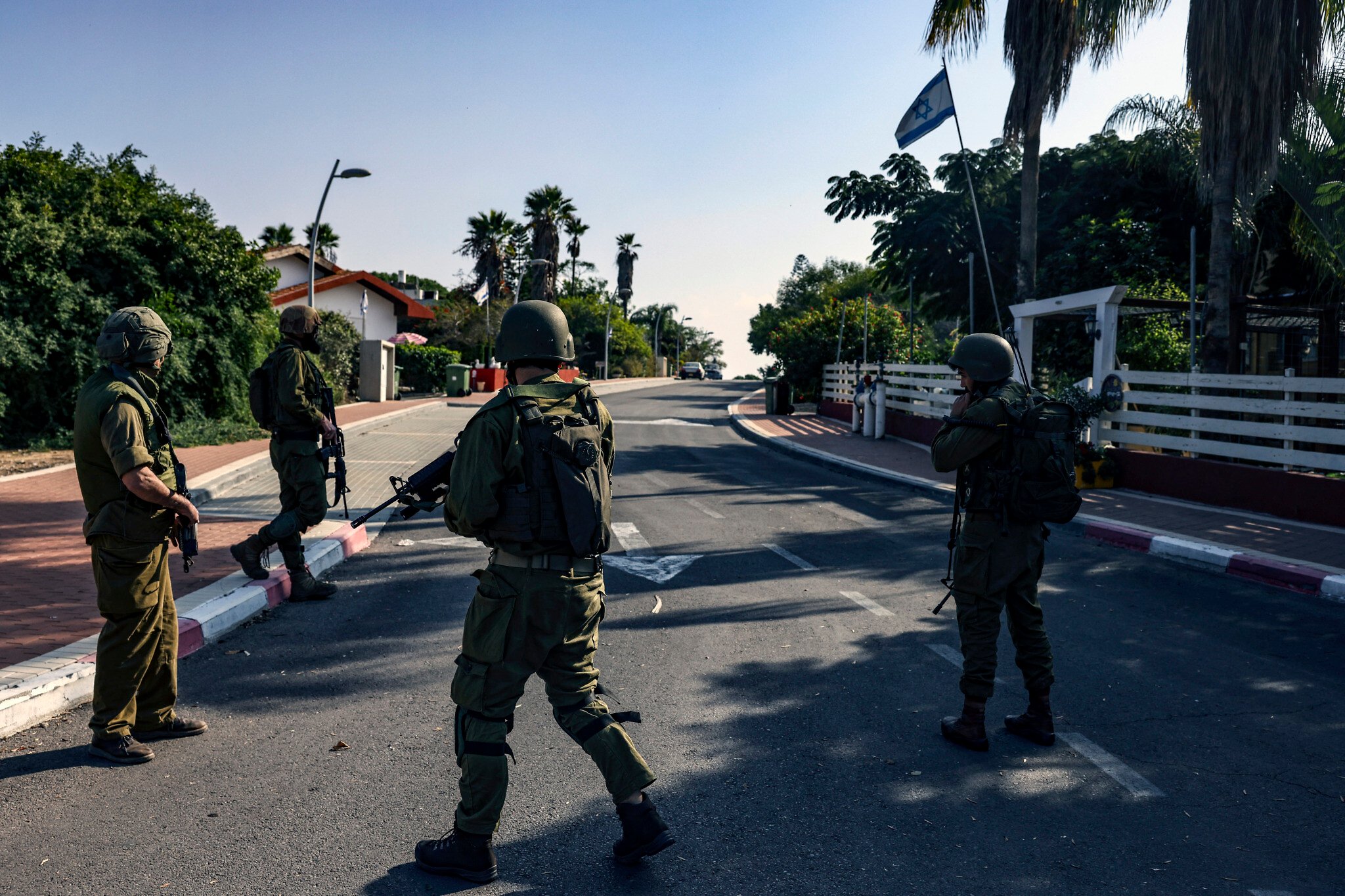
The Netiv Ha’asara probe was aimed at drawing specific operational conclusions for the military. It did not examine the wider picture of the military’s perception of Gaza and Hamas in recent years, which was covered in separate, larger investigations into the IDF’s intelligence and defenses.
The army is also not looking at policies set by the political leadership. That way, it avoids conflict with government leaders who have insisted such investigations must wait until after the war against Hamas ends.
The investigation team stated that “despite the presence of a large local security team and the rapid arrival of commanders to the moshav, the forces were unable to stop the murder spree. Few forces operated against the terrorists, despite there being many forces in the moshav.”
The investigation found that all of the troops who reached Netiv Ha’asara that morning did not operate according to the IDF’s combat techniques. This included failing to secure the area, which later allowed more Palestinians to infiltrate the community; and slow scans of the moshav, while the terrorists were murdering civilians.
Additionally, most of the members of the 25-strong local security team, who were trained and armed, remained in their homes amid the onslaught due to an order sent by the Netiv Ha’asara’s security coordinator. Despite the order, some members left their homes and fought the terrorists.
Of the three Hamas terrorists who invaded the community, only one was killed during the attack. The other two were killed in the Gaza Strip later in the war.
Later on October 7, seven more Palestinians infiltrated from Gaza and entered Netiv Ha’asara. Four were captured and the other three fled.
The timeline of the attack
At 5:30 a.m. on October 7, Israeli troops stationed in the area near Netiv Ha’asara took their stations along the Gaza border in a shift change. The Hamas onslaught began an hour later.
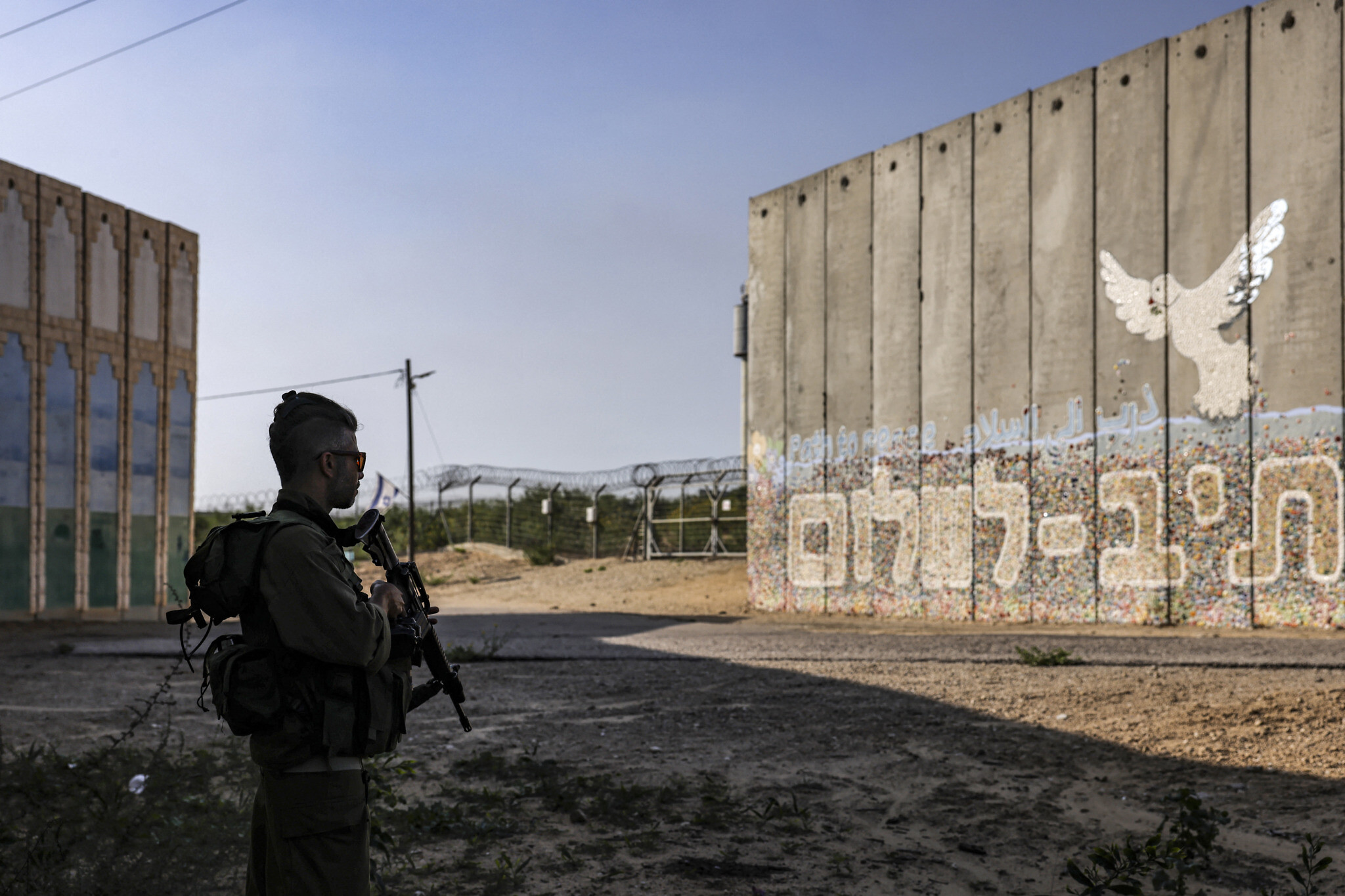
Amid an initial barrage of around 1,000 rockets — which began at 6:29 a.m. — largely aimed at Israeli military posts, three Hamas terrorists on three paragliders flew over the border fence and headed for Netiv Ha’asara.
At 6:34 a.m., four IDF troops stationed in the area began to move toward the community’s southern greenhouses. Meanwhile, at 6:37 a.m., a member of Netiv Ha’asara’s local security team spotted from his home two of the paragliders and opened fire on them, before notifying the rest of the team of what he saw.
Between 6:39 and 6:42 a.m., the three terrorists on paragliders landed in three different areas of the community and independently began to massacre civilians.
At 6:53 a.m., the moshav’s security coordinator sent a message on the team’s WhatsApp group calling on them to stick their guns out of their windows and defend their homes and their neighbors. The coordinator feared that if the local security officers would leave their homes, they could end up in incidents of “friendly fire” with IDF troops.
The investigation found that this message caused most of the local security officers to remain in their homes and not engage in the fighting.
At the same time, eight troops of the 7th Armored Brigade’s 77th Battalion arrived at the moshav. In all, there were now 37 armed personnel in Netiv Ha’asara, including the 25 local security team members.
At 7:07 a.m., one member of the local security team encountered one of the three terrorists and eliminated him.
The other two terrorists were continuing their murder spree, which would end by 8:10 a.m.
Between 8:12 and 8:15 a.m., some members of the local security team, joined by the IDF troops, encountered the other two terrorists and exchanged fire with them. During the shootout, one of the security officers was killed.
Following the exchange of fire, the two terrorists managed to flee toward Gaza, first hiding out in a grove near the moshav, before at 8:34 a.m. withdrawing to the Strip.
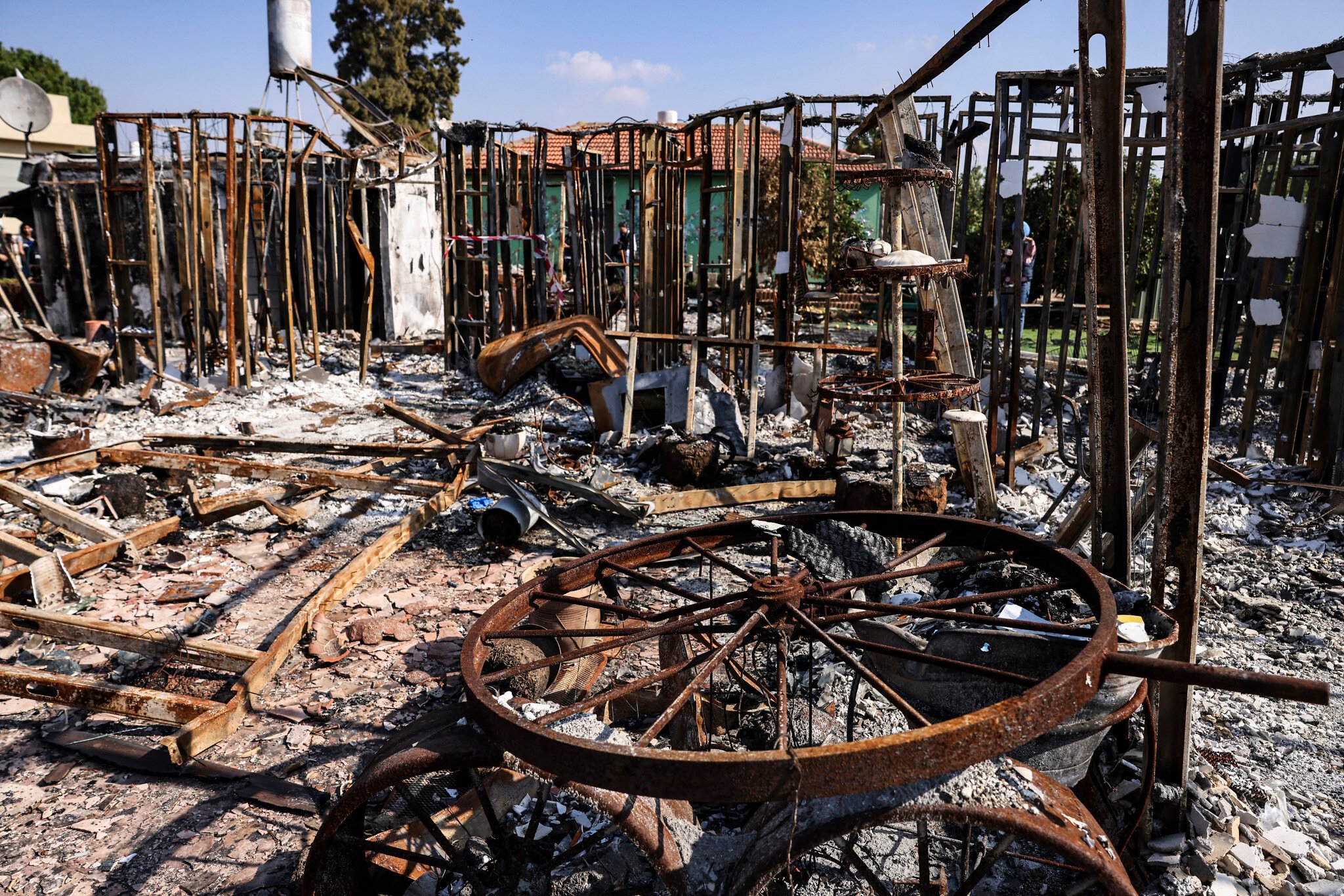
At 9:20 a.m., the security officers and IDF troops carried out scans in the community, searching for possible additional terrorists, while evacuating wounded civilians.
At 11:30 a.m., another group of soldiers reached the community and joined the other forces carrying out scans.
Between 12:14 and 12:47 p.m., seven Palestinians from the Gaza Strip, who were not affiliated with any terror group, infiltrated into Netiv Ha’asara.
Some of the seven broke into the home of a resident, who in response opened fire and wounded one.
Four were captured by troops and the other three managed to flee back to Gaza.
Between 1 p.m. and 5 p.m., troops continued to scan the community, and by 5:15 p.m., the IDF began to evacuate civilians. Many of the civilians later evacuated independently after the IDF established full control over the area.
By 10:30 p.m., all civilians had evacuated, and the bodies of the murdered were removed.







The Times of Israel Community.