

AG: Government not required to hold referendum or Knesset vote on Lebanon deal
Attorney general writes in a legal opinion on deal that Israel’s Basic Law for a referendum on conceding territory does not apply to the waters under dispute with Lebanon
 Add ToI as a Preferred Source on Google
Jeremy Sharon is The Times of Israel’s legal affairs and settlements reporter

Attorney General Gali Baharav-Miara has written an opinion revealed Wednesday stating that the current outgoing government is legally entitled to sign the maritime border agreement with Lebanon, despite the proximity of elections and the fact that it is an interim government.
She also wrote that although it would be preferable for the government to allow the Knesset the right to approve or reject the deal, it was under no legal obligation to do so, and could suffice in merely providing the Knesset with the details of the agreement.
On Wednesday morning, the High Court of Justice rejected a request by the Lavi lobbying organization to issue an injunction against the government to prevent it from signing such an agreement given the short period of time before the elections scheduled for November 1.
Israel announced on Tuesday morning that it had reached a “historic” agreement with Lebanon over the maritime border between the two countries in gas-rich Mediterranean waters.
Prime Minister Yair Lapid said the deal would “strengthen Israel’s security, inject billions into Israel’s economy, and ensure the stability of our northern border.”
The premier will convene the security cabinet on Wednesday, followed by a special meeting of the full cabinet to approve the agreement, the Foreign Ministry said.
Opposition lawmakers — along with Interior Minister Ayelet Shaked, who has expressed her desire to join a future government with many of the opposition parties — have insisted that the maritime deal should not go through while an interim government is in power and should be brought before the Knesset, which is not currently in session.

In her lengthy written opinion, Baharav-Miara wrote that there were three central considerations when determining whether the government could commit Israel to such an agreement under the current political circumstances.
These are namely the fact that the outgoing government is an interim government, and that the country is less than a month away from a general election; whether the Basic Law: Referendum requires a referendum, since the maritime deal involves the concession of part of Israel’s economic and even a small amount of Israel’s territorial waters; and what the process should be for approving the agreement.
“There are many difficulties in signing such an agreement during an election period,” wrote Baharav-Miara in her opinion, first disclosed by the Globes news website on Wednesday.
She noted that the “sharp public dispute over the maritime deal, referring to the severe criticism of the deal expressed by the opposition and the fact that any agreement signed now would obligate future governments to abide by it.
“Alongside this, there are hefty security and diplomatic considerations regarding the urgency and necessity of taking advantage of the window of opportunity to sign the agreement, which tip the scales in favor of the absence of a legal impediment to signing the agreement even at this time,” she wrote.
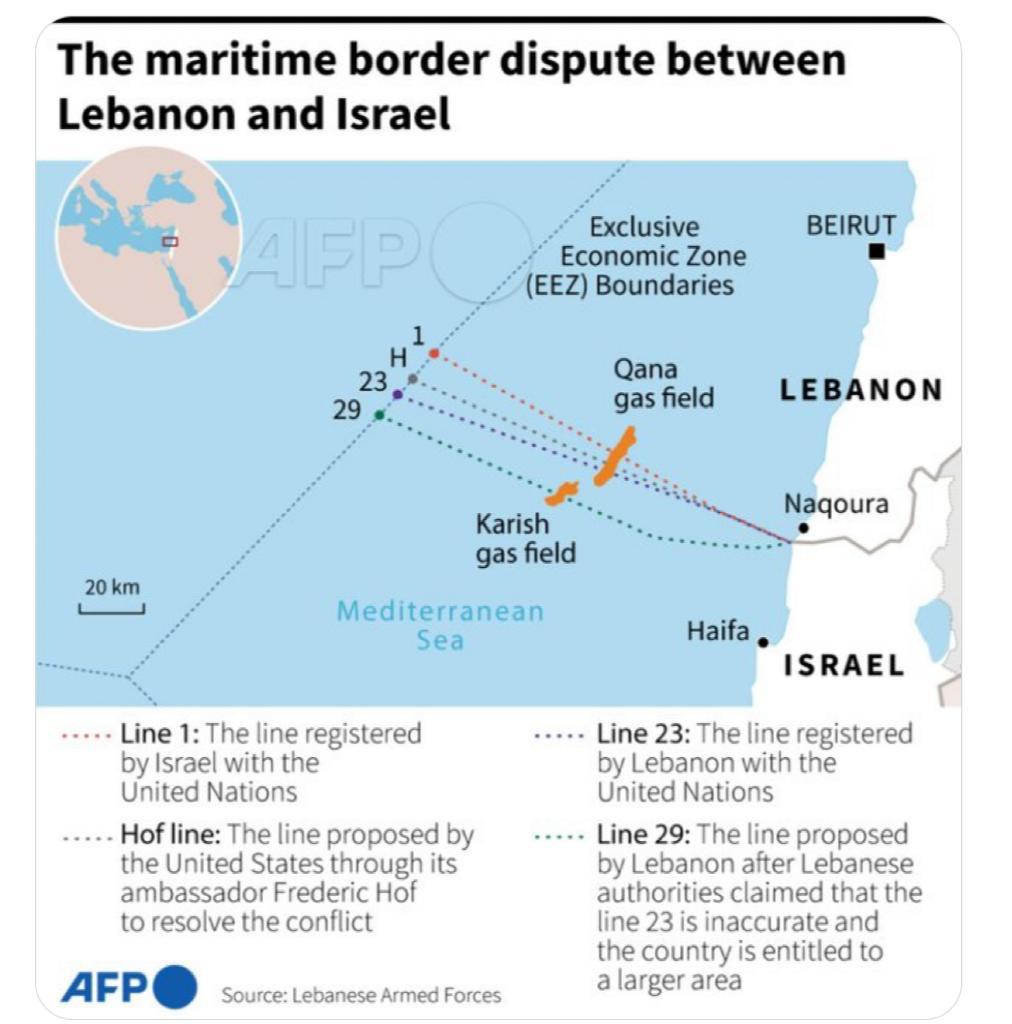
The attorney general also opined that the 2014 law requiring a referendum when conceding territory to another country does not apply to the waters, economic or territorial, that will be conceded to Lebanon.
She wrote that the state’s determination of the northern maritime border in 2011 had not been intended to establish Israel’s sovereign borders, but to preserve Israel’s claims in the international arena in the face of steps taken by Lebanon prior to this time. She also noted that Israel had over the last decade been open to negotiations for determining a maritime border over the area concerned.
“Therefore, the area under dispute should not be seen as one in which Israel has imposed its law, jurisdiction, and administration, as laid out in the Basic Law, since, in practice, the northern maritime borders of Israel’s territorial and economic waters will be determined for the first time in the framework of the [current] agreement itself,” she noted.
In reference to the process for signing the accord, Baharav-Miara wrote that there was no obligation to bring the agreement to the Knesset for its approval, but that it would be preferable to do so.
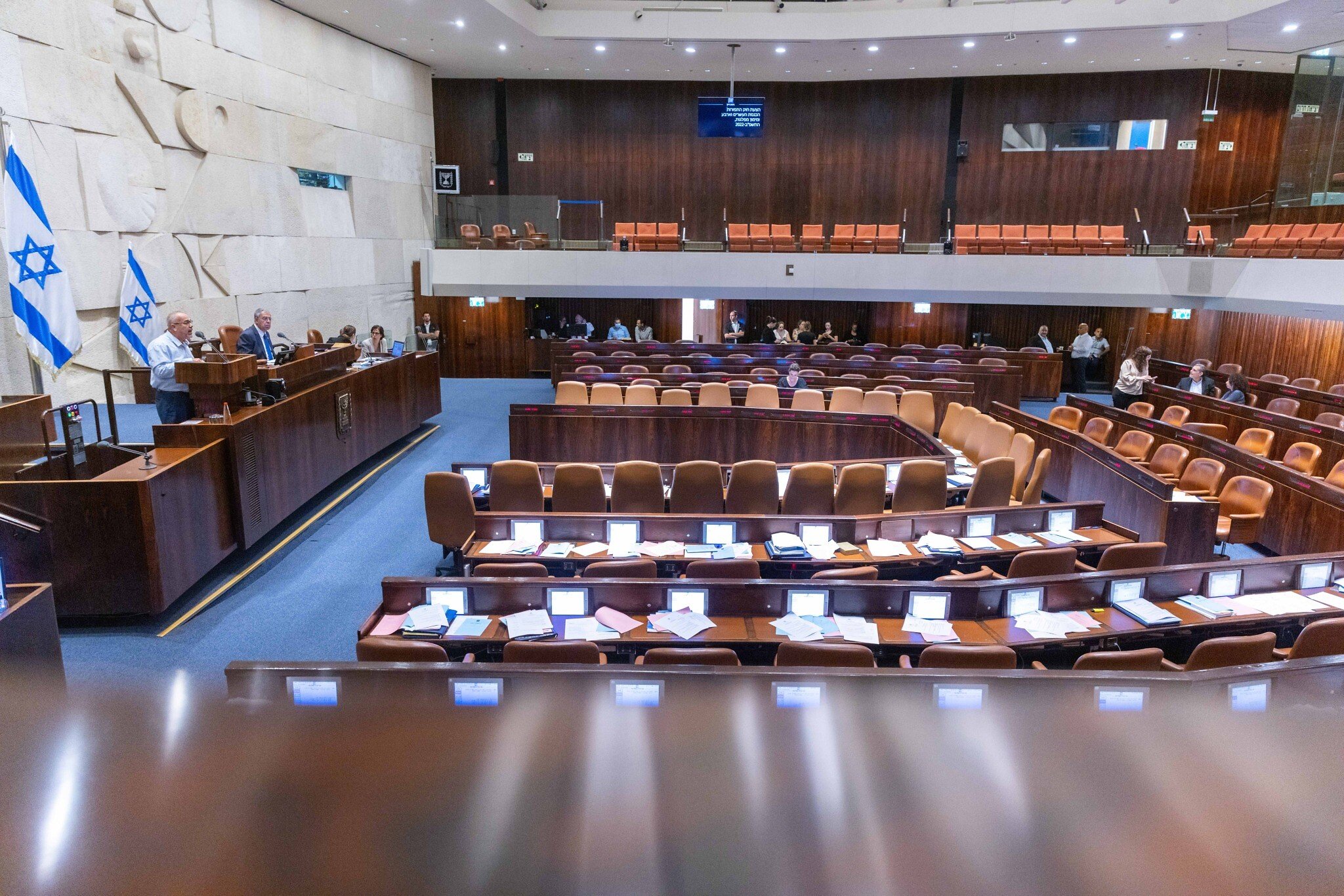
“At the same time, and in light of the special character of the agreement and the proximity to the elections, bringing the agreement to the Knesset for approval is the preferred and appropriate option in light of election laws,” she wrote.
“However, there is no legal obstacle to [simply] bringing the agreement to the attention of the Knesset for a two-week period.”
The government itself is however entitled to make the decision as to whether to allow the Knesset to approve the deal or merely provide the Knesset with the details of the agreement, she said.










The Times of Israel Community.