

AG won’t defend reasonableness law at High Court, lets Levin enlist outside counsel
Gali Baharav-Miara tells justice minister there are major differences between her position and the government’s on the legislation; is expected to recommend the court overturn it
 Add ToI as a Preferred Source on Google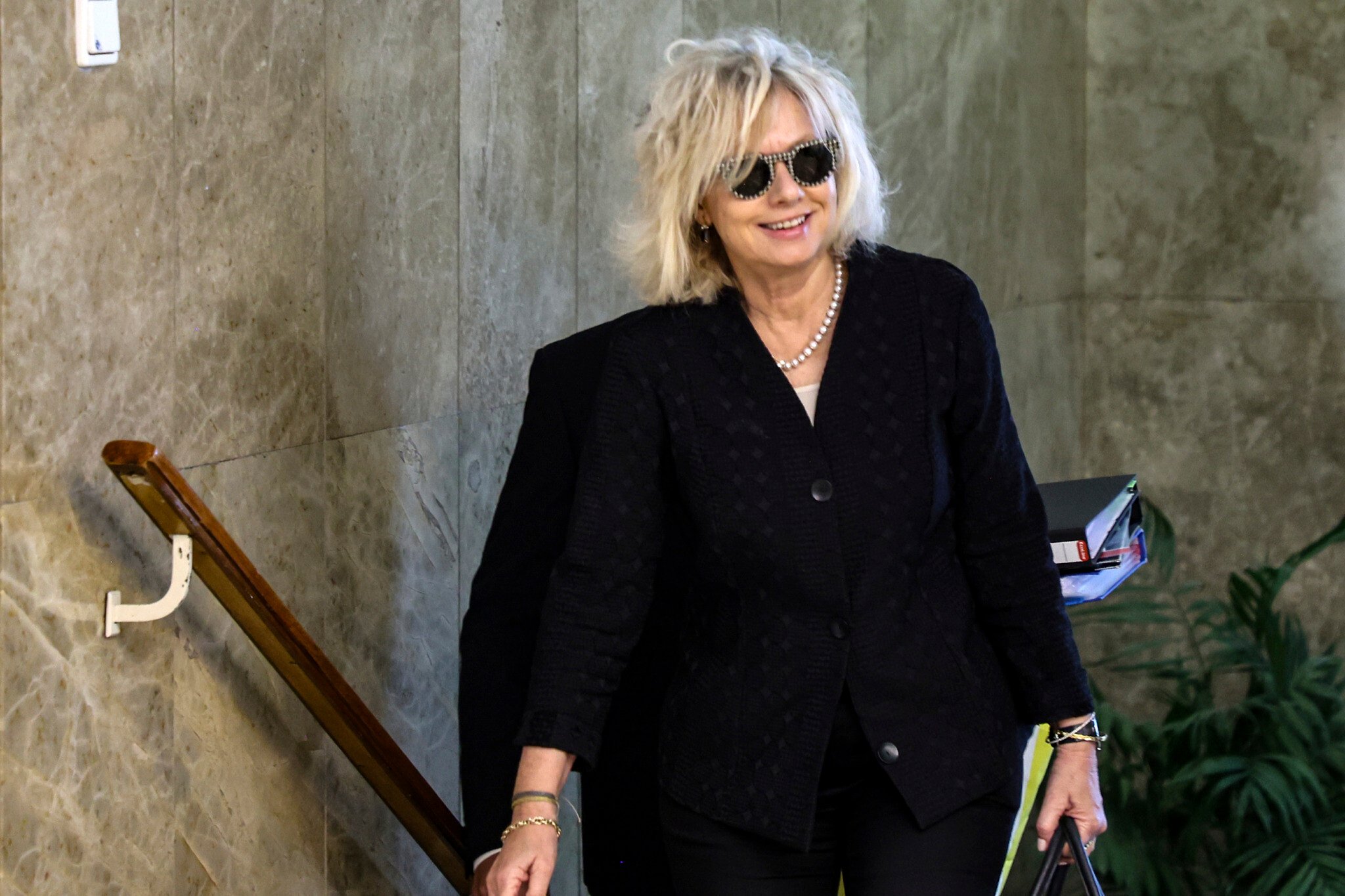
Ahead of a High Court hearing on petitions against the so-called “reasonableness law,” Attorney General Gali Baharav-Miara told Justice Minister Yariv Levin on Wednesday that she will not defend the legislation in court and authorized him to enlist outside counsel.
Baharav-Miara’s decision followed disagreements between her and the government over the law, passed by the Knesset on July 24 despite intense opposition and months of popular protests. She is expected to recommend the court strike down the legislation, which one of her deputies last month called “extreme” and warned poses “very severe harm” and “multi-system damage.”
The attorney general, who has frequently been at loggerheads with the government and faced calls for her firing, has expressed her opposition to other legislation before the High Court of Justice, including asking the judges to strike down a law barring the court from potentially ordering Prime Minister Benjamin Netanyahu to recuse himself amid his ongoing criminal trial.
In a statement sent out on her behalf by the Justice Ministry, Baharav-Miara informed Levin that due to “the apparent difference in views” between them, the government could seek alternative legal representation.
“The attorney general’s decision is based on the exceptional nature of events, in view of the fact that the petitions deal with precedent-setting and particularly sensitive constitutional issues,” the statement added.
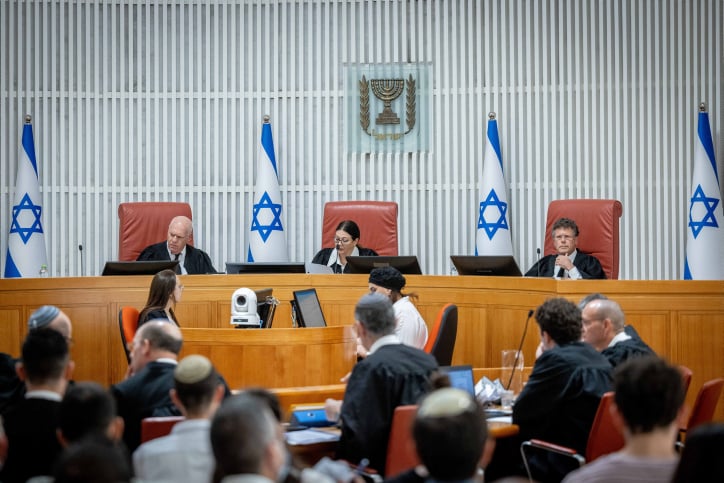
The legislation, an amendment to Basic Law: The Judiciary, prohibits all courts, including the Supreme Court, from using the judicial yardstick of “reasonableness” to review and potentially reverse government and ministerial decisions. It was the first major law passed in the government’s far-reaching judicial overhaul plans.
Levin tapped Ilan Bombach, a lawyer who has represented the Likud party in the past and was vice chairman of the Central Elections Committee in 2022, as outside counsel in the case.
“The possibility that the High Court will strike down a Basic Law is unthinkable. They utterly don’t have the authority,” Bombach told Channel 12 news after Baharav-Miara’s announcement. “Even those firmly opposed to the judicial reform cannot agree to the High Court taking upon itself the authority to invalidate a Basic Law.”
The court has indeed never before struck down a Basic Law, but it has also never before faced such a law passed under such controversial circumstances and facing such intense public opposition.
The coalition argued that the amendment was critical to restrain what it sees as an overly activist court interfering in government decisions, while opponents argued the reasonableness standard is a key tool for protecting certain rights and the independence of law enforcement officials.
The amendment was approved by the Knesset with a majority of 64-0, since the vote was boycotted by all opposition MKs.

A hearing on the law will be held in the High Court of Justice on September 12 with a panel unprecedented in size that will comprise all 15 Supreme Court justices. Last week, the High Court issued a procedural injunction against the law, requiring the government to explain why it believes the petitions against it should be struck down by the court. The court stressed the move was for “purposes of efficiency alone” and did not reflect its position.
Nullifying the quasi-constitutional Basic Law would be an unprecedented exercise of judicial review over the Knesset’s constituent authority. Prime Minister Benjamin Netanyahu has refused to say whether his government would abide by such a ruling.







The Times of Israel Community.