

‘An exchange of ideas,’ not an effort at persuasion: Inside Netanyahu’s Oval Office meeting with Trump
Israeli official says PM refrained from advocating for striking Iran, which he did in previous meeting, but won’t wait for a green light if Iran attacks Israel; also insists premier and US president are like a ‘married couple’ who ‘finish each other’s sentences’

 Add ToI as a Preferred Source on Google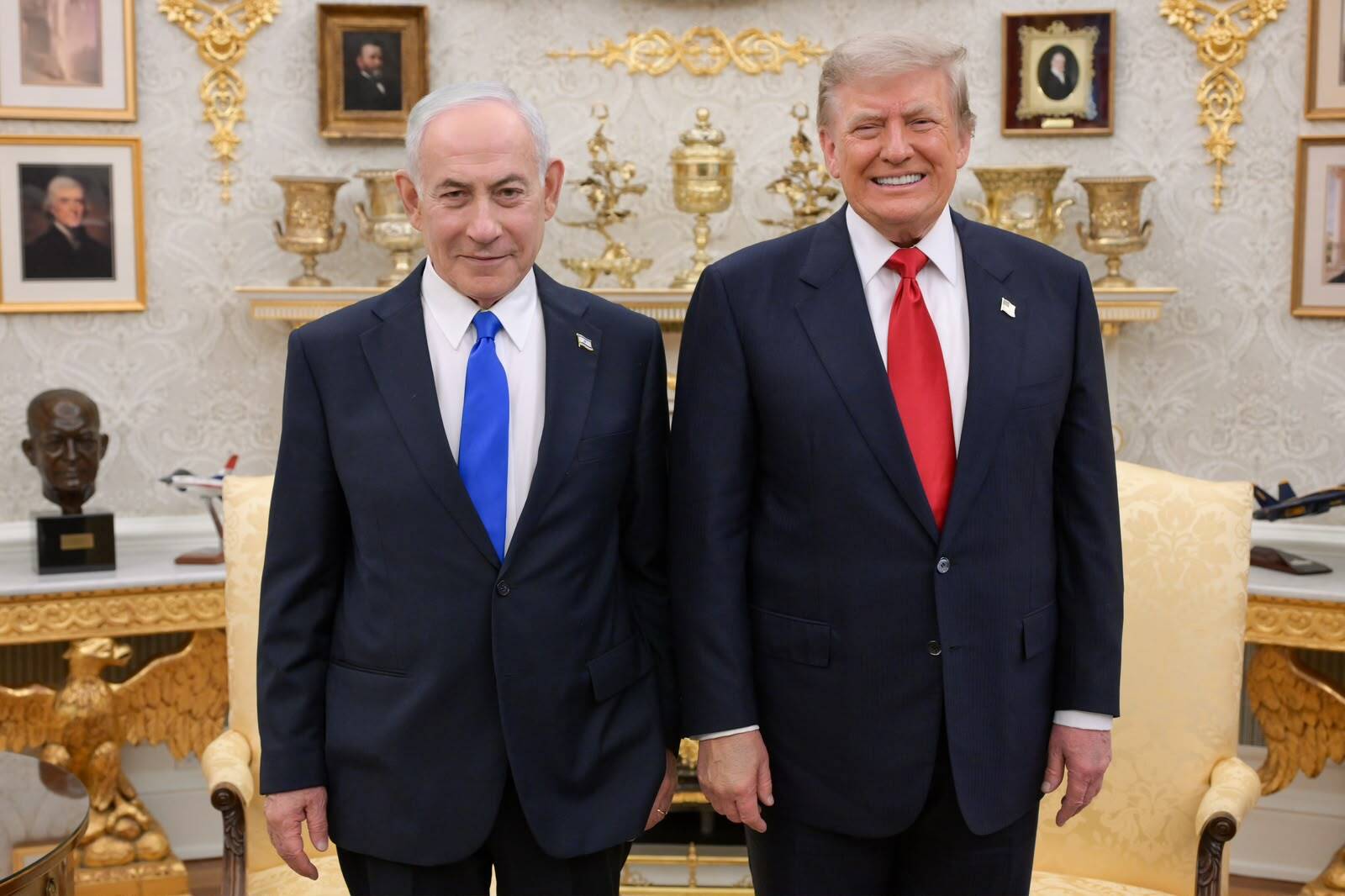
WASHINGTON — Prime Minister Benjamin Netanyahu did not push any particular strategy regarding Iran during his Oval Office meeting with US President Donald Trump on Tuesday, according to a senior Israeli official, who characterized the sit-down as an “exchange of ideas” regarding the three main scenarios before them.
The first scenario would be a diplomatic agreement with Iran. The second would be a murkier situation where there is no deal, but the US continues trying to pressure Iran through economic sanctions and a blockade of its ports. The third would be the option of launching a major new offensive against the Islamic Republic, the senior Israeli official explained during a briefing Wednesday with Israeli reporters in Washington.
“We talked about each of these options extensively and honestly — not in an attempt to promote one over the other, but to really examine which might lead to the most desirable outcome,” the senior Israeli official said.
The official sought to dispel the notion that Netanyahu visited Washington to convince Trump to resume strikes against Iran, as was widely reported to have been the case during his last trip in February when, weeks before the start of the war, he made a high-stakes case in the Situation Room for why the US should join Israel in striking Iran.
Trump got on board with that plan, but many of the predictions Netanyahu made at the time about how smoothly the campaign would go did not pan out. The US and Iran signed a memorandum of understanding last month meant to halt the war, but the MOU largely focused on reopening the Strait of Hormuz rather than any concrete concessions from Iran pertaining to its nuclear program, which has been the major point of contention in recent decades between Iran and the US.
That MOU has since unraveled due to continued disagreements over Hormuz, and Trump is once again considering a major US attack against Iran.
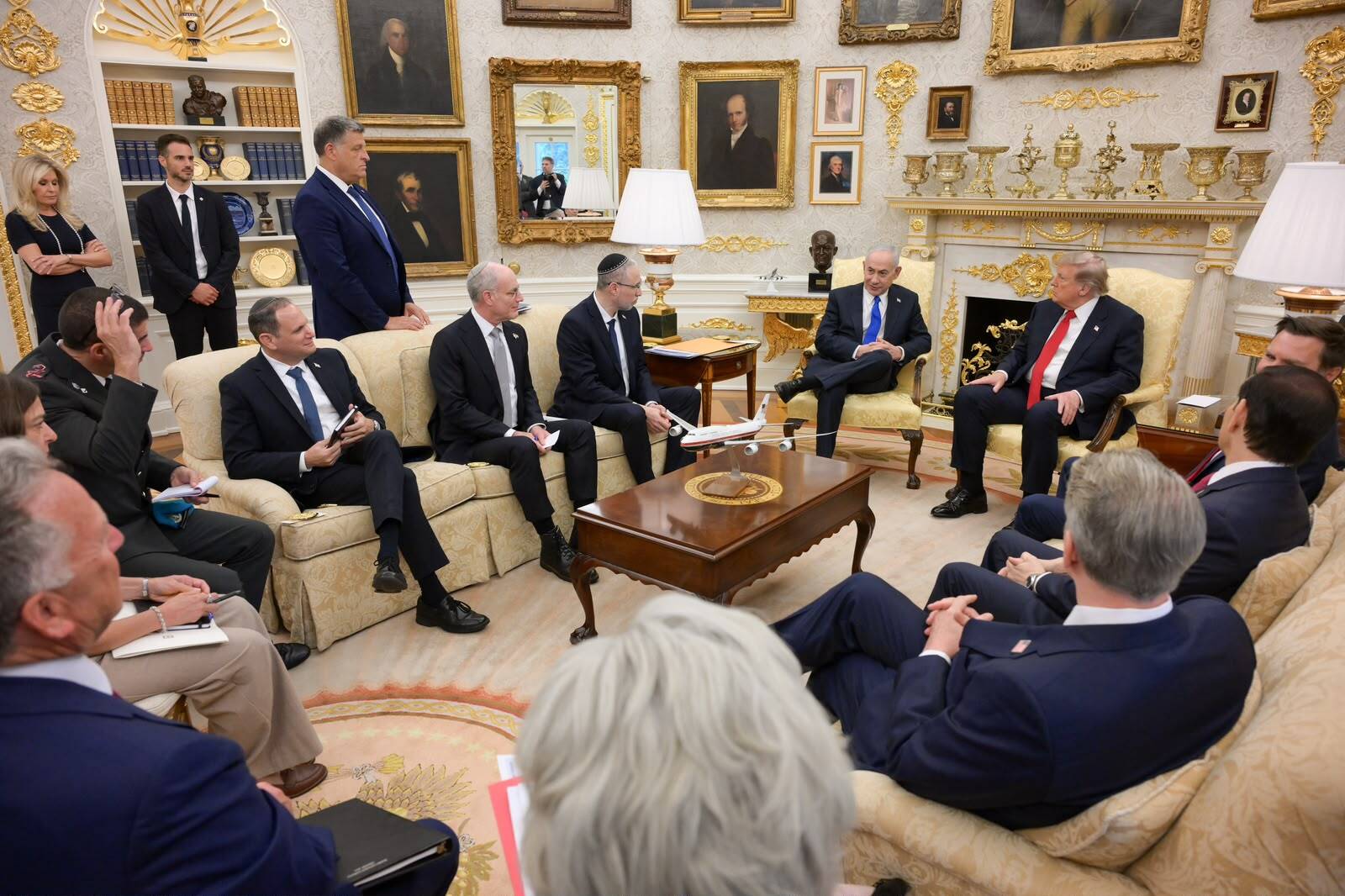
This time around, Netanyahu did not tell Trump which of the three scenarios he preferred, although the premier did acknowledge doubts regarding the likelihood of Iran upholding any agreement it signs, the senior Israeli official said.
Regardless, the two leaders discussed all three scenarios in detail, laying out the advantages and disadvantages of each in achieving their mutual goal of preventing a nuclear Iran, the senior Israeli official recalled.
While the official acknowledged that the final decision on how to proceed is Trump’s, he said Netanyahu would not wait for an American green light if Iran decides to attack Israel first.
The official suspected that Iran has refrained from doing so to date because it knows that the Israeli response would be overwhelming and because Jerusalem has achieved a degree of deterrence against Tehran.
Upping economic pressure on a weakened regime
During the Tuesday meeting, Trump expressed concern over the war’s impact on energy markets and the global economy, the senior Israeli official said, adding that Netanyahu recognized that addressing those issues can be at odds with squeezing Iran.
Iran’s obstruction of the Strait of Hormuz, a key pathway for the global supply of oil and gas, has sent energy prices soaring shortly before the US midterm elections in November.
However, Netanyahu maintained that the Strait of Hormuz is Iran’s last remaining point of leverage and that the US should not allow Tehran to exploit it to secure concessions from Washington.
The prime minister insisted to Trump that it was still possible to further intensify economic pressure against Iran without bringing down the global economy, the official said.

The two leaders “discussed (during their Tuesday meeting) additional economic pressure (against Iran) through kinetic and non-kinetic means,” the senior Israeli official said.
The official claimed that while Iran appears to have withstood the worst of what the US and Israel were able to throw at it over the last four months, the regime is now much weaker than it seems and is facing unprecedented economic turmoil and even a renewal of small protests against it.
“The regime is very afraid of the possibility that the public will take to the streets over the economic situation,” the official added, pointing to what he said is a 90% inflation rate in Iran. An economic crisis in Iran earlier this year led to mass protests and a bloody regime crackdown in the lead-up to the war.
Regime change seen as unrealistic
While Netanyahu in the early days of the war spoke about regime change as a very realistic possibility, the senior Israeli official appeared to acknowledge that it would not happen organically under the current conditions, in which protesters are not armed.
The official pointed to Iran’s recent executions of dissidents, arguing that they demonstrated the stress that the regime is under.
The official said Iran still has around 1,500 ballistic missiles — down substantially from the many thousands it had before the war — and now lacks the manufacturing capabilities to produce new ones. The missile program has been pushed back by a few good years, the official said, falling short of Netanyahu and Trump’s initial pledges to destroy the program completely.
A May report in the Washington Post, after the initial ceasefire in the war, said that Iran retained over 70% of its prewar mobile launcher and missile inventory.
The Israeli official denied reports that Netanyahu had planned to present Trump with intelligence about Iranian activity at the Pickaxe Mountain nuclear site, explaining that such information could easily be passed through intelligence channels.
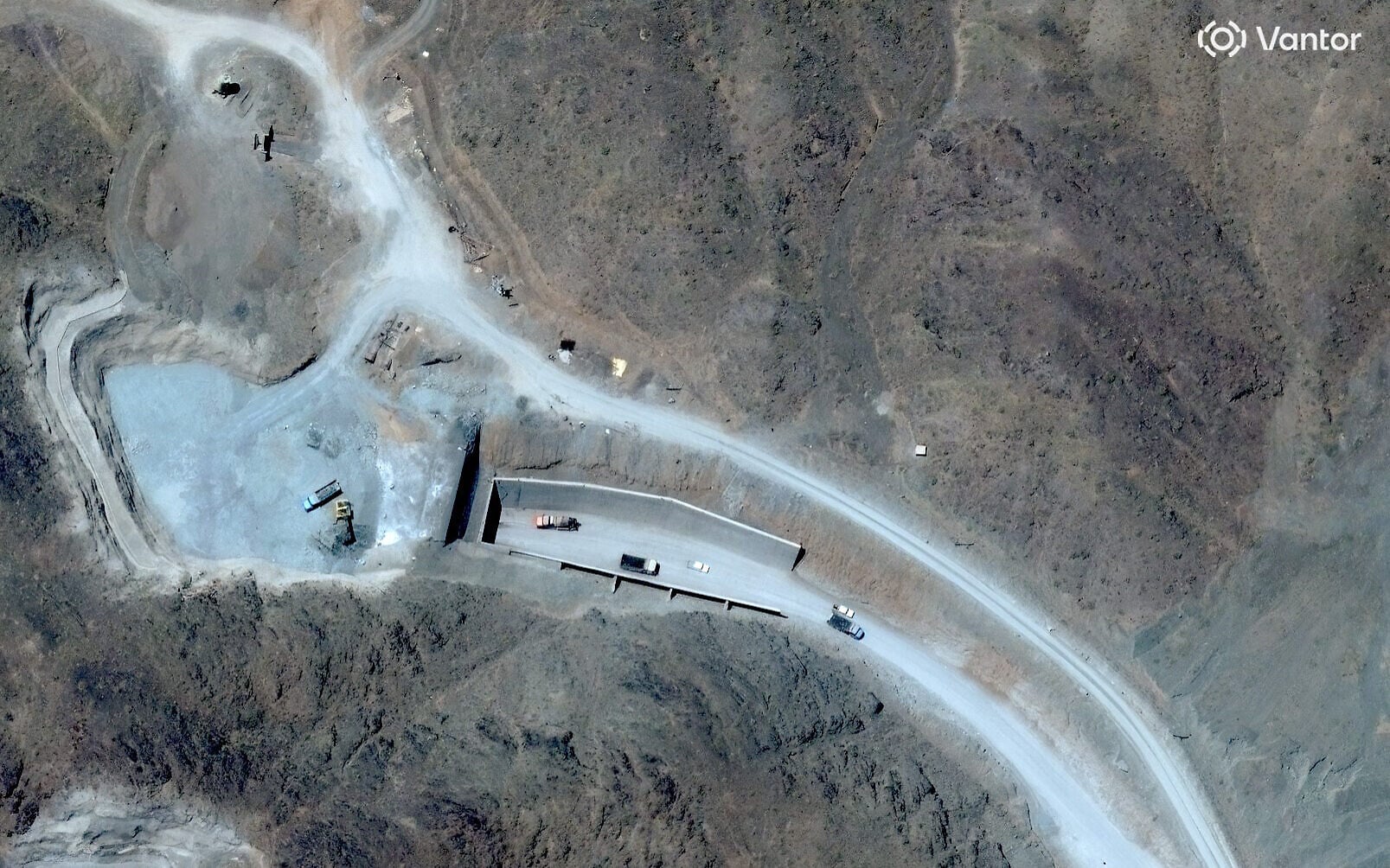
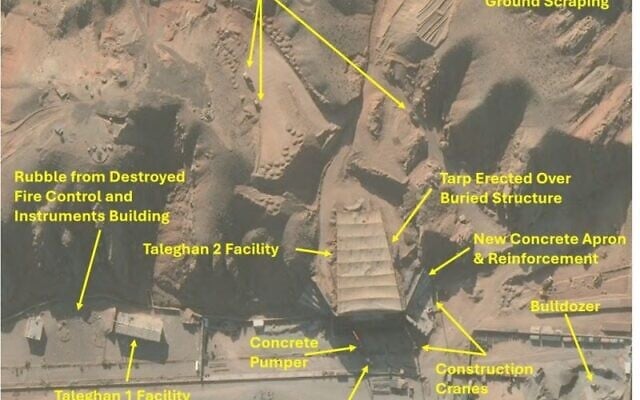
While there are uranium enrichment centrifuges at Pickaxe, no enrichment is actually taking place there, the senior official said, echoing Trump’s assurances that the site is constantly being monitored. The UN’s nuclear watchdog has said it has never been granted access to the site, and it has no cameras there.
For now, Iran has held off on rushing toward a bomb because it fears that doing so will place its limited remaining nuclear capabilities at risk, the senior Israeli official asserted.
The official said there are fractures in the regime, though not between pragmatists and hardliners as US Vice President JD Vance has described, but rather between “those who fear more and those who fear less.”
Those in the former camp are worried about an internal uprising sparked by economic collapse, while those in the latter believe there is less to worry about because the regime is the only party in Iran with weapons, the senior official said.
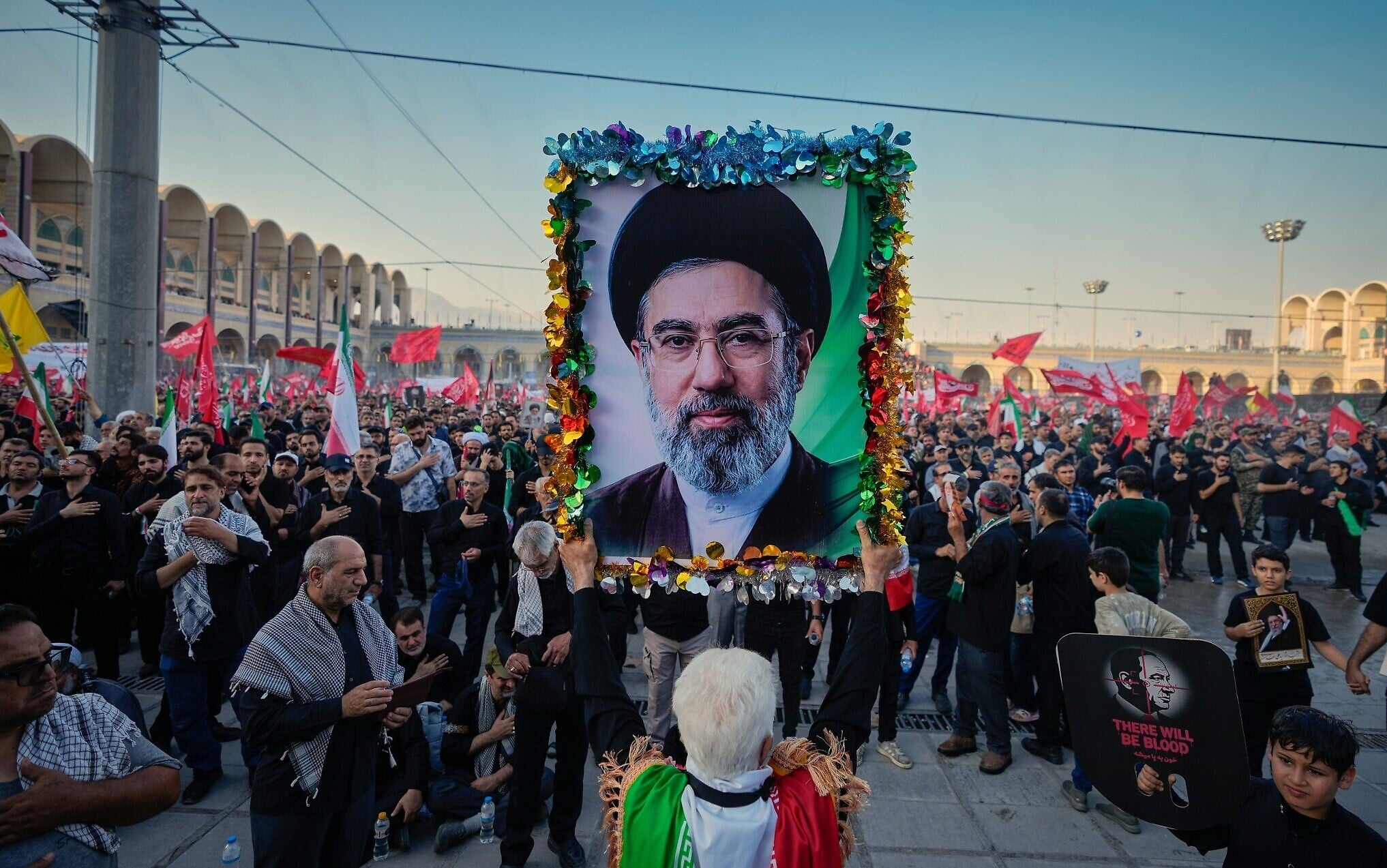
The senior Israeli official lamented that Iran’s new Supreme Leader Mojtaba Khamenei has taken a “very negative line on every issue,” suggesting the ayatollah is among those who are less worried about the country’s current situation.
However, the senior Israeli official said it was not clear whether all of the orders attributed to Khamenei actually come from him, given that very few people have actually seen him since he was seriously wounded in the war’s opening strike that killed his father and predecessor, as well as other members of his family.
Using visuals to dispel Trump’s assumptions
While the bulk of their 90-minute Oval Office meeting focused on Iran, Netanyahu did raise the issue of Israel’s presence in Syria, amid Trump’s private demands that the IDF withdraw from the country and from neighboring Lebanon.
Trump “has certain assumptions that if you don’t find a way to change them, they become fixed. So you have to show [him the] facts — preferably in a visual manner. Such presentations have a cumulative weight against the things he hears from other sources,” the senior Israeli official said.
Accordingly, Netanyahu showed Trump a map during their meeting that showed the parts of Syria occupied by Turkey and Israel, the official said, claiming that the Turkish-held area comprises 5% of the country, while the IDF-controlled area comprises just 0.1% of the country.
Turkey’s control of territory is with the approval of the Syrian government, while Israel’s is not.
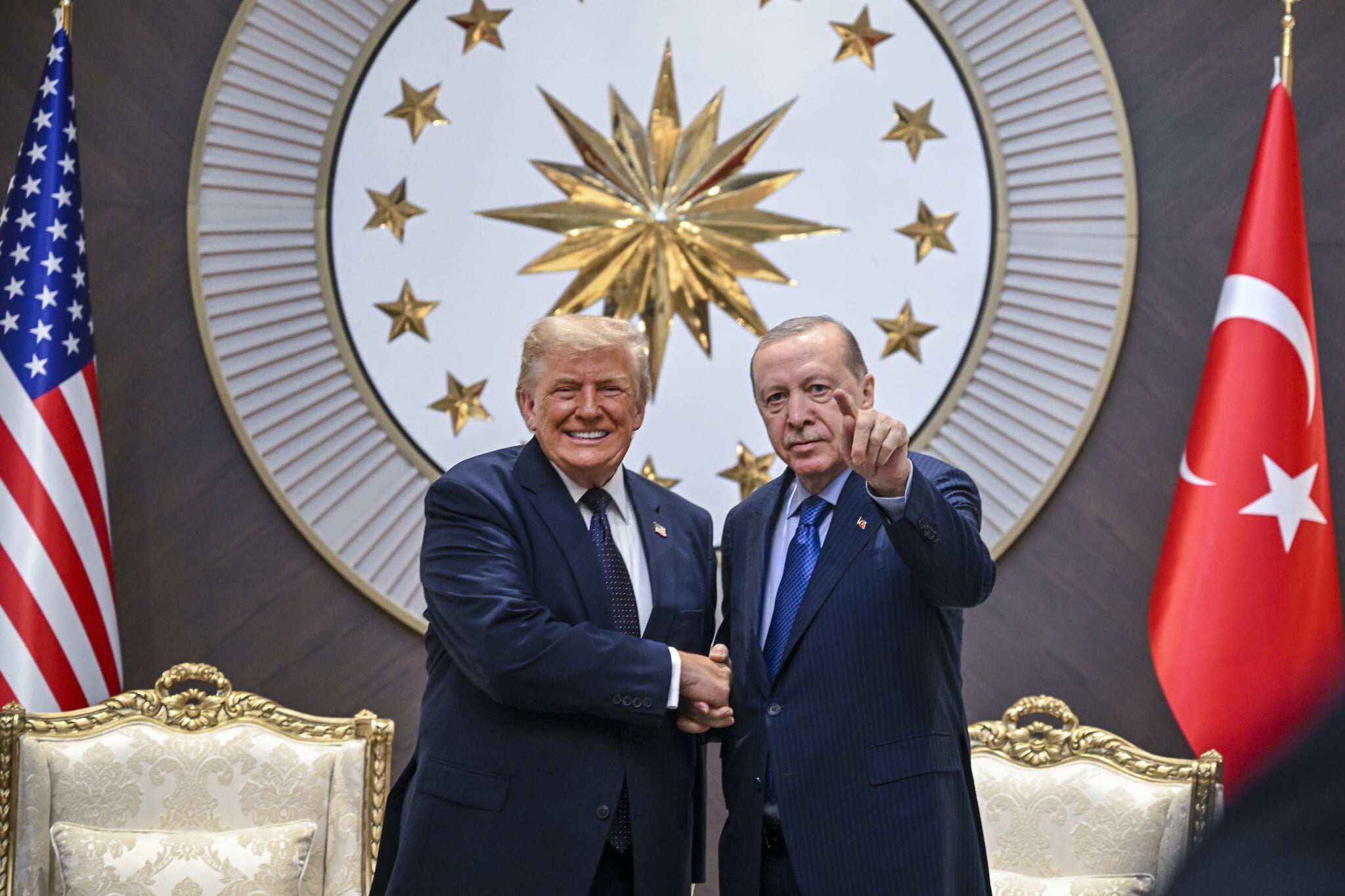
The senior Israeli official said Netanyahu’s ties with Turkish President Recep Tayyip Erdogan — or lack thereof — came up during the meeting, with the premier telling Trump that Erdogan is seeking to restore the Ottoman Empire and again raising his objection to the sale of F-35 fighter jets to Ankara.
Turkish-Israeli relations, long under strain, have collapsed since the Hamas-led October 7, 2023, onslaught and subsequent war in Gaza. Turkey has hosted Hamas leaders and is seen by some in Israel as a growing regional threat.
Trump didn’t take well to Netanyahu’s public messaging against the sale of the fighter jets — which he has indicated he is inclined to authorize — telling reporters the day before the meeting that nobody can tell him who to sell weapons to.
As for Israel’s six-mile-wide buffer zone in southern Lebanon, Trump didn’t demand that the IDF withdraw further after Netanyahu explained that the troops are there to protect towns across the border, the senior official claimed.
The IDF withdrew from one so-called “pilot zone” in Lebanon earlier this month and was replaced by members of the Lebanese Armed Forces, who are tasked with advancing the disarmament of Hezbollah.
However, the State Department said on Monday that it is looking to establish additional pilot zones in southern Lebanon and that the issue will be discussed in the next round of US-brokered talks between Israel and Lebanon in Rome next week. Israel has rejected additional withdrawals before then.
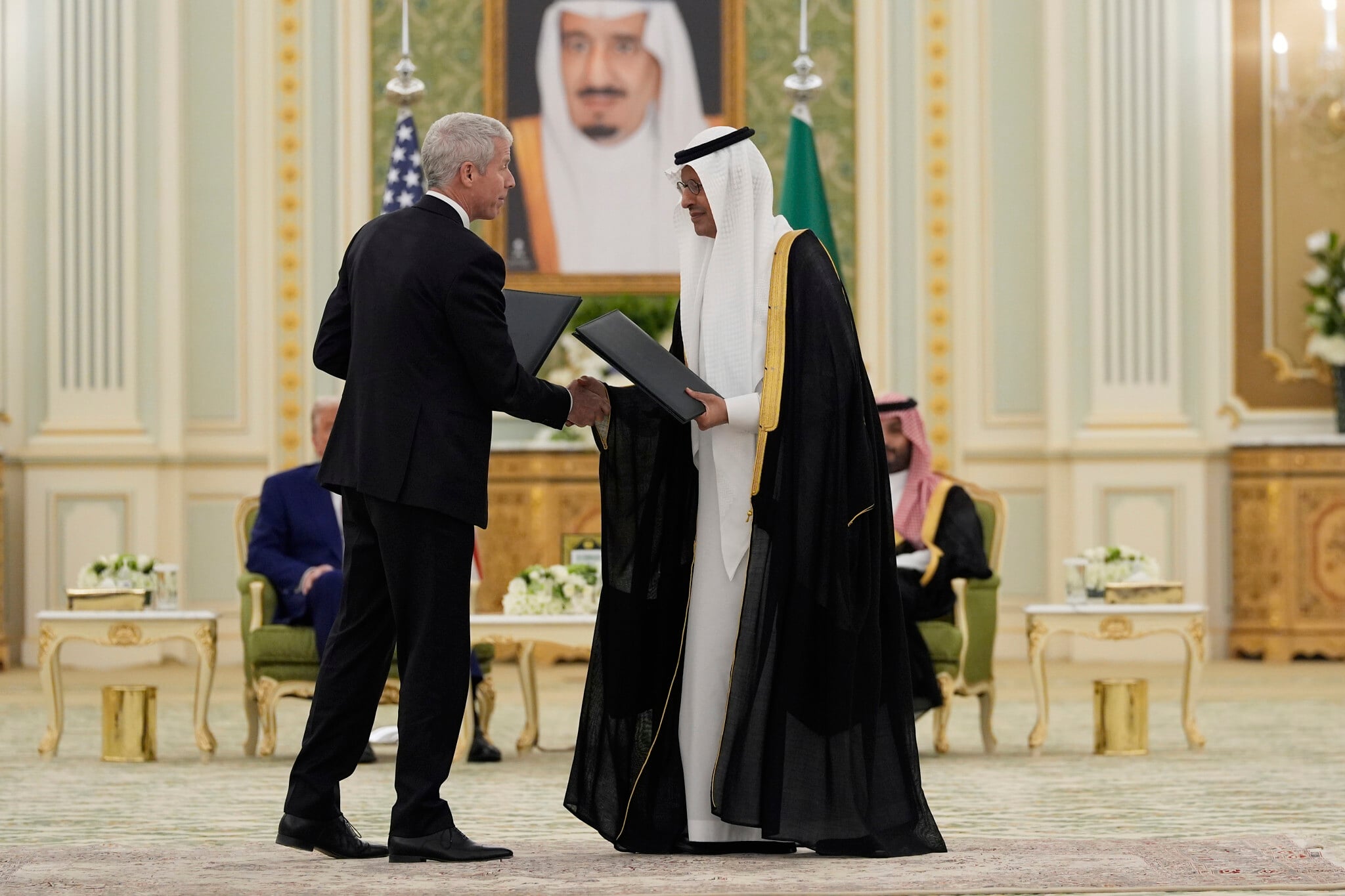
The senior official said that Netanyahu raised the civil nuclear agreement that the US signed last week with Saudi Arabia, but that Trump assured the premier that he views the deal as part of the process of Riyadh normalizing ties with Israel.
The day after the deal was signed, Trump declared that it would be conditioned on Saudi Arabia joining the Abraham Accords — something Riyadh has said it won’t do unless Israel begins an irreversible process toward the creation of a Palestinian state, which is a nonstarter for Netanyahu.
The Israeli official indicated Netanyahu would publicly express concern over the US-Saudi civil nuclear deal if he saw that it was advancing without Riyadh moving toward normalization with Israel.
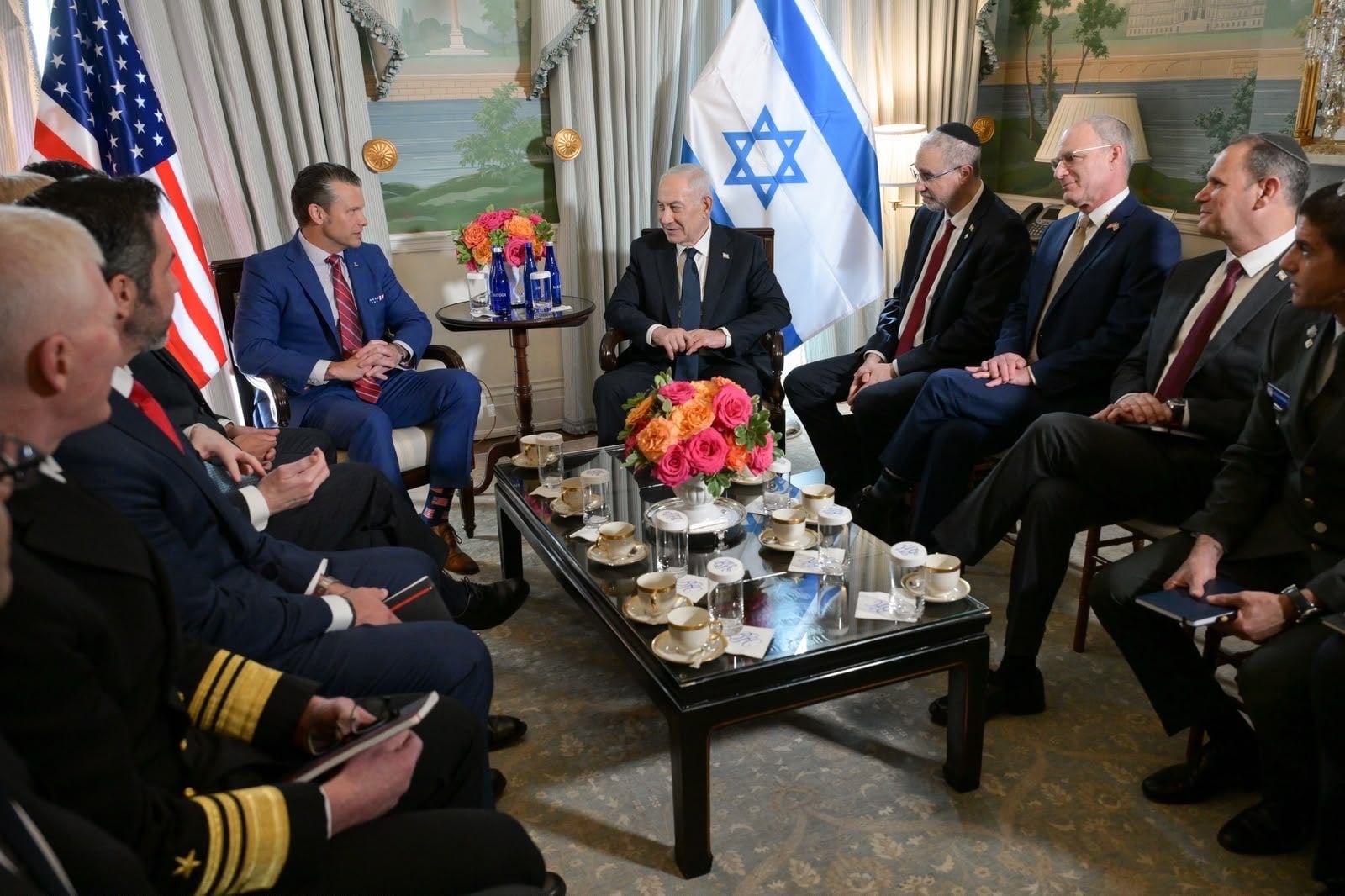
The Israeli official rejected the notion of tensions between Netanyahu and Trump, insisting that the pair are like a “married couple” who know each other so well that they “finish each other’s sentences.”
Trump again raised the issue of Netanyahu’s corruption trial at his own initiative during the Oval Office meeting, with the US president expressing his disdain for the case, the official said.
Trump in the past has berated President Isaac Herzog for not pardoning Netanyahu, but he has also refrained from endorsing the Israeli premier ahead of the upcoming Israeli election. Some of Trump’s aides are reportedly concerned that another hard-right government headed by Netanyahu would prevent the US administration from advancing regional integration, given members of the current government’s expansionist policies in Gaza, the West Bank, Lebanon and Syria.
‘From aid to partnership’
The Israeli official said Netanyahu held separate conversations on Tuesday with Vance and Trump’s special envoy Steve Witkoff, during which he again raised his desire to gradually wean Israel off of US aid within a 10-year timespan.
“I want to move from aid to partnership,” the senior official explained, adding that Netanyahu would discuss the issue further during his meeting with US Defense Secretary Pete Hegseth later Wednesday.
Many Democratic officials, and some Republicans, have soured on US aid to Israel, long a bedrock of the countries’ relationship.
The current memorandum of understanding between the US and Israel grants Israel $3.8 billion annually, but expires in 2028, several months before the end of Trump’s second term in office.
For the next MOU — which the sides are beginning to negotiate ְ– Netanyahu envisions gradually zeroing out the Foreign Military Financing (FMF) grants that currently stand at $3.3 billion annually, while maintaining some of the Ballistic Missile Defense aid, which currently stands at $500 million annually.
Netanyahu also spoke to top Trump officials about creating a new joint US-Israeli fund of roughly $16 billion that would go toward research and development of new weapons systems, the senior official said.
Republican lawmakers have told Netanyahu they are worried about being seen as anti-Israel by supporting the zeroing out of US aid, so the premier told them that he would be the one to lead this initiative, the official recalled.
Netanyahu recognizes the necessity of adopting this approach in light of declining favorability toward Israel among both parties, the official said, adding that Israel does not want its future security to be dependent on politics in Washington.
Accordingly, Netanyahu has also instructed Israel’s defense sector to develop its own fighter jets within ten years, even if they may not be as stealthy as the US-made F-35.
The Israeli official said he also discussed the idea with several Democratic lawmakers, including pro-Israel Democratic senators Chris Coons and John Fetterman, who were present at a memorial event he attended on Tuesday evening for the late Republican senator Lindsey Graham. The official said the Democratic lawmakers were very interested in the idea, ostensibly because most of the party just voted to cut aid to Israel in a recent House vote.
????????????????????????Lebanese businessman and banker Antoun Sehnaoui and former U.S. envoy Morgan Ortagus hosted a dinner in memory of Sen. Lindsey Graham at the Four Seasons in Washington, D.C., on Monday night
????????The event was attended by Israeli Prime Minister Benjamin Netanyahu and his wife… pic.twitter.com/00v3Q6EK28— Barak Ravid (@BarakRavid) July 28, 2026
Israeli official: PA can withstand Smotrich’s withholding of its funds
Asked to comment further on Netanyahu’s Wednesday meeting with Vance — who has been one of the administration’s most vocal critics of Israel — the senior official characterized the conversation as “good” and “honest,” without elaborating further.
Vance fumed earlier this month at a reported Israeli government-funded influence campaign aimed at criticizing the Trump administration’s efforts to negotiate an end to the Iran war.
A US official appeared to confirm the Israeli official’s description of Netanyahu’s conversation with Vance.
The pair “had a cordial and productive conversation about Middle East issues that are important to both countries,” the US official told The Times of Israel, adding that they “agreed to continue pursuing opportunities for Israel and the United States to cooperate in areas of mutual interest and shared goals.”
As for reports that Netanyahu snubbed a meeting request from Ukrainian President Volodymyr Zelensky, the Israeli official claimed the prime minister was unaware of such an ask.
Netanyahu did manage to have a brief conversation with Zelensky during the Wednesday memorial service for Graham that the two attended at Washington’s National Cathedral.
Also present was Reza Pahlavi, the son of Iran’s ousted shah. The Israeli official says Netanyahu spoke for two minutes with Pahlavi without disclosing what they discussed.
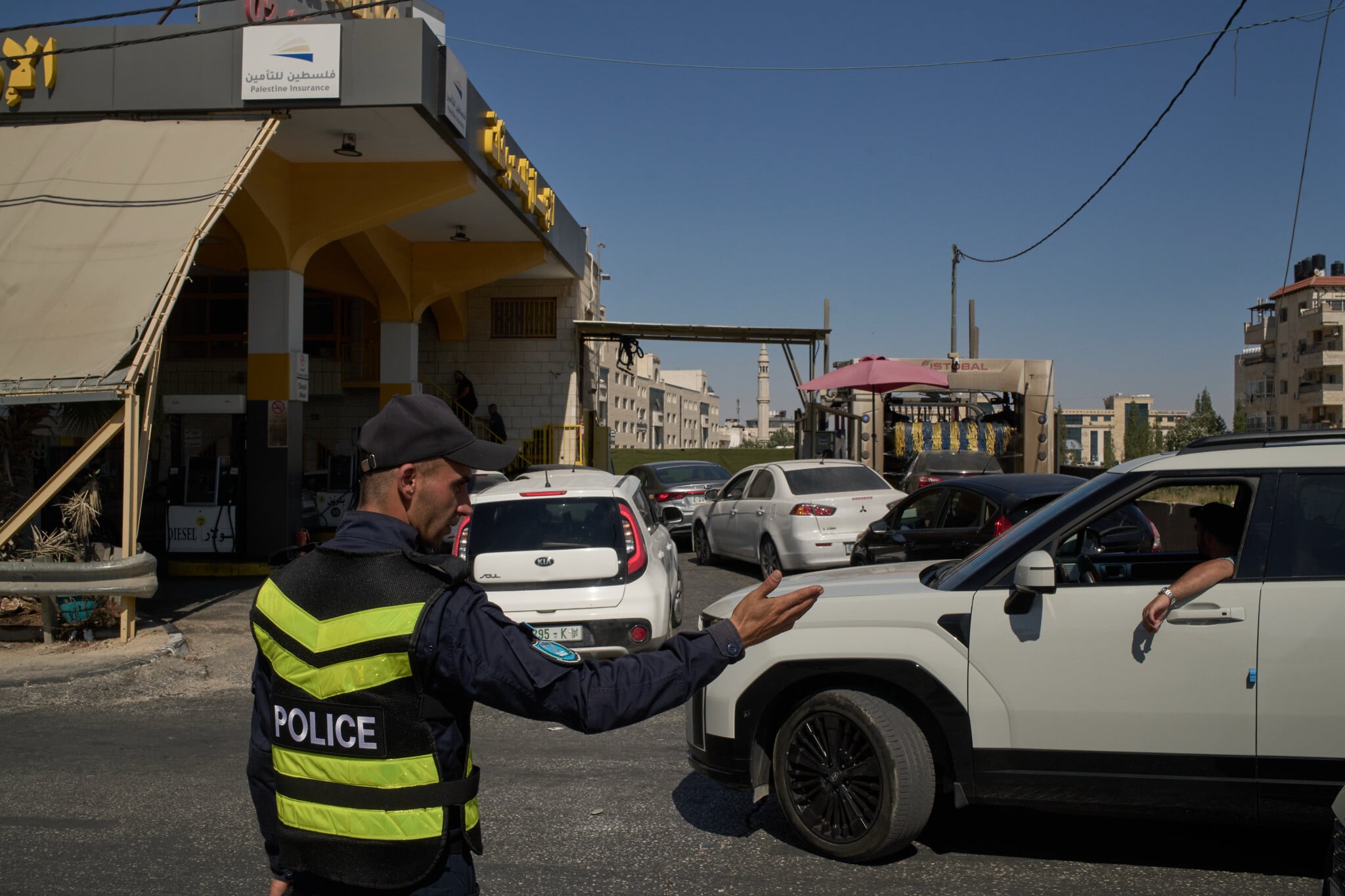
The Times of Israel asked the senior Israeli official if he was concerned about the Palestinian Authority collapsing in light of the measures advanced by Finance Minister Bezalel Smotrich that have brought Ramallah to the brink of financial collapse by withholding funds.
The Israeli official responded that he believed the PA would be able to survive before pivoting to tout the steps that Israel has taken to clamp down on Palestinian terror in the West Bank. The official said that Israel may soon need to conduct another counterterror operation in the territory’s refugee camps. Such raids over the past three years have displaced thousands of Palestinians.
As for the over $6 billion of Palestinian clearance revenues that Israel is withholding from the PA, the senior Israeli official said Jerusalem is holding discussions internally and with Washington about what to do with those funds.
The US has sought to have them transferred to the Trump-controlled Board of Peace that is overseeing the postwar management of Gaza, though Smotrich has resisted the idea, while the PA has demanded that it receive at least a portion of the funds, given that they belong to Ramallah, sources familiar with the matter have told The Times of Israel.






- Israel & the Region
- Benjamin Netanyahu
- Donald Trump
- 2026 US-Iran Memorandum of Understanding
- 2026 US-Israel war with Iran
- 2026 Israel-Hezbollah conflict
- Israel-Syria border
- Recep Tayyip Erdogan
- Netanyahu trial
- PA Palestinian Authority
- Israel-Lebanon relations
- Israel-Lebanon border
- Volodymyr Zelensky
- Reza Pahlavi
- JD Vance
The Times of Israel Community.