

As coalition falls into line, law maintaining Haredi exemption from IDF service will pass
Defense Minister Katz is working tirelessly to ensure majority support for a law to keep most ultra-Orthodox males out of the army, and keep the ultra-Orthodox parties in government
 Add ToI as a Preferred Source on Google
Shalom Yerushalmi is the political analyst for Zman Israel, The Times of Israel’s Hebrew current affairs website

“Without a draft law, we have no reason to stay [in government],” Housing Minister Yitzhak Goldknopf told The Times of Israel this week. Goldknopf, known for his staunch opposition to drafting ultra-Orthodox men into the Israel Defense Forces, has managed to irritate even fellow ultra-Orthodox politicians with these kinds of militant statements.
Recently, Goldknopf threatened to vote against state budget provisions unless the draft law — which is essentially an exemption law for almost all ultra-Orthodox males— was expedited. Although Goldknopf, who heads the ultra-Orthodox United Judaism Party (UTJ), is not a Knesset member — he resigned from the Knesset when he was appointed minister – Itamar Ben Gvir and other MKs from the far-right Otzma Yehudit party have flexed their muscles in the budget votes on the UTJ leader’s behalf.
Goldknopf can relax.
The exemption law will ultimately pass.
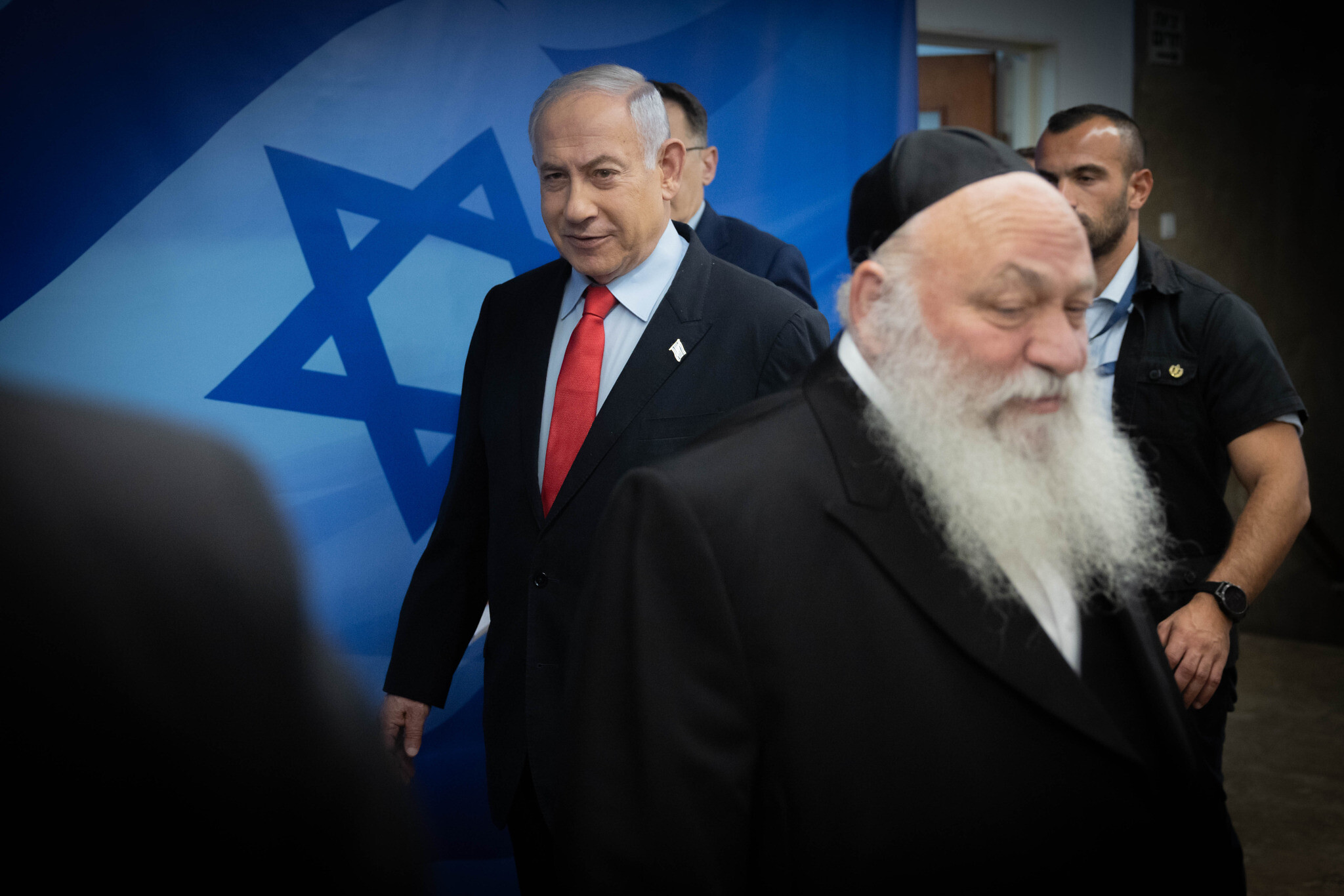
Defense Minister Israel Katz is investing significant effort in ensuring it does, lobbying opponents in the Likud and Religious Zionism parties (including Minister Ofir Sofer and MKs Moshe Saada and Danny Ilouz) as well as undecideds (Likud MKs Tali Gotliv and Boaz Bismuth). Katz’s considerable persuasive skills, political experience and backing from Prime Minister Benjamin Netanyahu enable him to apply significant pressure.
Having met with Katz, Gotliv told The Times of Israel on Thursday that “the law will certainly pass, but I don’t see it reaching a finalized text so quickly. As long as the numbers [that the bill sets out for Haredim to be drafted per year] align with the army’s ability to integrate ultra-Orthodox recruits, I will support the law. Minister Katz has an extraordinary ability to find solutions and he listens to every voice.”
Even former defense minister Yoav Gallant — fired by Netanyahu last month for, among other reasons, his insistence on drafting ultra-Orthodox men and refusal to support legislation that will maintain the decades-long blanket exclusion — believes the exemption law will ultimately pass.
The ultra-Orthodox are including their anticipated success in their current Hanukkah celebrations. They recognize that the proposed law lacks serious recruitment targets compared to the army’s actual needs, and are prepared to accept ongoing sanctions and penalties of the kind already imposed on some ultra-Orthodox draft evaders. Ultimately, they know that the army, currently largely failing to recruit ultra-Orthodox men, will have an even harder time if, or whether when, the law passes.
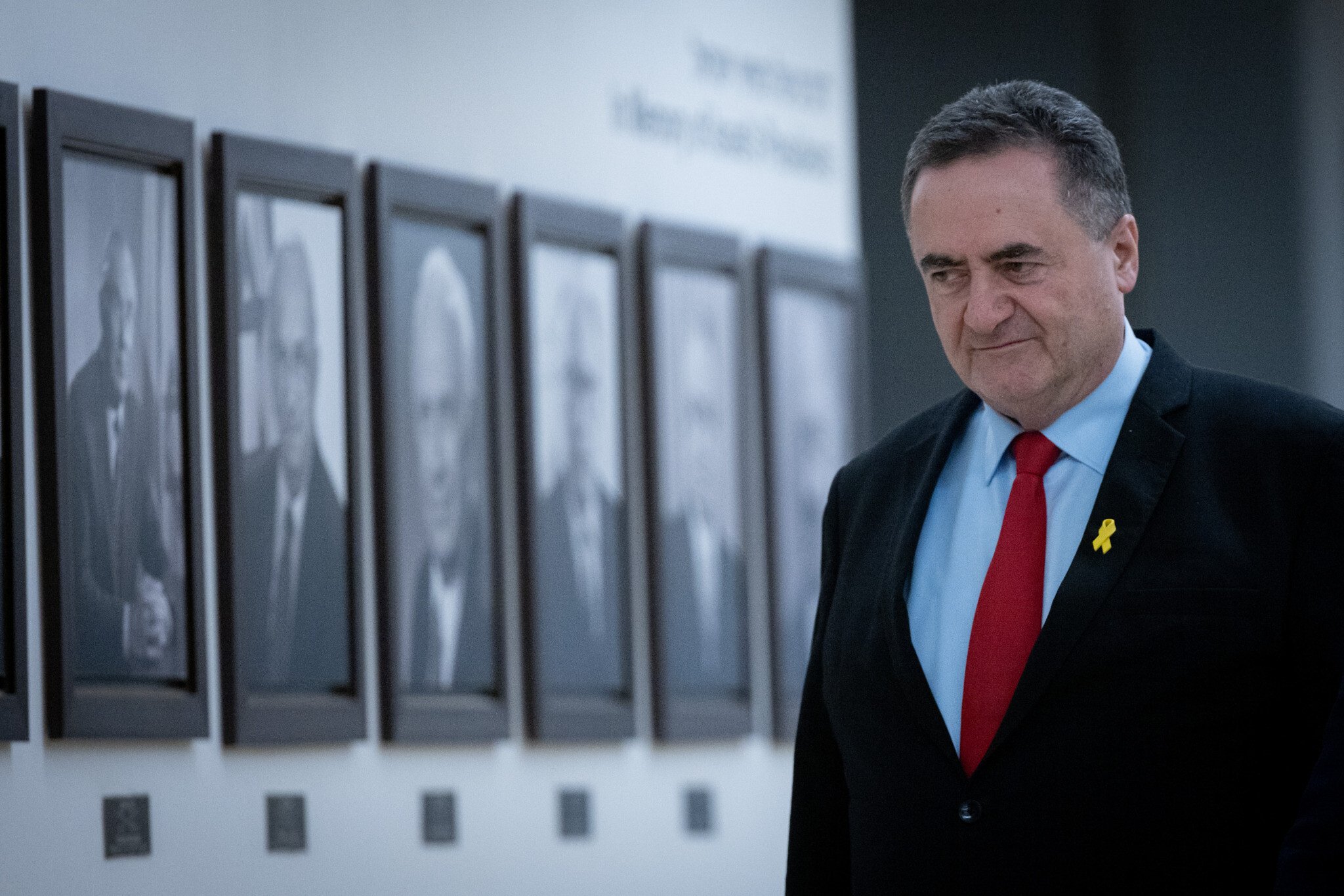
“The law is in our pocket,” a senior UTJ official told The Times of Israel on Thursday. “After Gallant left [the Defense Ministry], Katz took control of the draft law and aims to pass it. Katz is reshaping the picture because opponents associate his stance with the Defense Ministry’s stance. That’s why [Foreign Affairs and Defense Committee Chair Yuli] Edelstein is changing [his hitherto firm stance against a law that perpetuated the blanket exclusion]: He no longer has Gallant to contend with.
“Katz will present a law with targets and sanctions we can handle, thus convincing everyone,” said the UTJ official. “We’ll keep a low profile on the sanctions. Even now, sanctions are already applied to deserters — they can’t get a driver’s license, among other things. We can live with that.”
In an earlier formulation that passed its first Knesset reading in January 2022, the controversial proposed law lowers the exemption age for ultra-Orthodox men, sets low recruitment targets, and imposes ineffective sanctions on those who evade recruitment.
The battle over the law over the past year — which has intensified amid the strain in the IDF amid Israel’s multi-front war — has fueled public anger against ultra-Orthodox draft exemptions and the lack of equitable burden-sharing. The proposed amendments are likely to increase that anger, since from leading to mass recruitment of ultra-Orthodox men they will likely only increase draft evasion under legal cover.
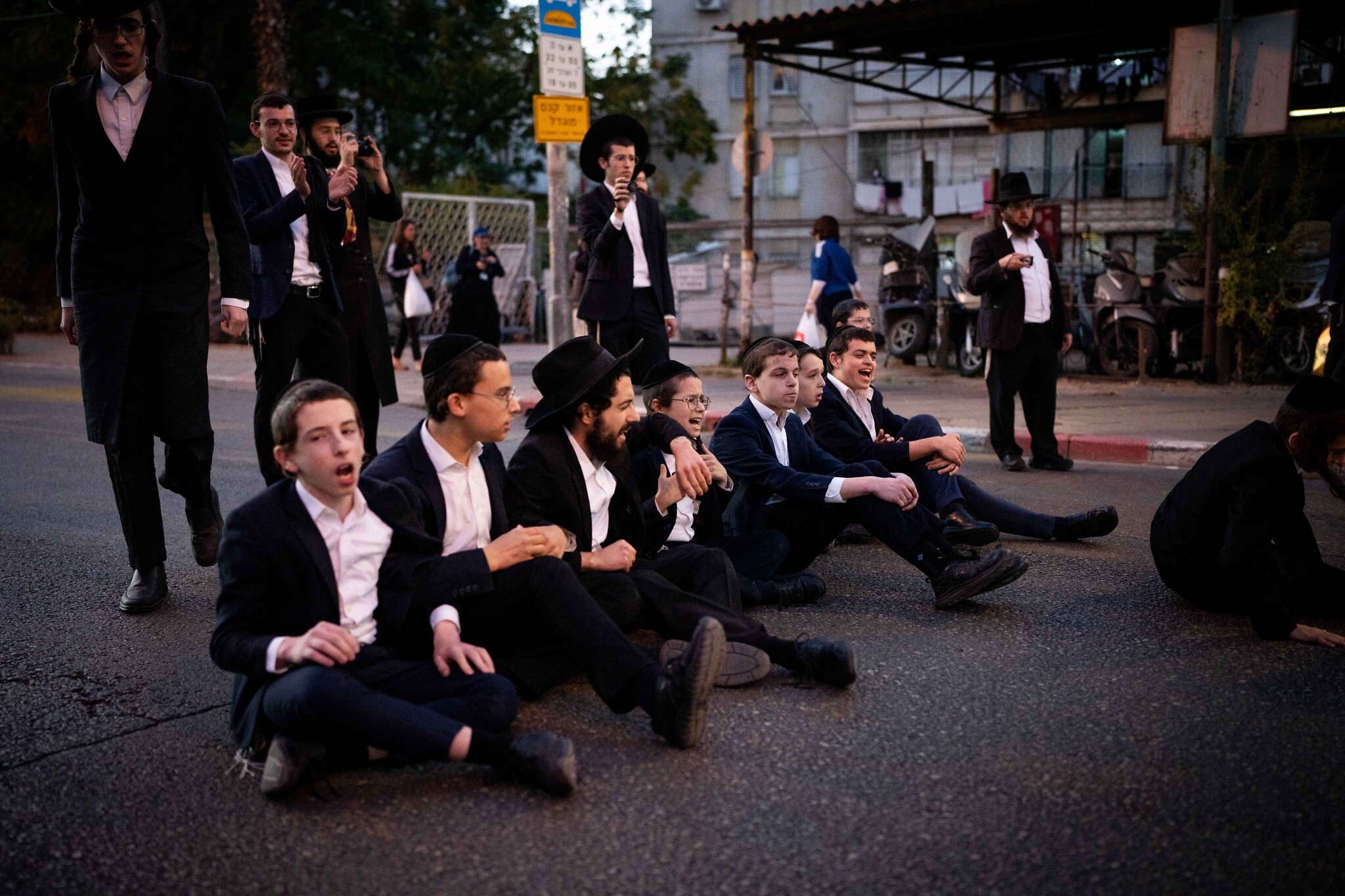
Cabinet Secretary Yossi Fuchs said in a radio interview this week that the army would have 10,000 ultra-Orthodox soldiers within two years. But there’s a catch to even that low number: a few thousand ultra-Orthodox soldiers already serve in various IDF units. Estimates suggest there are 70,000–80,000 ultra-Orthodox men aged 18–26 eligible for recruitment.
Minister Ofir Sofer told The Times of Israel on Thursday that he prioritizes actual implementation over numerical targets. If so, experience to date is not encouraging. On Thursday, ultra-Orthodox draftees at the main recruitment center refused to board buses meant to take them to the Netzach Yehuda Battalion, which was founded 25 years ago exclusively for Haredi men serving as combat soldiers. Everyone knows this battalion no longer has any ultra-Orthodox soldiers; only the name remains.
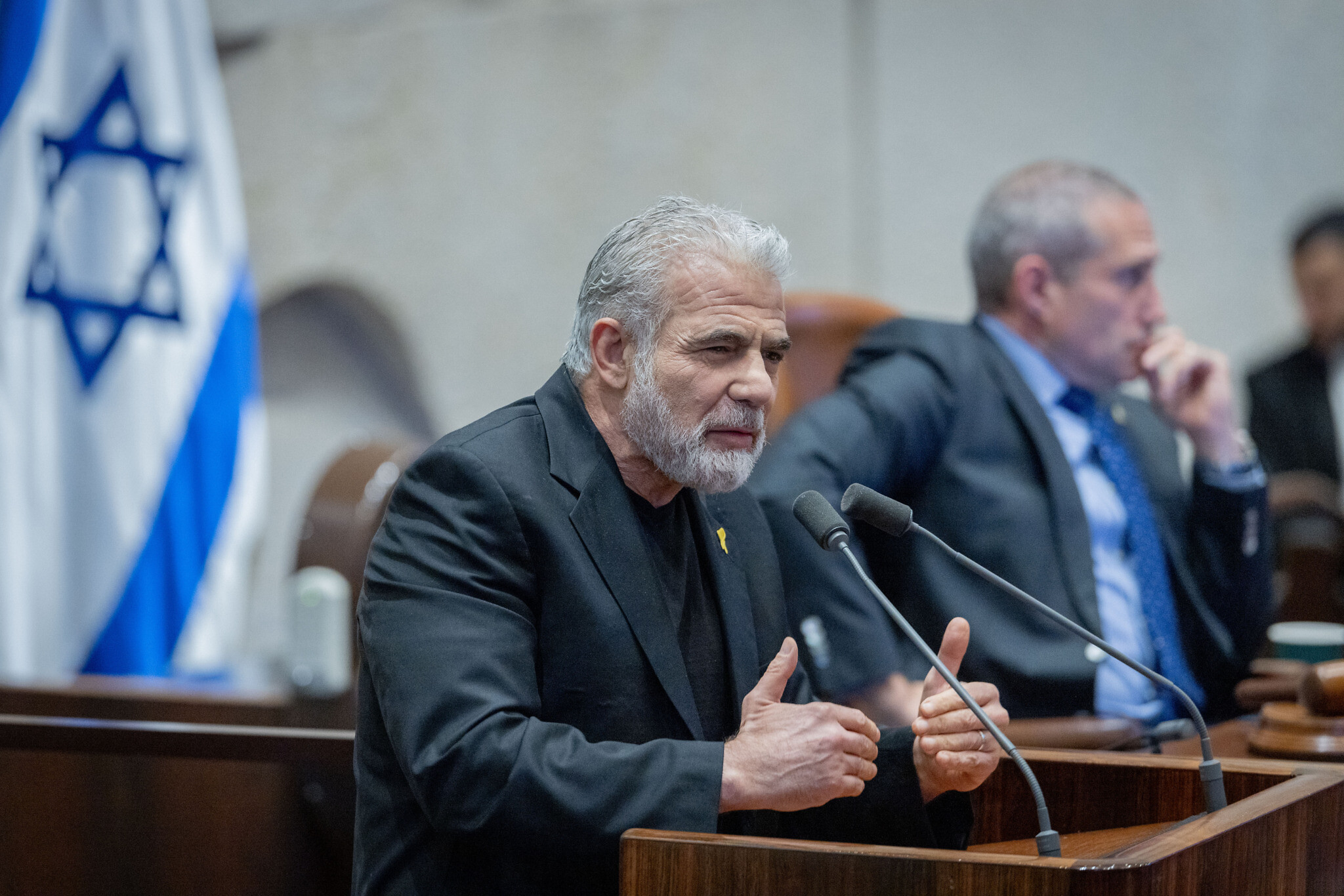
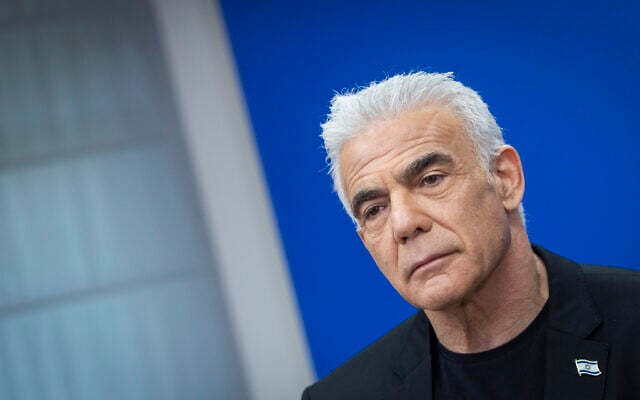
The divide over Haredi service will remain as acute, if not more so, when the draft exemption law passes. It engages all political parties and serves as a flagship issue for opposition leader Yair Lapid.
In a speech during a debate in the Knesset on Monday, Lapid devoted most of his time to the ultra-Orthodox draft issue, using harsh terms like “discrimination between blood and blood.”
On Thursday, Lapid told The Times of Israel that the recruitment targets as specified in the proposed new law will be irrelevant. “The moment the army determines that from June 2026, it wants to and is able to recruit everyone [who is eligible to serve], there’ll be no escaping those [maximal] numbers.”
For now, though, in summary, the draft exemption law is advancing to its second and third readings despite public outcry, campaigns and protests. The ultra-Orthodox are celebrating their victory, confident that the law won’t have real teeth and won’t impact their yeshivas. And the opposition, while fighting back, is hoping for a Hanukkah miracle to halt the process.
If that is not forthcoming, the question is how the Supreme Court, which in June ruled unanimously that the government must draft all eligible ultra-Orthodox men into the military, will deal with the inevitable petitions over a law that will do nothing of the kind.
Translated and edited from the original Hebrew on ToI’s sister site Zman Yisrael.






The Times of Israel Community.