

As nuclear talks progress, Iran says sides to meet again soon
Foreign Minister Zarif strikes positive tone on Facebook page; Western officials show interest in Tehran’s proposals
 Add ToI as a Preferred Source on Google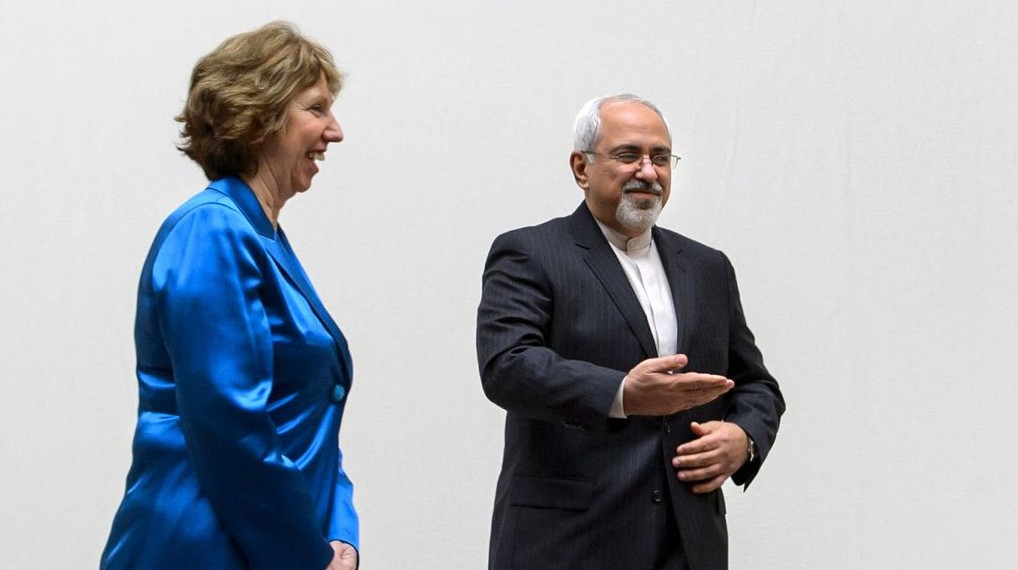
GENEVA (AP) — Reflecting signs of progress at ongoing Iran nuclear talks, the country’s foreign minister said Wednesday that his country would meet again with six powers within weeks to further discuss ways to ease fears Iran may want atomic arms.
Iranian state television reported that the next round of talks will be Nov. 7 and Nov. 8 in Geneva.
Foreign Minister Mohammad Javad Zarif’s posted similar comments to Facebook as the U.S. and its negotiating partners were meeting with Iran for a closer look at what Tehran calls a possible breakthrough deal that could lessen suspicions about its nuclear goals and lead to the easing of sanctions against the Islamic Republic.
Iran says it’s not interested in having nuclear weapons. Its proposal Tuesday to the six powers — United States, Russia, China, Britain, France and Germany — focused on their demands that Iran’s uranium enrichment and other activities that could be used to make nuclear arms be stopped or reduced.
No details of the proposal were made public. But comments from Western officials meeting with Iranian negotiators indicated interest in it, and Iranian Deputy Foreign Minister Abbas Araghchi called it a way for Iran to leave the “dark” path of international isolation.
Previous nuclear talks have often been fitful and sporadic, reflecting the deadlock between the two sides. Zarif’s Facebook comments that negotiations will resume strengthened expectations that some progress was being made.
Zarif said the six powers welcomed Iran’s “new approach,” and urged reciprocity, calling on the powers to also show a “new attitude.”
Iran wants painful international sanctions to be lifted in exchange for possible concessions it had been previously unwilling to consider, such as increased international monitoring of its nuclear program and the scaling back of Iran’s uranium enrichment — a potential path to nuclear arms and the centerpiece of its impasse with the West.
International talks designed to reduce fears that Iran may make nuclear weapons have been stalled for most of their 10-year history, with Tehran insisting it has no interest in weapons production. Still, it has resisted both enticements and sanctions from world powers designed to force it into ending uranium enrichment and other activities that could be used to make weapons.
But negotiations now appear to be driven by the new wind generated since reformist President Hassan Rouhani was elected in June.
Wednesday’s meeting started several hours late, as the six powers discussed further steps among themselves before the talks resumed for a closer look at Iran’s proposal.
Asked for details beyond broad outlines made public by the Iranians ahead of the two-day talks, a member of one of the delegations at the table said the plan offered reductions in both the levels of uranium enrichment being conducted by Iran and the number of centrifuges doing the enrichment — a key demand of the six powers.
An Iranian official said any plan would be implemented in three stages, lasting from six months to a year. Both men demanded anonymity because they were not allowed to discuss the confidential plan.
Iranian state TV, which closely reflects government views, said Tehran offered to discuss uranium enrichment levels. The report also said Iran proposed adopting the additional protocols of the U.N.’s nuclear treaty — effectively opening its nuclear facilities to wider inspection and monitoring — if the West recognizes Iran’s right to enrich uranium.
But the Iranian official said any acceptance of the protocols would be one of the last steps in implementing the plan.
Copyright 2013 The Associated Press.





The Times of Israel Community.