

As Netanyahu’s legal fate deliberated, TV report asks if his status has changed
AG said likely to have to determine whether a decision to charge the PM, now that he has failed to form a coalition, would affect his right to stay in office
 Add ToI as a Preferred Source on Google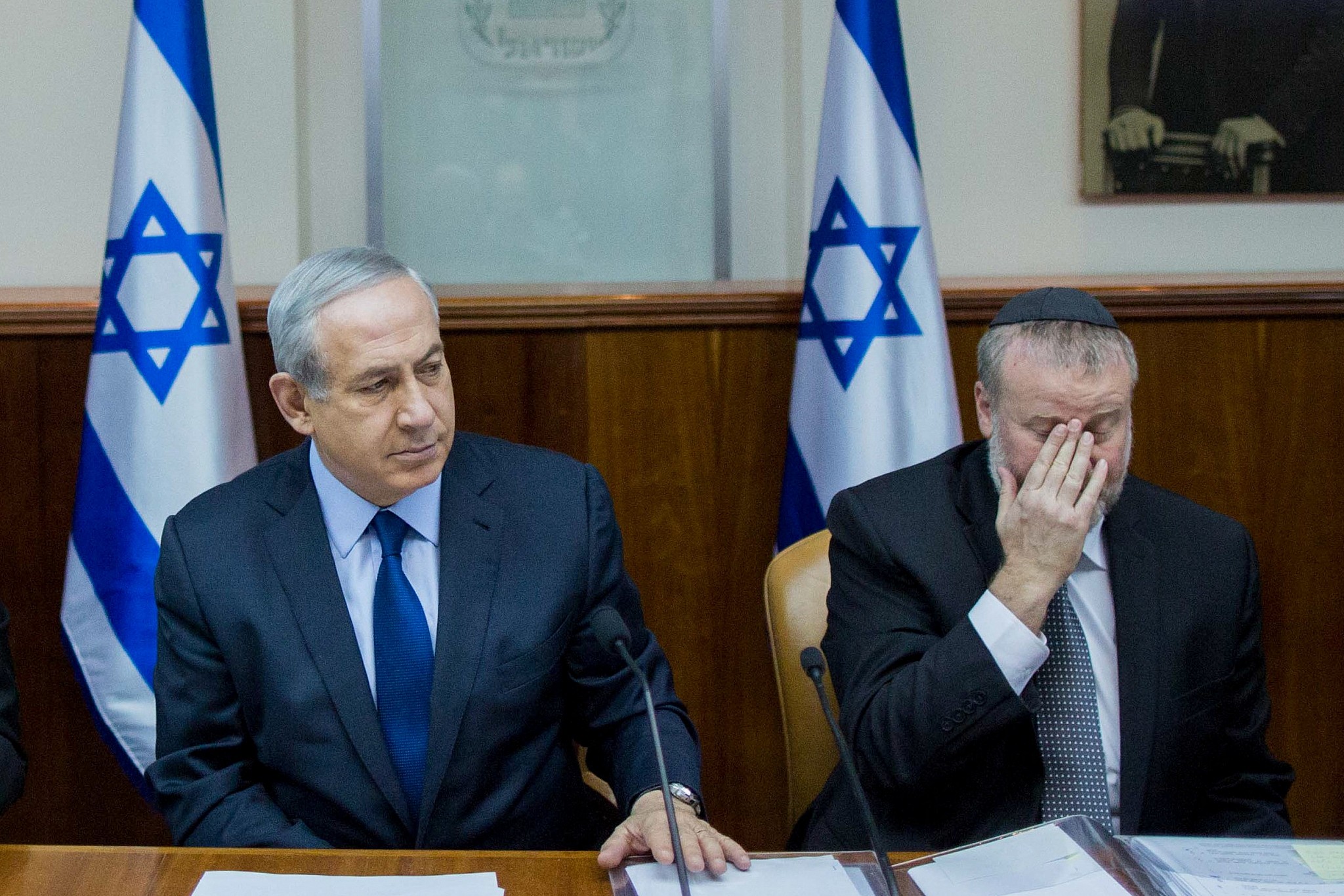
Attorney General Avichai Mandelblit is expected to begin final deliberations with state prosecutors this week on whether to indict Prime Minister Benjamin Netanyahu in three graft cases, with the premier’s most recent failure to form a government potentially affecting his ability to remain in office if charged.
According to a Channel 13 news report Monday, prosecutors are to present Mandelblit with the defense arguments laid out by Netanyahu’s lawyers during four days of pre-indictment hearings earlier this month.
Netanyahu faces charges of fraud and breach of trust in three cases, as well as bribery in one them.
The deliberations come as Netanyahu announced Monday he had returned the mandate to form a government after being unable to do so during 26 days of negotiations following inconclusive elections last month. President Reuven Rivlin said he intends to now task Blue and White party head Benny Gantz with trying to build a coalition.
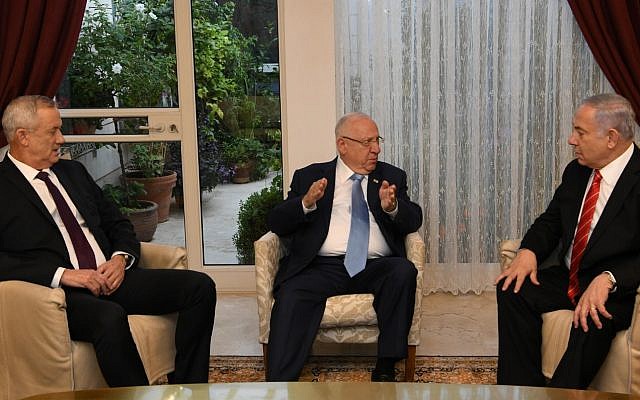
The unsourced television report said if a decision to charge the prime minister were to be reached during the 28 days Gantz will have to assemble a government, Mandelblit could be asked to weigh in on whether Netanyahu’s status as premier has changed and if so, how this might impact his legal situation. The report did not clarify who would be making that demand of Mandelblit.
Whatever determination Mandelblit were to make would likely be met with appeals.
Unlike other government ministers, a prime minister is not clearly obligated by law to resign unless or until convicted, and possibly not until all recourses to appeal are exhausted.
Though Gantz will be tasked with forming a government, Netanyahu remains as prime minister until a new government is formed.
Gantz has said he won’t sit in a government with Netanyahu due to the premier’s legal woes, leaving the Blue and White leader with no clear path to scrabbling together enough lawmakers for a majority.
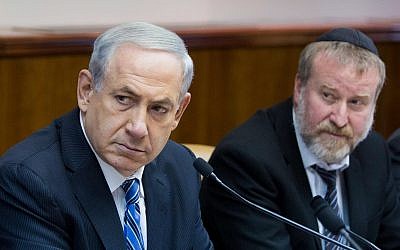
Television reports have said Mandelblit is expected to reach a decision on whether to charge Netanyahu by the end of the year; another recent report said a decision might even come next moth.
Mandelblit announced in February he intended to indict Netanyahu in three criminal investigations, known as cases 1000, 2000, and 4000.
Case 4000, concerned the most of the probes involving the prime minister, concerns allegations that Netanyahu pushed regulatory decisions financially benefiting Shaul Elovitch, the controlling shareholder of the Bezeq telecommunications group, in return for ongoing positive coverage from Bezeq’s Walla news site.
In Case 1000, Netanyahu is suspected of illicitly receiving gifts such as champagne, cigars and jewelry valued at some NIS 700,000 ($201,000) from billionaire benefactors Arnon Milchan and James Packer, and allegedly reciprocating in Milchan’s case with various forms of assistance.
Case 2000 revolves around suspicious Netanyahu made an illicit quid-pro-quo with Yedioth Ahronoth newspaper publisher Arnon Mozes to weaken a rival daily in return for more favorable coverage from Yedioth. The agreement was never implemented.
Netanyahu, who denies any wrongdoing, has repeatedly claimed that he is the victim of a witch hunt by the media, the left, police and the state prosecution, designed to oust him from power. His lawyers presented defense arguments at four days of hearings earlier this month in which they sought to dissuade Mandelblit from pressing charges.







The Times of Israel Community.