

At Israel Festival, show goes on without international acts amid war, isolation
Organizers of annual event grapple with unofficial cultural boycott as global talent, usually a prominent part of the program, shuns Israel in wake of Oct. 7
 Add ToI as a Preferred Source on Google
Jessica Steinberg, The Times of Israel's culture and lifestyles editor, covers the Sabra scene from south to north and back to the center
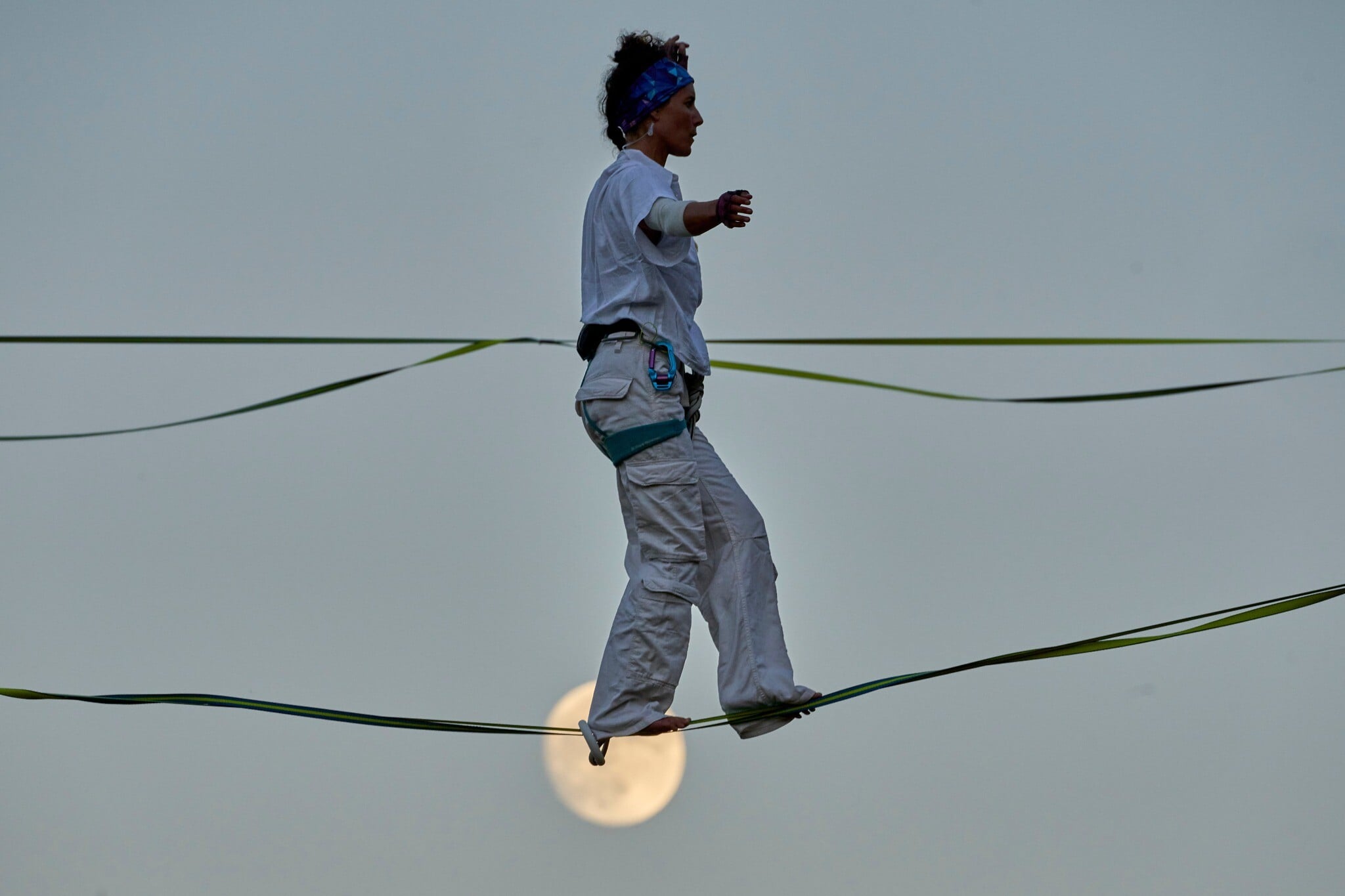
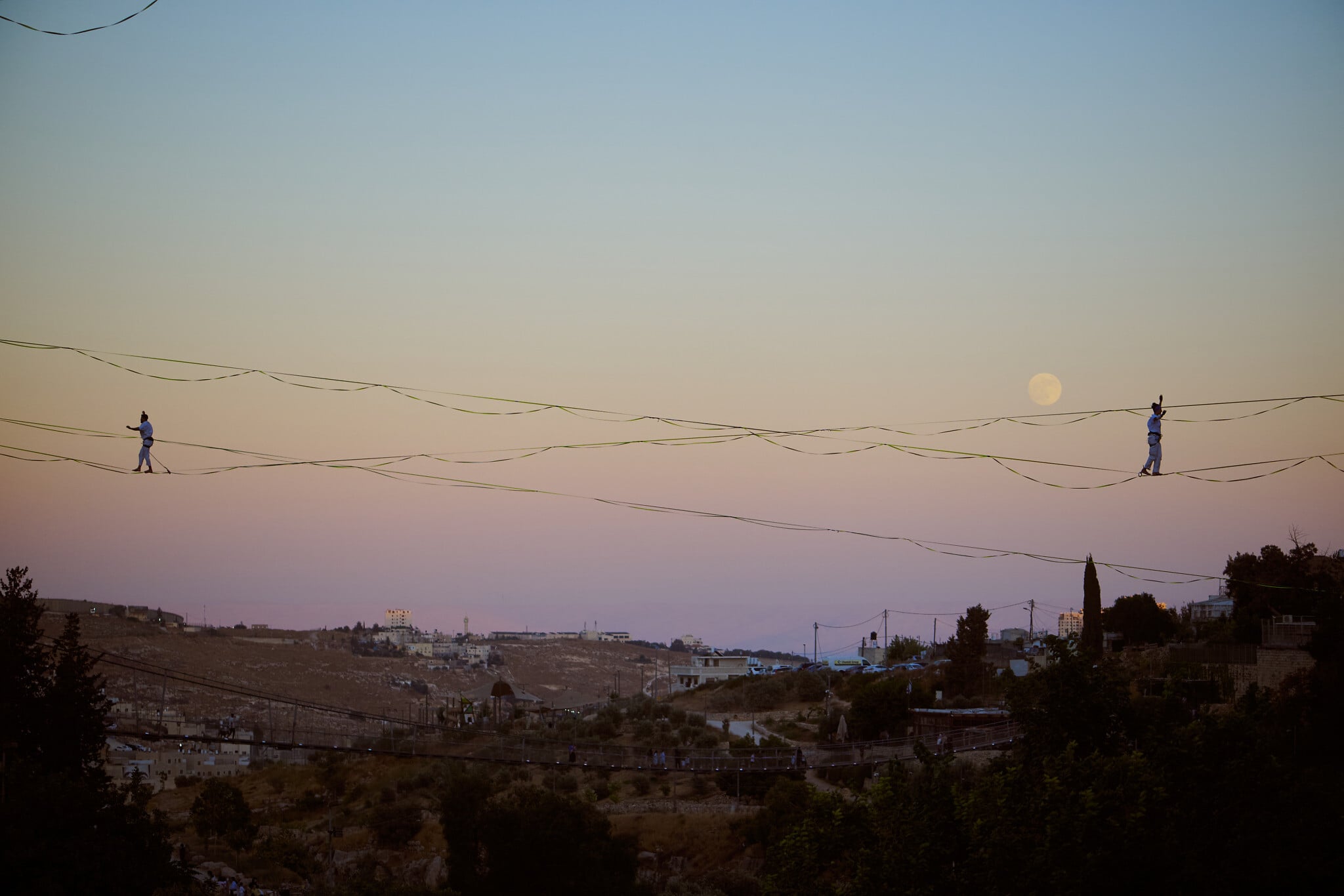
As the Israel Festival continues with two more weeks of performances in Jerusalem and elsewhere around the country, the annual arts event once known as a showcase for global performers is proceeding this year without a single international act.
With artists the world over participating in an unofficial boycott of Israel since Hamas launched the Gaza war, festival organizers have found it increasingly difficult to bring anyone to Israel.
“The basis of the festival hasn’t changed, but the way of carrying it out has,” said Ori Vaknin, a native Jerusalemite who recently took over as festival CEO.
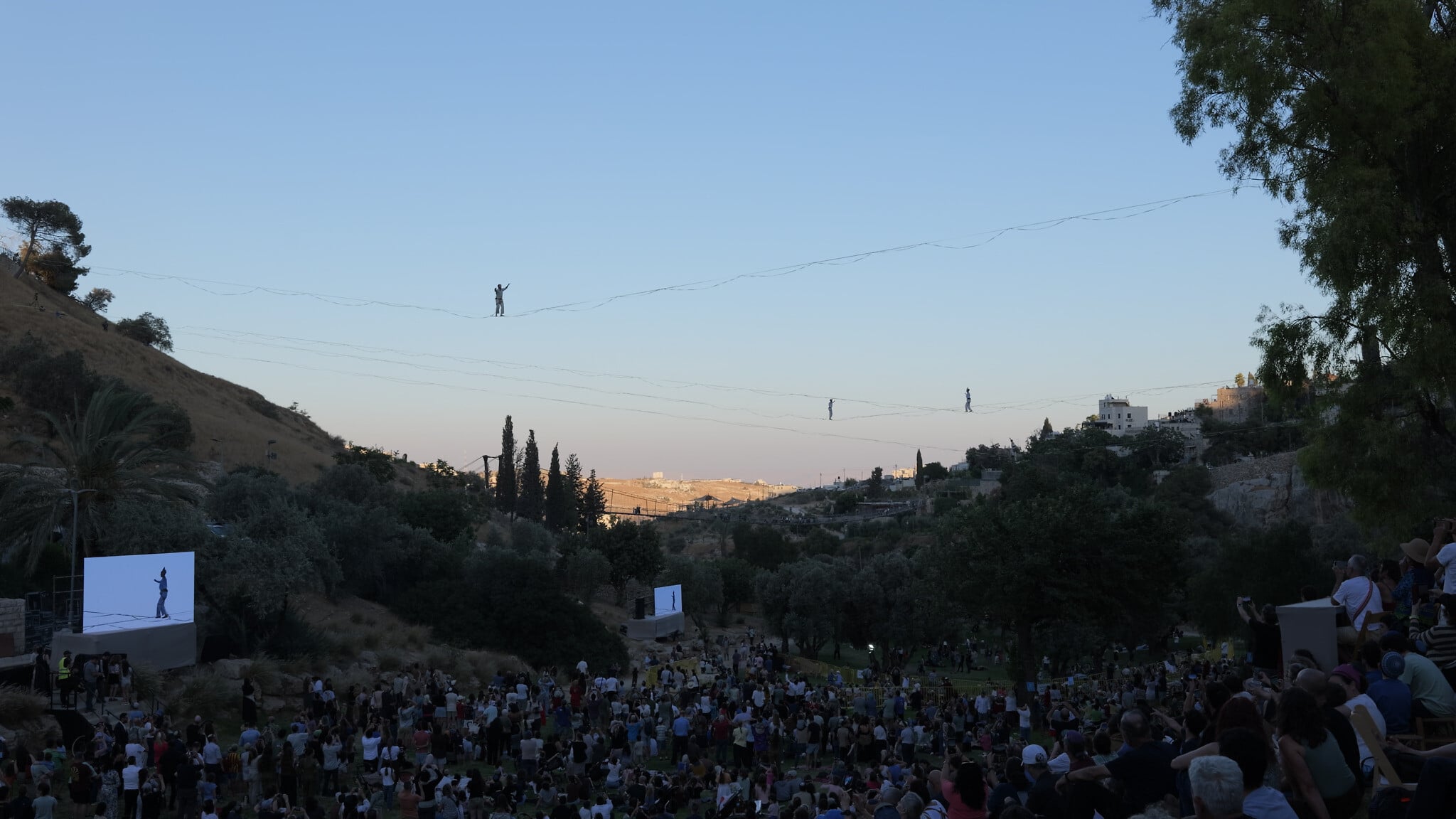
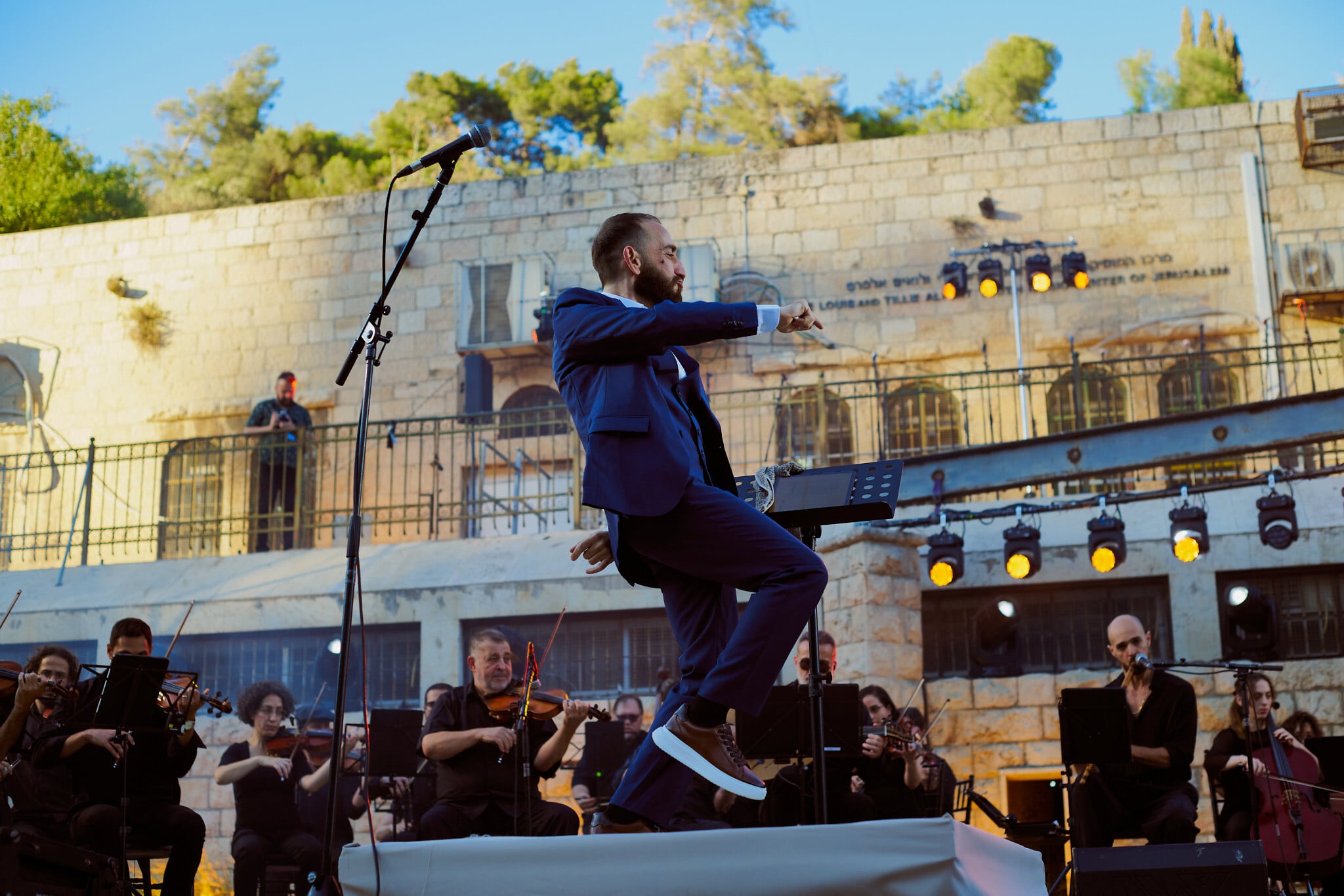
This year’s opening event, “Held by a String,” a free aerial performance that took place on July 28 above Jerusalem’s Guy Ben Hinnom Valley, seemed to embody the festival organizers’ ongoing frustration.
The spectacle was initially to be performed by a French cooperative of tightrope walkers who got cold feet when they realized the political pressures they might experience by coming to Israel.
Instead, said Vaknin, they helped the festival find an alternative group of Jerusalem colleagues who could perform a similar tightrope act.
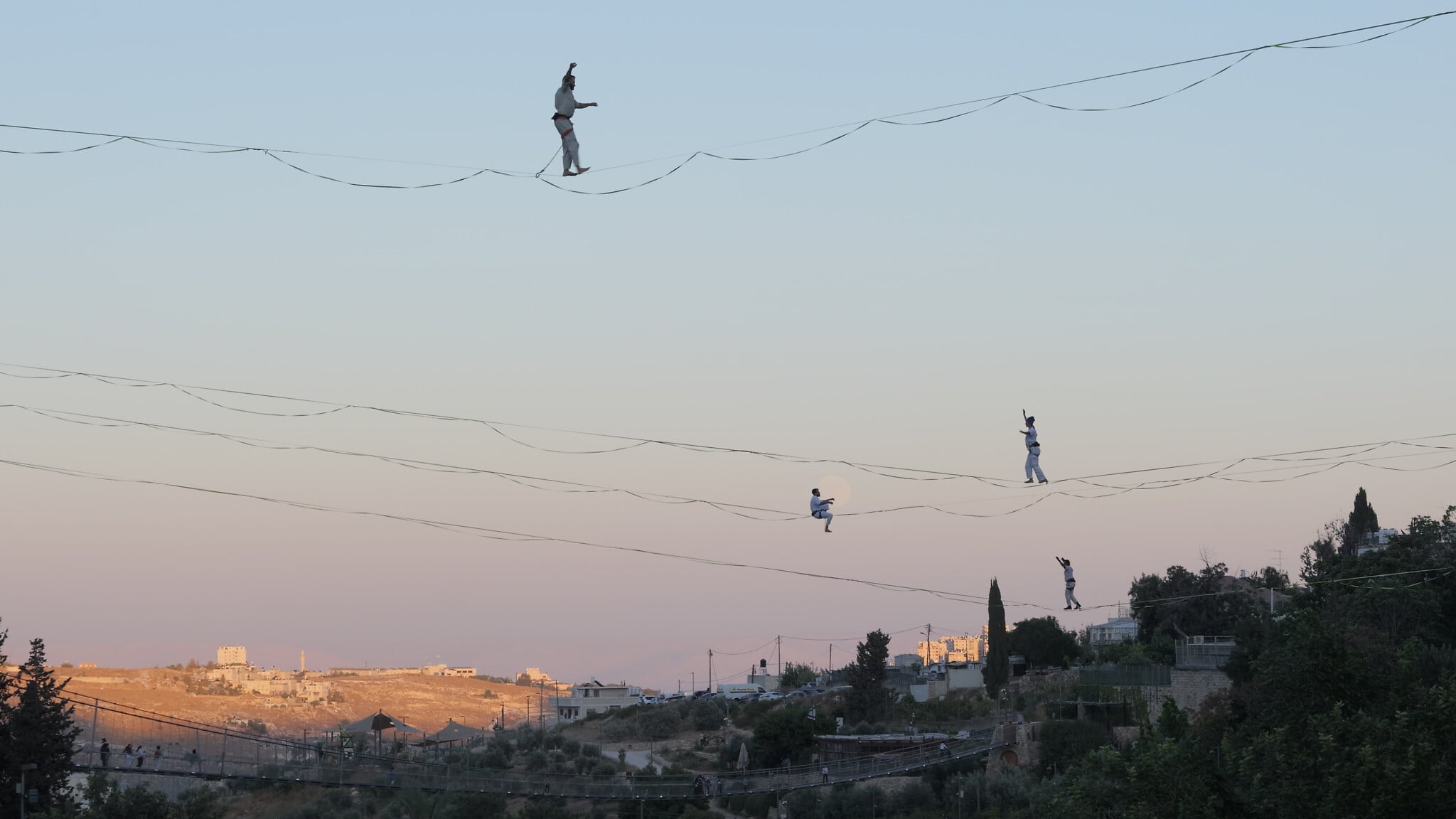
In the end, 7,500 people streamed into the valley to watch the 20-minute performance, which was accompanied by the Jerusalem East and West Orchestra and the Jerusalem Youth Choir.
“That’s why you keep doing this,” said Vaknin. “There’s that moment when you open the event, and the art touches you, and you say, ‘This is why I do this.'”
Since the deadly October 7, 2023, Hamas onslaught and the years of continuous conflict that have followed, the Israel Festival has been repeatedly forced to adjust to events beyond its control. This includes shifting dates and production challenges caused by successive rounds of fighting — most recently this year’s war with Iran.
“We’ve become experts in cancelling and rescheduling,” said Vaknin. “There’s noise around us all the time, and the saying ‘the show must go on’ has never been more relevant. It’s all there, the lack of certainty, not knowing how many tickets you’ll sell, but you keep on going.”
In an attempt to explain these complications to audiences, this year’s Israel Festival roster includes a brief, unusual tour called “Temporarily Removed,” a 20-minute walk through the winding corridors and backstage spaces, discussing which performers didn’t make it to the festival this year.
During one of these tours, artistic director Michal Vaknin (no relation to Ori Vaknin) led the way backstage behind the Sherover Theater as she described a trilogy about sexual trauma by Brazilian playwright Carolina Bianchi that was supposed to be performed at the 2024 Israel Festival.
“It’s one of the most maddening and powerful things I’ve ever seen,” said Vaknin, as a large-screen TV played several minutes of the show.
Vaknin then read part of the ongoing correspondence between her, Bianchi and Bianchi’s agent.
“We will arrive one day, we will arrive,” wrote Bianchi and her agent. “It is not the time, but we will arrive one day.”
For years, the international performances were a major component of the festival program, and their absence feels sudden and jarring, said Michal Vaknin.
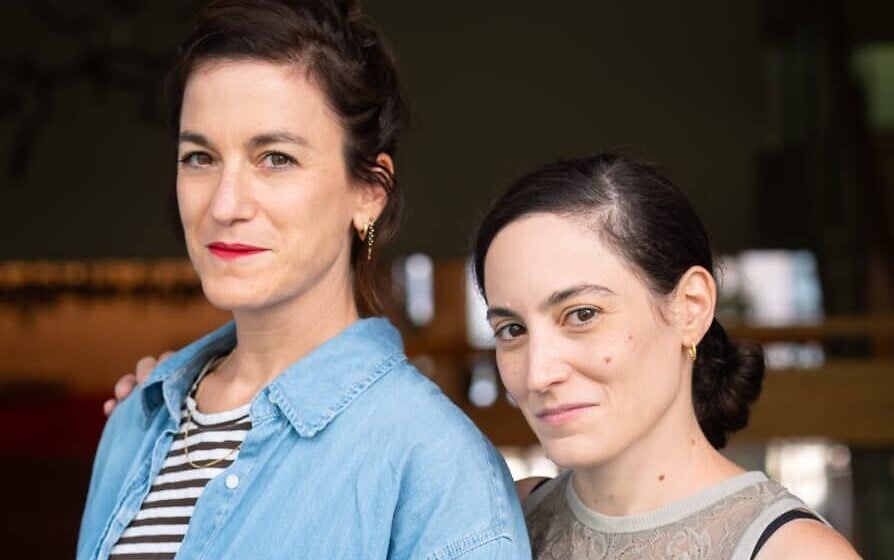
“We hope that it has disappeared temporarily, but we don’t know for how long,” she said, “and there’s also a desire not to whitewash it and act as if it doesn’t exist.”
While most Israel Festival events are still held in Jerusalem, the festival has expanded in recent years to northern and southern Israel, the two regions most deeply affected by the October 7 Hamas atrocities and the ensuing wars in Gaza and Lebanon, with several events held in each area every year.
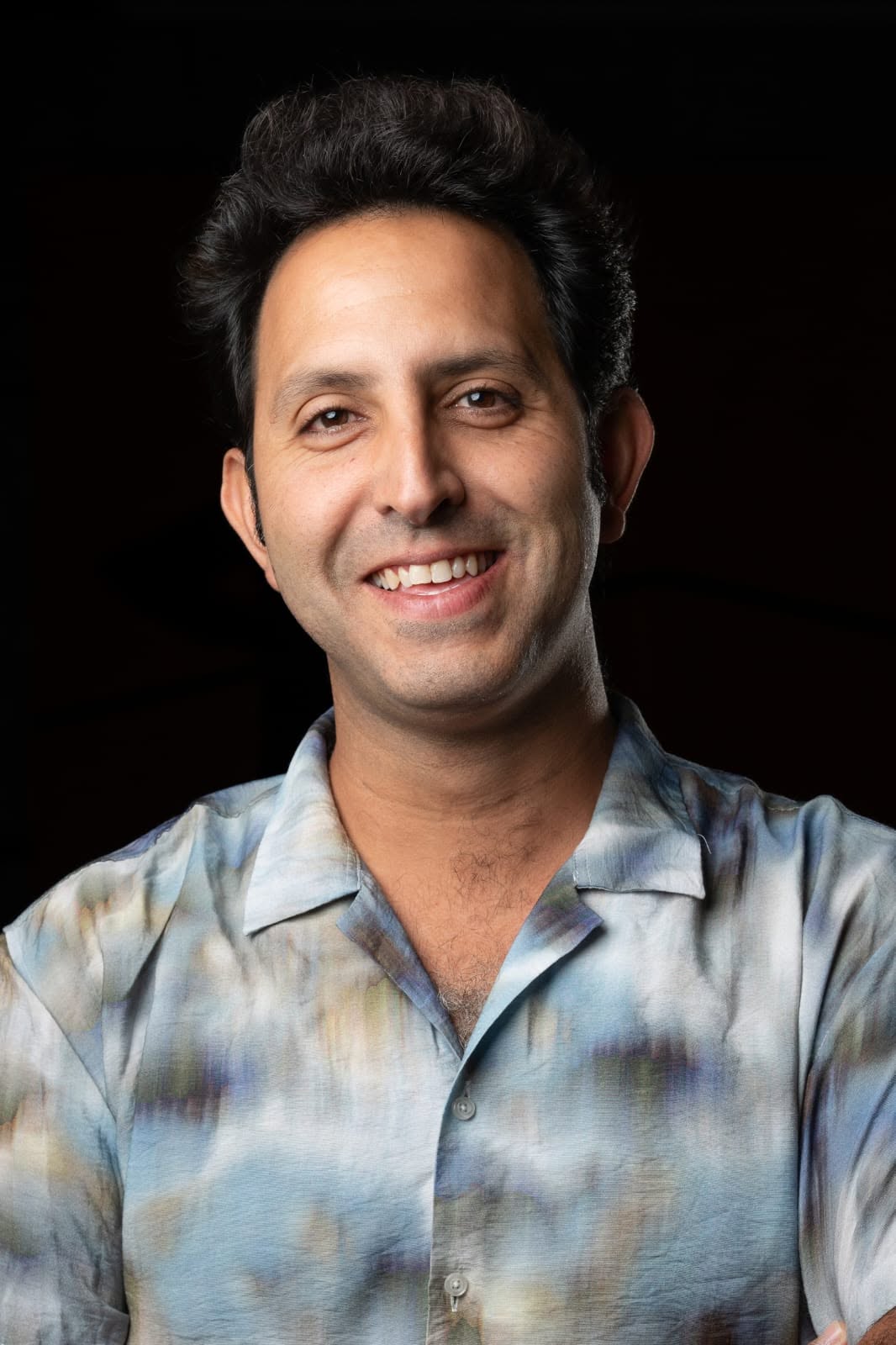
“It was an instinctive move,” said Ori Vaknin, “even though we needed extra funding to make it happen. We believe in it.”
This year, those expanded events include former hostage Sagui Dekel-Chen singing songs he composed in his head during a year and a half of Hamas captivity, performed on the lawn of Kibbutz Nir Oz, his former home.
There will be two events in the north — a contemporary dance program at Kibbutz Kfar Blum and a performance by singer Dikla in Nahariya — although it took time to figure out which cities could host events when the north was still being bombarded by Hezbollah a month and a half ago.
And while it is increasingly difficult to convince performers from abroad to come to Israel — whether individual members of an ensemble refuse, or an entire cast — both organizers say they will continue to dialogue with their colleagues abroad in conferences and at panels despite the inherent challenges.
“Even the name Israel Festival, people think it’s a national event, and we have to explain that we’re in Jerusalem, we’re an independent cultural institution that just happens to have that name,” said Ori Vaknin. “You have to talk about it all the time, and be patient — there is no other way.”
For a full schedule of the Israel Festival, please go to the festival website.


The Times of Israel Community.