

Austria admits mistakes made in tracking flagged Vienna attacker
Slovak intelligence informed Austria that gunman Kujtim Fejzulai was trying to buy ammunition, but ‘something apparently went wrong,’ says Austrian interior minister
 Add ToI as a Preferred Source on Google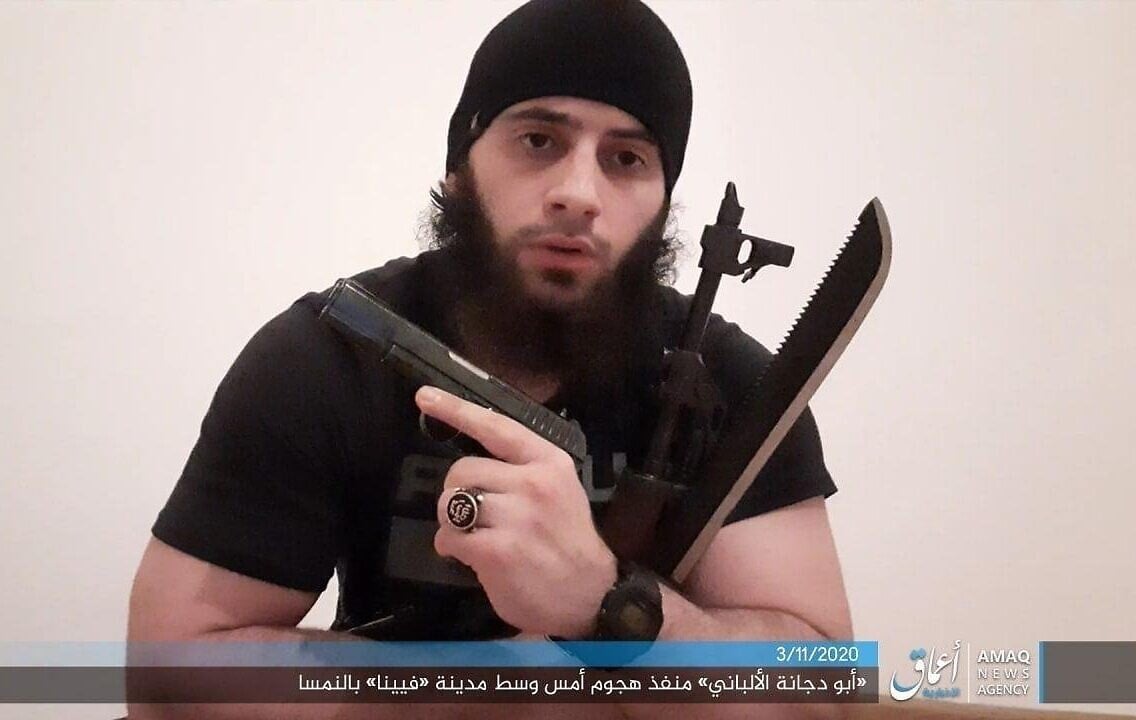
VIENNA, Austria (AP) — Slovakian intelligence told their Austrian counterparts in July that the man who fatally shot four people in a terror attack in Vienna this week had tried to buy ammunition there and mistakes were apparently made in dealing with that information, Austrian authorities conceded Wednesday.
The suspect, identified as 20-year-old Kujtim Fejzulai, had a previous conviction for trying to join the Islamic State group in Syria and had been given early release in December.
In addition to killing the two men and two women, he also wounded more than 20 people in a nine-minute attack before being killed by police on Monday night. Bars and cafes were crowded with people enjoying warm weather and a last evening out before the establishments were due to close under new coronavirus restrictions.
The attacker was armed with an automatic rifle, a handgun and a machete, and wore a fake explosives vest.
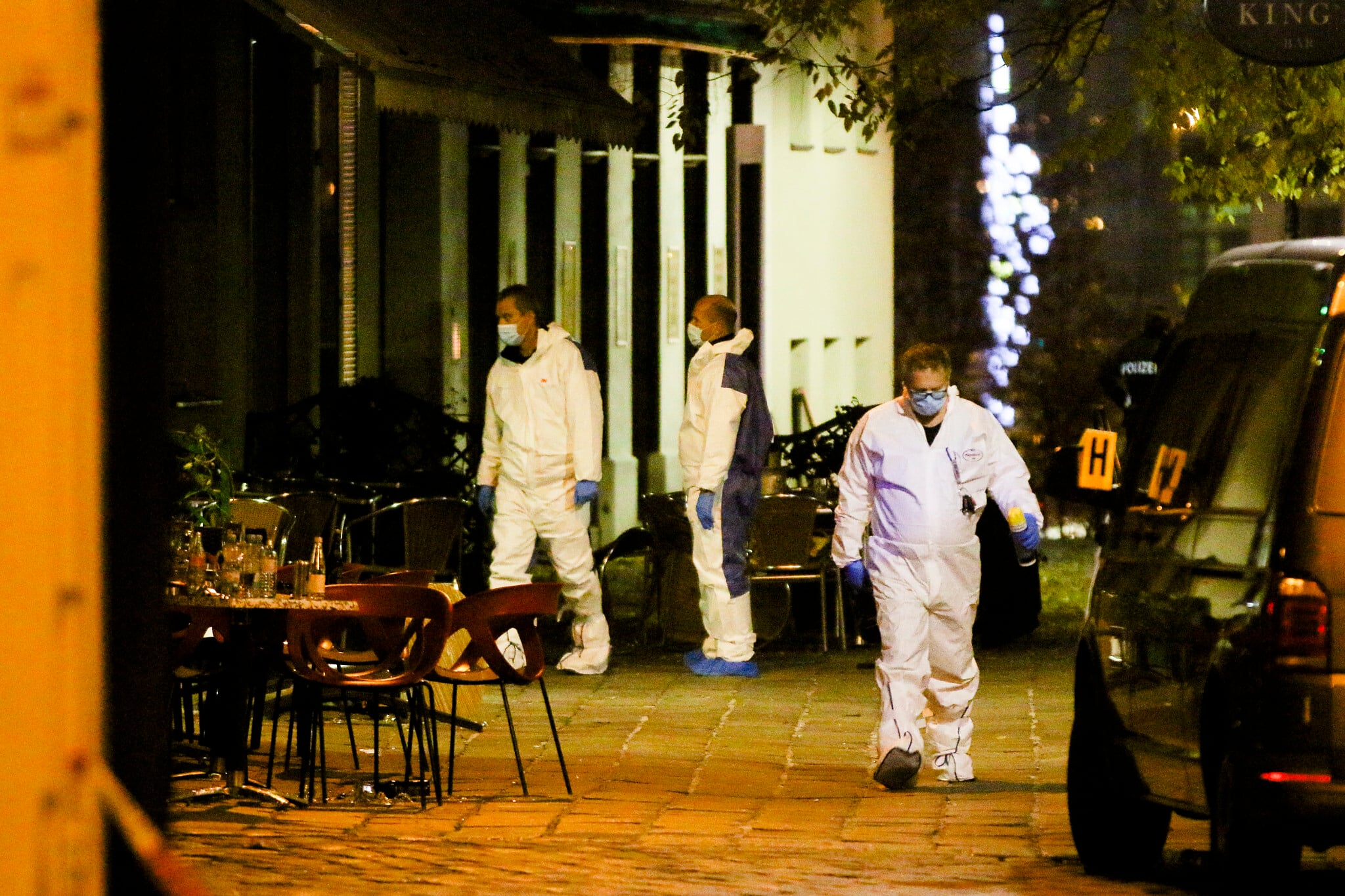
A full assessment of copious video evidence has confirmed that he was a lone assailant, Interior Minister Karl Nehammer said.
Austrian officials say that Fejzulai, a dual citizen of Austria and North Macedonia, hoodwinked the justice system’s deradicalization program after his release. And Nehammer said Wednesday that other things appeared to have gone wrong.
Slovak intelligence informed Austria that Fejzulai was trying to buy ammunition, and “something apparently went wrong with the communication in the next steps,” Nehammer said. He added that he would propose that an independent panel to be set up to examine “where things happened that shouldn’t have happened.”
In neighboring Slovakia, police said they received information during the summer about “suspected persons from Austria” trying to buy ammunition.
“They failed to make the purchase,” they said. “We immediately sent the information to our Austrian colleagues.”
Austrian public security director Franz Ruf said Austrian intelligence officials received the information and asked questions of their Slovak counterparts but it’s unclear “whether the process went optimally.”
Fourteen people associated with the attacker were detained Tuesday for questioning. Nehammer said their ages range from 18 to 28 and all have immigrant roots. Some don’t have Austrian citizenship.
Police in the Swiss city of Winterthur said Tuesday two men were arrested there. Swiss daily St. Galler Tagblatt reported that Swiss Justice Minister Karin Keller-Sutter described them as “colleagues” of the attacker.
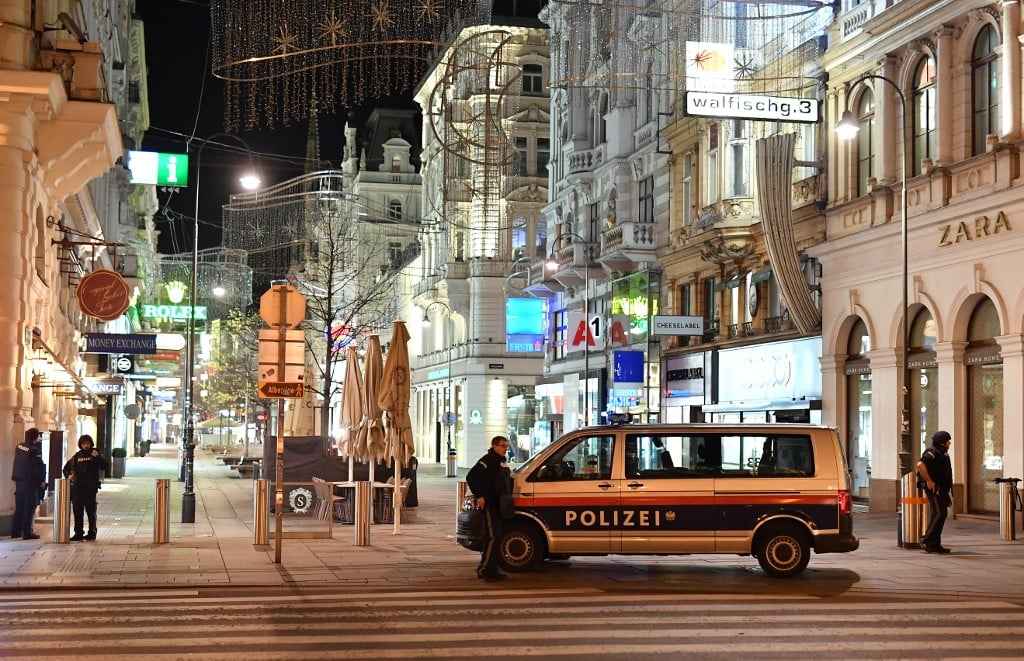
Ruf said Austrian authorities are in close contact with their Swiss counterparts.
The assailant attended school in Vienna for years and until recently lived with his parents in the city, Ruf said.
In August 2018, he tried to travel to Afghanistan to attempt to join IS, but was turned back because he had no visa. In September of the same year, he traveled to Turkey in hopes of getting to Syria to join the extremist group, but was detained and held for months by Turkey before being returned to Austria in January 2019, where he was arrested at the airport.
Neighbors of the suspect described him as friendly and polite.
“On Monday – the same day he committed the crime – he helped a lady carry her bags up the stairs, the grocery bags,” said Herrmann Scheerer, 58.
IS claimed credit for the Vienna attack. The claim of responsibility was published through the militant group’s media arm, Aamaq. It didn’t elaborate on the attacker’s ties to IS and had similar wording to past, opportunistic claims by the group.


The Times of Israel Community.