

Bezeq owner, ex-Netanyahu adviser ordered held until Sunday in Bezeq case
Shaul Elovitch, said to be suspected of bribes of ‘up to NIS 1 billion,’ and Nir Hefetz to stay in custody despite apparent collusion between judge, investigator
 Add ToI as a Preferred Source on Google
Michael Bachner is a news editor at The Times of Israel
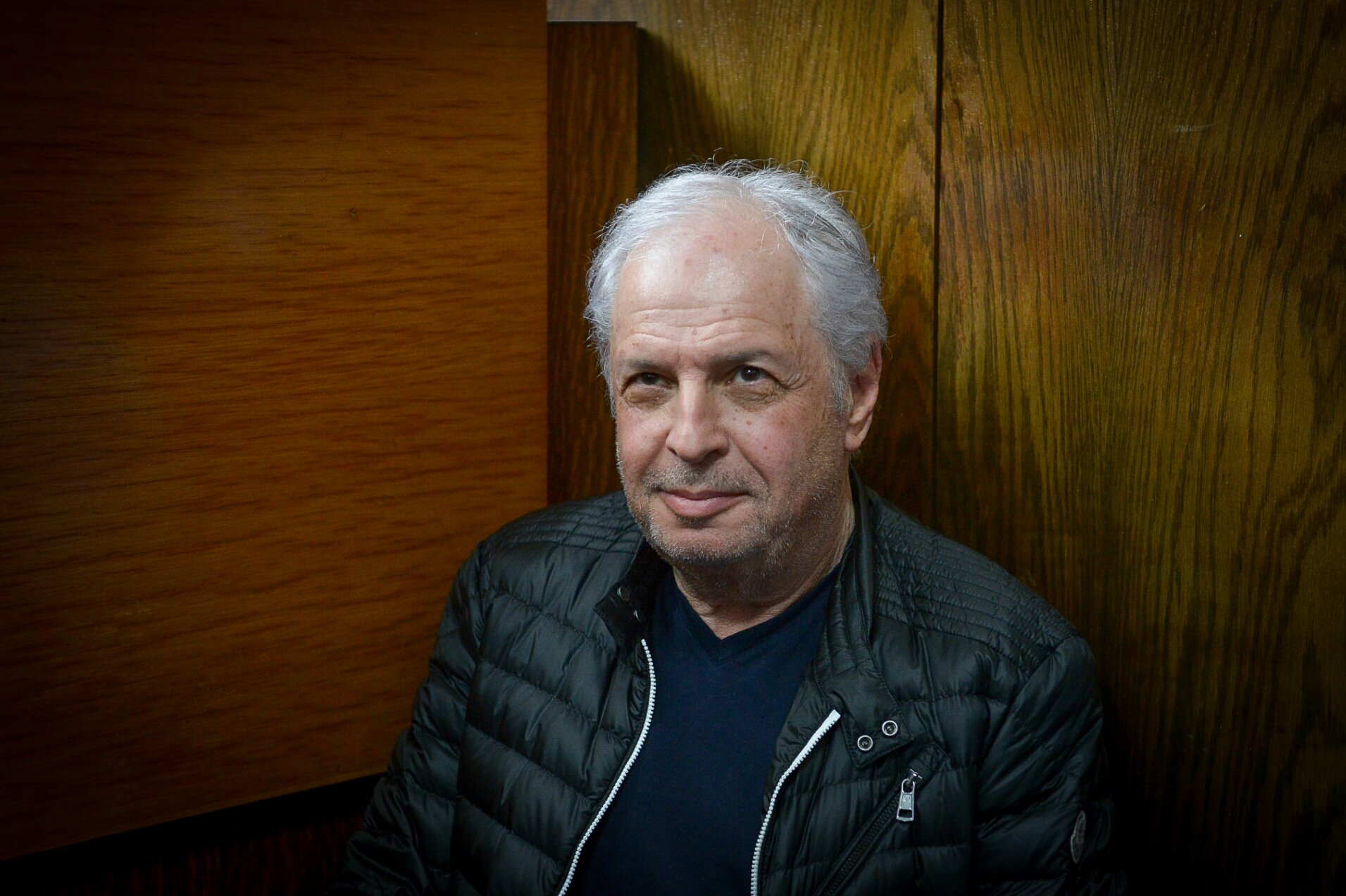
Two central suspects in the Bezeq probe, a high-profile corruption case involving Prime Minister Benjamin Netanyahu, were remanded on Monday and are to stay in custody until next week.
Shaul Elovitch, the majority shareholder in the Bezeq telecommunications company, and Nir Hefetz, a former media adviser for Netanyahu, were ordered held until Sunday.
Another suspect Eli Kamir, a former adviser to Elovitch, had his remand extended until Wednesday.
The decision, handed down by the Tel Aviv Magistrate’s Court, comes despite attempts by the suspects’ lawyers to argue that a text message conversation between a judge and one of the investigators in the case invalidated the state’s bid to hold them in custody.
The case, known as Case 4000, involves suspicions that Elovitch ordered the Walla news site, which he owns, to grant positive coverage to Netanyahu and his family, in exchange for the prime minister advancing regulations benefiting Elovitch.
Elovitch is suspected of giving and receiving bribes and illicit favors worth “up to a billion shekels,” prosecutor Yehudit Tirosh of the Israel Securities Authority said during the deliberation on Elovitch’s request to be released to house arrest.

Tirosh contended that Elovitch “proved with his actions that he cannot be trusted, not then and not since then” and that he should therefore be kept in custody.
She said the case is “very serious” and the suspects should be remanded because there is a substantial risk they would obstruct the investigation if freed.
Elovitch, for his part, complained to the judge of “repeated efforts to break my spirit.”
“They’re trying to use this investigation to break me, to make me confess to something I never did,” he told the judge. “But even if I keel over and have a heart attack, I won’t do it, I won’t lie.”
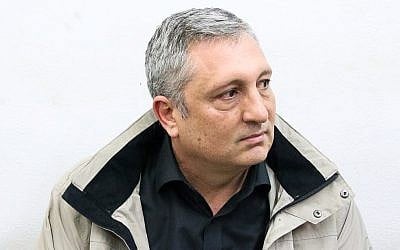
Hefetz told court during his remand hearing that he was innocent, adding that “the system has been putting immense pressure on me, like you have never seen,” also adding that police had “hoodwinked” the court by getting it to extend Hefetz’s remand twice before.
Earlier, the court released four other suspects in the case — Elovitch’s wife, Iris; his son, Or; Bezeq CEO Stella Handler; and Bezeq’s deputy CEO for business development, Amikam Shorer — to house arrest.
Suspended Communications Ministry director Shlomo Filber, who turned state witness last week and is expected to provide information possibly incriminating Netanyahu in the corruption probe, had his remand extended by 15 days last Wednesday.
The presiding judge was Ala Masarwa, taking over for Ronit Poznansky-Katz, who has been placed on immediate leave pending an investigation into her conduct.
On Sunday, leaked text messages between a public prosecutor and Poznansky-Katz appeared to show the two coordinating remand rulings before hearings were even held.
In a WhatsApp chat obtained by Channel 10 news, Israel Securities Authority lawyer Eran Shacham-Shavit tells the judge that the prosecution would seek the release of some suspects but not others.
“Try and act surprised” in the courtroom, Shacham-Shavit writes.
“I’m practicing my surprised face,” Poznansky-Katz responds.
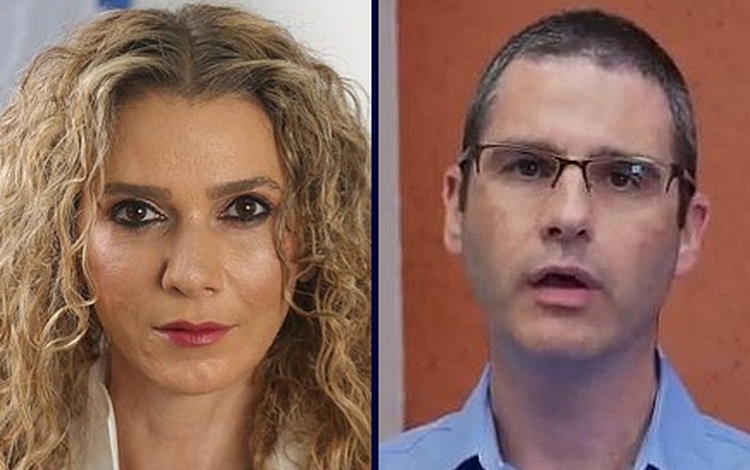
In another chat, Shacham-Shavit writes that regarding the suspects “[Bezeq CEO] Stella [Handler] and Iris [Elovitch, Shaul’s wife], we will ask for a few more days tomorrow. They will request three days, but you can definitely, definitely give two days.”
“You’re continuing to reveal everything to me and I’ll have to act really, really surprised,” Poznansky-Katz responds, apparently jokingly.
The conversation took place before the suspects’ remand hearings in the so-called Case 4000, where they were ostensibly to be given an opportunity to make their case before the judge decided whether they can be released from custody and under what conditions.
On Sunday, a source familiar with the various investigations told The Times of Israel that it was “likely” investigators would summon the prime minister for questioning on Case 4000 this Friday, Purim in Jerusalem, “possibly” even under caution, which would mean that they were treating him as a suspect.
The source also said that the prime minister could be interrogated as a criminal suspect in Case 3000.
That case involves suspected corruption in the purchase of submarines and other naval vessels from German shipbuilder ThyssenKrupp. It has focused on suspicions that state officials were bribed to influence a decision to purchase four patrol boats and three Dolphin-class submarines costing a total of 2 billion euros, despite opposition to the deal from the Defense Ministry.
Neither the Israel Police or the Prime Minister’s Office would confirm that an interrogation on cases 3000 and 4000 had been scheduled for Friday or that Netanyahu would face questioning in either case.
Times of Israel staff and AP contributed to this report.






The Times of Israel Community.