

Brexit, anti-Semitism loom as Corbyn makes pitch for power
With party facing deep divisions, speech to Labour conference not expected to address toxic issue of whether to stay in European Union
 Add ToI as a Preferred Source on Google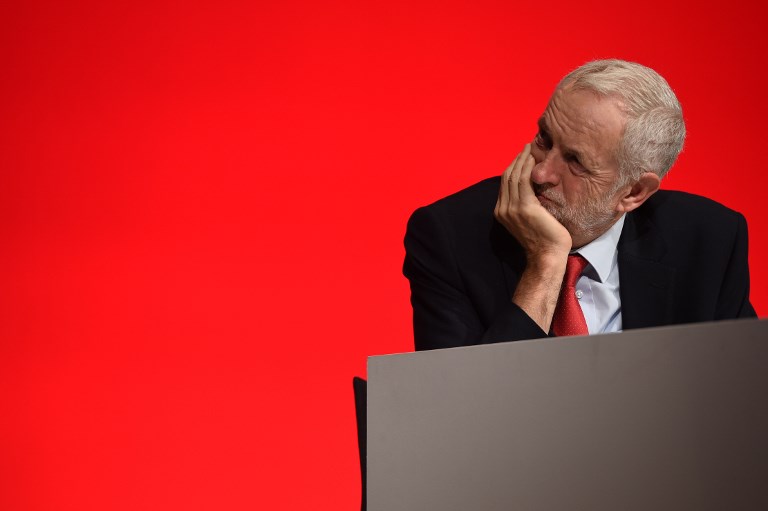
LIVERPOOL, United Kingdom — Britain’s opposition Labour leader Jeremy Corbyn will use a keynote conference speech Wednesday to present himself as the man to lead Britain but faces a daunting task uniting his rebellious MPs over the divisive Brexit question and anti-Semitism allegations that have roiled the party.
The veteran leftist is expected to dodge direct commitments on the toxic Brexit issue, and instead advance a radical domestic agenda built around themes of social justice.
He hopes it will appeal to voters who could be heading to the polls if Prime Minister Theresa May’s government collapses under the pressure of Brexit before Britain is set to leave the EU in March.
Corbyn is due to use his speech in Liverpool, north west England, to promise an expansion of free childcare for poor households, saying that “driving up standards of childcare will make that vital difference for millions of our children.”
But Brexit and the accsusations that the party has failed to tackle anti-Semitism have loomed large over the four-day party event, causing ructions that the leader will be keen to avoid on Wednesday.
“I think Corbyn’s speech will be built around the theme of government-in-waiting, ‘this lot have failed on everything from Brexit to the NHS, they’ve let the country down, it’s time for a change’,” Anand Menon, Professor of European Politics and Foreign Affairs at King’s College London, told AFP.
While allegations of anti-Semitism have dogged Corbyn since he became Labour leader three years ago, the furor has reached fever pitch since March.
The crisis over anti-Semitism in the Labour Party has caused a major schism within its ranks and led Jews to express fears over their future in the country.
On Tuesday, Labour’s foreign affairs spokeswoman Emily Thornberry warned that the party must kick out “sickening individuals on the fringes of our movement, who use our legitimate support for Palestine as a cloak and a cover for their despicable hatred of Jewish people, and their desire to see Israel destroyed.”
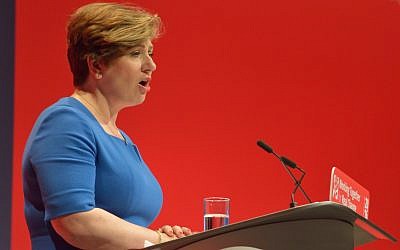
“Those people stand for everything that we have always stood against and they must be kicked out of our party,” Thornberry said.
Menon said it would be good to hear Corbyn speak out on the issue from the rostrum as well.
“It will be good to have some strong statements from the platform, saying ‘ok, we got this wrong’,” said Menon. “They can’t pretend it hasn’t happened.”
On Sunday, Corbyn himself insisted he was not an anti-Semite, but refused to apologize for a series of incidents involving him and other party members that have drawn accusations of rampant anti-Semitism and anti-Israel sentiment.
In an interview with BBC host Andrew Marr ahead of the party’s annual conference, Corbyn defended his own conduct and his handling of some of the scandals that have rocked the opposition party in recent months.
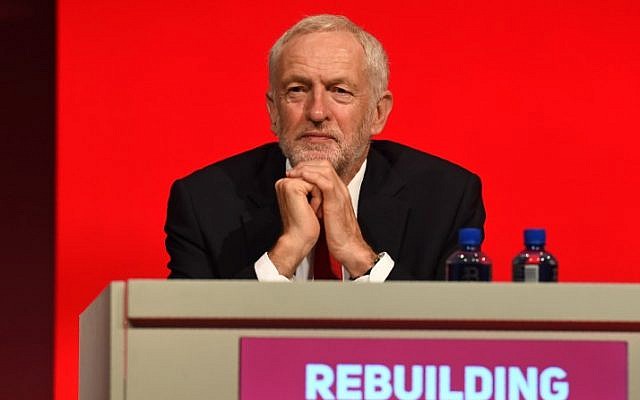
When asked by Marr if he wanted to “express personal remorse” over the ongoing crisis, Corbyn responded: “I’ll simply say this, I am an anti-racist and I’ll die an anti-racist. Anti-Semitism is a scourge in any society. I have opposed it all my life and I will continue to oppose it all my life.”
Corbyn insisted to Marr that he was “absolutely” not anti-Semitic, while defending a remark he made about British Zionists not understanding irony, his attendance at a memorial for Palestinian terrorists, and Labour’s reluctance to fully adopt the IHRA’s definition of anti-Semitism.
Election calls
With the Brexit negotiations entering their final phase, a conference spat between two senior MPs gave Corbyn a taste of the showdown looming within the party.
Shadow finance minister John McDonnell, a key Corbyn ally, and Brexit secretary Keir Starmer both publicly pressured Corbyn on whether or not to rule out another referendum on Britain’s EU membership.
Party delegates voted on Tuesday to support “all options remaining on the table” on Brexit, including campaigning for a second vote if May is unable to get a final deal through parliament.
But veteran leftist McDonnell went off message on Monday, saying the option of staying in the European Union should not be on any ballot paper.
The pro-EU Starmer hit back, receiving rapturous applause from members when he also veered off script to insist that remaining in the bloc was still on the table, exposing the power struggle behind the veneer of party unity.
Corbyn, a long-time eurosceptic, must find a way to reconcile his pro-EU MPs and members with the party’s working class voter base, who broadly support Brexit, if he is to capitalize on May’s vulnerability at the ballot box.
The leader kept his options open on Tuesday, telling the BBC: “We haven’t said there’s going to be anything yet.”
“What we’ve said (is that) all options must be considered if and when this government collapses or its negotiations collapse.”
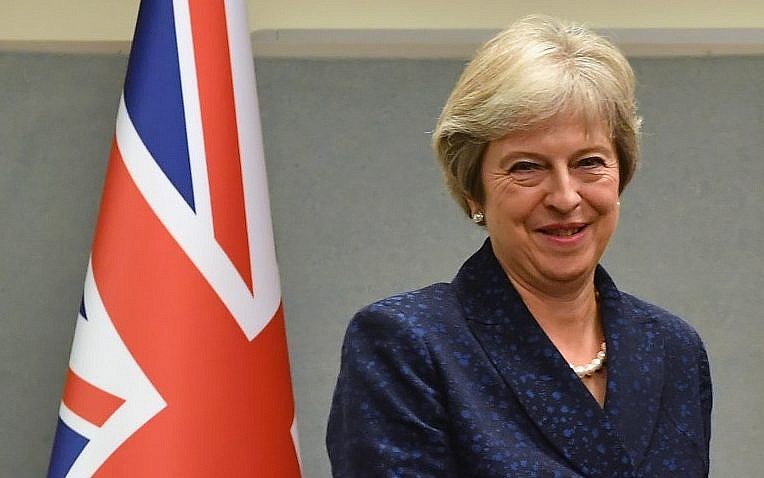
For now, the party can unify around attempts to bring down the government, the first step of which will be voting to reject any deal May strikes with the EU, which Starmer said was “increasingly likely.”
May would then need the support of almost all of her MPs to get it through parliament, an unlikely scenario given her own party’s divisions.
Labour has also vowed to block a no-deal Brexit, and suggested a general election should be called in such a scenario, although pro-EU David Lammy doubted it would happen.
“Most people here want a general election and want Jeremy Corbyn running the country, in the end that will be down to getting a two-thirds majority in the House of Commons, my own view is that’s not likely to happen,” he told AFP.
TOI staff and agencies contributed to this report.






The Times of Israel Community.