

Coalition blocks bill for immediate funds for released hostages, bereaved families
Opposition MK who proposed legislation says coalition ‘turned its back’ on freed hostages, one of whom decries lack of support after returning from Hamas captivity
 Add ToI as a Preferred Source on Google
Ariela Karmel is a political correspondent at The Times of Israel. She previously reported for Calcalist and Haaretz. She holds an MA in Middle Eastern and African History from Tel Aviv University and a BA in Political Science from the University of British Columbia.
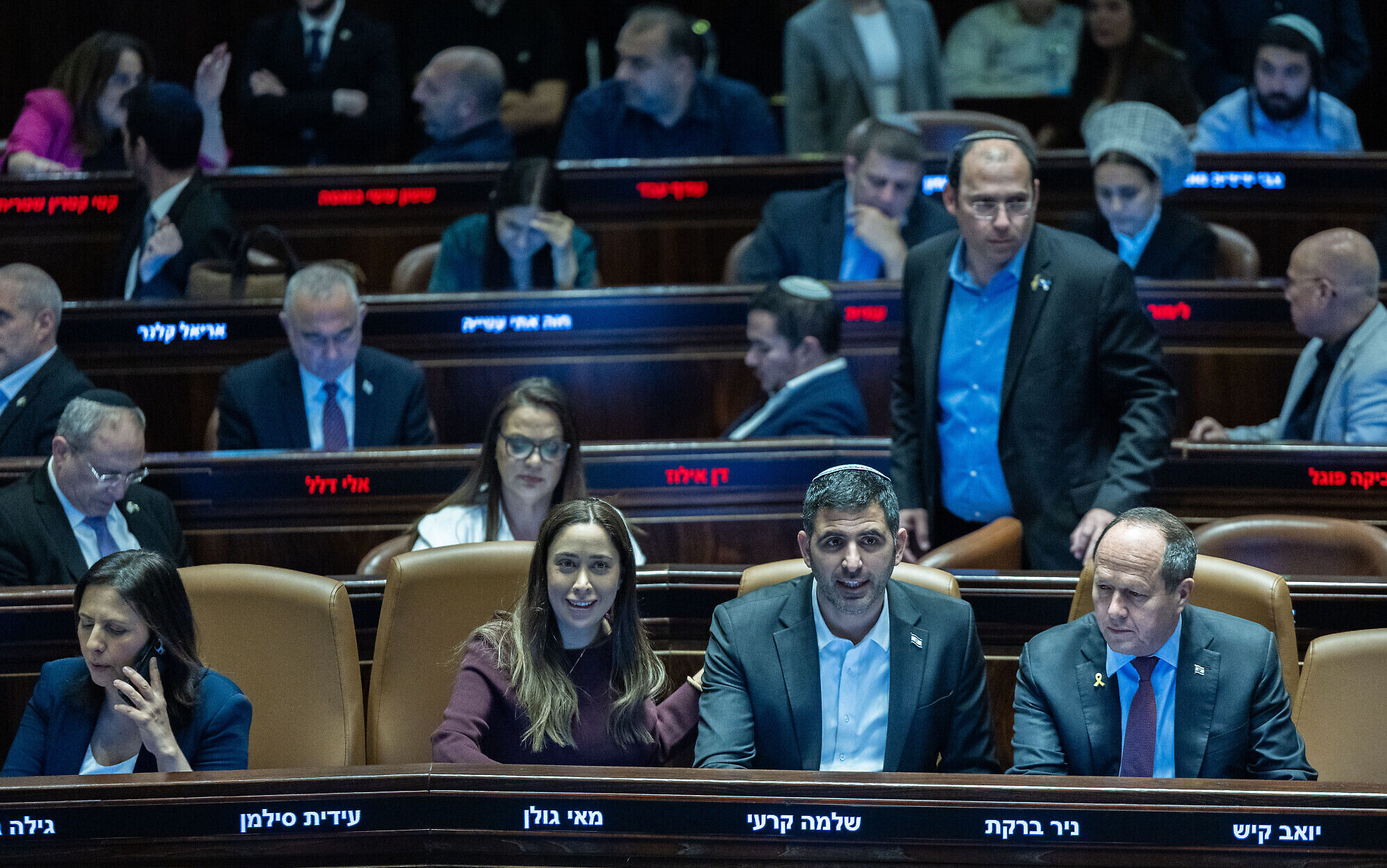
The coalition on Wednesday voted down a bill forwarded by an opposition lawmaker proposing immediate financial assistance for released hostages and families of murdered hostages.
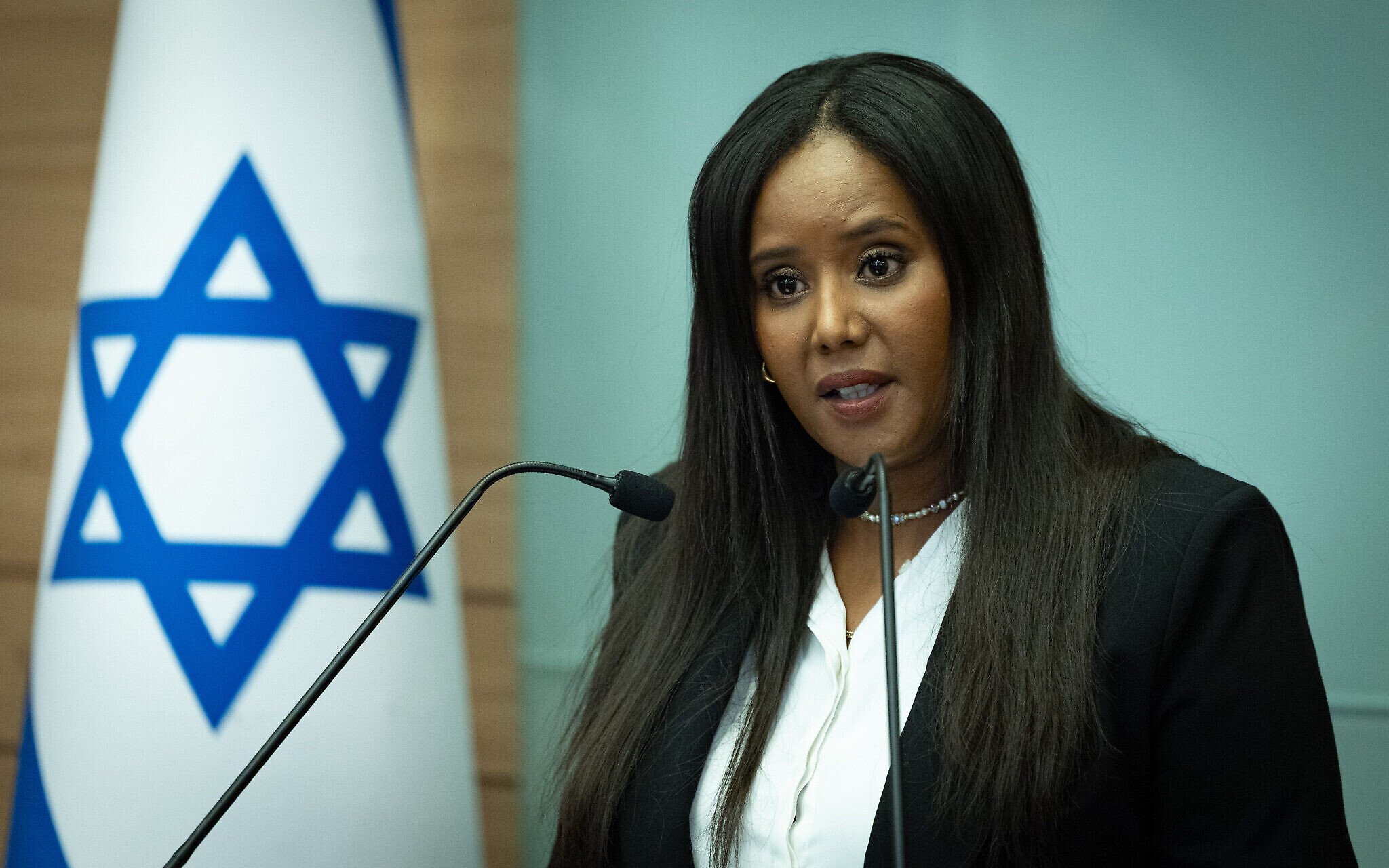
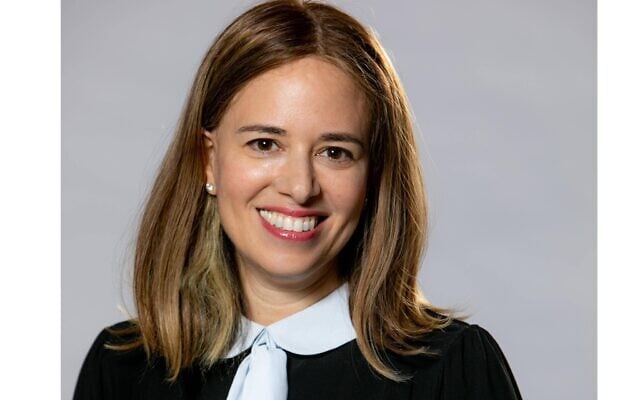
The bill, proposed by Blue and White party MK Pnina Tamano-Shata, would have granted an NIS 4 million ($1.2 million) aid package to released hostages and their families, several of whom have reached out to the public to ask for donations to supplement the state-funded stipends and grants that captives freed from Gaza each receive to cover their rehabilitation.
After the bill was defeated in a 50-40 vote, Tamano-Shata criticized the coalition, saying it “turned its back on the released hostages and the families of the fallen.
“They have already endured unimaginable suffering,” she wrote in a post on X. “The government refuses to give them the protection and economic security they need and leaves them to depend on the goodwill of the public. I will continue to act in every way until the hostages and their families receive the full support they deserve.”
Former IDF chief Gadi Eisenkot, who broke away from Blue and White to establish a new party called Yashar!, said it was a “moral disgrace” that the law was voted down.
“Those who were abandoned on this government’s watch on October 7 are abandoned by it today again,” he wrote on X. “There is money for unnecessary ministries, political exploitations, and coalition funds, but there isn’t any for the rehabilitation of people who went through the hell of Hamas captivity?”
He added the vote was a “stain that won’t be erased.”
The Hostages and Missing Families Forum expressed “deep disappointment with the decision of the coalition” for voting against the measure, which showed that hostages are “once again left behind.”
“At a time when families must turn to crowdfunding to fund their rehabilitation, the state chooses to turn its back and not grant even the most basic response,” the forum said in a statement.
“On October 7, the State of Israel violated the contract between it and the citizens who were left without the protection they committed to give. Also, today, more than two years later, it continues not to carry the responsibility for those who were harmed in the most serious way,” the statement read.
Eliya Cohen, who was released in February, lamented the lack of support he received in response to the coalition’s shooting down the bill.
“Work for 26 years in a country. Serve for three years, perpetually risking your life. Go celebrate a festival in the country where you pay around 50 percent of your wage so that you’ll be safe. They [Hamas] kidnap you. They abuse you, and after they [Israel] do you a favor by returning you when they return you, they throw an 8,000 shekel wage at you when rent in Kiryat Shmona costs 3,000,” he wrote on his Instagram story.
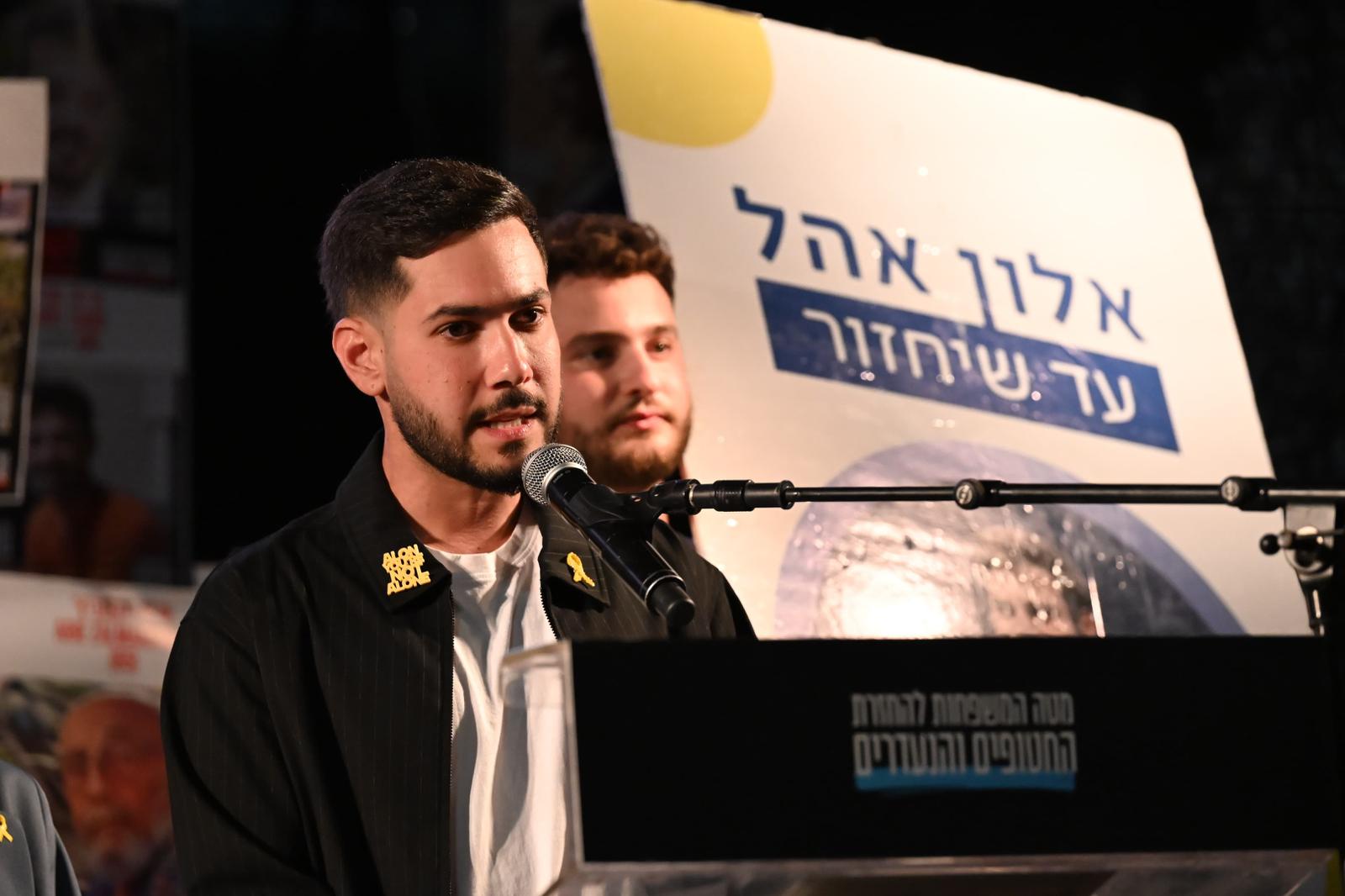
“I am ready to pay 16,000 each month just to erase an embarrassing year-and-a-half nightmare,” he wrote. “And when I speak now, I speak just about the country and not about the soldiers who give their lives for us each day.”
Earlier this month, Rom Braslavski, who was freed from Palestinian Islamic Jihad captivity in October, called attention to the plight of freed captives and accused the government of ignoring their plight in a wrenching Facebook post.
He said that the total sum he received in government funds after two years as a hostage was NIS 60,000 ($18,600), which he called “simply an embarrassment,” as well as a monthly stipend of NIS 9,000 ($2,790).
The average salary in Israel, according to the Central Bureau of Statistics, is NIS 14,800 ($4,595) per month.
Hamas released 20 living hostages and returned the remains of 25 deceased captives since a ceasefire began in October. It is still holding the bodies of two hostages: Master Sgt. Ran Gvili, and Thai national Sudthisak Rinthalak.




The Times of Israel Community.