

Come war, peace or pandemic, African doctors train in Israel to save lives back home
Some 165 medical professionals have received fellowships through Save a Child’s Heart; the nonprofit has helped over 8,000 kids from around the world since 1995
 Add ToI as a Preferred Source on Google
Reporter at The Times of Israel
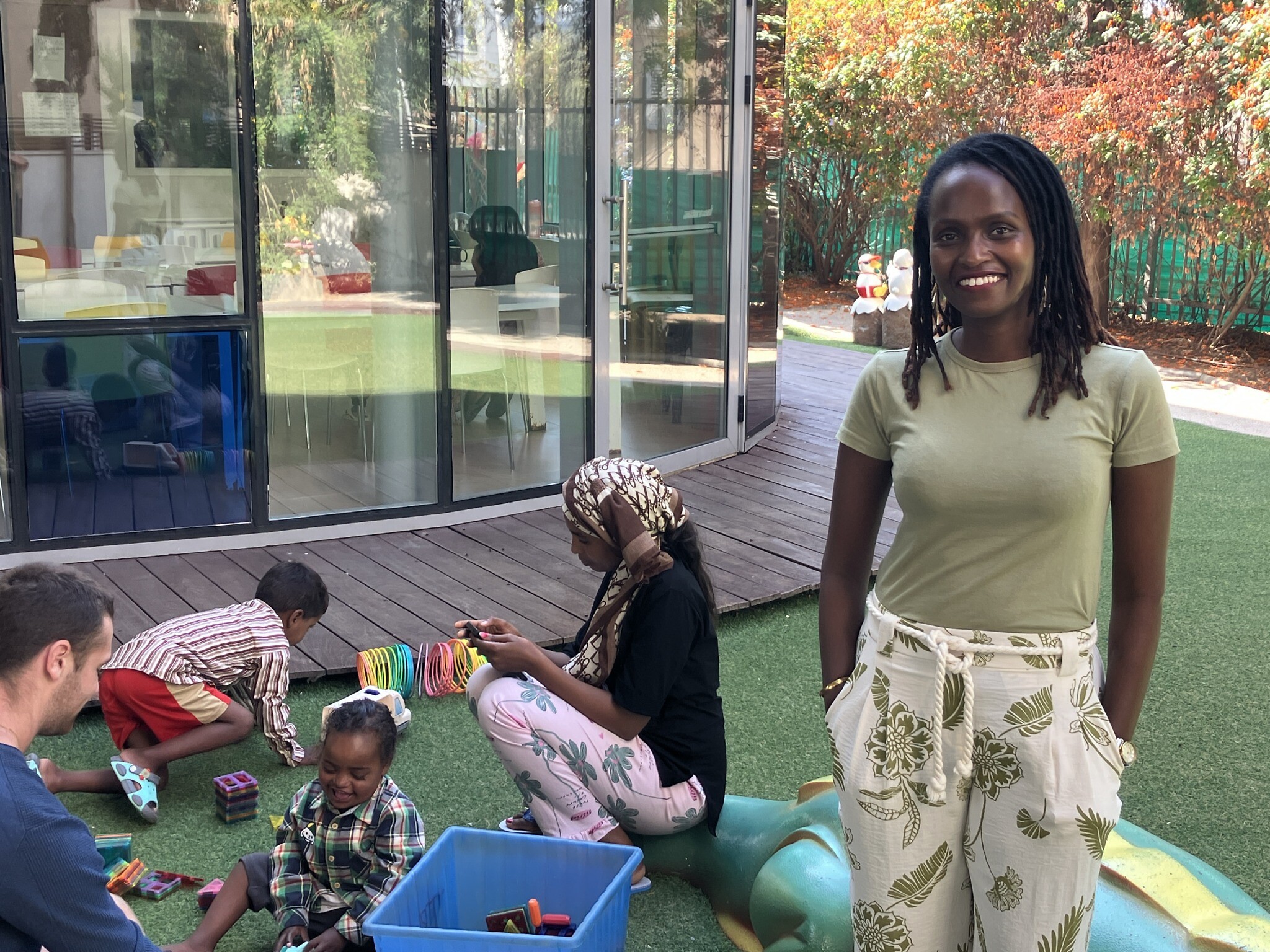
Dr. Lise Mumporeze was 5 years old when her entire family was slaughtered in the Rwandan genocide in 1994.
About 800,000 people of the Tutsi minority were killed, mostly by members of the Hutu ethnic majority. However, nearly 32 years later, Mumporeze, now 37, says the prevailing sentiment in Rwanda today is one of reconciliation.
“That moment destroyed us then, and if we don’t come together, this is what will happen again,” Mumporeze recently told The Times of Israel.
It was the last day of Mumporeze’s two-year fellowship program in pediatric intensive care at the Sylvan Adams Children’s Hospital at Wolfson Medical Center in Holon, a city near Tel Aviv. Also at the end of his stint was Dr. Fitsum Argaw Abebe, an Ethiopian doctor who spent five years specializing in pediatric cardiology at the hospital.
Both doctors had received scholarships, stipends, and full room and board through Save A Child’s Heart (SACH). This Israeli humanitarian organization, founded in 1995, has treated almost 8,000 children from 73 countries where access to pediatric cardiac care is limited or nonexistent.
Save A Child’s Heart also runs a fellowship training program for medical professionals, primarily from Africa, who then return to their home countries to provide advanced medical services.
More than 160 doctors and nurses have participated in the program over the years, including during the COVID-19 pandemic. Currently, eight doctors are interns at the children’s hospital.
On that evening, Mumporeze flew home to rejoin her husband and their two children — and to begin work as the first pediatric intensive care specialist in Rwanda, working at King Faisal Hospital in the capital, Kigali.
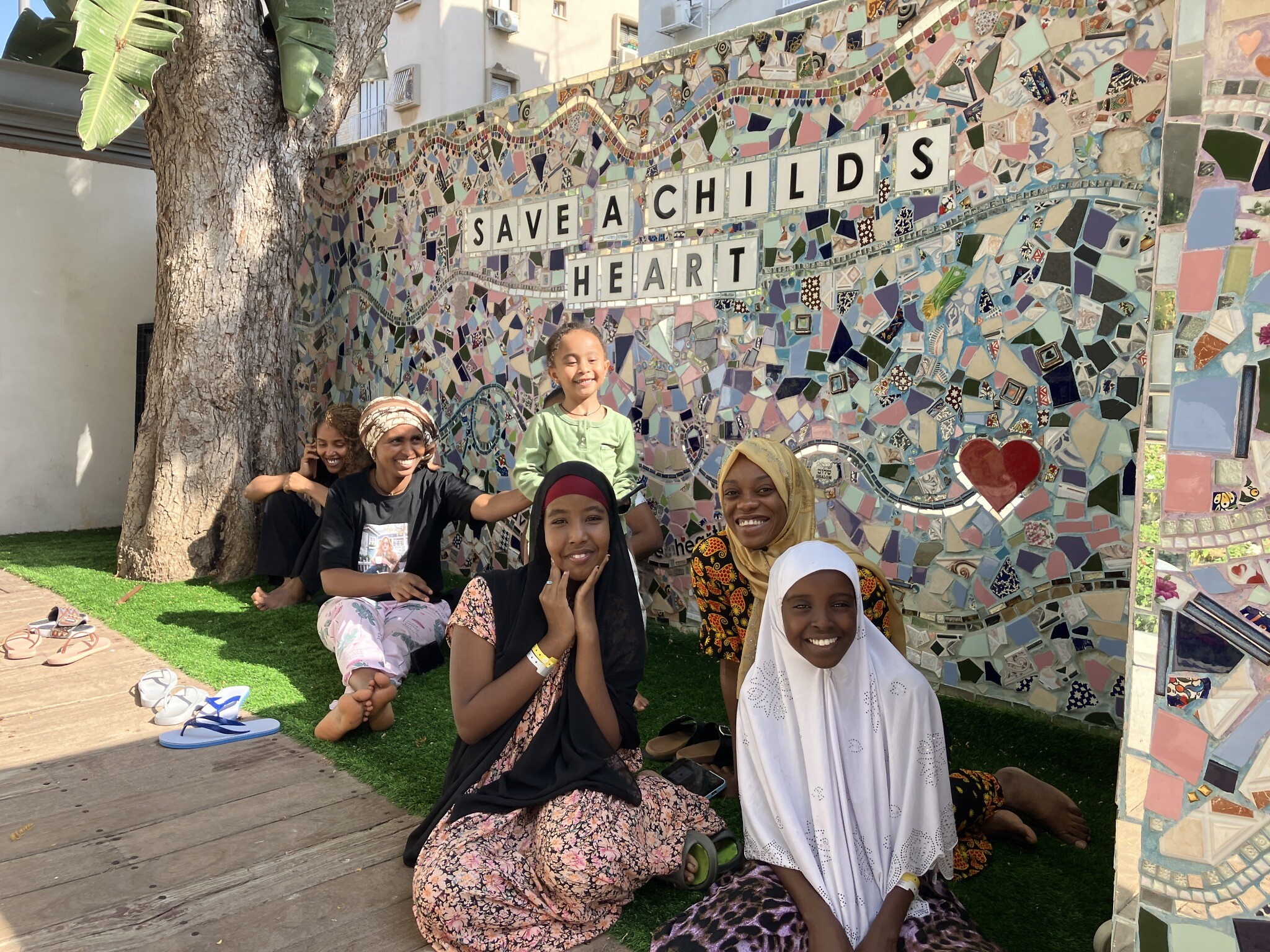
Despite Mumporeze’s sunny disposition — she said that “life is painful but we have to try to stay positive” — she remembered that when she first heard about the October 7, 2023, Hamas atrocities, her first thought was, “Oh no, this is happening again.”
“I had experience with war when you lose everything and you have to run,” Mumporeze said.
She was so frightened by the possibility that Ben Gurion International Airport in Tel Aviv would close and she would never see her two children again that she made a hasty retreat to Rwanda.
While she was there, however, she saw that life in Israel was continuing. After two weeks, she returned to Israel.
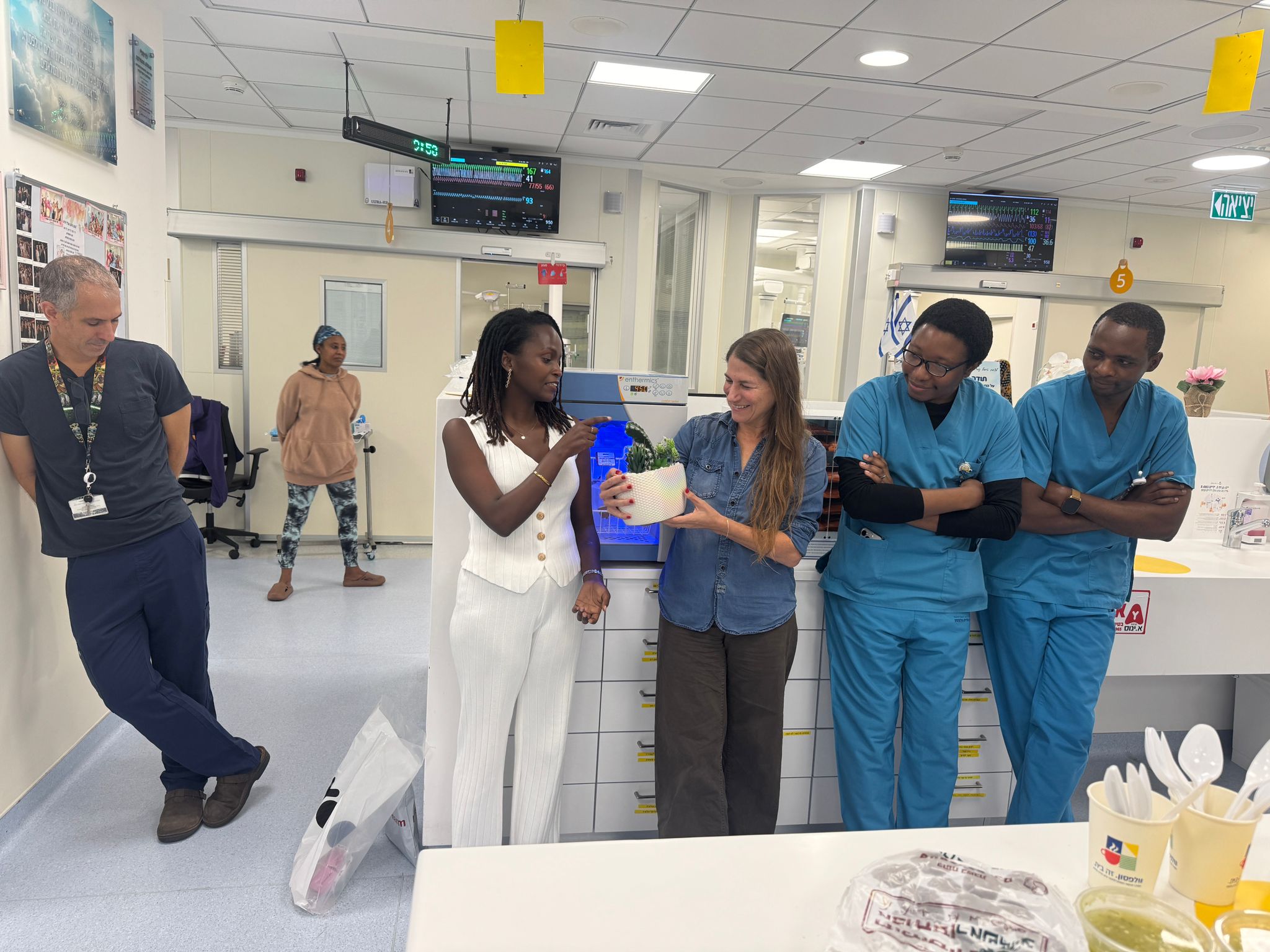
“I saw happiness when the hostages returned from Gaza,” she said. “I also saw sadness.”
Shrapnel from an Iranian-fired missile during the war in June this year caused a fire in a building near her apartment, but “I didn’t see bloodshed.”
She also learned many useful medical skills, but “the most important thing” was watching how the hospital’s doctors “keep supporting” the families of the sick children.
“I learned not to give up on any child,” she said. “Sometimes we have good surprises.”
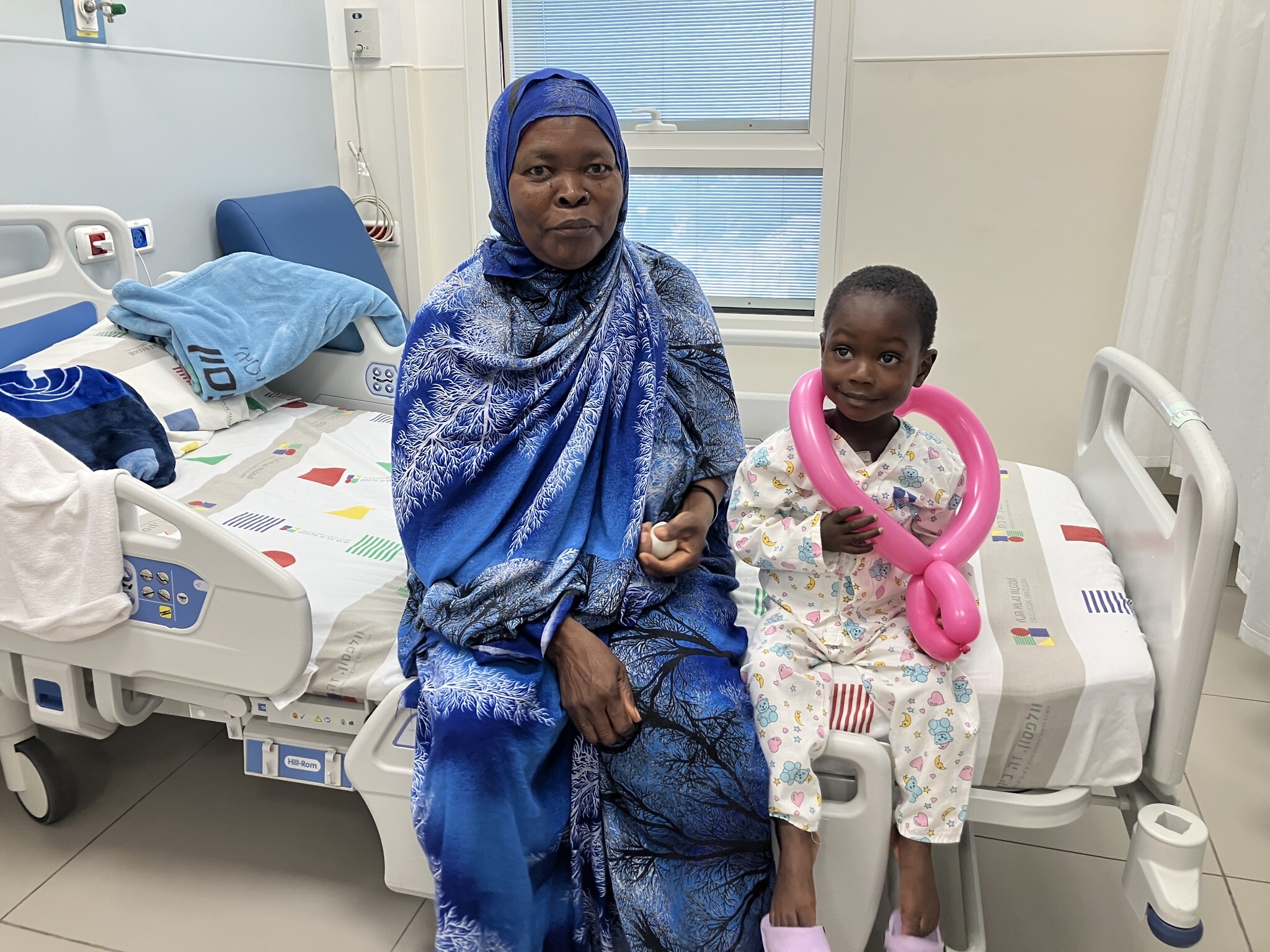
A network of doctors in sub-Saharan Africa
The annual budget for SACH is $8 million (NIS 26 million) from private donors, including SACH honorary international chairman Morris Kahn, Sylvan Adams, Azrieli Canada-Israel Foundation, the Ted Arison Family Foundation, and others.
The organization also encourages the Israeli-trained doctors who have returned to sub-Saharan countries such as Tanzania, Zambia, Ethiopia, and Rwanda to forge partnerships with one another.
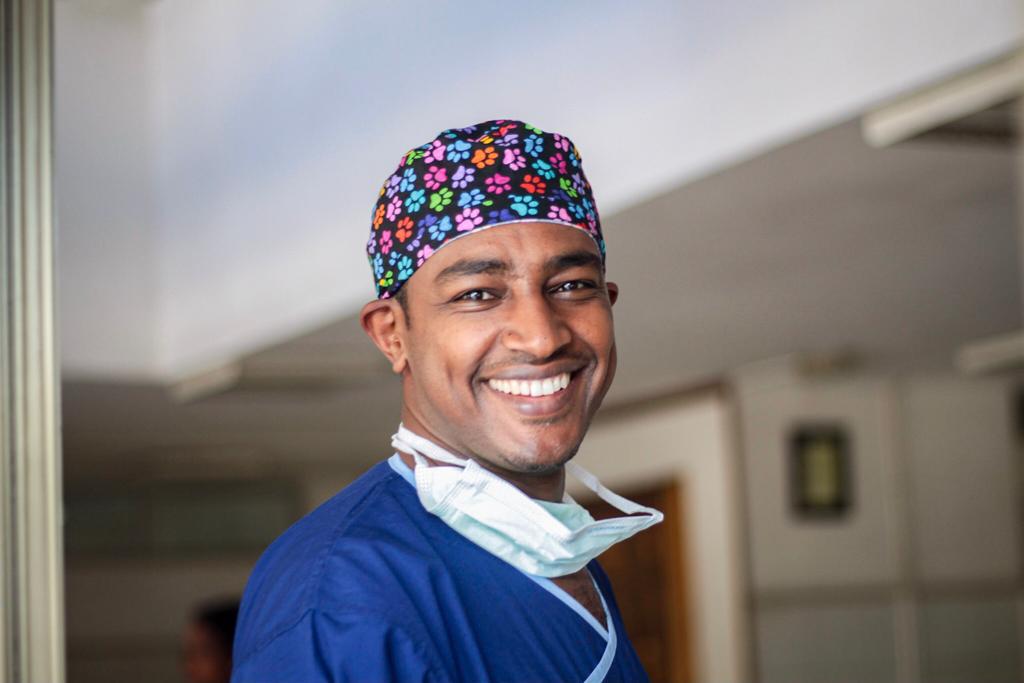
Dr. Yayehyirad M. Ejigu completed a five-year training program at SACH in Israel, becoming the first pediatric cardiac surgeon in Ethiopia. He then moved to Rwanda to head the pediatric cardiac surgery at King Faisal Hospital. Ejigu had recommended the SACH training program to his hospital colleague, Mumporeze.
“We’re training the local staff and sending doctors to Israel so that they can get more experience,” Ejigu told The Times of Israel. “The end game is for local Rwandans to be able to perform children’s heart surgeries by 2028.”
In 2023, the Rwanda government initiated a program, 4X4 reform, to quadruple the number of healthcare workers within four years, Ejigu said. The WHO recommends at least four healthcare professionals per 1,000 people. Rwanda currently has one healthcare worker per 1,000.
“Compared to where Rwanda was 30 years ago and where it is now is just fascinating,” Ejigu said. “It feels so right to be part of their history and to have the opportunity to help run this hospital program. Whatever we learned in Israel has a ripple effect.”
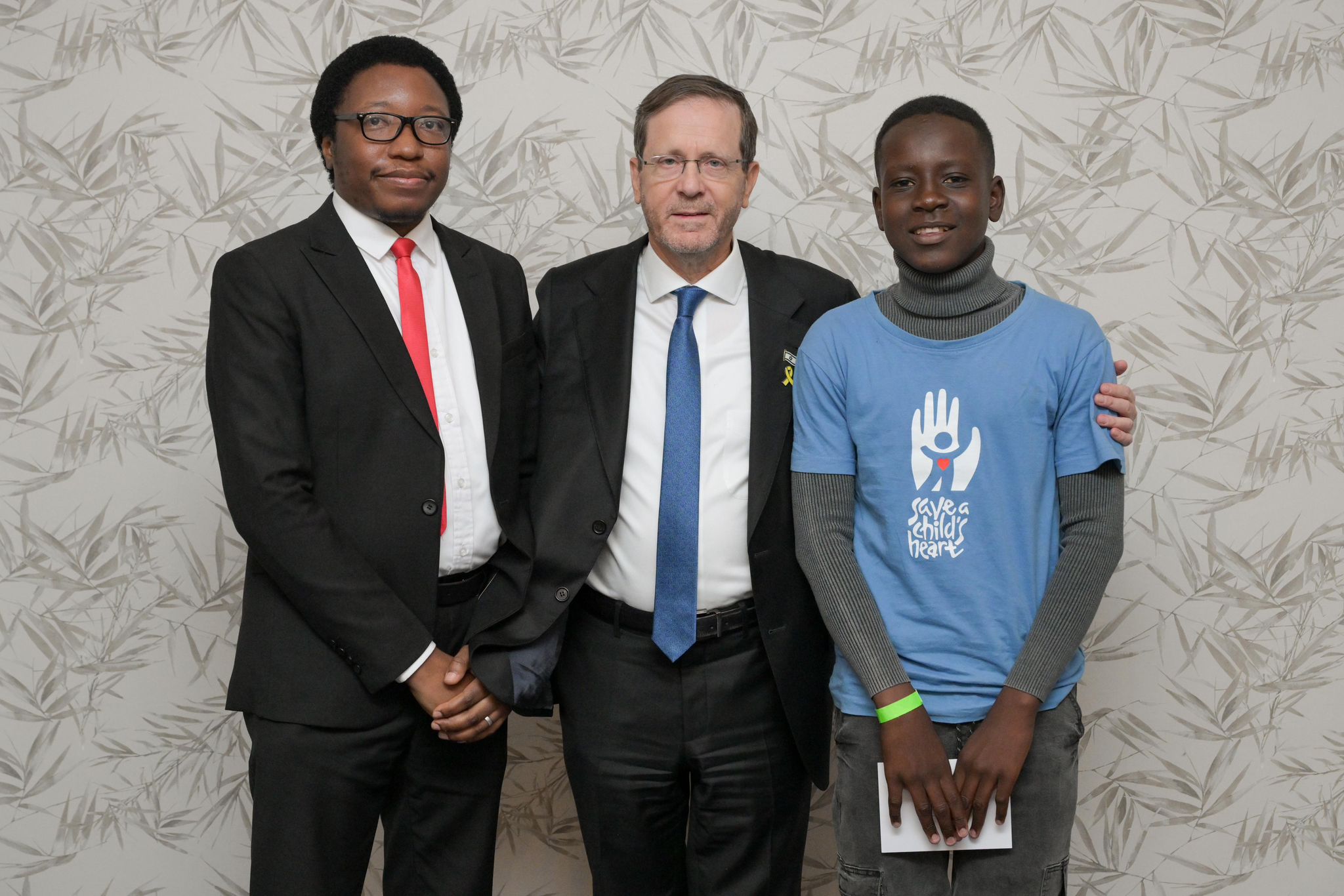
When Foreign Affairs Minister Gideon Sa’ar flew to Zambia to inaugurate an Israeli embassy in August — almost 35 years after Jerusalem and Lusaka renewed relations — he and Zambia’s Foreign Affairs and International Cooperation Minister, Mulambo Haimbe, also met with executives from Save a Child’s Heart, the director of the Zambian National Heart Hospital, and some of the hospital’s medical team who were trained in Israel.
Returning to Ethiopia with life skills
Dr. Fitsum Argaw Abebe from Ethiopia spent five years training at Wolfson Medical Center as a pediatric cardiac surgeon. He will return to Addis Ababa soon, where he will be one of the few pediatric cardiac surgeons in the country.
Speaking to The Times of Israel, Abebe recalled the speech that he gave at a farewell ceremony in honor of himself and Mumporeze the previous week, in which he talked about staying in Israel during the war, even though “it was difficult.”
“But I saw people holding onto compassion, saving lives, and keeping their faith,” he said.
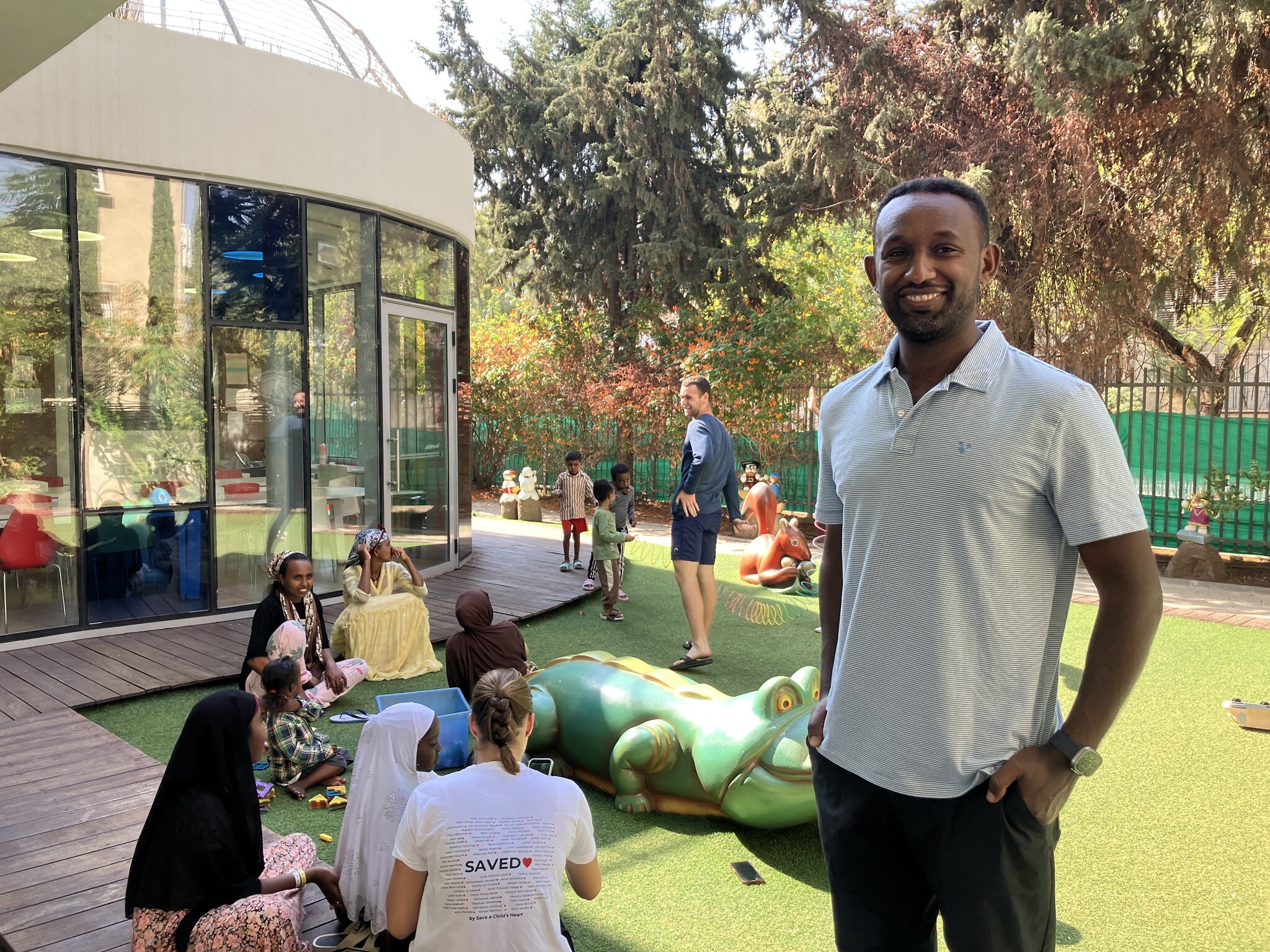
Abebe remembered “sirens day and night, and dark and painful times.” Despite that, he said he had mixed feelings about leaving Israel, which he called “home” for the past five years.
“I have to say that the staff didn’t just train me as a surgeon, they also shaped me as a person,” he said. “I will now give back what I learned here to people who need it the most.”
Abebe said that he learned about the Jewish concept of tikkun olam, making the world a better place.
“That concept will stay with me forever,” Abebe said.









The Times of Israel Community.