

COP30 climate talks end with more money for countries hit by climate change
Negotiations reached deadlock before agreement reached which doesn’t explicitly detail phasing out fossil fuels, fueling fears Brazil conference risks becoming a ‘clown show’
 Add ToI as a Preferred Source on Google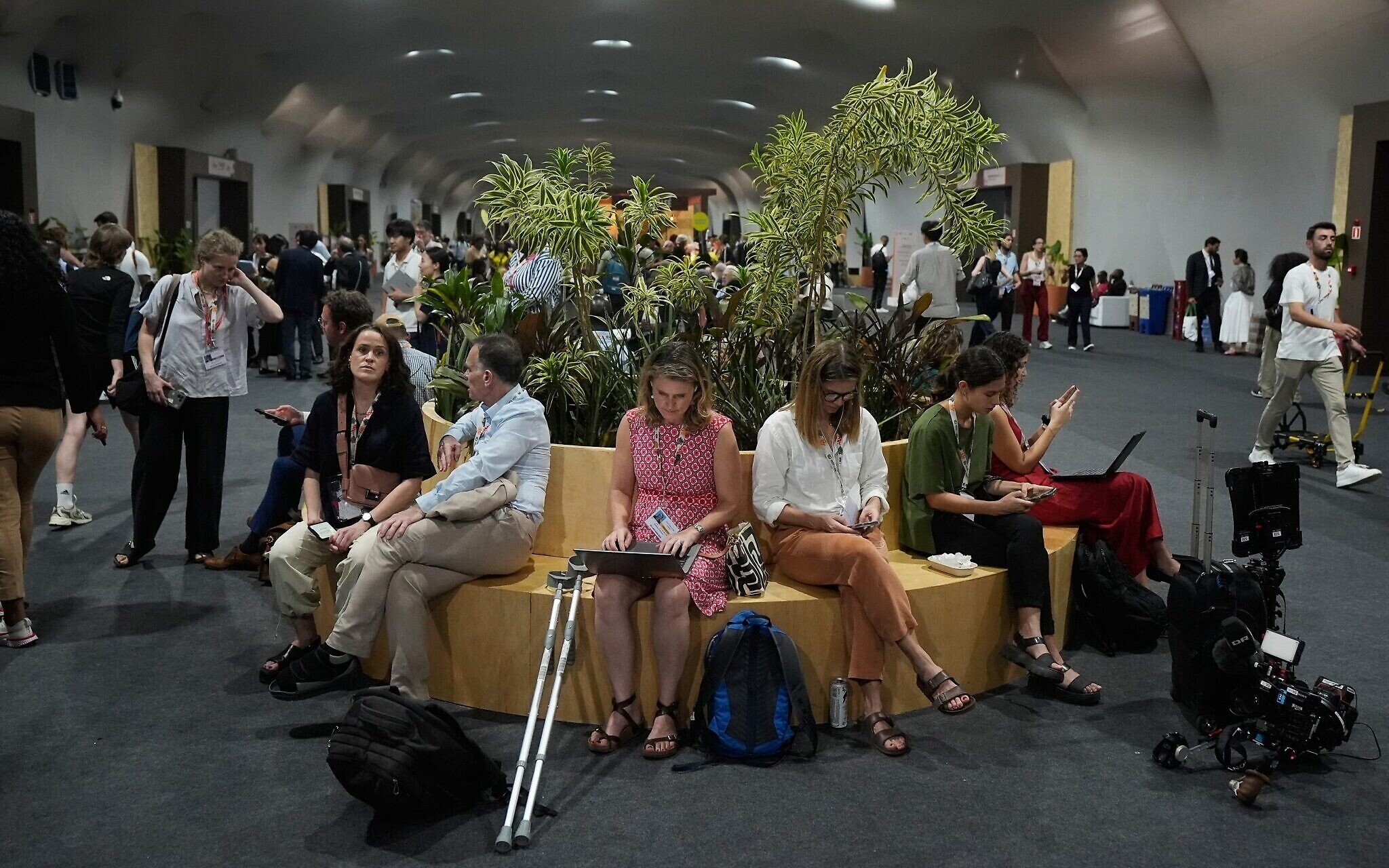
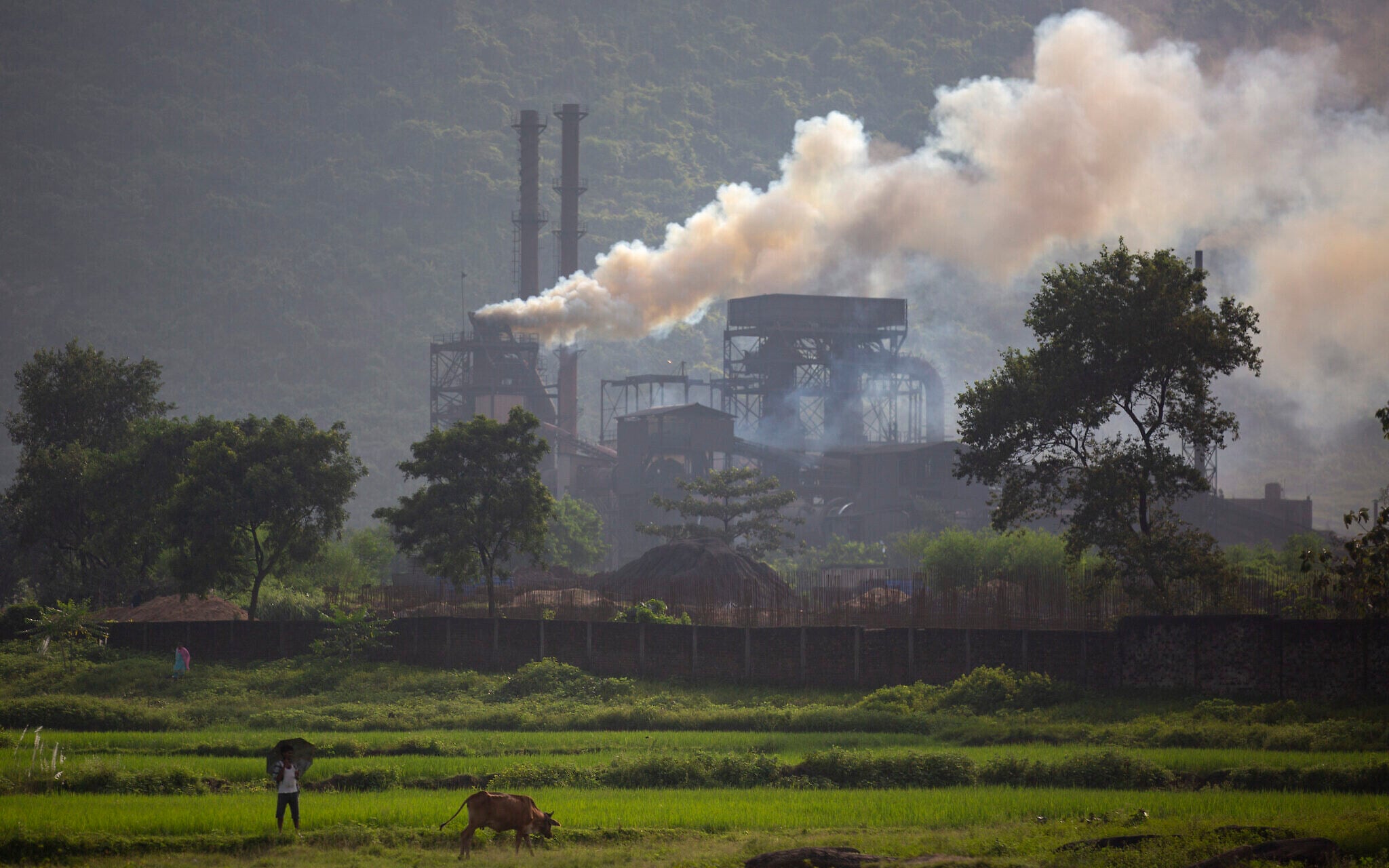
United Nations climate talks in Brazil have reached a subdued agreement to deliver more money to countries hit hardest by climate change and help them adapt to extreme weather’s wrath. But the agreement doesn’t include an explicit, detailed map to phase out fossil fuels or strengthen inadequate emissions-cutting plans.
The Brazilian presidency said it would eventually come up with a road map to get away from fossil fuels, working with hardline Colombia, but it won’t have the same force as something approved at the United Nations climate conference called COP30.
The end of the summit on Saturday was announced as Turkish President Recep Tayyip Erdogan hailed a deal to share responsibility with Australia for next year’s UN climate summit, which will take place in southern Turkey, with Canberra overseeing the formal negotiations.
The agreement came after marathon talks among delegates to find common ground on a host of proposals, including a push by many nations to explicitly cite the cause of global warming: the burning of oil, gas, and coal for energy.
The annual talks this year were held in Belem, a Brazilian city on the edge of the Amazon rainforest. They were scheduled to wrap up on Friday, but negotiators blew past that deadline.
Juan Carlos Monterrey Gomez, a top negotiator for Panama, said Friday that the decades-long United Nations process risks “becoming a clown show” for the emerging failure to cite fossil fuels in a key proposal under discussion.
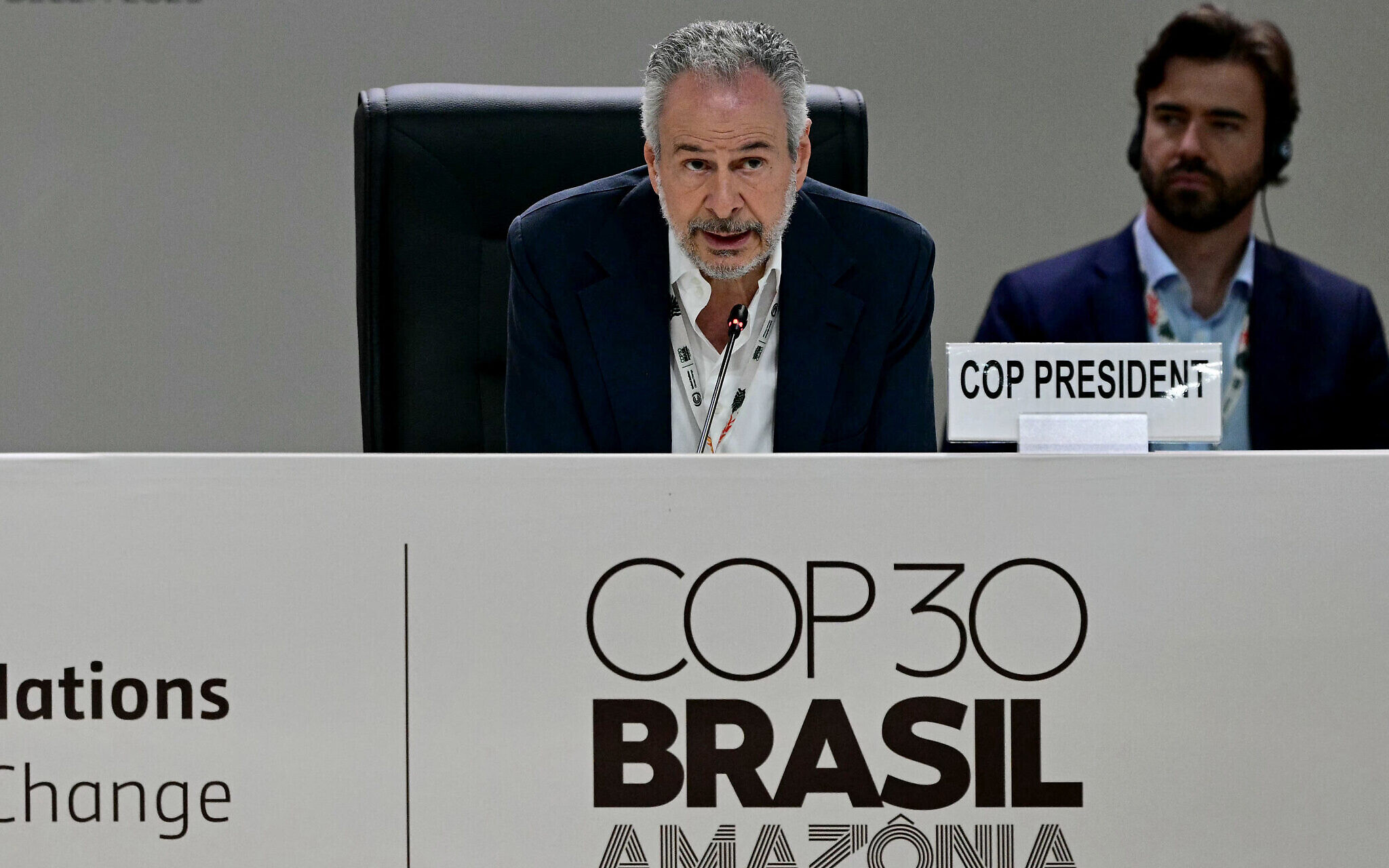
Panama was one of 36 countries — including wealthy nations, emerging economies, and small island states — that signed a letter objecting to a proposal from the conference’s Brazilian president, André Corrêa do Lago, because it failed to map out a global plan to transition away from fossil fuels and strengthen climate-fighting plans submitted earlier this year.
France’s ecological transition minister, Monique Barbut, told AFP that oil-rich Russia and Saudi Arabia, along with coal producer India and “many” emerging countries, blocked language outlining a path away from fossil fuels.
Consensus was needed among the nearly 200 nations to reach an agreement at the conference. More than 80 nations have called for stronger direction, and Brazil’s left-wing president, Luiz Inácio Lula da Silva, also pushed for it earlier this month.
“After 10 years, this process is still failing,” Maina Vakafua Talia, minister of environment for the small Pacific island nation of Tuvalu, said in a speech. “The Pacific came to COP30 demanding a survival road map away from fossil fuels. Yet the current draft texts that came out (do) not even name the main threat for our very survival and existence.”
A key text among host Brazil’s proposals dealt with four difficult issues. They included financial aid for vulnerable countries hit hardest by climate change and getting countries to toughen up their national plans to reduce Earth-warming emissions.
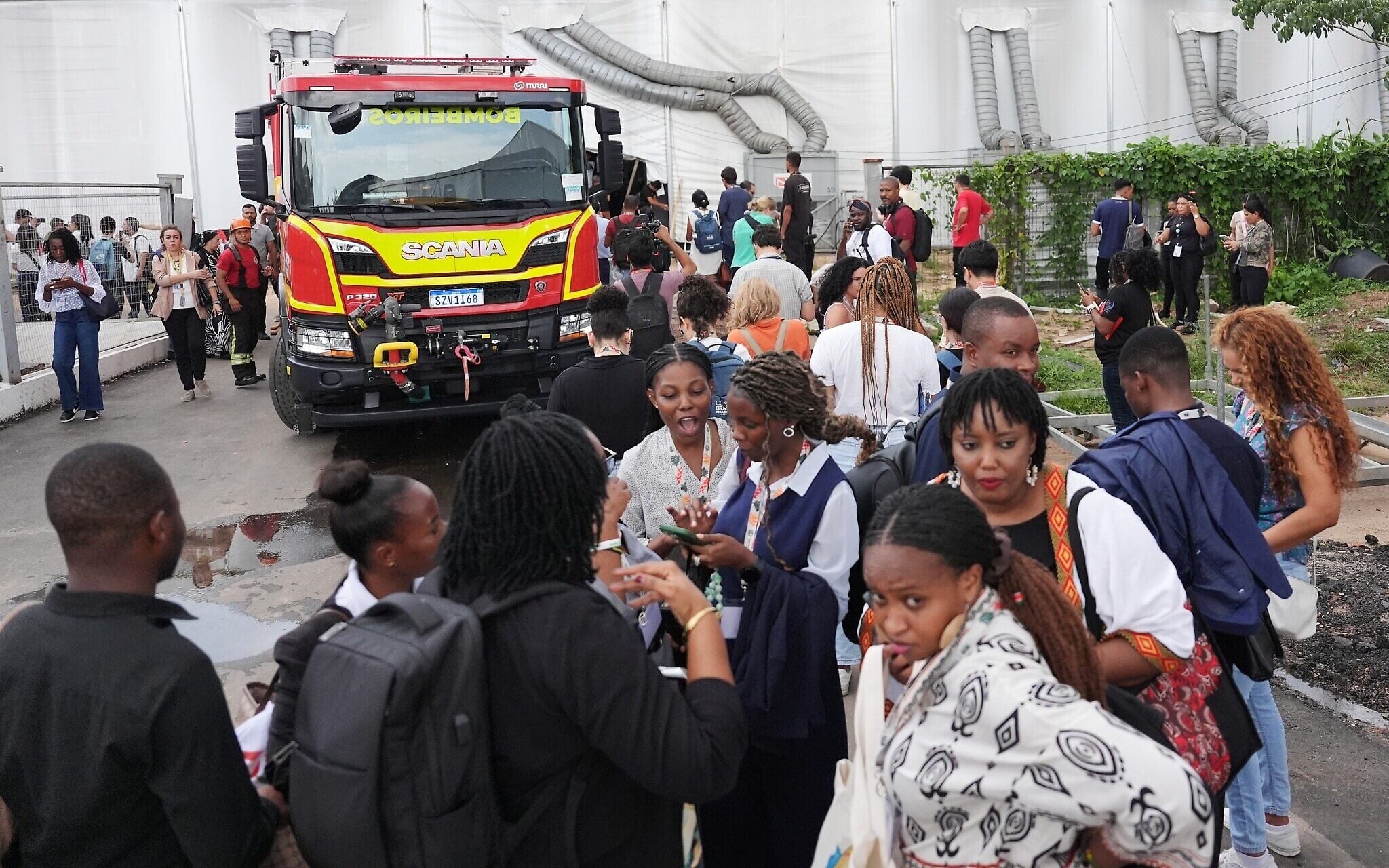
The deadlock in the talks came on the heels of a fire on Thursday that briefly spread through pavilions of the conference known as COP30 on the edge of the Amazon. No one was seriously hurt, but the fire meant that a day of work was largely lost.
This year’s conference took place without the United States, after the event was rejected by US President Donald Trump, who champions the fossil fuel industry and has accused Lula of persecuting Brazil’s right-wing former president, Jair Bolsonaro, who was found guilty in September of an attempted coup.
Israel, which has declared Lula persona non grata for comparing the war in Gaza to the Holocaust, slashed its own usually sizable delegation to just three mid-level officials.
Former US vice president Al Gore urged nations to stand firm in opposition and hailed Lula’s involvement.
“Saudi Arabia and Donald Trump and Russia under Vladimir Putin have bullied countries to support an absurd proposal,” Gore said in an interview with The Associated Press.
He said the latest document “even deletes the proposal to phase out the ridiculous and self-destructive subsidies for fossil fuels. This is an OPEC text,” he said, for the organization that represents oil-producing countries.
Mentioning fossil fuels
On phasing out fossil fuels, the proposal “acknowledges that the global transition towards low greenhouse gas emissions and climate-resilient development is irreversible and the trend of the future.”
The text “also acknowledges that the Paris Agreement is working and resolves to go further and faster,” referring to the 2015 climate talks that established the goal to limit global warming to 1.5 degrees Celsius (2.7 degrees Fahrenheit), compared to the mid-1800s. A key issue is that the 119 national emissions-curbing plans submitted this year don’t come close to limiting warming to 1.5 degrees.
The 36 nations that thought the text didn’t go far enough included wealthy ones such as the United Kingdom, France and Germany, along with smaller climate-vulnerable islands Palau, Marshall Islands and Vanuatu. They said the proposal doesn’t meet “the minimum conditions required for a credible COP outcome.”
Colombian Environment Minister Irene Vélez Torres said the conference presidency’s proposal, which omitted the phasing-out of fossil fuels, is unacceptable to “those of us who are committed to life on this planet, to climate justice.”
Agreements at these talks are officially reached when no nation objects and typically require many rounds of negotiations. In practice, the proceedings can end with agreements adopted and the presidency adjourning the meeting after noting any objections.
Instead of the usual small group meetings, the Brazilian presidency convened a meeting of nations’ top officials behind closed doors for much of Friday. It’s designed to lessen any nation’s feeling left out of backroom deals, but it doesn’t let the public see countries’ objections.
Erdogan hails deal for Turkey, Australia to host COP31
Under an unusual compromise agreement laid out in a document seen by AFP, Turkey will host the two-week summit in the southern resort city of Antalya next year and retain the formal COP31 presidency, while Australia would serve as vice president and chair the negotiations.
“We plan to host the 31st Conference of the Parties to the United Nations Framework Convention on Climate Change in Turkey next November,” Erdogan told leaders at the G20 summit in Johannesburg, referring to COP31.
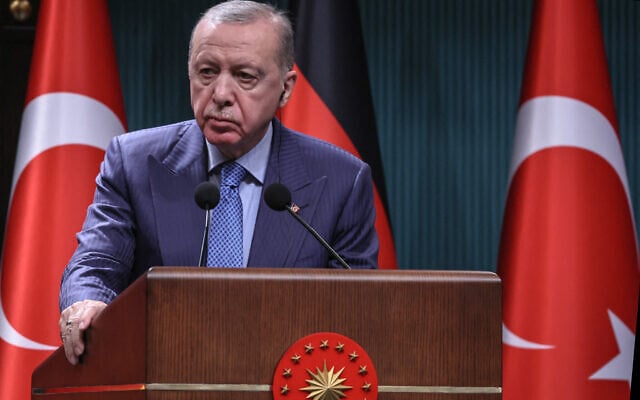
Erdogan’s remarks came after the two countries finalized a deal following a long-running standoff over the event.
“I believe the consensus we established together with Australia is of high importance,” Erdogan said.
Both countries sought to host COP31 in November 2026, and neither would back down, sparking a bidding war rarely seen for the annual climate talks.
Australia enjoyed greater support than Turkey, but the deadlock prevented a host from being chosen by consensus as required under United Nations rules.
The “pre-COP” — technical consultations that usually occur about a month before the main summit — are to take place in a Pacific Island nation, in a nod to Australia’s original intention to co-host with its neighbors.





The Times of Israel Community.