

Israel slashes delegation for UN climate meet in Brazil to just 3 officials
Officials cite poor ties between Brasilia and Jerusalem over the war with Hamas and remote location of COP30 confab in decision to cut back on representation at annual gathering
 Add ToI as a Preferred Source on Google
Sue Surkes is The Times of Israel's environment reporter
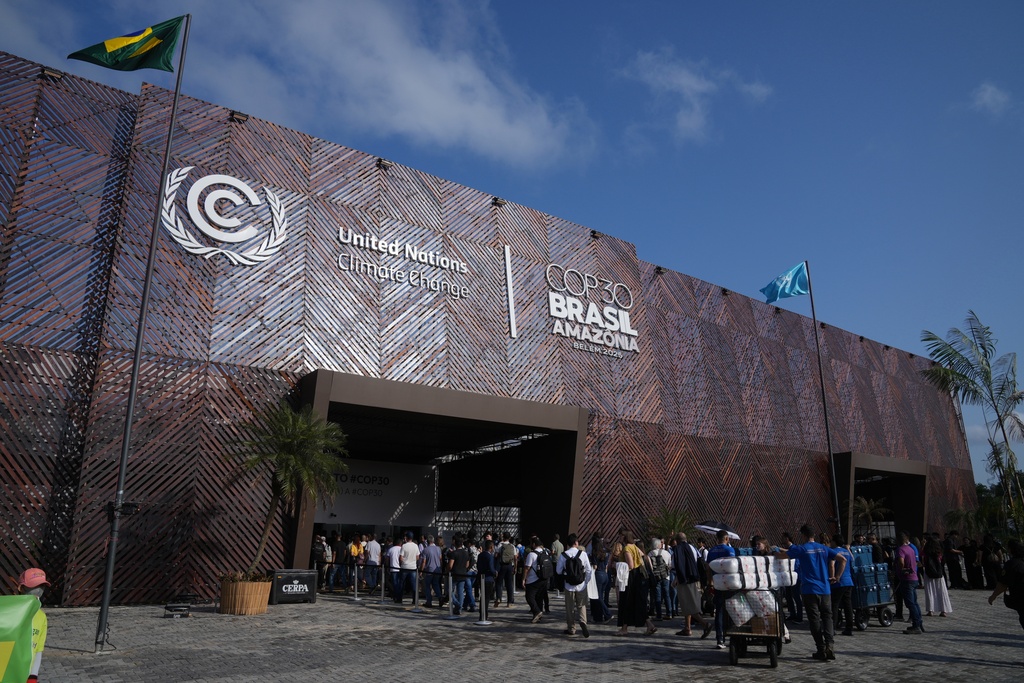
As officials from around the world gathering in Brazil for the United Nations COP30 climate conference, only three mid-level officials will be on hand to represent Israel, a tiny fraction of the sizable delegations dispatched to previous editions of the annual confab.
Poor diplomatic relations with Brazil, a hard-to-reach destination, and high costs were the main reasons cited for Israel’s lack of presence at the conference, which kicked off Monday in the Amazonian port city of Belem.
Representing Jerusalem are Rafi Singer, the Foreign Ministry’s new climate envoy, Adam Schalimtzek, who heads international relations for the Environmental Protection Ministry and Amiel Vasl, who leads the ministry’s climate resilience effort.
The trio will largely be there to ensure Israel is represented at any formal talks. Schalimtzek is also scheduled to appear at a talk with UN negotiators on November 17 at the Peru Resilience Hub.
There will be no Israel pavilion, as there was at last year’s gathering in Baku, Azerbaijan, or at previous confabs, in Dubai, United Aram Emirates, and Sharm el Sheikh, Egypt.
This year’s small delegation is a stark downgrade from last year, when Israel sent over 100 people to Baku.

“Last year, there was a government decision to send a delegation, which stemmed from a feeling it was important for Israel to be there because of the war. There was a cross-ministerial effort,” an Israeli official said.
A couple of Israeli companies will also attend privately, along with at least one Israeli academic, Ben Gurion University Prof. Yaron Ziv, who will present a country-based nature conservation index for evaluating and supporting global biodiversity protection on November 19.
Controversial location
The Brazil meet has been mired in controversy since Brazilian President Luiz Inácio Lula da Silva decided to hold it in Belem — a city on the edge of the Amazonian rainforest that critics say largely lacks the facilities to accommodate tens of thousands of delegates.
Developing countries have said they could not afford to send delegates, with hotel room prices rocketing in response to demand outstripping supply.
Government decisions about sending and funding delegations to conferences such as COP include diplomatic, economic, and reputational considerations, among others, Israeli officials told The Times of Israel.
Thus Brazil’s hostility to Israel since the Hamas attacks of October 7, 2023, were taken into account when mulling this year’s delegation, officials said.
In August, Israel downgraded relations with the South American country over its refusal to approve the credentials of Jerusalem’s nominee to serve as ambassador.
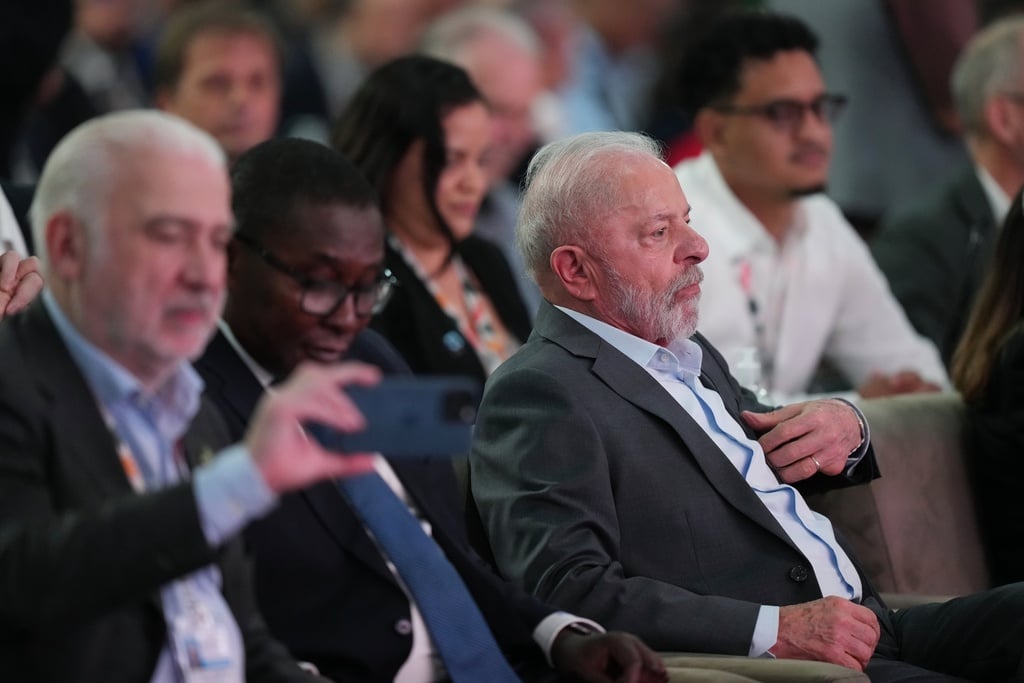
Organizing a pavilion and events, and ensuring security on the other side of the world, would need the input of an Israeli embassy on the ground, officials said. At present, there is neither an ambassador nor a deputy ambassador in Brasilia, with just a small team operating there.
On top of all that, getting to Belem can be difficult, with no direct flights from Israel.
Israel also does not have much to boast about regarding the environment, having failed to pass a Climate Law or to submit its new plan for reducing emissions by a February deadline.
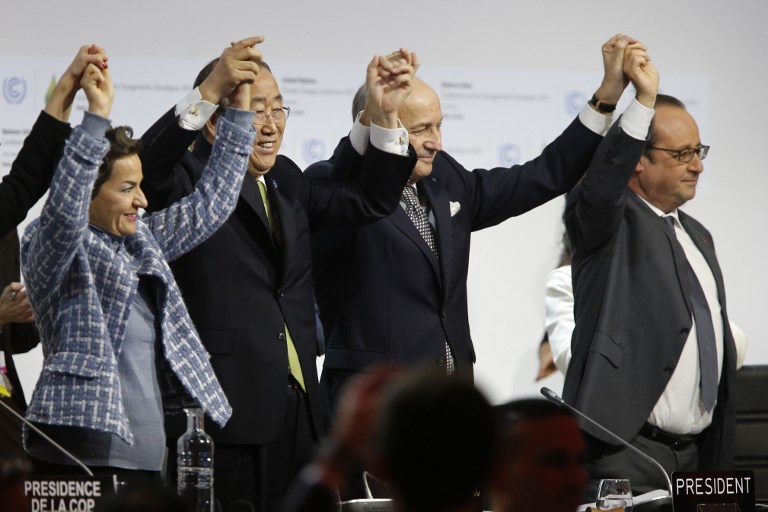
A decade ago, at the Paris COP21, an international agreement was reached to keep emissions increases by century’s end to within 2º C (3.6˚ F), and preferably 1.5º C (2.7º F) of preindustrial levels.
All countries are expected to submit increasingly ambitious Nationally Determined Contributions every five years, outlining their goals to reduce emissions and adapt to the impacts of climate change.
The latest Emissions Gap Report, published last week by the United Nations Environment Program, said that compared with 2019 levels, cuts in annual global emissions of 35 percent and 55% respectively would be needed by 2035 to keep temperature rises within the goals set in Paris.
Over 50 leaders took part in the COP30 “leaders’ summit” last week, although some of the world’s biggest carbon dioxide emitters were absent, including US President Donald Trump, who has declared climate change to be a hoax, Russia’s Vladimir Putin, China’s Xi Jinping, and India’s Narendra Modi.
COP30 will run until November 21.



The Times of Israel Community.