

Court says committee’s vetting of Mossad chief appointment ‘deficient,’ asks for review
High Court recommends appointments panel examine new documents, interview two key figures over affair at heart of petitions against Maj. Gen. Gofman’s selection
 Add ToI as a Preferred Source on Google
Jeremy Sharon is The Times of Israel’s legal affairs and settlements reporter
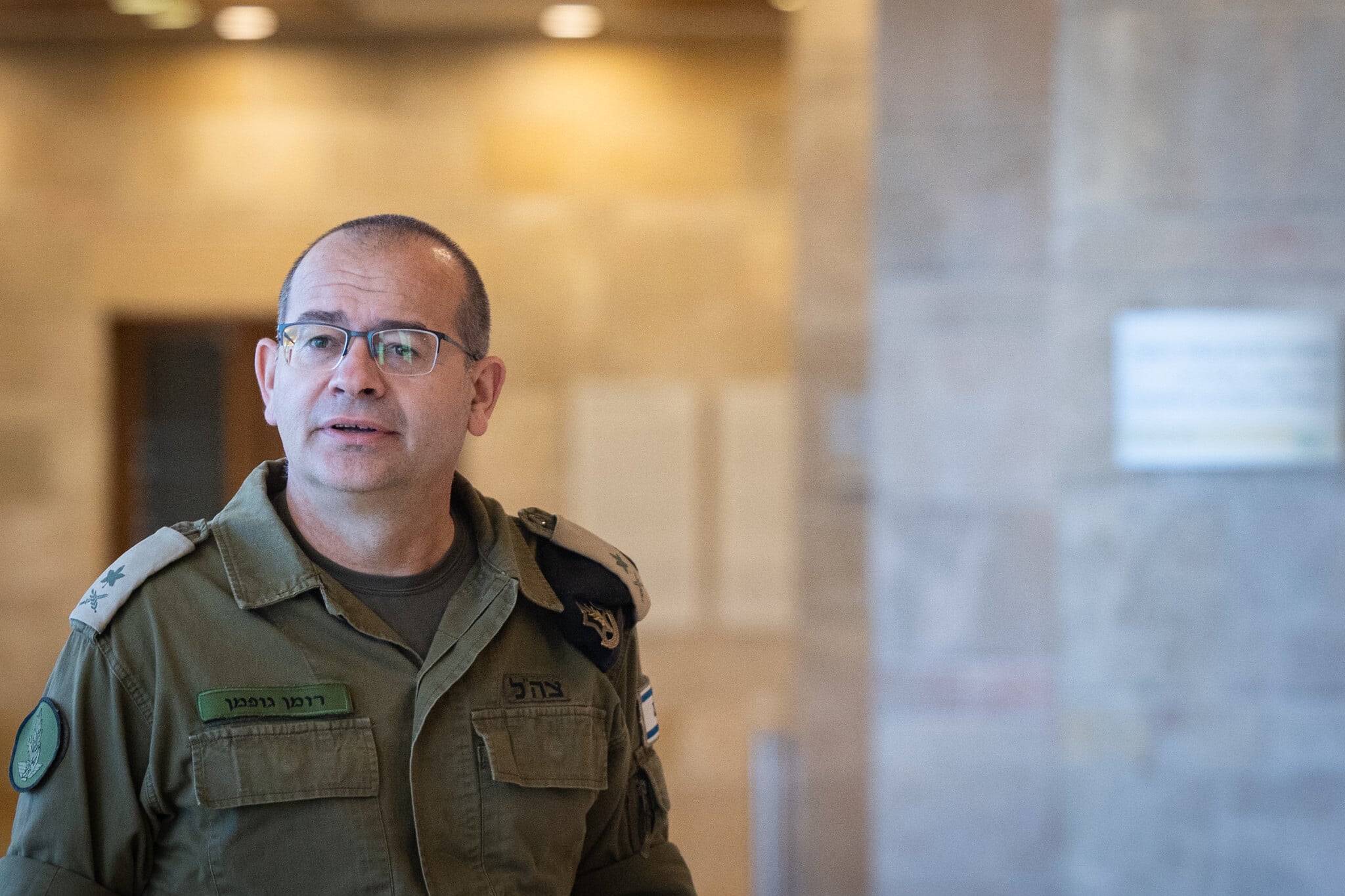
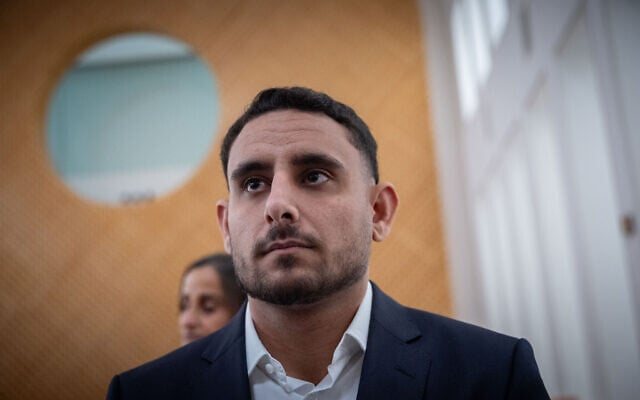
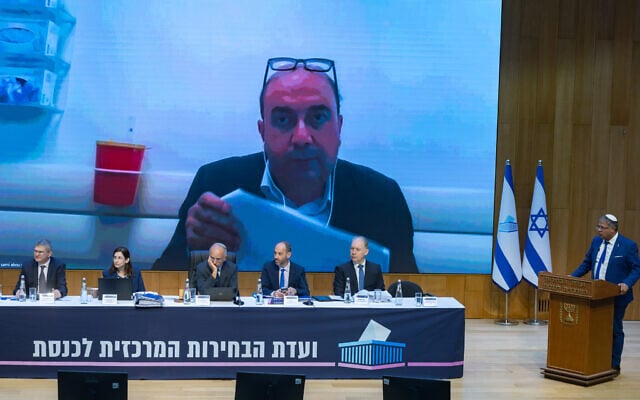
The High Court of Justice said on Tuesday the work of the committee that approved the appointment of Maj. Gen. Roman Gofman as the next director of Mossad was “deficient,” asking it to review a key matter at the heart of petitions against the appointment.
The court said the Senior Appointments Advisory Committee had not obtained a complete picture of the affair in question, since it did not examine relevant documentation or hear from key individuals in the affair.
In a unanimous decision, the court asked the panel to review new documents on the manner and interview two figures central to the controversy over Gofman’s appointment.
The court’s decision could have a decisive impact on the case, since the panel could potentially decide that its previous decision to recommend that Gofman be appointed was based on an incomplete picture of the incident, and reverse its position.
The court asked the committee to inform it by May 21 if it will conduct the requested steps, and if so, to complete this work by May 26.
The court recommended, specifically, that the committee review an affidavit submitted on Sunday by a military intelligence officer identified only by the initial “Gimmel,” who had knowledge of the affair, and to interview Gimmel himself.
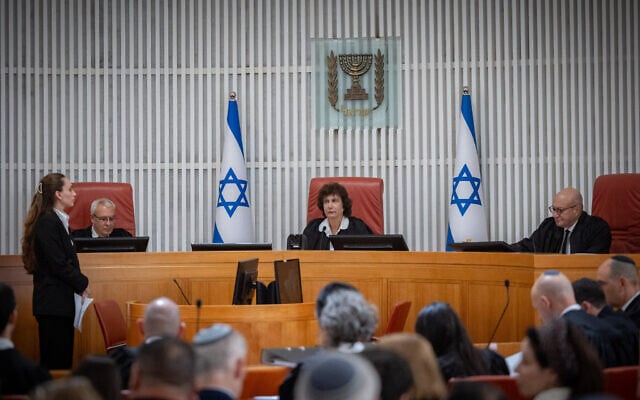
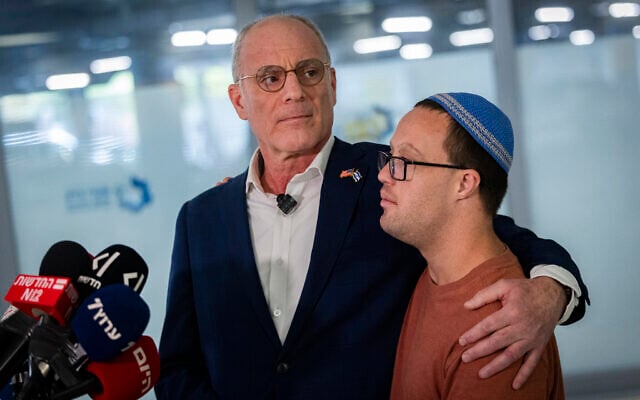
The court also recommended that the committee hear from Ori Elmakayes, a petitioner against Gofman’s appointment and the individual at the center of the allegations against the general.
Once the committee has interviewed Gimmel and Elmakayes, Gofman could then be allowed to respond to the new information, the court said.
Gofman was tapped as the next head of Mossad in April, but several petitions were filed against him, including one by Elmakayes. In 2022, the IDF’s 210th Division, commanded by Gofman, authorized Elmakayes to publish intelligence information on his Telegram channel in an online influence operation.
Elmakayes, who was 17 at the time and therefore a minor, was subsequently arrested and indicted for espionage when the Shin Bet became aware of the information he was publishing, without being aware that he was working with the IDF.
Elmakayes was only exonerated 18 months later, during which time Gofman did not inform the Shin Bet or the prosecution services that Elmakayes had been cooperating with the IDF.
Gofman was investigated by the IDF over the influence operation in May 2022 and given a disciplinary note in his record over the incident.
The petitions against Gofman’s appointment as Mossad head charge that the advisory committee failed to properly address Gofman’s role in this incident, particularly whether he lied to the IDF’s investigation team about whether or not he knew Elmakayes had been used by the division for the operation.
Elmakayes alleges that Gofman’s failure to inform law enforcement agencies that he published the information with the permission of the IDF makes him unfit to head Mossad.
The court’s request to the advisory panel followed an affidavit submitted to the court on Sunday by Gimmel. The affidavit detailed what Gimmel asked Gofman and what Gofman answered during the IDF’s investigation into the matter.
Although initial Hebrew media reports on the affidavit, which was originally classified, indicated that Gimmel’s account backed that of Gofman, the full version of the affidavit and an accompanying document suggested the general may not have told the truth to IDF investigators.
When the advisory committee reviewed Gofman’s candidacy, it determined unanimously that he had been explicitly aware of Elmakayes’s involvement in the operation.
But Gimmel, in his affidavit, said that when he questioned Gofman over the incident in May 2022, in the framework of the IDF investigation, he asked Gofman specifically if he knew that officials in the division were in touch with people running Telegram channels. Gimmel said that Gofman answered explicitly that he was not.
A summary of the conversation written by Gimmel’s assistant at the time, which was also submitted to the court, confirmed the details of Gimmel’s affidavit.
In a motion to the court on Tuesday, the Movement for Quality Government in Israel, one of the petitioners in the case, insisted that the answers Gofman gave Gimmel contradicted the facts established by the advisory committee, and asserted that Gofman had therefore not told the IDF investigation the truth.
The organization, as well as other petitioners, argues that Gofman’s failure to tell the truth to the IDF investigation is a clear violation of the ethical conduct expected of senior government officials, and that the advisory committee should have recommended that Gofman’s candidacy for head of Mossad be rejected as a result.





The Times of Israel Community.