

Dead hostages’ families worry about condition in which they will be returned, if at all
Relatives of those who were killed and taken captive, or who died in captivity, rejoice with families of living hostages, but acknowledge deal brings different hopes and fears
 Add ToI as a Preferred Source on Google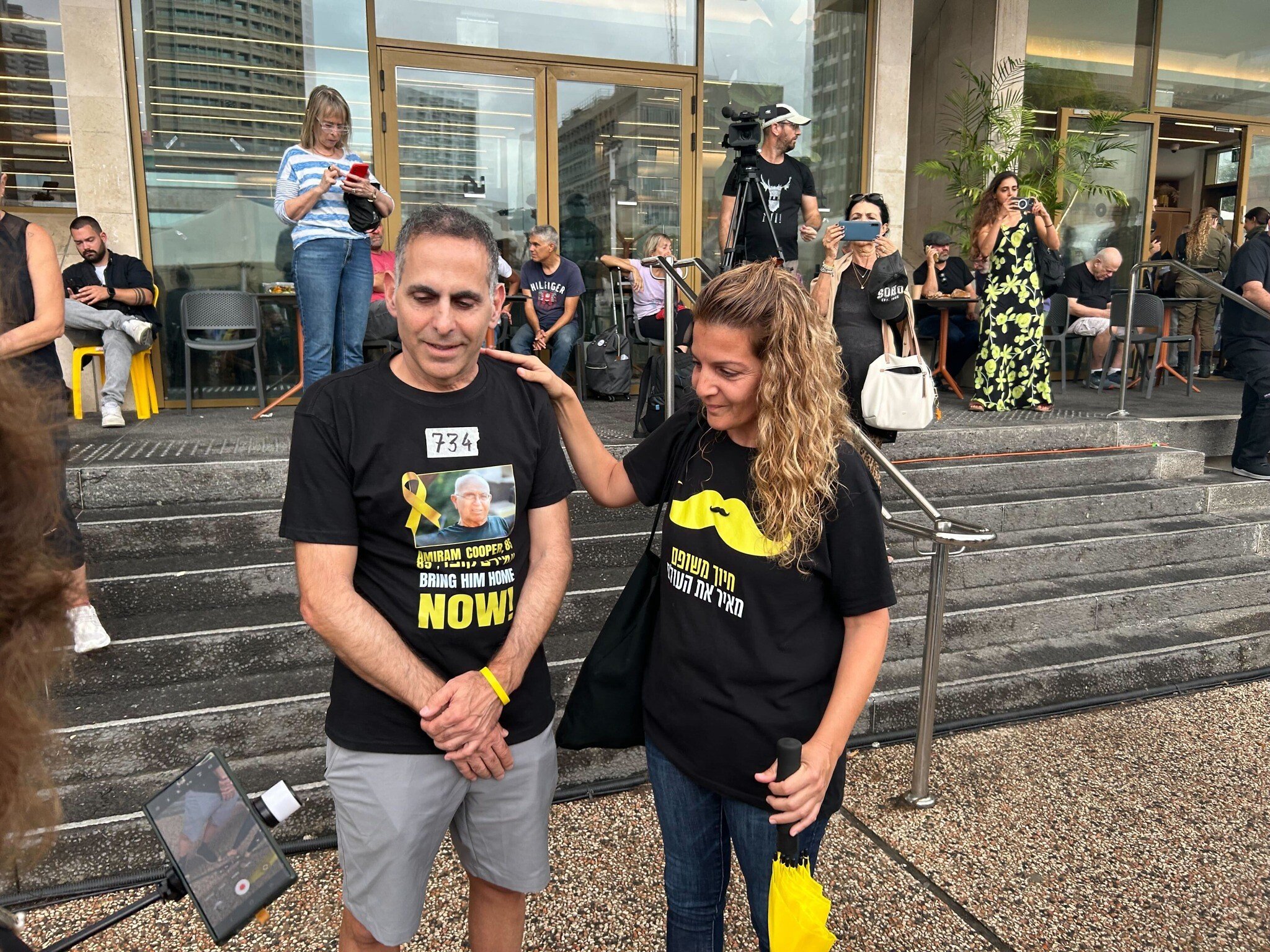
As hostage family members gathered in Tel Aviv’s Hostages Square at 3:30 a.m. Thursday to celebrate President Donald Trump’s announcement of a deal to imminently free their loved ones from Hamas captivity, Anat Angrest, mother of hostage Matan Angrest, turned to Einav Zangauker, mother of hostage Matan Zangauker, and said, a smile on her face, “Our Matans are coming back!”
The two women embraced in scenes screened on several Israeli TV channels.
“Matan and Matan are on their way home,” said Zangauker, a familiar face in the long struggle to bring her son and the other hostages home.
Her arm was wrapped around Michel Illouz, father of Guy Illouz, who was taken hostage from the Nova desert rave and killed in captivity, and who has stood with Zangauker and the Angrests throughout two years of protests and rallies.
“We’re putting the living first,” said Illouz, “We’ll rejoice with our hostages’ families. And then, after that, when they return the corpses, we’ll mourn our personal losses.”
“We think they will all be coming back on Monday… and that will include the bodies of the dead,” he added.

“We will all be with Michel to close the circle,” said Hagai Angrest, the father of Matan Angrest.
Trump wrote on Truth Social on Wednesday night that the 48 hostages still held captive in Gaza would “probably be released on Monday,” including “the bodies of the dead.” Hamas has said it will likely not be able to locate all the dead hostages, and there are reports that a joint task force will be established to search for those who are not quickly returned.
Terror groups in the Gaza Strip are holding 48 hostages, including 47 of the 251 abducted by Hamas-led terrorists on October 7, 2023. They include the bodies of at least 26 confirmed dead by the IDF. Twenty are believed to be alive and there are grave concerns for the well-being of the two others, Israeli officials have said. Among the bodies held by Hamas is an IDF soldier, Hadar Goldin, killed in Gaza in 2014.
At Hostages Square on Thursday morning, as hostages’ families and their supporters danced and decorated themselves in red, white, and blue to celebrate the US-brokered deal, those whose loved ones will be brought home in coffins — or perhaps won’t be returned at all, at least in the near future — acknowledged their hopes and fears.
“Today my dream is that they will find Tamir whole,” said Yael Adar, the mother of Tamir Adar, a member of the Kibbutz Nir Oz emergency response team who was killed as he battled Hamas terrorists on October 7, his body taken hostage to Gaza.
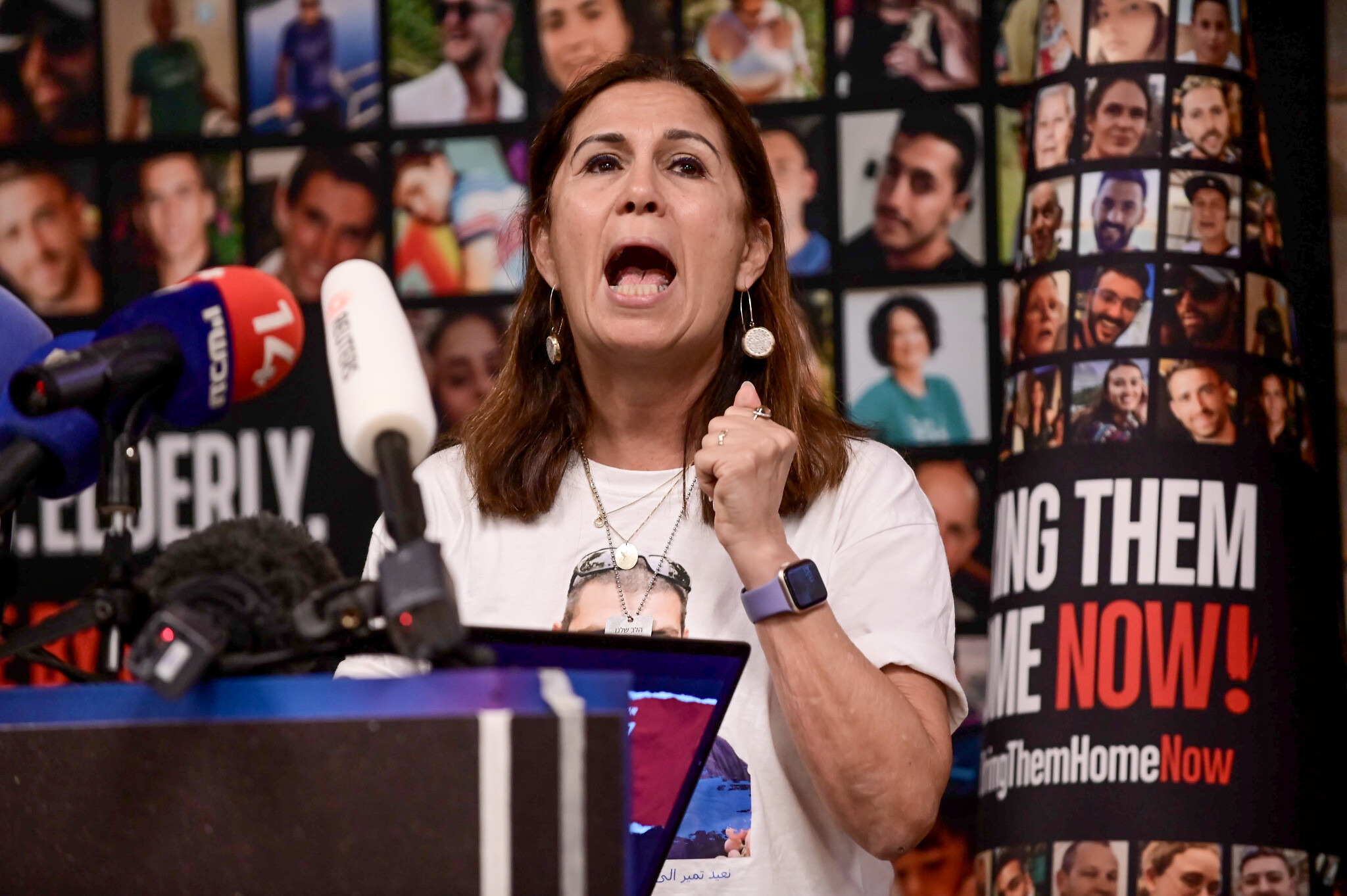
Adar, along with Ruby Chen, the father of abducted soldier Itay Chen, and other family members, have been endlessly vocal over the last two years about the need to bring the bodies of their loved ones home for proper burial.
“In the end, I will stand before a coffin,” said Adar, speaking to Ynet. “The living hostages who come back — their lives will be full of meaning. We are falling into the abyss of emptiness. I imagine the day after, and there is no awareness of what we will have to go through.”
Adar described a sense of isolation for herself and others in her situation, the lack of a place in the public conversation.
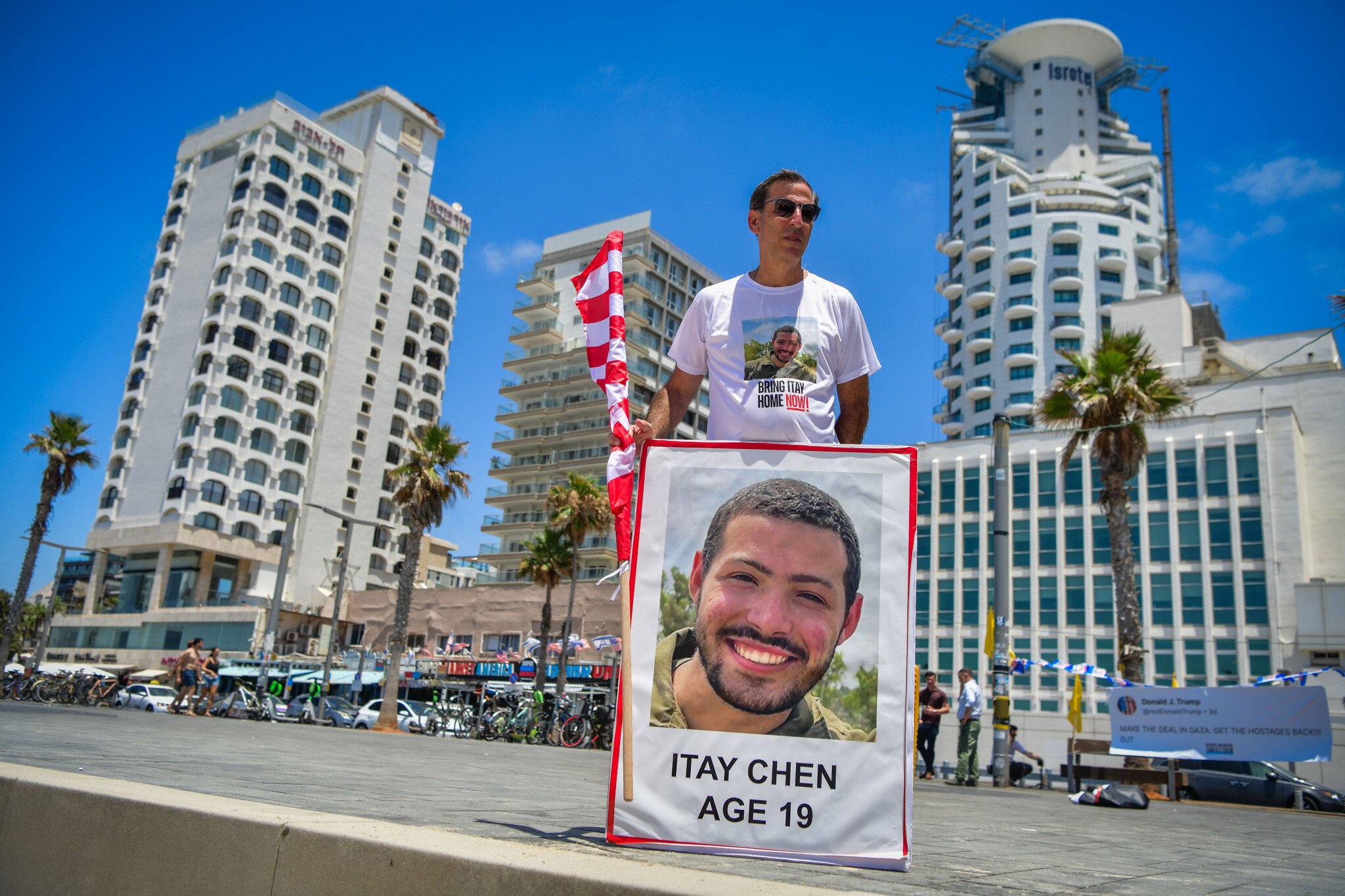
Ruby Chen, the father of Itay Chen, a tank soldier who was considered a living hostage until March 2024, when the IDF announced that it had determined that he was killed on October 7 and abducted from the Gaza border, has previously told The Times of Israel that their family entered a “living hell,” one they have never left.
He told Ynet on Wednesday that Israel has failed as a society before, when there were fallen hostages in Gaza, including Hadar Goldin, an officer whose body was taken captive in 2014, and has been held for eleven years.
“I’m realistic — there will be those who won’t come back,” said Chen. “Will we let their families face it alone? I hope that if we face a situation where not everyone returns, we will feel the same mutual responsibility.”
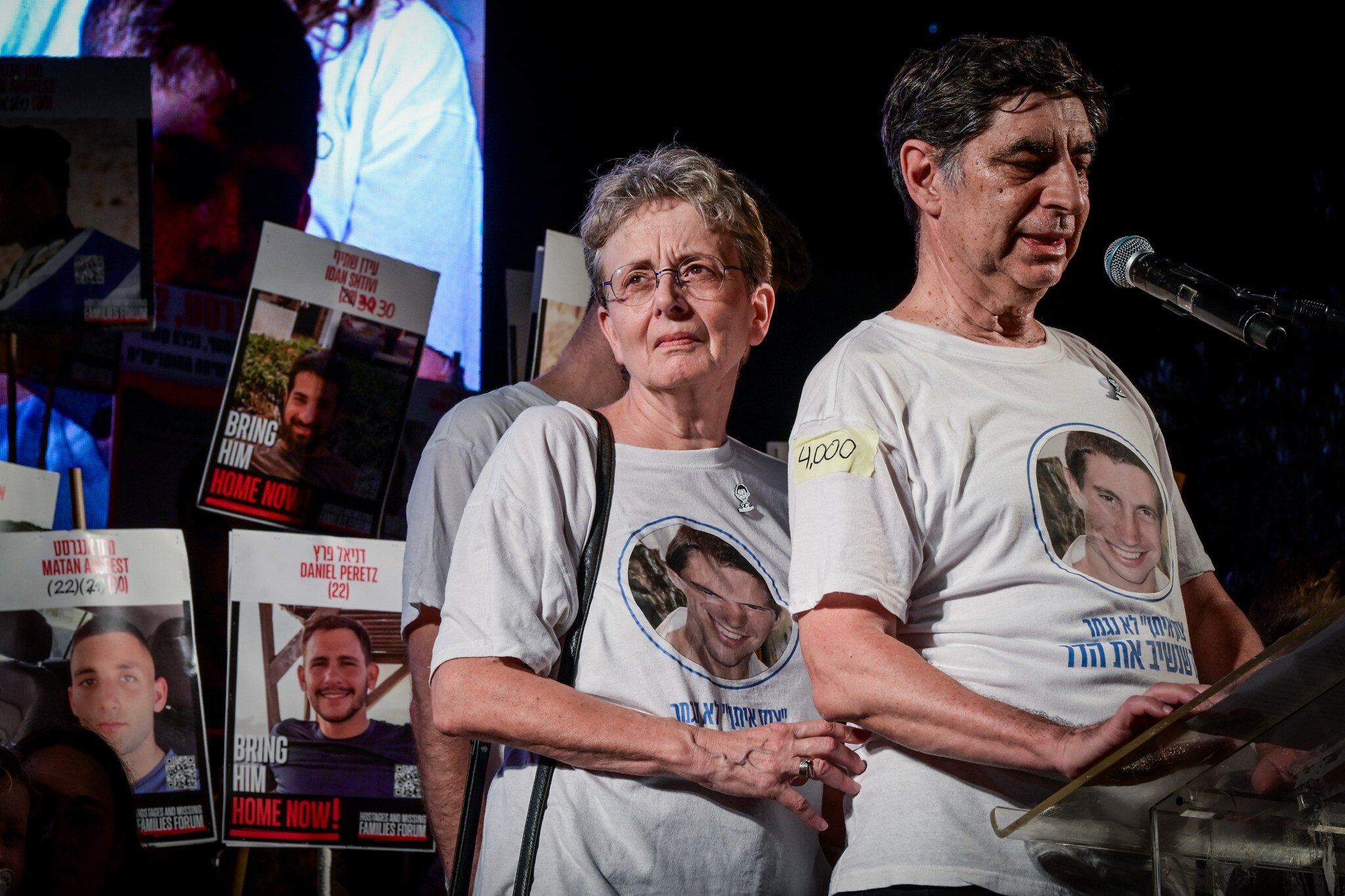
Leah Goldin, Hadar’s mother, wrote on social media on Wednesday morning, “This war was born 11 years ago, when it was decided to leave hostages behind in Gaza. Our Hadar symbolizes determination for true victory, and until he is returned, we are still in battle. Israel has 28 fallen hostages with no solution, and we stand watch. We call on the Government of Israel to send in search teams and bring everyone home before Hamas receives anything in return.”
Back at Hostages Square, Rotem Cooper, son of slain hostage Amiram Cooper, who was 84 when taken captive, told reporters on Thursday that he has “distorted” feelings but hopes for a measure of “closure” following the announcement of the deal to return all hostages, the living and the dead.
“We want to get some closure. We’re not trying to forget… but we want some small closure and to focus more on building,” said Cooper. “You don’t make any preparations, you take it one day at a time.”







The Times of Israel Community.