

Inside the bizarre Nuremberg trial ‘witness house’ shared by Nazis and Holocaust survivors
80 years after conclusion of postwar tribunal, author Natalie Livingstone’s ‘The Nuremberg Women’ chronicles extraordinary cast of characters hosted by a Prussian countess during the trial
 Add ToI as a Preferred Source on Google
Robert Philpot is a writer and journalist. He is the former editor of Progress magazine and the author of “Margaret Thatcher: The Honorary Jew.”
LONDON — It has to be history’s strangest — and potentially most discordant — lodging house. Opened by the Allies in the autumn of 1945, its guests had one thing in common: they had all been called as witnesses in the Nuremberg Trial. Beyond that, they shared little else.
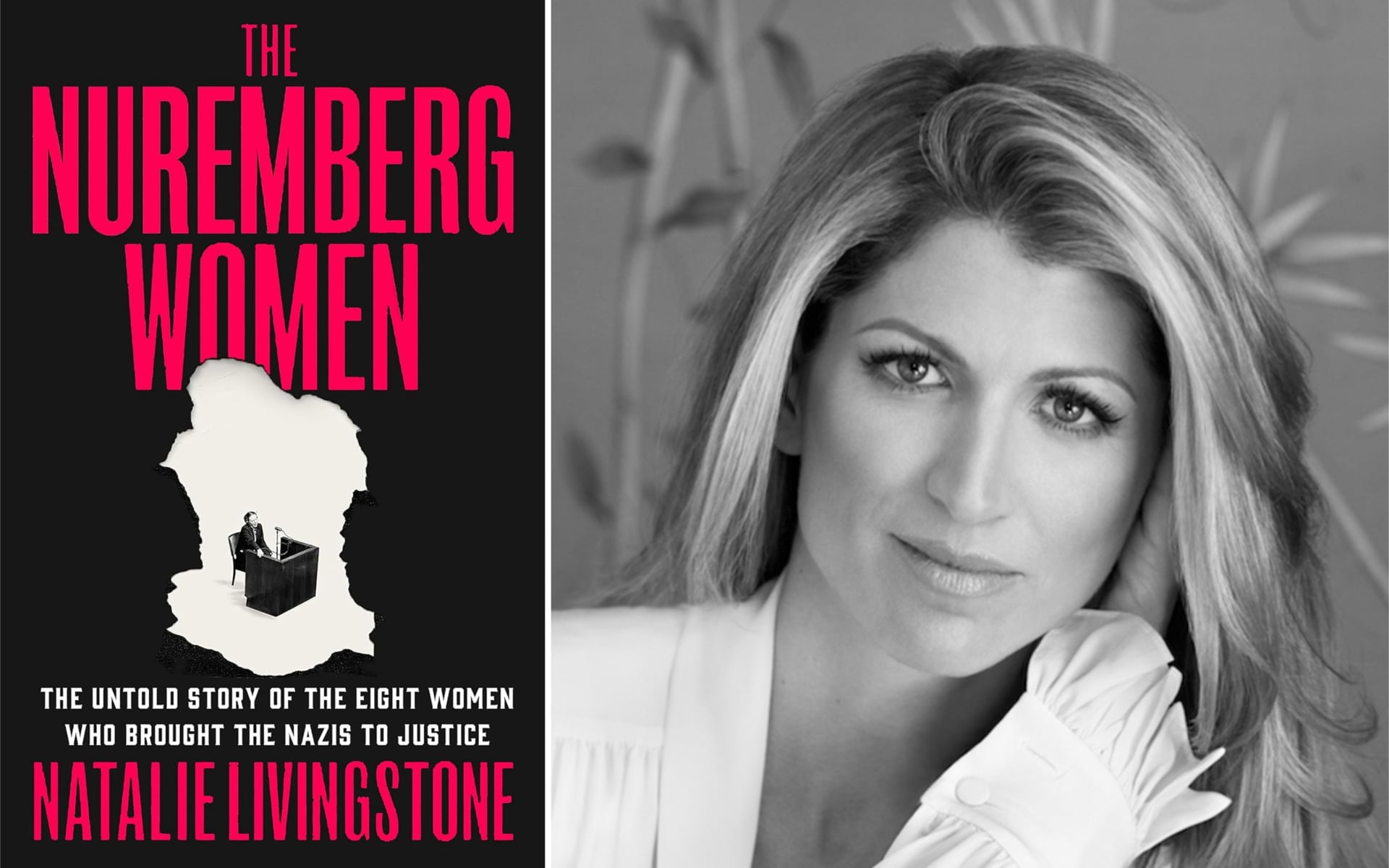
The “extraordinary cast of characters” who were to stay over the coming months at 24 Novalistrasse ranged from “Hitler’s champions to his victims, from perpetrators of Nazi atrocities to survivors of concentration camps.” This motley crew is the focus of author Natalie Livingstone’s new book, “The Nuremberg Women: The Untold Story of the Eight Women Who Brought the Nazis to Justice,” which will be published in the United States on November 3.
As Wehrmacht generals, Nazi academics, and the wives of members of Hitler’s Cabinet rubbed shoulders with Polish Jews and French survivors of Auschwitz, the burden of soothing tensions and keeping the peace fell on Countess Ingeborg Kálnoky — a Prussian aristocrat handpicked by the Americans for the role of hostess.
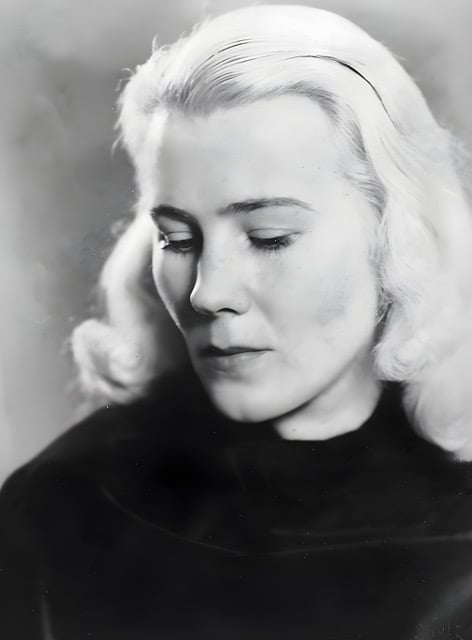
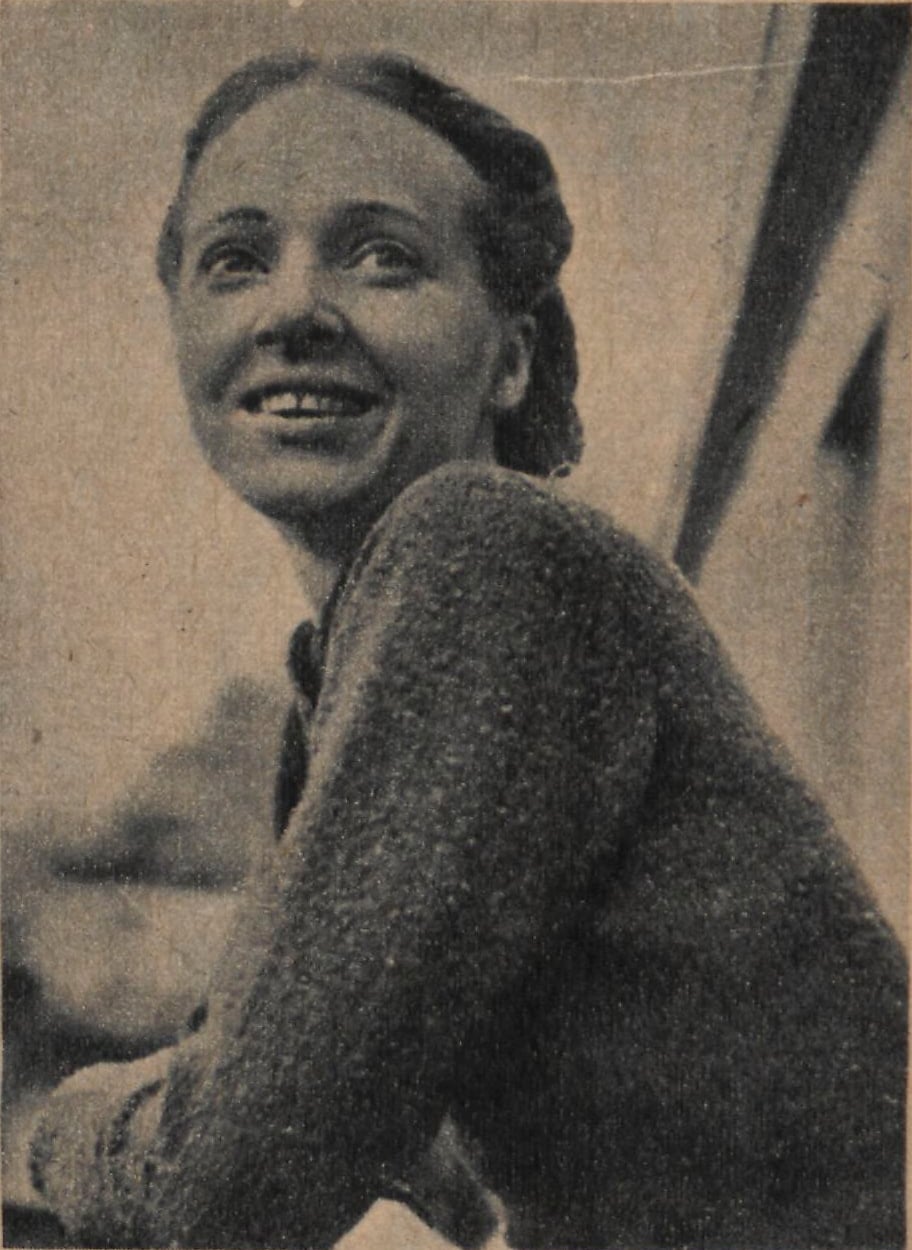
A mother of four, Ingeborg was “brave, beautiful and fearless,” according to Livingstone, with looks compared to Hollywood star Jean Harlow. Her diary and subsequent book — one of the first about the Nuremberg trials by a woman — provides an invaluable account of the incredible story that unfolded at “the witness house.”
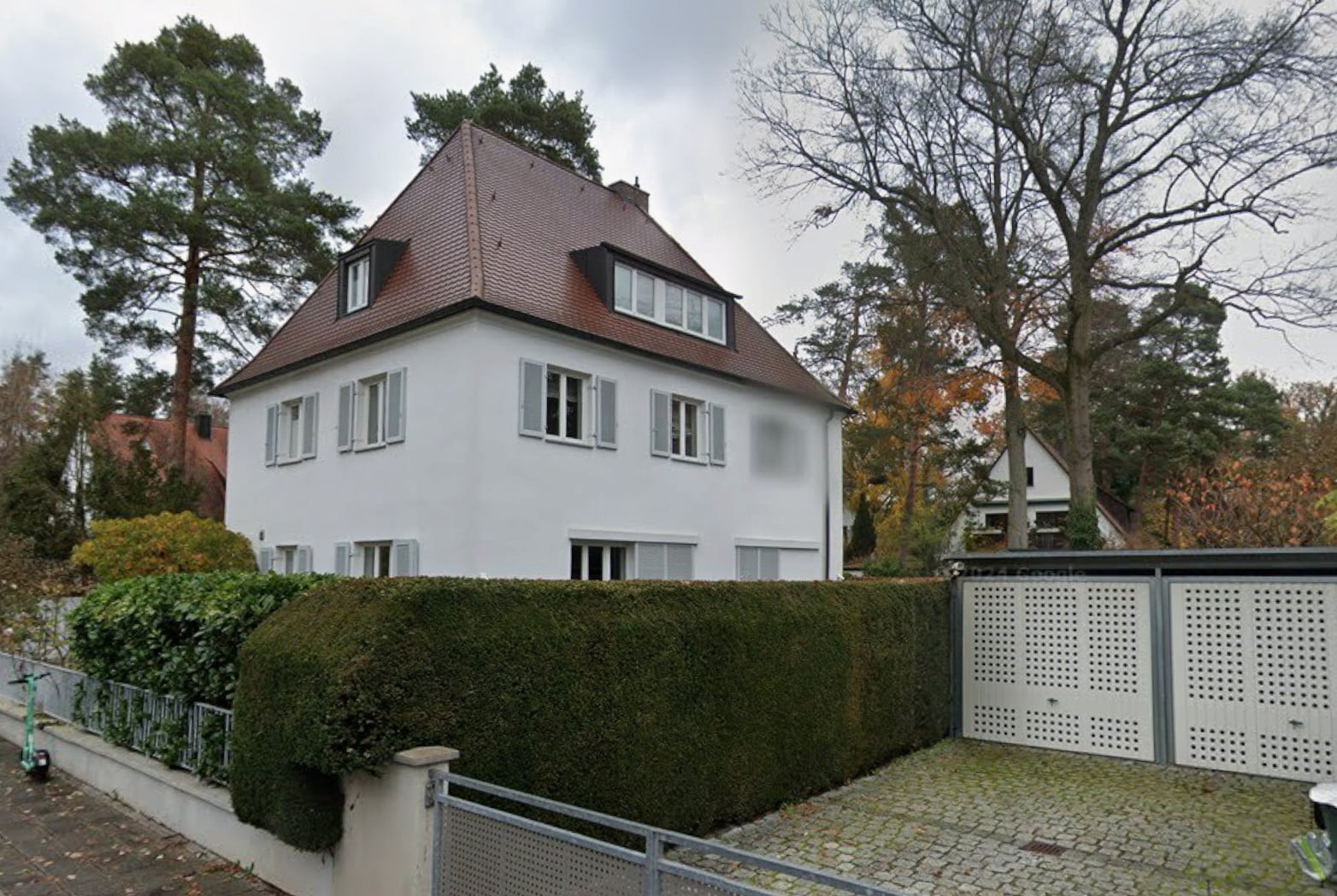
The house itself was in the Nuremberg suburb of Erlenstegen. Situated in a quiet cul-de-sac, the two-story property was rather more modest than the Gothic castle in Thuringia in which Ingeborg had been raised — or the three-story house on Budapest’s affluent Széher Street where she and her husband, Hugó, who came from a line of Hungarian nobility that stretched back six centuries, entertained the city’s social and cultural movers and shakers.
But the house on Novalistrasse offered a degree of safety, stability and security Kálnoky had not seen since the Nazi invasion of Hungary in March 1944.
Ingeborg and Hugó, who met at art school in Munich in the early 1930s, had been on the run from the Nazis for a number of years. They had left the Reich for Budapest in 1939 soon after the German invasion of the Sudetenland.
Hugó, a conservative monarchist and fierce anti-Nazi, became editor of a German-language newspaper, in which he attacked Hungary’s alliance with Hitler and praised Winston Churchill.
In March 1944, the couple, their three children and nanny fled their Budapest home hours before it was raided by the Gestapo.
They eventually found refuge in the summer home of Baron Vilmos Apor, the Catholic bishop of Győr, who sheltered not only the Kálnoky family but other political refugees and the increasingly imperiled Jewish population.
The Nazi occupiers and their Hungarian fascist allies weren’t the Kálnokys’ only concern: the Red Army was advancing rapidly from the east.
Pregnant with her fourth child, Ingeborg and her children headed west (Hugó had decided it was his patriotic duty to remain in Hungary and the couple only reunited in late 1946 or 1947). It was a wise move. Apor was later murdered by Soviet troops protecting women who feared rape at the hands of the Red Army.
With Germany’s surrender in 1945, Ingeborg’s fear of being deported to Soviet-occupied Eastern Europe grew. But, after she fainted while seeking his help, an American major arranged for her to join a military convoy traveling west to Nuremberg. There, an American officer, Captain Kerr, took pity on Ingeborg, taking her to a hospital where she gave birth to her fourth child.
Kerr swiftly recognized that Ingeborg — a German who had no connection to the Nazi past and who also spoke English, French and Hungarian — could be of use to the city’s new masters. Within days, she was offered the job of hostess at the witness house.
“As is the case so often in war, as in life, so much is luck,” Livingstone told The Times of Israel in an interview. “That job saved her life. If, as a Hungarian aristocrat, she had been sent back to Hungary, the fate that would have awaited her would have been absolutely savage.”
The guests arrive
In October, Ingeborg’s first guest arrived: Karl Haushofer, the elderly Nazi public intellectual who had made weekly trips to visit Hitler when he was imprisoned after the failed 1923 beer hall putsch. Haushofer was credited with introducing the future Fuhrer to the idea of “Lebensraum,” or “living space,” the concept that would drive the Nazis’ murderous approach to the “bloodlands” of Eastern Europe.
Despite being a fervent antisemite, Haushofer was married to a woman of Jewish descent, Martha, and had resisted pressure to divorce her. He had also used his friendship with Hitler’s deputy, Rudolf Hess, to secure an exemption from the Nazis’ antisemitic legislation for Martha and his sons Albrecht and Heinz.
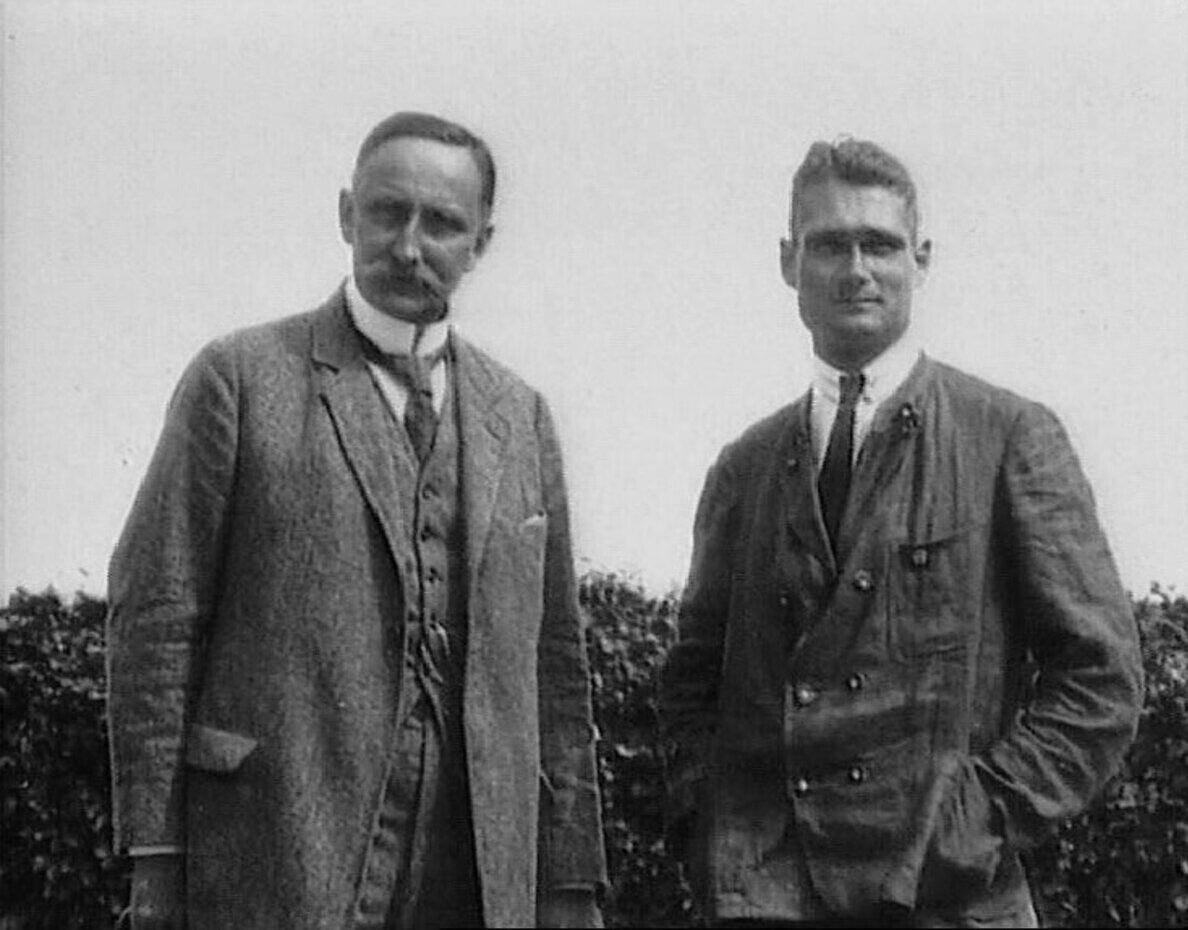
While Haushofer stayed at Novalisstrasse, prosecutors examined whether to put him on trial, eventually deciding to spare him only because they did not want him to “die in our hands.”
Ingeborg chose not to linger on the questions debated by the prosecution but instead to talk about less fraught topics, including the Munich art world of the late 1920s and Haushofer’s home in southern Bavaria.
But Haushofer was, if not repentant, a man in despair. Shortly before he left the house, he talked with Ingeborg of taking his own life. In March 1946, he and Martha died in a suicide pact on their country estate.
“Ingeborg really seems to have had empathy and a fondness for Karl Haushofer, who was basically Hitler’s mentor,” Livingstone says. “In her diary and in her notes, she doesn’t seem to mention how horrific that is. Instead, she concentrates on the fact that he’s an old, frail, heartbroken man.”
Heinrich Hoffmann, Hitler’s personal photographer and, he proudly claimed, best friend, was as upbeat and optimistic as Haushofer was broken. His jovial persona and ability to raise a laugh — he kept his fellow guests and his host’s children entertained with magic tricks — was tapped by Ingeborg to help smooth ruffled feathers and inject a little lightness into the house.
Hoffmann denied Hitler had any knowledge of the camps and was determined to show Ingeborg “another side” to the Fuhrer’s character. Portraying him as “a mixture of doting rich uncle, red-hot lover and benevolent despot,” he showed her some of Hitler’s watercolor landscapes.
Hoffmann’s daughter, who came to visit her father bearing whisky and cigarettes, was less in denial about the Nazis’ crimes. Henriette von Schirach, the wife of Hitler Youth leader Baldur von Schirach, had known Hitler since she was a child. Now married to one of his senior henchmen, she confronted the Fuhrer at his mountaintop holiday home in the spring of 1943 about the treatment of Jews she had witnessed in Amsterdam. Hitler dismissed her comments as “sentimental,” and the von Schirachs were never again invited to the Berghof.
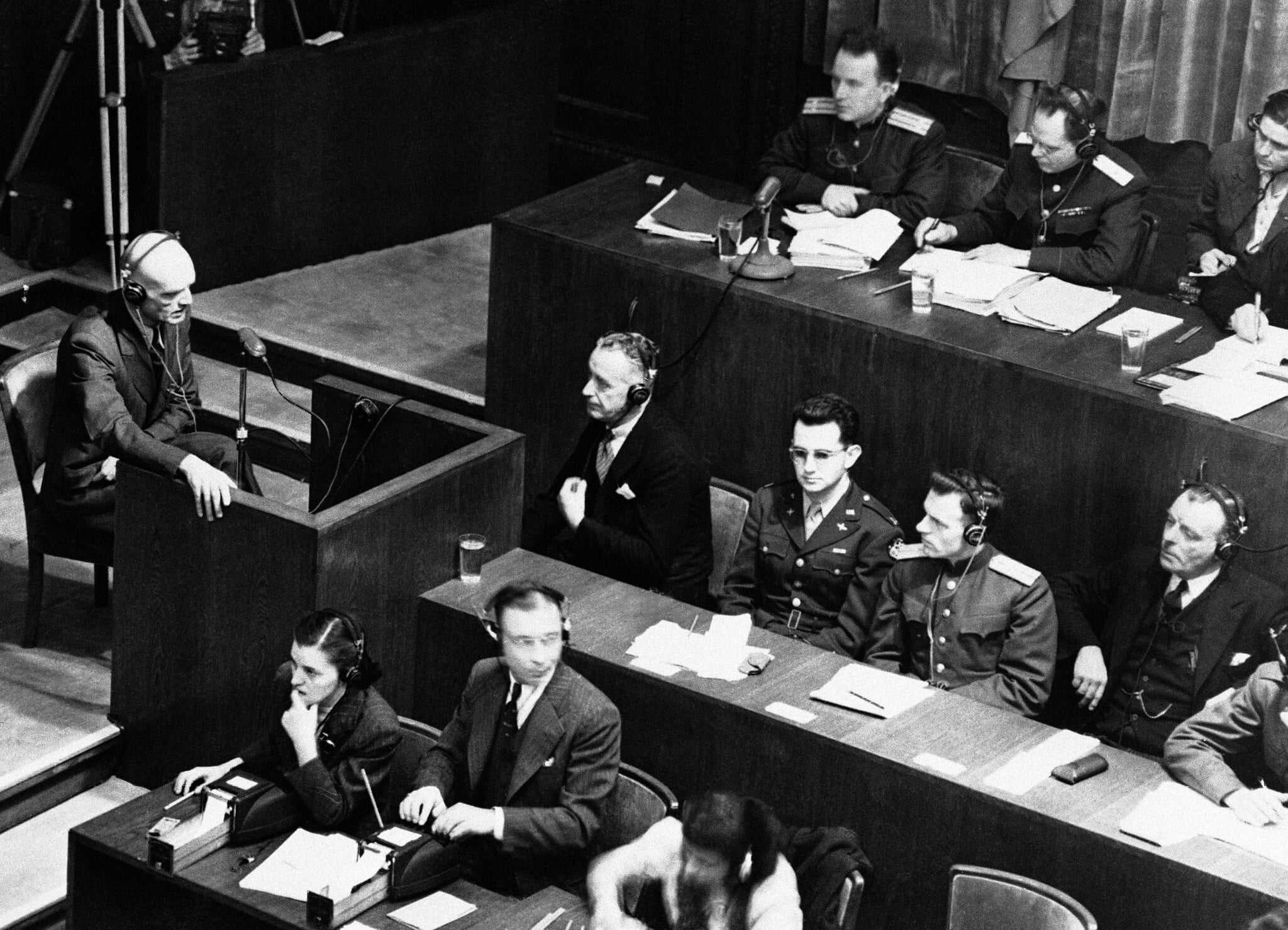
Few of the guests were as apparently carefree as Hoffmann. A former high-ranking member of German military intelligence who had joined the resistance against Hitler in the early 1940s, General Erwin von Lahousen, for instance, was the prosecution’s first witness, charged with testifying about the murder of Soviet prisoners of war and the Eisatzgruppen, which had carried out mass killings of Jews. Lahousen, Ingeborg later wrote, appeared “hollow-eyed… like a sleepwalker who could not awaken from a nightmare.”
Lahousen was among a group of senior military figures sent to the witness house. These included Luftwaffe general Ulrich Kessler; Ernst Köstring, who served as military attaché in Moscow at the time of the Molotov-Ribbentrop Pact; General Kálmán Hardy, an aide to the Hungarian leader, Admiral Miklos Horthy; and Emil von Rintelen, a military attaché in Rome. Each had a guard posted outside their bedroom.
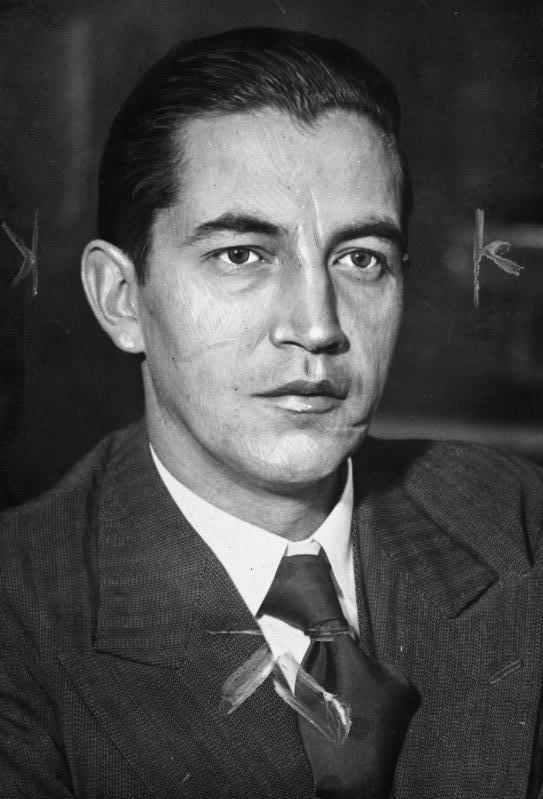
Bertus Gerdes — an associate of Ernst Kaltenbrunner, a leading figure in the Holocaust in the war’s later years, and the highest-ranking member of the SS to face trial — arrived in the witness house in December 1945 as the court was hearing about the murder of 60,000 Jews in the Warsaw Ghetto.
While revelations from the trial were broadcast nightly on the radio, Ingeborg appeared to have a somewhat curious response to some of her houseguests.
Rudolf Diels, the first head of the Gestapo, for instance, was described in her memoir as having eyes which blazed with “vitality” and “desire.” His smile was “disarming; his eyes too frank, mingling plea with pleasure, their gaze on me was like a touch.”
“She had a bit of a crush on him,” Livingstone believes. Could one justify a crush on a Nazi? Ingeborg appears to have attempted to do so, claiming that, under Diels, the Gestapo was “a long way from the instrument of absolute terror it was to become under Himmler and Heydrich.”
Another guest at the witness house became infatuated with Ingeborg. Wilhelm Scheidt, a Wehrmacht career officer who had joined the July plot to assassinate Hitler, confessed his feelings for the countess, who swiftly rebuffed them. Ingeborg, who said that she felt “considerably uneasy in his presence,” was nonetheless subject to further unwanted advances from Scheidt.
‘A role that she’d been groomed to carry out’
Ingeborg’s linguistic skills, class and background made her highly qualified for the challenge of overseeing the witness house.
“She was incredibly charming and incredibly sophisticated,” says Livingstone. “She was very polite, very genteel, and she’d spent her whole life hosting artistic and literary events, people. It was a role that she’d been groomed to carry out.”
The aristocratic blood flowing through Ingeborg’s veins was also important in the relationship between Ingeborg and her German guests.
“She could not have been more perfect,” says Livingstone. “These particular men were so status-driven. Their snobberies and very outdated ideas of class and rank and aristocracy helped her ingratiate herself with [them].”
In her memoirs, Ingeborg skirted the topic of the Nazi pasts of the men under her roof.
“I listened, wondered, and tried to neither to judge nor justify, but master my own bitterness against those who bore a share of the great guilt,” she wrote.
“She doesn’t really ever make a comment about the monstrous deeds that these men who’ve lived in her house are guilty of,” says Livingstone. “I think the problem with Countess Kálnoky is that she wasn’t an ideologue. She wasn’t a political person. She was a hostess. She was a salonier. She obviously had a conscience and a big heart, but somehow she had this extraordinary ability to compartmentalize.”
Enter the Jews
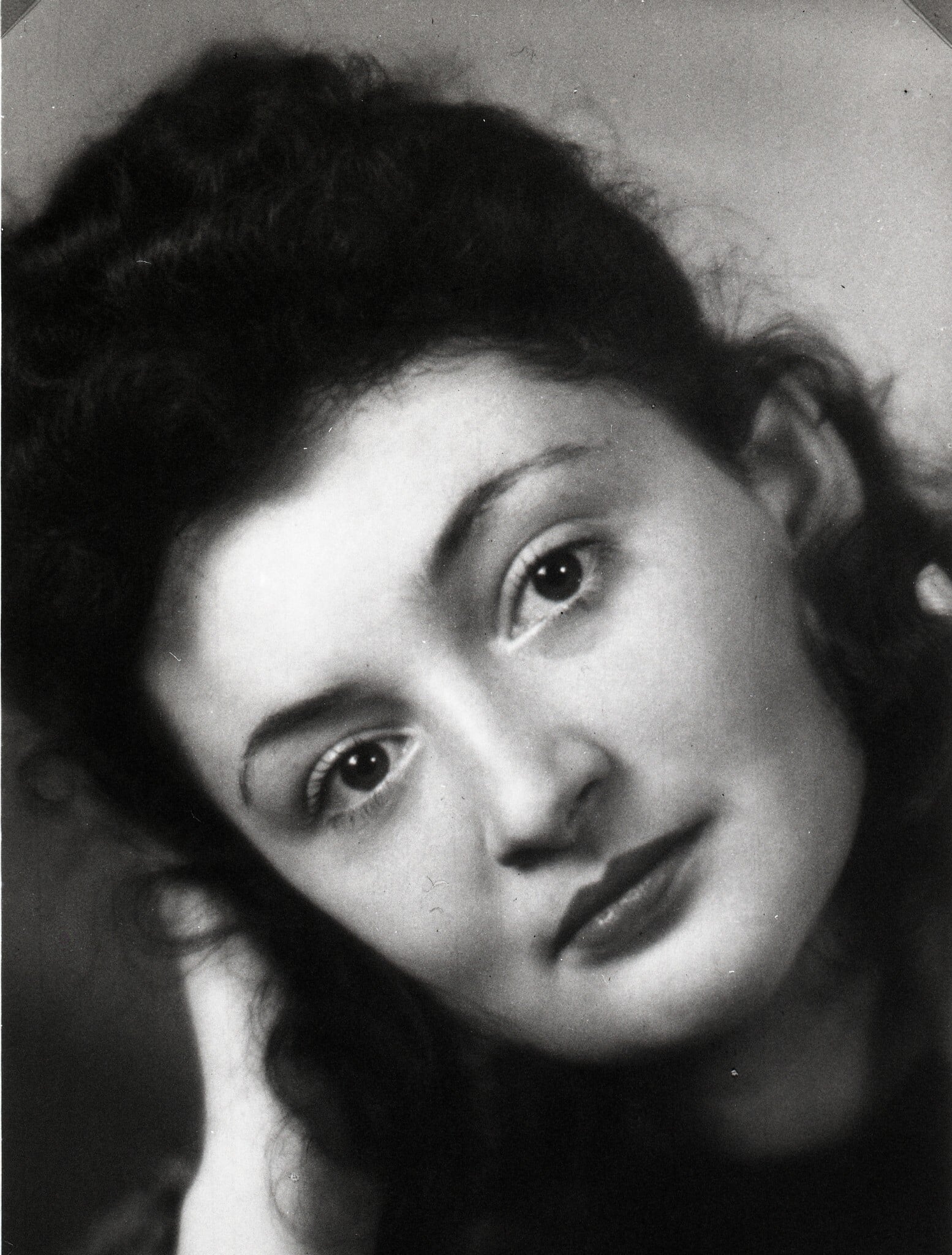
Of course, not all the guests warranted judgment. While she went unmentioned in Ingeborg’s later account, Livingstone is certain that Marie-Claude Vaillant-Couturier, who survived both Auschwitz and Ravensbruck, stayed at the witness house for one night in January 1946. It is, Livingstone believes, a strange omission: the very next day, Vaillant-Couturier became the first female witness at Nuremberg, relating one of the earliest first-person accounts of the horrors of the camps.
The greatest test would come, however, with five new arrivals in July 1946: four Polish Jews who had survived Treblinka and Majdanek and a German who had been through a number of camps, including Mauthausen.
Livingstone describes finding out that perpetrators and their victims had been sent to the same lodging house as a “truly shocking discovery.”
“The idea that survivors from a concentration camp were expected to live under the same roof, sleep under the same roof, eat in the same room as the very men who had… robbed them of their lives and everything that they knew… [is] absolutely horrific,” she says. “I still don’t understand how that could have happened.”
The new arrivals looked nothing like her previous guests, Ingeborg comparing them to “convalescents from a long illness, fragile and brittle with pale, translucent skin.” The countess later confessed that some of her normal abilities deserted her. “Why was it so difficult to talk to them,” she asked. “My anxiety gave my voice an extra measure of concern; it was too solicitous.”
But Ingeborg had good reason to worry, given the character of some of her other guests. Feeling it “indecent” to sit the survivors with those who had served the regime which persecuted them, two tables were set up for dinner; Ingeborg joining that of the survivors.
The first meal did not go smoothly, with Hoffmann loudly talking about Hitler, von Schirach, Martin Bormann and Josef Goebbels. When he wandered over to the survivors’ table and Ingeborg stumbled over their names as she tried to make introductions, the German survivor pointedly remarked: “Perhaps Herr Hoffmann would be content to know them by their numbers?”
Seemingly oblivious to the comment, Hoffmann attempted to justify his past by suggesting that “the camera knows no politics.” The tense conversation continued with Hoffmann claiming that Hitler knew nothing about the death camps.
“He didn’t know about the extermination camps or atrocities,” he argued. “I vouch for that… He couldn’t even stand the sight of blood.” Shown a photograph of the murdered wife and children of one survivor, Hoffmann limply claimed: “Hitler adored children.”
But, Livingstone points out, while Ingeborg “paints such a vivid technicolor picture of the Nazis underneath her roof,” the survivors are “a very shadowy presence” with little about their personalities recounted — she failed to even mention their names in her diary and memoirs.
In a small but poignant touch, Livingstone checked the archives and found the names of the Polish Jews — Israel Eisenberg, Leib Kibart, Chaim Kagan and Szlomo Gol — who stayed at the witness house, but she thinks it is important that Ingeborg’s attitude toward them is not judged too harshly by modern readers.
“I think the contrast between the healthy-looking Nazis and these incredibly thin, walking skeletons… was just infinitely and indescribably shocking for her, and I think her coping mechanism was not to ask too many questions. She seemed to have found it just too ugly to even contemplate,” Livingstone says.
“I just don’t think that she was prepared in any way for the gravity of what unfolded in her house,” she says. “The nature of those crimes was unfathomable to her at the time, and I think it was for a lot of people.”









The Times of Israel Community.